The tape that doesn't get blamed when a stator comes back
Walk onto a motor winding floor and the tape dispenser is the quietest tool in the room — and the one that gets blamed the loudest when a stator fails. A fair share of the field returns that land on our technical service desk trace back to an electrical insulation tape that either cracked in the cure oven, let varnish bleed through, or delaminated somewhere north of 180 °C. The Johan 49XXPHR series exists because of those failures. It's an amber high temperature tape built on a cast polyimide (PI) film with a silicone adhesive, meant for motor stator wrapping, transformer coil insulation, and wire harness tie-offs that have to hold past 230 °C short-term and shrug off the solvents used in vacuum pressure impregnation.
If you've landed here searching for an amber PET electrical insulation tape for motor insulation, you're halfway to the right part. PET films top out around 130–150 °C continuous and turn brittle near 180 °C; for anything near a winding, a polyimide film is what you actually want. The amber color in the photo isn't a dye — it's what cured PI looks like — and it's why this tape carries a 6.0 kV dielectric strength even on the thinnest 30 µm build.
What the construction actually is
The backing is a cast PI film in 13 / 25 / 38 / 50 / 75 µm, adhesive-coated with a silicone system we cross-link on our Hunan coating line. Silicone is the adhesive that doesn't turn to glue at 200 °C: acrylics soften, rubbers outgas, silicone just sits there. Finished total thickness runs 30 / 50 / 70 / 100 µm — that's what the catalog numbers 4930PHR / 4950PHR / 4970PHR / 49100PHR mean. Adhesion to stainless lands at ≥0.4 kg/in, tensile at 100 N/in, elongation around 40%.
Those mechanical numbers look modest on paper, but they're chosen on purpose. The tape has to stretch with the copper wire as the coil expands on thermal cycling, not split. A stiffer film would dielectric-test great on a bench and crack on the first heat cycle in a customer's motor.
Where this tape earns its place
We won't list every industry on this page. These are the four jobs we ship the 49XXPHR into every week:
- Motor stator and coil wrapping. When you wrap a random-wound stator or a hairpin e-motor stator, the tape has to survive the VPI cycle — soaked in varnish, pulled under vacuum, baked at 150–180 °C. An acrylic tape swells in the varnish and lets resin bleed through; the silicone adhesive on this build stays put. We see it in EV traction motors, industrial servo motors, and the compressor motors in residential heat-pump HVAC.
- Transformer and magnet wire insulation. Layer-to-layer wrap on small power transformers, or slot-liner protection where the magnet wire exits the stator lamination. The 6 kV dielectric strength on the 30 µm build is what lets a thinner PI wrap replace a thicker polyester wrap and free up slot fill — a real win when you're trying to squeeze another 5% copper into the same stator.
- Wire harness and coil-end tie-off. High-temperature soldering fixtures, coil-end lacing where the joint sees an oven cure, and any spot where a cheap PVC or PET tape would turn gummy and leave residue on the copper.
- High-temperature masking and hold-down. Reflow pallet hold-down, powder-coating masking, powder curing — jobs where the tape has to come off clean after a 200 °C cycle without leaving adhesive behind.
On solvent resistance, honestly
We get asked about solvent resistance on this SKU because of VPI. Impregnating varnishes — epoxy, polyester, polyimide — are aggressive, and a lot of tapes that test fine in room-temperature toluene soften the second they meet a hot varnish in a vacuum chamber. The PI carrier is chemically inert; the silicone adhesive is cross-linked enough that it doesn't re-wet. We won't pretend it's chemical-proof — long soak in acetone or MEK will attack it — but through a standard 20–30 minute VPI cycle, it holds. If your process uses a much more aggressive varnish, tell us; we'll suggest a fluorinated film build instead of overselling this one.
Why Johan coats this in-house
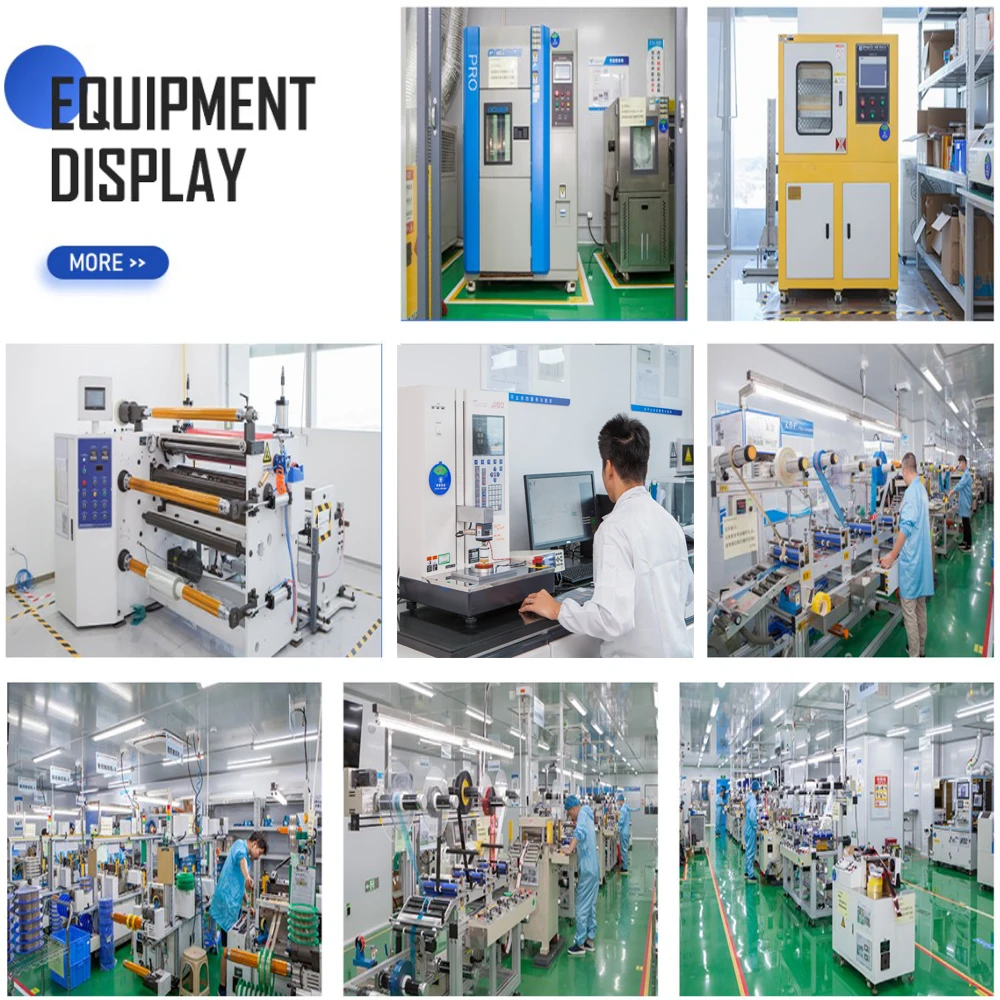
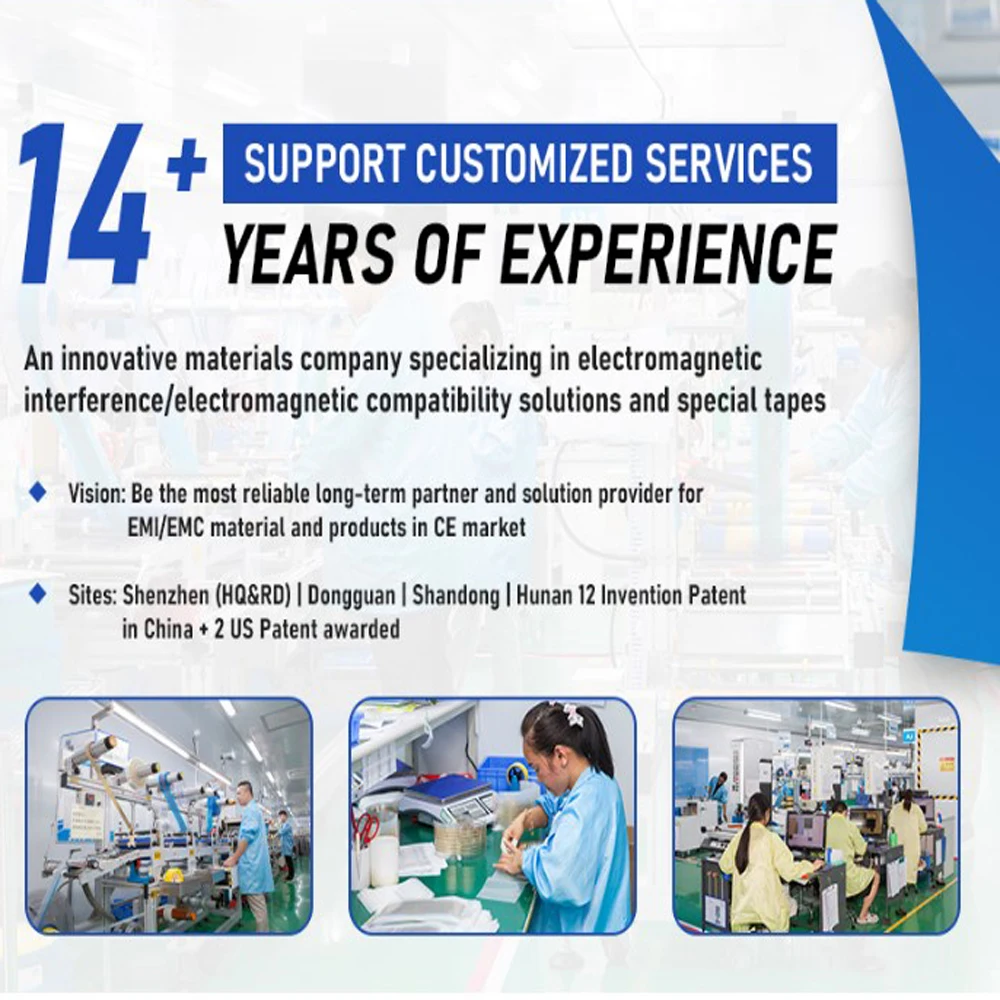
A lot of "high-temperature polyimide tape" on the market today is a converted master roll — someone slits a Japanese or Korean PI film and rebrands it. We've run our own high-performance tape coating line since 2019, and today the Hunan plant runs 10,000 m² of coating capacity. That matters on a tape like this because adhesive coat weight is where batches actually vary: 2 g/m² light and the tape doesn't hold through VPI; 2 g/m² heavy and it oozes out the edge in the cure oven. We control the coat weight in-house, which is how we ship the same part number to an EV traction-motor customer and a small regional transformer shop without a spec change between them.
We're also an IATF 16949 shop, so when this tape lands in a vehicle — traction motor, OBC inverter, HVAC compressor — the PPAP file, lot traceability and RoHS/REACH documentation are already in English, not translated on request.
Working with us
- Send us the continuous vs. short-term temperature, the dielectric requirement, and the slit width you want. We'll recommend a film thickness rather than just quoting the catalog.
- Standard widths slit from 3 mm to 500 mm; non-standard die-cut shapes and pull-tabs are converted in Dongguan. First articles usually ship in 7–10 working days.
- If you're qualifying a new motor design, we'll send a 50 mm × 33 m sample roll so your winding team can run it on the actual machine before committing to bulk.
- Storage: 12 months at 18–26 °C, 45–65% RH, FIFO. The silicone adhesive ages slowly — don't read that as "store it forever."
If your motors, transformers or harnesses keep chewing through cheaper insulation tapes, send us the failed sample. We'll tell you honestly whether you need the 30 µm build, the 100 µm build, or whether your process is actually demanding something we don't stock — and we'll point you there rather than quote you a part that comes back.
49XXPHR Series — Typical Values
Representative only, not for specification purposes.






 EN