Cost-Effective Integration and Long-Term Reliability
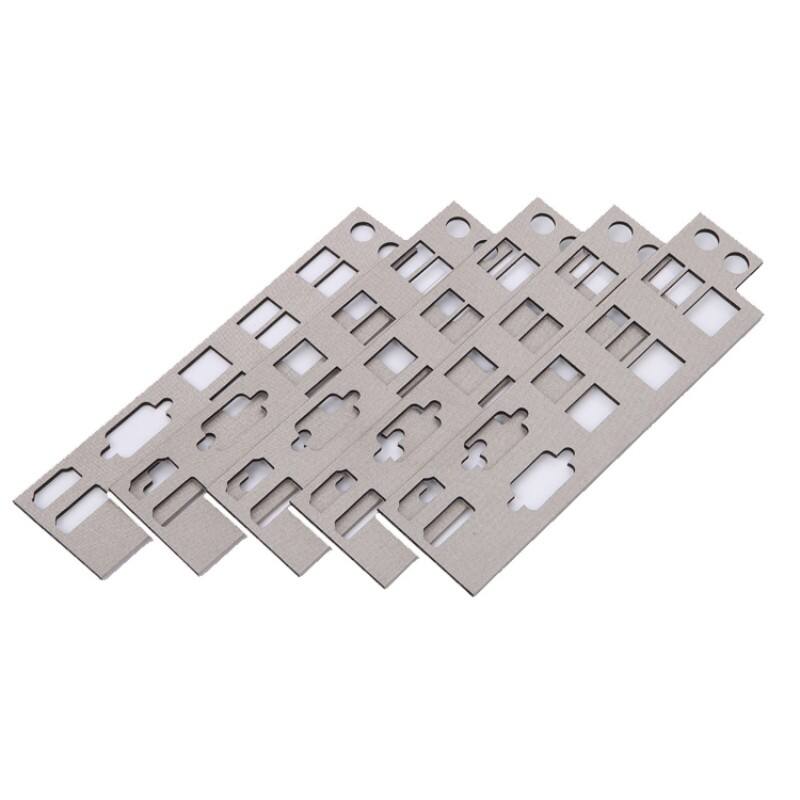
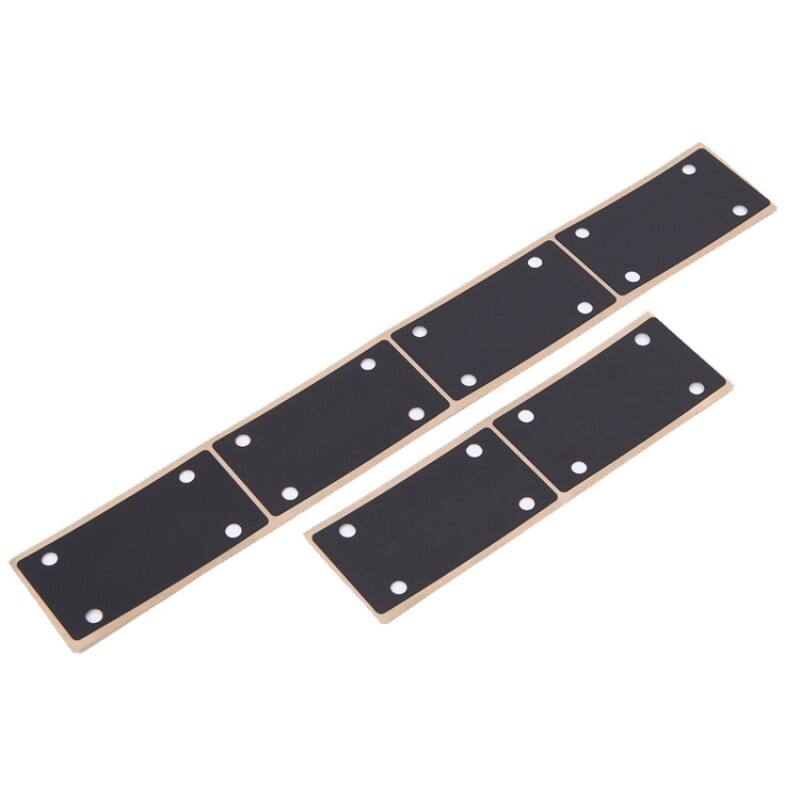
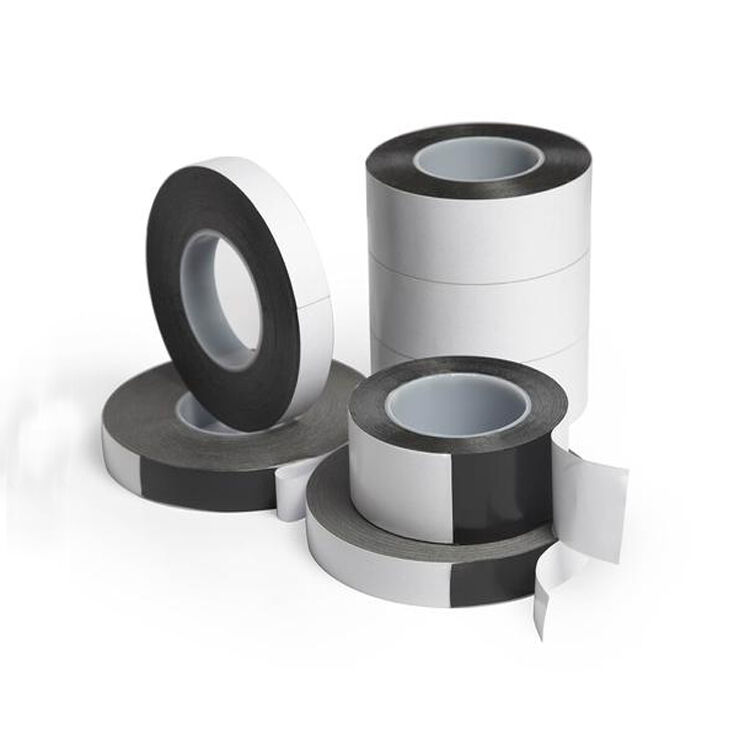
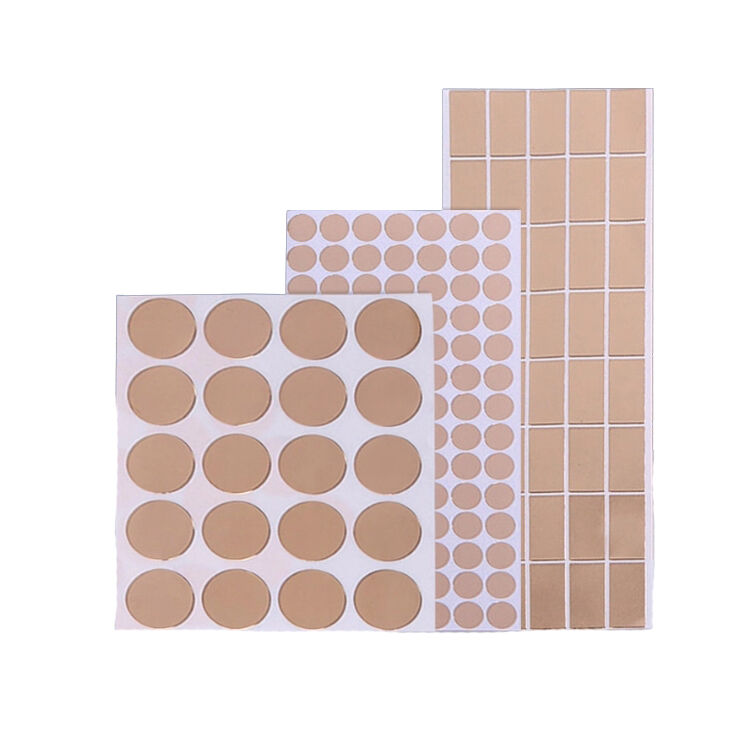
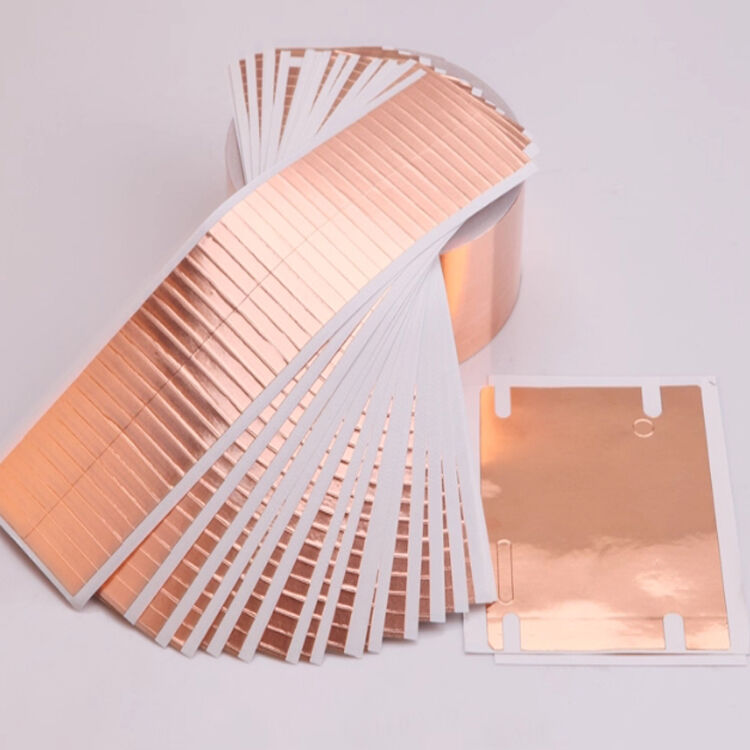
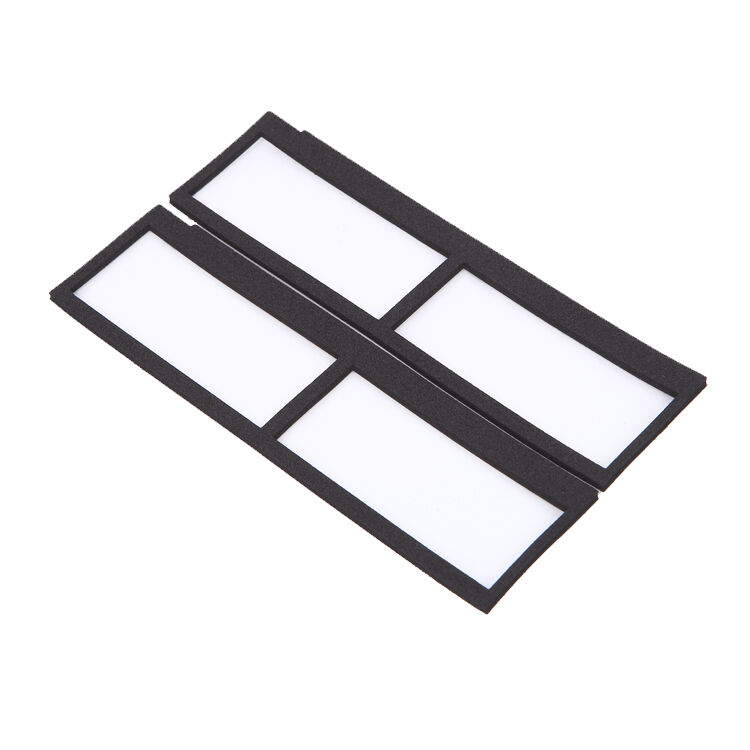
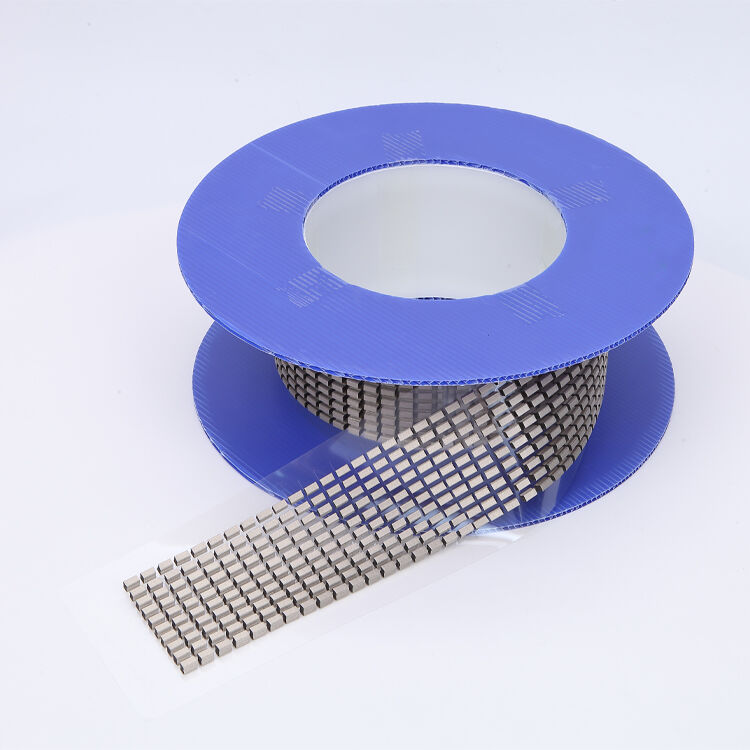
The cost-effectiveness of electrically conductive foam extends far beyond its initial purchase price, encompassing reduced installation costs, simplified inventory management, and exceptional long-term reliability that translates into substantial total cost of ownership savings. This comprehensive cost advantage begins with the material's ability to replace multiple components in traditional shielding and sealing applications, eliminating the need for separate electromagnetic interference gaskets, environmental seals, and vibration dampening materials. This consolidation reduces procurement complexity, minimizes storage requirements, and simplifies bill of materials management for manufacturing operations. The foam's ease of installation significantly reduces labor costs, as it can be applied using standard adhesive backing, compression fit, or mechanical fastening methods without requiring specialized tools or extensive training. Installation time is dramatically reduced compared to traditional shielding methods that often require precise alignment, complex hardware, or multi-step assembly procedures. The material's forgiving nature accommodates minor installation errors without performance degradation, reducing rework costs and improving first-time assembly success rates. Long-term reliability characteristics contribute substantially to overall cost-effectiveness, with the foam maintaining consistent electrical and physical properties throughout service life cycles that often exceed ten years in demanding applications. This reliability reduces maintenance requirements, minimizes unexpected downtime, and eliminates the costs associated with premature component replacement. The material's resistance to environmental factors such as moisture, temperature cycling, chemical exposure, and ultraviolet radiation ensures stable performance across diverse operating conditions without requiring protective treatments or frequent replacement. Quality assurance benefits emerge from the material's consistent manufacturing processes and predictable performance characteristics, reducing the need for extensive testing and validation during product development phases. This consistency allows engineers to specify exact requirements with confidence, avoiding over-design costs while ensuring adequate performance margins. The foam's compatibility with automated manufacturing processes further reduces production costs, as it can be die-cut, water-jet cut, or thermoformed using standard equipment without specialized tooling. Customization capabilities allow for precise specification of electrical, mechanical, and dimensional properties, ensuring optimal performance without paying for unnecessary features or capabilities. Environmental benefits contribute to long-term cost savings through reduced waste generation, recyclability at end of life, and compliance with environmental regulations that might require costly disposal procedures for alternative materials.


 EN
EN