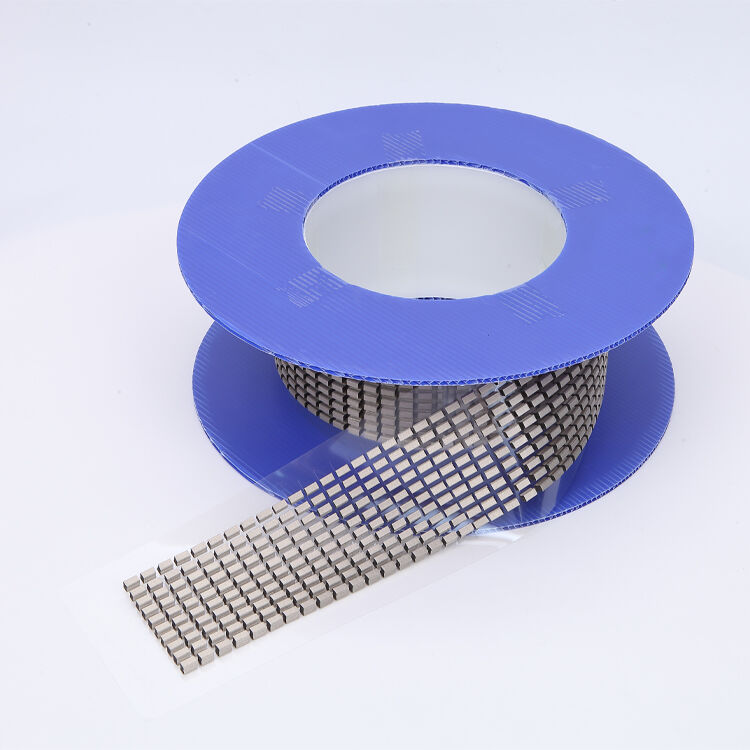
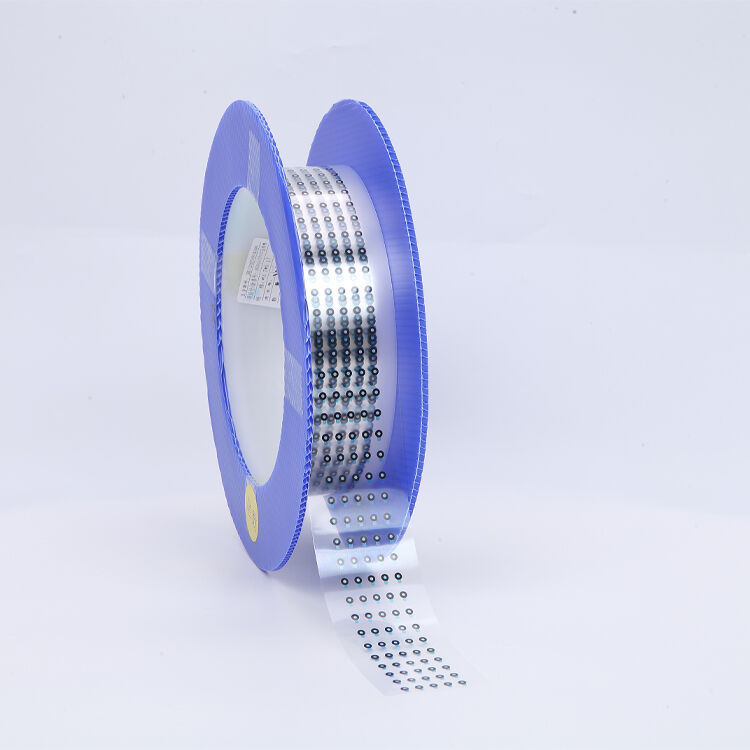
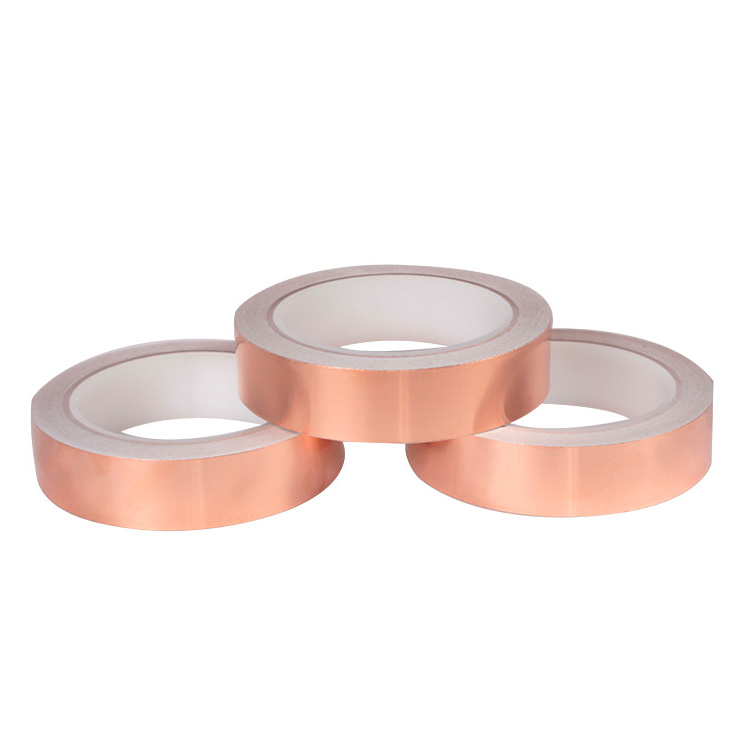
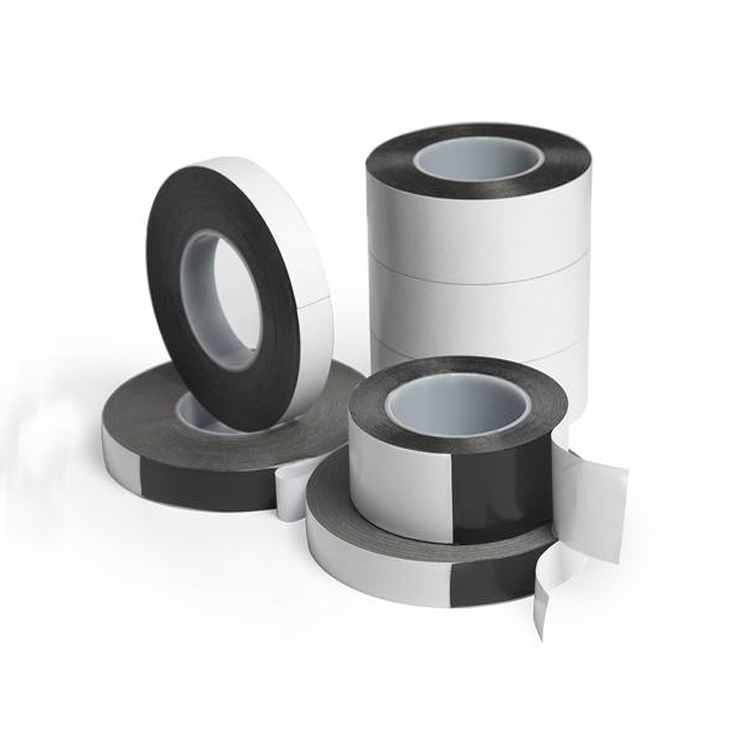
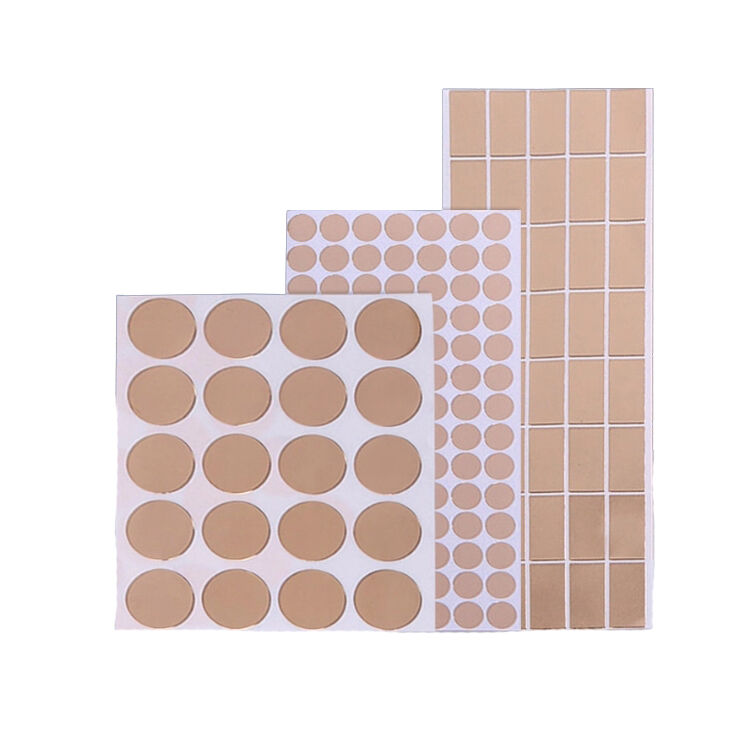
High-Performance Heat Conductive Foam Solutions for Advanced Thermal Management Applications

All Categories

Get a Free Quote

Our representative will contact you soon.
Email
Name
Company Name
Message
0/1000

heat conductive foam

Heat conductive foam represents a revolutionary thermal management solution that combines the insulating properties of traditional foam materials with exceptional heat transfer capabilities. This innovative material bridges the gap between thermal insulation and thermal conductivity, offering engineers and manufacturers a versatile solution for complex thermal challenges. The core functionality of heat conductive foam lies in its unique cellular structure, which has been engineered to facilitate efficient heat dissipation while maintaining the lightweight and flexible characteristics that make foam materials so valuable across industries. Unlike conventional foams that primarily serve as thermal barriers, heat conductive foam actively participates in thermal management by channeling heat away from sensitive components and distributing it evenly across surfaces. The technological foundation of this material involves sophisticated manufacturing processes that incorporate thermally conductive fillers and additives into the foam matrix. These enhancements create pathways for heat transfer without compromising the material's structural integrity or performance characteristics. The foam's cellular architecture allows for controlled heat flow, making it particularly effective in applications where traditional cooling methods prove inadequate or impractical. Manufacturing industries utilize heat conductive foam extensively in electronic device cooling, automotive applications, aerospace components, and industrial equipment thermal management. The material excels in situations requiring both thermal performance and physical protection, such as battery pack insulation, LED heat sinks, power electronics cooling, and HVAC system optimization. Its adaptability makes it suitable for custom molding and shaping, enabling precise fit applications in confined spaces where conventional cooling solutions cannot be implemented. The foam's composition typically includes specialized polymers enhanced with carbon-based fillers, metallic particles, or ceramic compounds that create thermally conductive pathways throughout the material structure, resulting in superior heat transfer performance compared to standard foam alternatives.

New Products

Heat conductive foam delivers significant practical benefits that translate directly into improved product performance and cost savings for businesses across multiple sectors. The material reduces operating temperatures in electronic devices, which extends component lifespan and increases system reliability. This temperature reduction directly correlates with decreased failure rates and lower maintenance costs, providing measurable return on investment for manufacturers and end users. The foam's lightweight nature eliminates the weight penalties associated with traditional metal heat sinks and cooling systems, making it particularly valuable in portable electronics, automotive applications, and aerospace designs where weight optimization remains critical. Installation simplicity represents another major advantage, as heat conductive foam requires no complex mounting hardware or specialized tools for implementation. The material conforms to irregular surfaces and fills gaps that rigid cooling solutions cannot address, simplifying thermal management design and reducing manufacturing complexity. Cost effectiveness emerges as a key benefit when compared to alternative thermal management solutions. Heat conductive foam eliminates the need for expensive machined heat sinks, complex cooling assemblies, and additional mounting hardware, resulting in lower overall system costs. The material's durability ensures long-term performance without degradation, reducing replacement frequency and associated maintenance expenses. Versatility in application allows single-material solutions for diverse thermal challenges, streamlining inventory management and reducing procurement complexity. The foam's electrical insulation properties provide additional safety benefits in electronic applications, eliminating short circuit risks while managing thermal loads effectively. Energy efficiency improvements result from optimized thermal management, as cooler-running systems consume less power and operate more efficiently. This efficiency translates into reduced energy costs and improved environmental sustainability. Manufacturing flexibility enables custom formulations tailored to specific thermal requirements, allowing optimization for particular applications without compromising performance. The material's chemical stability ensures consistent performance across temperature ranges and environmental conditions, providing reliable thermal management in demanding operating environments. These combined advantages position heat conductive foam as a superior alternative to traditional thermal management approaches, delivering enhanced performance while reducing costs and complexity.

Practical Tips

Dragon Ascension: The Little Giants, Episode 12 | Zhuohan Materials: Pioneering Cutting-Edge Technologies, Making China's EMC Products Shine Among the World's Best

21

Nov

Dragon Ascension: The Little Giants, Episode 12 | Zhuohan Materials: Pioneering Cutting-Edge Technologies, Making China's EMC Products Shine Among the World's Best

View More
Shenzhen New Horizon

21

Nov

Shenzhen New Horizon "Released and Broadcasted on Shenzhen Television - Shenzhen Johan Material Technology Co., Ltd

View More
New Product | Johan High Performance Aluminum Foil Tape, the Best Choice for Electromagnetic Shielding

05

Feb

New Product | Johan High Performance Aluminum Foil Tape, the Best Choice for Electromagnetic Shielding

View More
Unitedas One, Moving Forward Courageously ShenzhenJohanMaterial Technology Co., Ltd. 2026 Annual Ceremony and Awards Ceremony

05

Feb

Unitedas One, Moving Forward Courageously ShenzhenJohanMaterial Technology Co., Ltd. 2026 Annual Ceremony and Awards Ceremony

View More

Get a Free Quote

Our representative will contact you soon.
Email
Name
Company Name
Message
0/1000

heat conductive foam

Superior Thermal Performance with Lightweight Design

Superior Thermal Performance with Lightweight Design

Heat conductive foam achieves exceptional thermal management performance while maintaining the lightweight characteristics that make foam materials indispensable in modern manufacturing applications. This unique combination addresses one of the most significant challenges in thermal management: achieving effective heat dissipation without adding substantial weight to products. The material's thermal conductivity properties rival those of traditional metal heat sinks while weighing significantly less, making it ideal for applications where weight constraints are critical. In aerospace applications, every gram matters, and heat conductive foam provides thermal management solutions that do not compromise payload capacity or fuel efficiency. The automotive industry benefits similarly, as lighter thermal management components contribute to improved fuel economy and reduced emissions without sacrificing cooling performance. Electronic device manufacturers find that heat conductive foam enables thinner, lighter product designs while maintaining optimal operating temperatures for sensitive components. The foam's cellular structure creates an efficient network of thermal pathways that guide heat away from hot spots and distribute it evenly across larger surface areas. This distribution mechanism prevents localized overheating and creates more uniform temperature profiles throughout the system. The material's flexibility allows it to conform to complex geometries and fill irregular spaces that rigid cooling solutions cannot address effectively. This conformability ensures optimal thermal contact and eliminates air gaps that can impede heat transfer. Advanced manufacturing techniques enable precise control over the foam's density and thermal properties, allowing customization for specific performance requirements. The result is a thermal management solution that provides superior cooling performance per unit weight, enabling innovative product designs that were previously impossible with conventional thermal management approaches. Testing data consistently demonstrates that heat conductive foam can reduce component temperatures by 15-30 degrees Celsius compared to standard foam materials, while adding minimal weight to the overall system design.
Enhanced Durability and Long-Term Reliability

Enhanced Durability and Long-Term Reliability

Heat conductive foam exhibits exceptional durability characteristics that ensure consistent thermal performance throughout extended operational lifecycles, making it a reliable long-term investment for thermal management applications. The material's robust composition resists degradation from thermal cycling, mechanical stress, and environmental exposure, maintaining its thermal conductivity properties even after thousands of heating and cooling cycles. This durability stems from carefully engineered polymer matrices that retain their structural integrity under varying temperature conditions, preventing the formation of cracks or voids that could compromise thermal performance. Chemical resistance properties protect the foam from degradation caused by exposure to oils, solvents, and other industrial chemicals commonly encountered in manufacturing environments. This resistance ensures that thermal performance remains consistent even in harsh operating conditions where other materials might fail or deteriorate. The foam's compression recovery characteristics allow it to maintain optimal thermal contact pressure over time, preventing the performance degradation that can occur when thermal interface materials lose their conformability. UV stability features protect the material from degradation caused by prolonged exposure to sunlight or artificial lighting, making it suitable for outdoor applications and products with transparent housings. Temperature stability across wide operating ranges ensures reliable performance from sub-zero conditions to elevated temperatures exceeding 150 degrees Celsius, accommodating the diverse thermal environments encountered in modern applications. Vibration resistance properties prevent mechanical failure in applications subject to constant motion or mechanical stress, such as automotive and industrial equipment installations. The material's fatigue resistance ensures that repeated compression and expansion cycles do not compromise its thermal or mechanical properties, providing reliable performance throughout the product's operational lifespan. Quality control processes during manufacturing ensure consistent material properties and performance characteristics, reducing variability and ensuring predictable thermal behavior across production batches. This reliability translates into reduced maintenance requirements, lower replacement costs, and improved overall system dependability for end users and manufacturers alike.
Versatile Application Flexibility and Custom Solutions

Versatile Application Flexibility and Custom Solutions

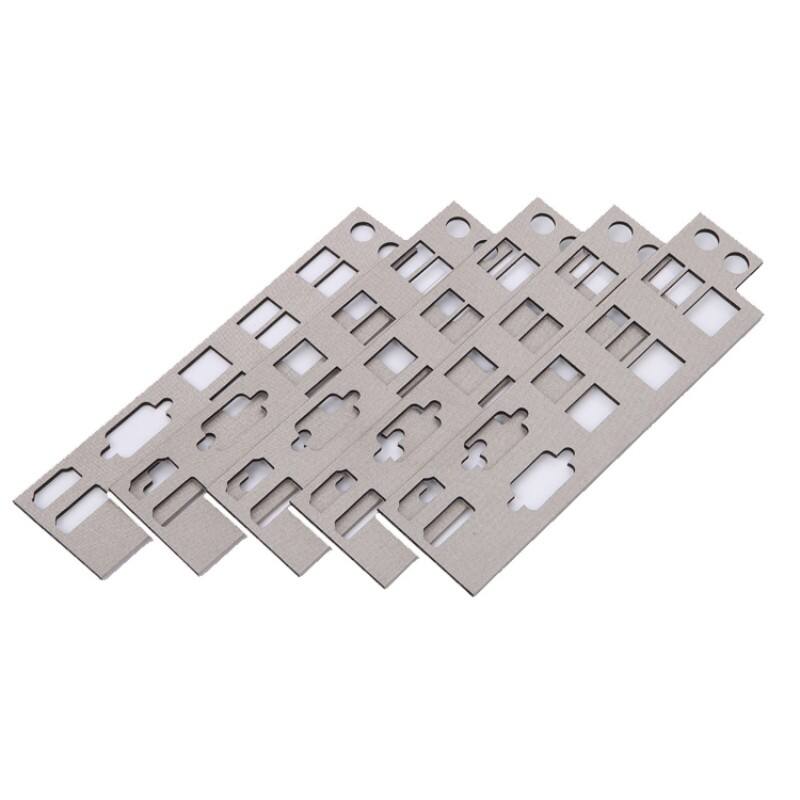
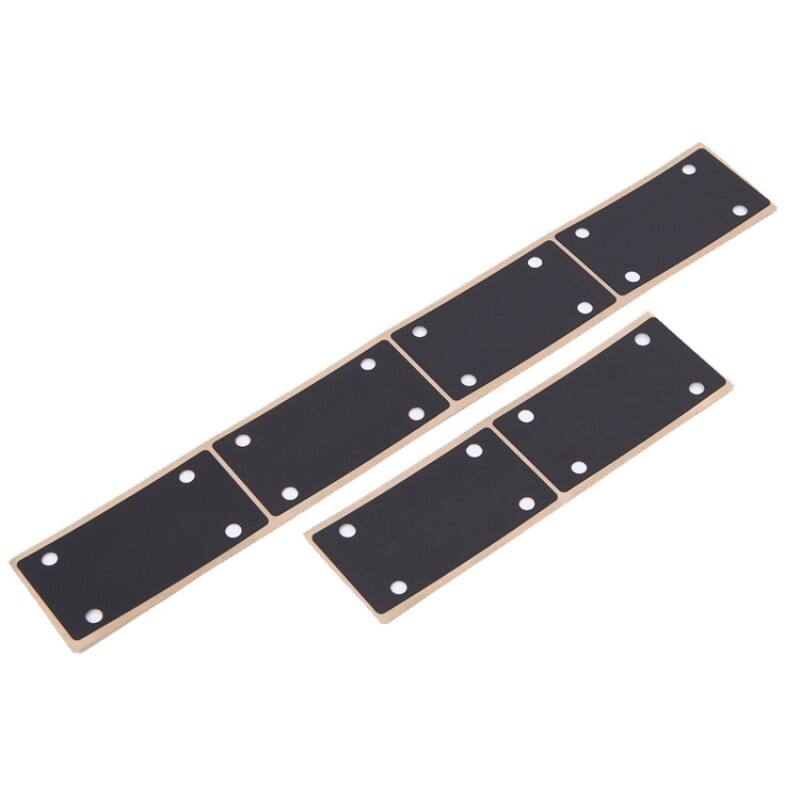
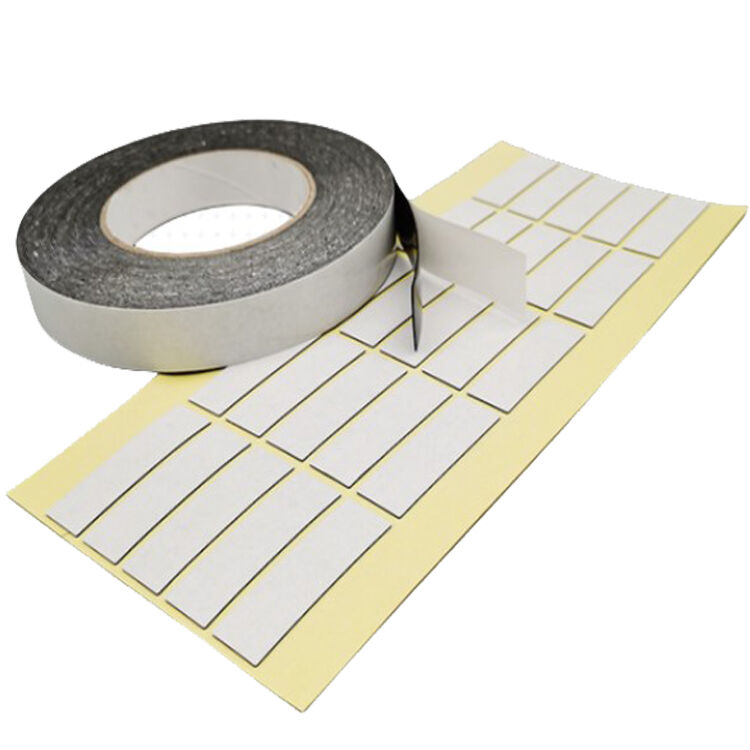
Heat conductive foam demonstrates remarkable application versatility, adapting to diverse thermal management challenges across multiple industries while offering extensive customization options that address specific performance requirements and design constraints. This flexibility makes it an ideal solution for engineers facing unique thermal challenges that cannot be resolved with standard off-the-shelf cooling components. The material can be formulated with varying thermal conductivity levels, densities, and mechanical properties to match specific application requirements, enabling optimized performance for each use case. Custom molding capabilities allow the creation of complex three-dimensional shapes that integrate seamlessly with product designs, eliminating the need for additional mounting hardware or mechanical modifications. This moldability enables the production of thermal management solutions that follow product contours precisely, maximizing thermal contact and minimizing installation complexity. Thickness variations from ultra-thin sheets to thick padding accommodate different space constraints and thermal requirements, providing solutions for applications ranging from compact mobile devices to large industrial equipment. Adhesive backing options simplify installation by eliminating the need for mechanical fasteners or additional bonding agents, reducing assembly time and ensuring consistent thermal contact pressure. Die-cutting services enable precise shaping for specific component layouts, ensuring optimal fit and thermal performance in complex electronic assemblies. The material's compatibility with various manufacturing processes allows integration into automated assembly lines, reducing labor costs and improving production efficiency. Multi-layer configurations combine different thermal conductivity levels within single components, creating graduated thermal management solutions that address varying heat loads across single assemblies. Color coding options facilitate identification and quality control in manufacturing environments, reducing assembly errors and improving production reliability. Environmental compliance certifications ensure suitability for applications requiring specific regulatory approvals, expanding the material's applicability across regulated industries. Surface texture modifications enhance thermal contact with mating surfaces, improving overall thermal transfer efficiency. These customization options, combined with the material's inherent performance advantages, enable thermal management solutions that are precisely tailored to specific applications, resulting in optimal performance and cost effectiveness for diverse industrial requirements and challenging thermal management scenarios.

Get a Free Quote

Our representative will contact you soon.
Email
Name
Company Name
Message
0/1000