Thermally Conductive Foam: Advanced Thermal Management Solutions for Modern Applications

All Categories

Get a Free Quote

Our representative will contact you soon.
Email
Name
Company Name
Message
0/1000

thermally conductive foam

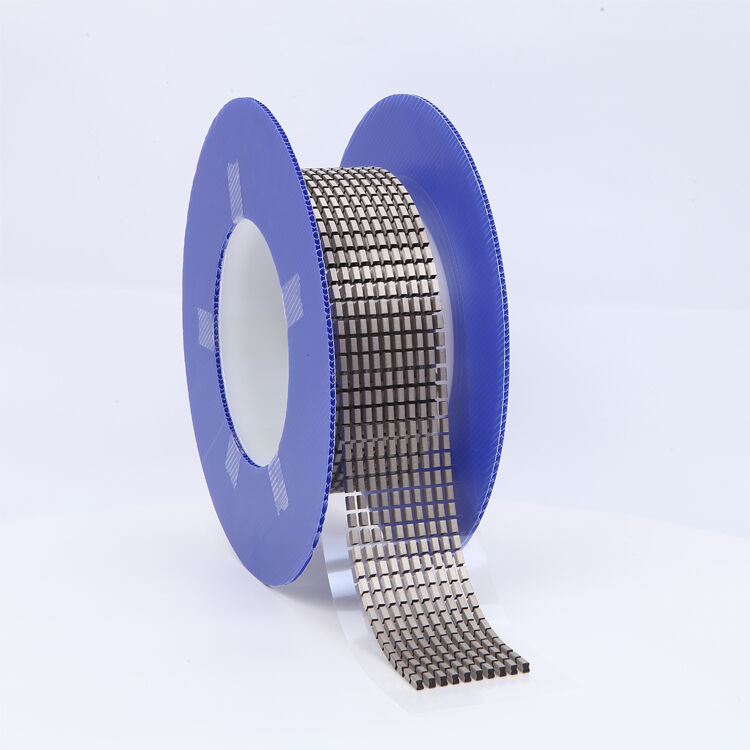
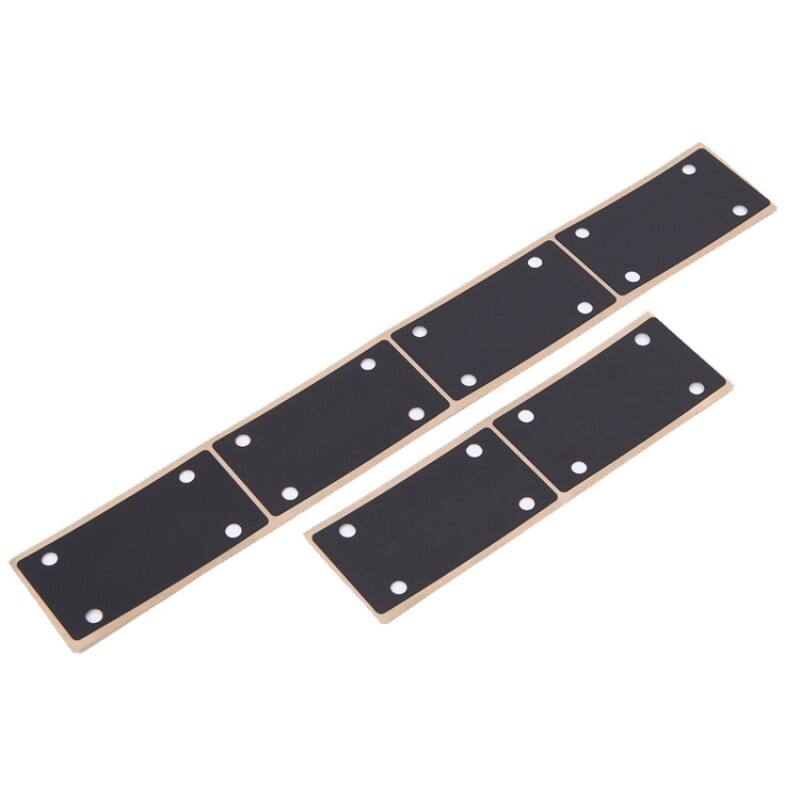
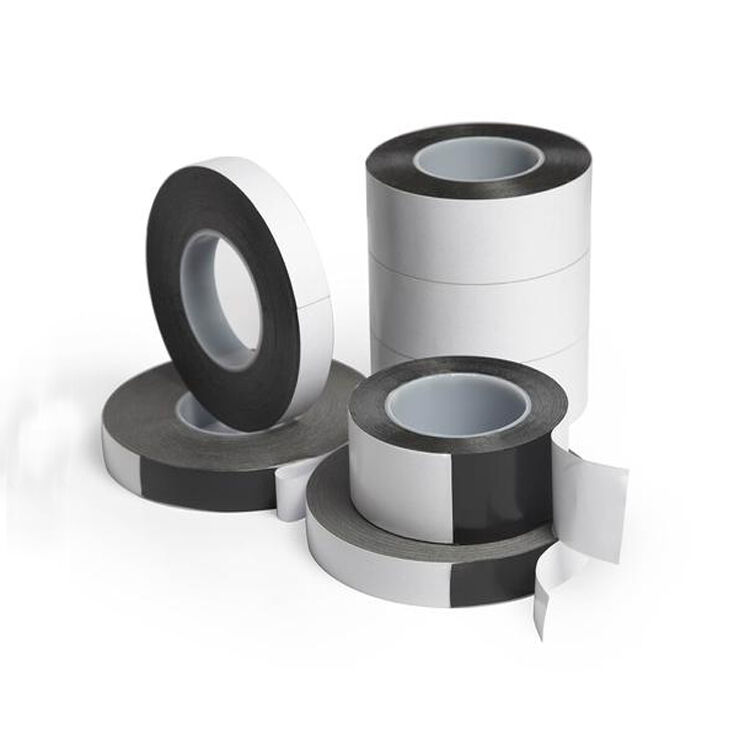
Thermally conductive foam represents a revolutionary advancement in thermal management materials, combining the lightweight properties of foam with exceptional heat transfer capabilities. This specialized material consists of open-cell or closed-cell foam structures infused with thermally conductive particles such as graphite, carbon fibers, metal oxides, or ceramic compounds. The unique cellular architecture allows thermally conductive foam to maintain excellent thermal pathways while preserving the compressible and conformable characteristics that make foam materials so versatile. The primary function of thermally conductive foam centers on efficient heat dissipation and thermal interface management in electronic devices, automotive components, and industrial applications. Unlike traditional thermal interface materials that may be rigid or difficult to apply, thermally conductive foam offers superior gap-filling properties and maintains consistent thermal performance even under mechanical stress or vibration. The technological features of thermally conductive foam include controlled porosity structures that optimize both thermal conductivity and mechanical compliance. Advanced manufacturing processes enable precise control over foam density, cell size distribution, and thermal conductivity values ranging from moderate enhancement to high-performance specifications. The material typically exhibits thermal conductivity values between 1-20 W/mK, significantly higher than conventional foams while maintaining compressibility ratios of 10-90 percent depending on application requirements. Applications for thermally conductive foam span multiple industries including electronics cooling, automotive thermal management, aerospace components, LED lighting systems, power electronics, telecommunications equipment, and battery thermal management systems. The material serves as an ideal solution for applications requiring conformable thermal interfaces, vibration dampening, and reliable long-term thermal performance in challenging environmental conditions.

New Products

Thermally conductive foam delivers significant advantages that transform thermal management challenges into streamlined solutions for modern engineering applications. The primary benefit lies in its exceptional versatility, combining thermal conductivity with mechanical flexibility that traditional rigid thermal interface materials cannot match. This dual functionality eliminates the need for multiple components, reducing assembly complexity and overall system costs while improving reliability. The compressible nature of thermally conductive foam ensures optimal contact between surfaces with irregular geometries or manufacturing tolerances. When compressed, the foam conforms perfectly to surface imperfections, eliminating air gaps that typically impede heat transfer in rigid thermal interface solutions. This conformability maintains consistent thermal performance throughout the product lifecycle, even as components expand and contract due to thermal cycling. Installation simplicity represents another major advantage of thermally conductive foam. Unlike liquid thermal compounds that require precise application techniques or curing processes, thermally conductive foam can be easily cut, shaped, and installed without specialized tools or training. The material maintains its shape and properties immediately upon installation, reducing assembly time and eliminating concerns about material migration or pump-out effects common with liquid alternatives. Durability and longevity distinguish thermally conductive foam from many competing thermal management solutions. The material resists degradation from temperature cycling, mechanical stress, and environmental factors such as humidity and chemical exposure. This stability ensures consistent thermal performance over extended periods, reducing maintenance requirements and total cost of ownership. The foam structure provides inherent vibration dampening properties, protecting sensitive components from mechanical shock while maintaining thermal conductivity. Weight reduction capabilities make thermally conductive foam particularly valuable in aerospace, automotive, and portable electronics applications where every gram matters. The low-density foam structure achieves excellent thermal performance without adding significant mass to assemblies, supporting lightweighting initiatives without compromising thermal management effectiveness. Additionally, the material offers design flexibility that enables innovative cooling solutions previously impossible with rigid thermal interface materials.

Practical Tips

Dragon Ascension: The Little Giants, Episode 12 | Zhuohan Materials: Pioneering Cutting-Edge Technologies, Making China's EMC Products Shine Among the World's Best

21

Nov

Dragon Ascension: The Little Giants, Episode 12 | Zhuohan Materials: Pioneering Cutting-Edge Technologies, Making China's EMC Products Shine Among the World's Best

View More
Shenzhen Johan Material Technology Co., Ltd. Has Obtained a Patent for Shielding Cover Structure for Circuit Boards

05

Dec

Shenzhen Johan Material Technology Co., Ltd. Has Obtained a Patent for Shielding Cover Structure for Circuit Boards

View More
Shenzhen New Horizon

21

Nov

Shenzhen New Horizon "Released and Broadcasted on Shenzhen Television - Shenzhen Johan Material Technology Co., Ltd

View More
Unitedas One, Moving Forward Courageously ShenzhenJohanMaterial Technology Co., Ltd. 2026 Annual Ceremony and Awards Ceremony

05

Feb

Unitedas One, Moving Forward Courageously ShenzhenJohanMaterial Technology Co., Ltd. 2026 Annual Ceremony and Awards Ceremony

View More

Get a Free Quote

Our representative will contact you soon.
Email
Name
Company Name
Message
0/1000

thermally conductive foam

Superior Conformability and Gap-Filling Performance

Superior Conformability and Gap-Filling Performance

The exceptional conformability of thermally conductive foam represents a paradigm shift in thermal interface management, addressing one of the most persistent challenges in modern electronics and mechanical systems. Traditional rigid thermal interface materials often fail to achieve optimal thermal contact due to surface irregularities, manufacturing tolerances, and component warpage that create microscopic air gaps. These gaps act as thermal barriers, significantly reducing heat transfer efficiency and creating hotspots that can lead to performance degradation or component failure. Thermally conductive foam solves this critical issue through its unique cellular structure that compresses uniformly under minimal pressure, conforming perfectly to surface contours and eliminating thermal resistance caused by air entrapment. The foam's ability to compress between 10-90 percent of its original thickness while maintaining thermal conductivity ensures reliable thermal contact across varying gap dimensions and surface conditions. This adaptability proves invaluable in applications where components have different coefficients of thermal expansion, as the foam continuously adjusts to maintain optimal thermal contact throughout temperature cycling. The material's elastic memory allows it to recover its original thickness when pressure is released, ensuring consistent performance during assembly and disassembly operations. Manufacturing variations that typically require expensive precision machining or custom-fitted thermal solutions become manageable with thermally conductive foam's forgiving nature. The foam accommodates tolerance variations of several millimeters while maintaining thermal performance, reducing manufacturing costs and improving yield rates. In complex assemblies with multiple thermal interfaces, the foam's conformability eliminates the need for multiple thermal interface materials with different thicknesses, simplifying inventory management and assembly processes. The gap-filling performance extends beyond static applications to dynamic environments where vibration, thermal cycling, and mechanical stress continuously challenge thermal interface integrity. Thermally conductive foam maintains reliable thermal contact under these demanding conditions, preventing the thermal interface degradation that commonly affects rigid materials subjected to mechanical stress.
Exceptional Durability and Temperature Stability

Exceptional Durability and Temperature Stability

Thermally conductive foam demonstrates remarkable durability and temperature stability that surpasses conventional thermal interface materials in demanding operational environments. The material maintains its thermal and mechanical properties across extreme temperature ranges, typically from -55°C to 200°C, making it suitable for aerospace, automotive, and industrial applications where temperature extremes are common. Unlike liquid thermal compounds that can dry out, migrate, or change viscosity over time, thermally conductive foam retains its structural integrity and thermal performance throughout extended operational periods. The foam's cellular structure provides inherent resistance to thermal cycling stress that often causes delamination or cracking in rigid thermal interface materials. Each thermal cycle subjects components to expansion and contraction forces that can compromise thermal interface integrity, but the foam's elastic properties accommodate these dimensional changes without losing thermal contact or developing mechanical failures. This resilience translates to improved system reliability and reduced maintenance requirements, particularly valuable in mission-critical applications where thermal interface failure could result in catastrophic system failure. Chemical resistance represents another crucial durability aspect of thermally conductive foam, as the material withstands exposure to cleaning solvents, humidity, salt spray, and various industrial chemicals without degradation. This chemical stability ensures consistent performance in harsh environments such as marine applications, chemical processing facilities, and outdoor electronics installations where environmental exposure could compromise lesser materials. The foam's resistance to UV radiation prevents degradation in applications with sunlight exposure, maintaining thermal properties and mechanical integrity over years of service. Long-term compression set resistance ensures that thermally conductive foam maintains its original thickness and compressibility even after years of continuous compression. This property prevents the gradual loss of thermal contact that affects some foam materials subjected to constant pressure, ensuring reliable thermal performance throughout the product lifecycle. The material's resistance to thermal shock enables it to handle rapid temperature changes without cracking or delaminating, crucial for applications such as power electronics and automotive components that experience sudden thermal transients.
Simplified Installation and Maintenance-Free Operation

Simplified Installation and Maintenance-Free Operation

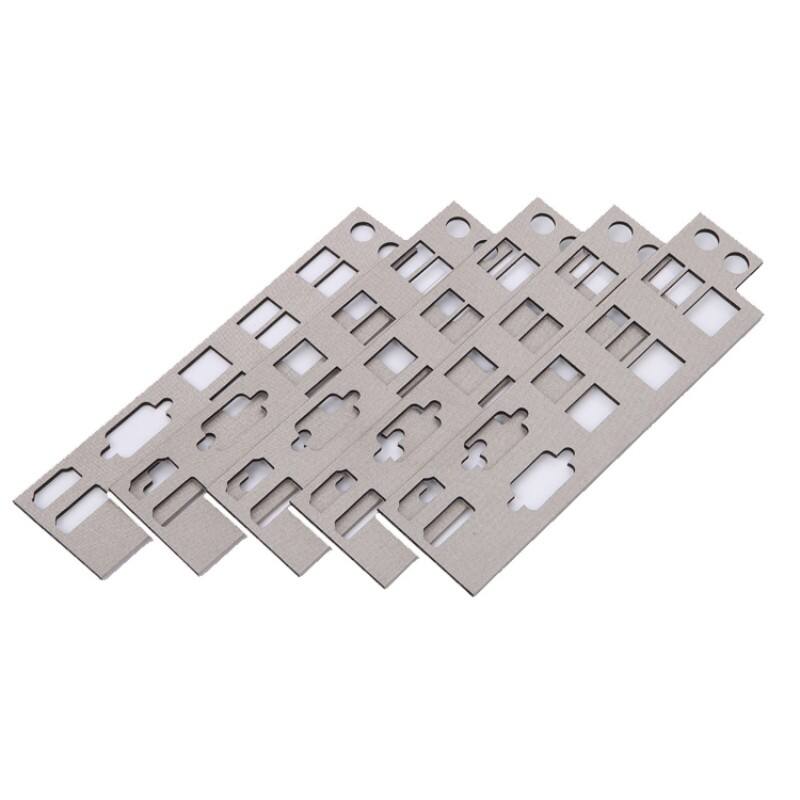
The installation simplicity of thermally conductive foam revolutionizes thermal management implementation by eliminating complex application procedures and specialized equipment requirements associated with traditional thermal interface materials. Unlike liquid thermal compounds that demand precise dispensing systems, controlled environments, and curing processes, thermally conductive foam arrives ready for immediate installation in pre-cut shapes or sheets that can be easily customized on-site. This ready-to-use characteristic dramatically reduces assembly time and eliminates the risk of application errors that commonly occur with liquid materials, such as insufficient coverage, air bubble entrapment, or contamination during application. The material requires no mixing, no curing time, and no specialized storage conditions, simplifying logistics and inventory management while reducing total cost of ownership. Installation flexibility allows technicians to cut thermally conductive foam to precise dimensions using standard cutting tools, enabling custom fits for unique geometries without requiring expensive custom manufacturing or lengthy lead times. The foam's dimensional stability during cutting prevents the edge distortion and compression that can affect the fit of softer thermal interface materials. Multiple installation methods accommodate various assembly requirements, including pressure-sensitive adhesive backing for permanent installation, removable configurations for serviceable applications, and compression-fit options that require no additional fastening mechanisms. The forgiving nature of thermally conductive foam installation reduces training requirements and skill dependencies that typically affect liquid thermal compound application quality. Assembly line workers can achieve consistent results without extensive training or specialized equipment, improving manufacturing throughput and reducing quality control concerns. The material's immediate functionality upon installation eliminates production bottlenecks associated with curing processes and allows for immediate testing and quality verification. Maintenance-free operation distinguishes thermally conductive foam from thermal interface materials that require periodic replacement or reapplication. The foam maintains its thermal and mechanical properties indefinitely under normal operating conditions, eliminating scheduled maintenance interventions and reducing lifecycle costs. This maintenance-free characteristic proves particularly valuable in sealed systems, remote installations, and applications where maintenance access is difficult or expensive. The material's stability prevents the pump-out, dry-out, and migration issues that necessitate periodic maintenance of liquid thermal compounds, ensuring consistent thermal performance without human intervention.

Get a Free Quote

Our representative will contact you soon.
Email
Name
Company Name
Message
0/1000