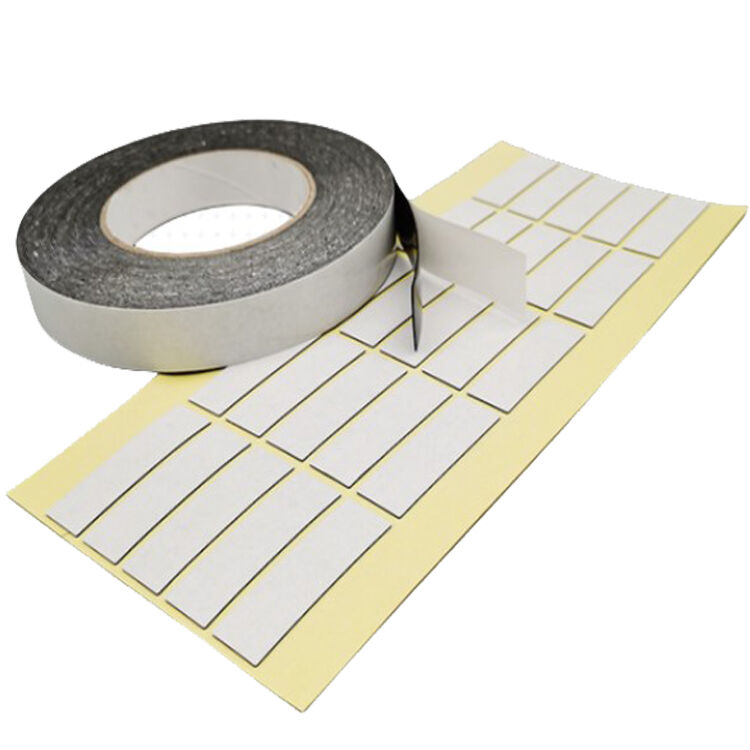
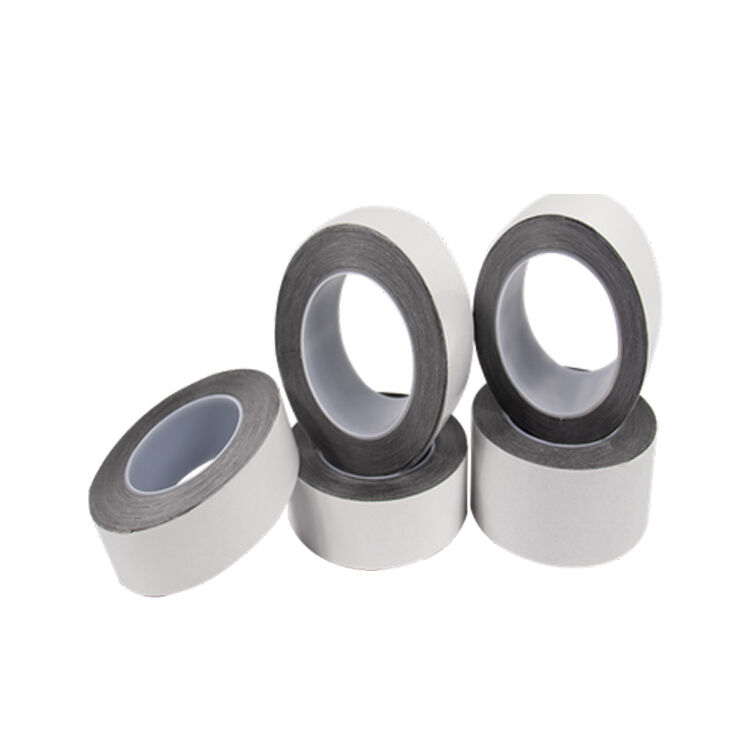
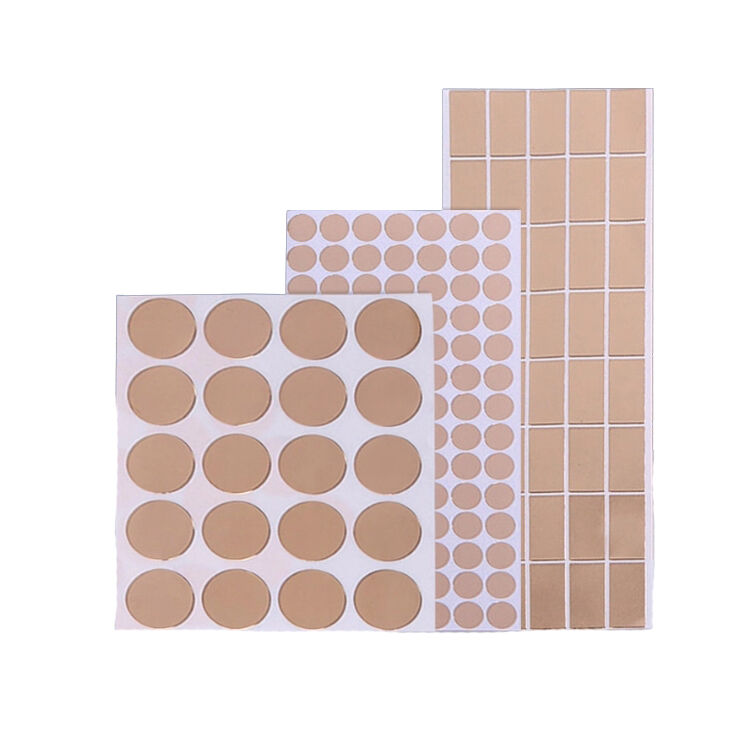
conductive foam sheet
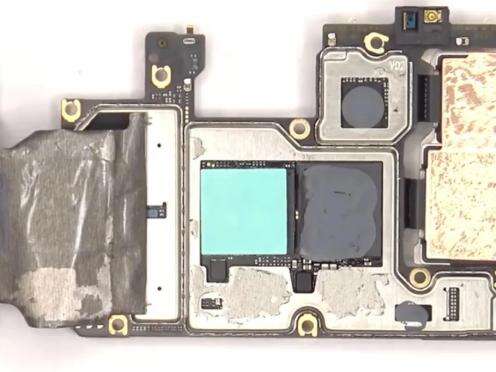
Conductive foam sheet represents a revolutionary advancement in electronic protection and packaging materials, combining the cushioning properties of traditional foam with specialized electrical conductivity characteristics. This innovative material is engineered using polyurethane or polyethylene foam infused with conductive additives such as carbon particles, metallic fibers, or conductive polymers. The primary function of conductive foam sheet involves providing electrostatic discharge (ESD) protection while maintaining superior shock absorption capabilities. The technological foundation of conductive foam sheet relies on its unique cellular structure that allows controlled electrical conductivity throughout the material matrix. Unlike standard foam materials, conductive foam sheet maintains consistent electrical properties across its entire surface, ensuring reliable performance in critical applications. The surface resistivity typically ranges from 10^3 to 10^6 ohms per square, making it ideal for static-sensitive electronic components. Manufacturing processes involve precise control of conductive additive distribution, foam density, and cell structure to achieve optimal performance characteristics. Applications span across electronics packaging, telecommunications equipment protection, automotive component storage, aerospace industry requirements, and medical device manufacturing. In semiconductor fabrication facilities, conductive foam sheet serves as essential protective packaging for sensitive microchips and circuit boards during transportation and storage phases. The automotive sector utilizes these materials for protecting electronic control modules, sensors, and communication systems from electrostatic damage. Aerospace applications include safeguarding avionics equipment, navigation systems, and satellite components throughout manufacturing and assembly processes. Medical device manufacturers rely on conductive foam sheet to protect sensitive diagnostic equipment, monitoring devices, and implantable electronics from static electricity. The material's versatility extends to custom fabrication capabilities, allowing manufacturers to create specialized shapes, thicknesses, and conductivity levels according to specific application requirements. Quality control measures ensure consistent performance standards, including conductivity testing, compression strength evaluation, and environmental resistance assessment across production batches.





 EN
EN