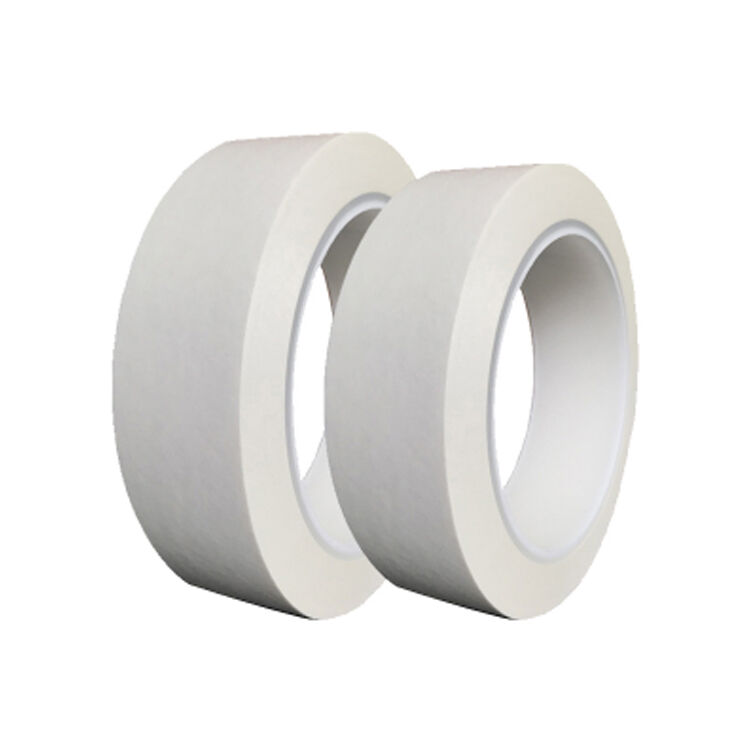
High-Performance Electrically Conductive Foam Tape - EMI Shielding & Grounding Solutions

All Categories

Get a Free Quote

Our representative will contact you soon.
Email
Name
Company Name
Message
0/1000

electrically conductive foam tape

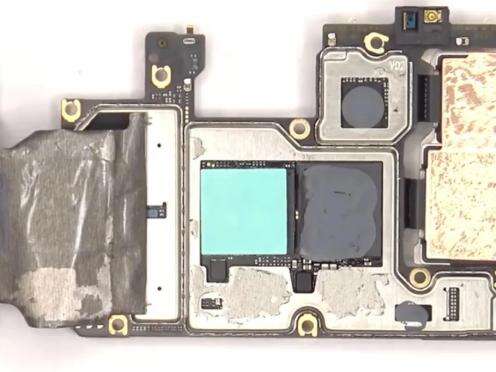
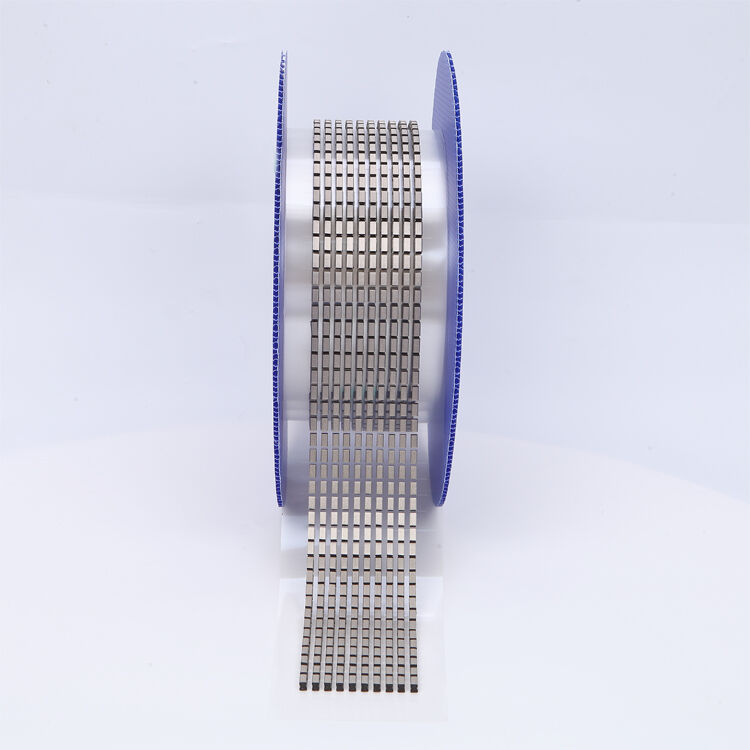
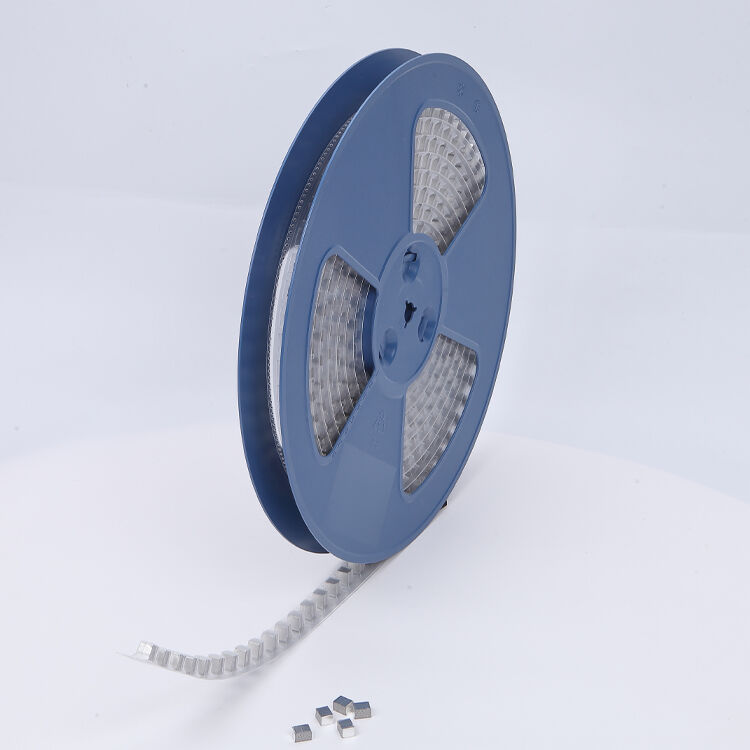
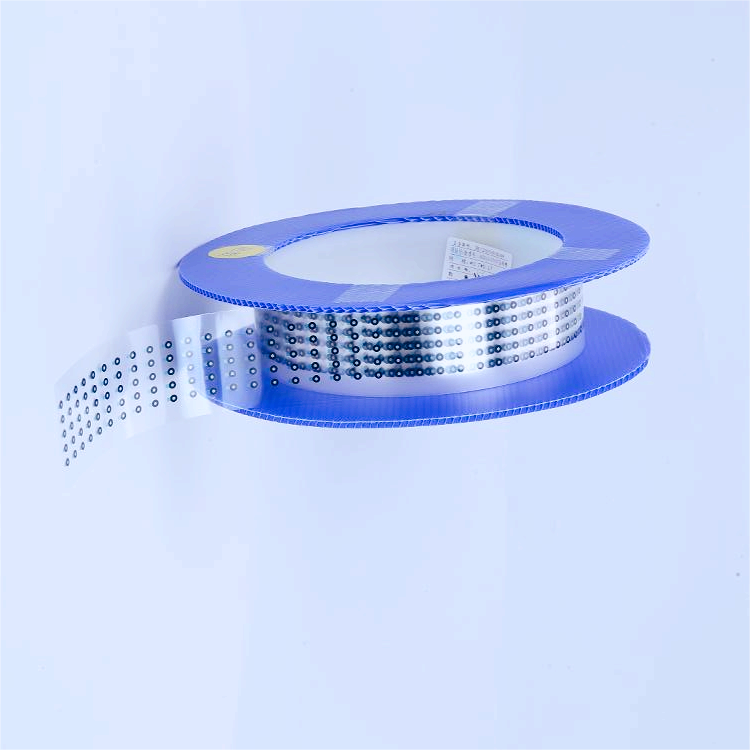
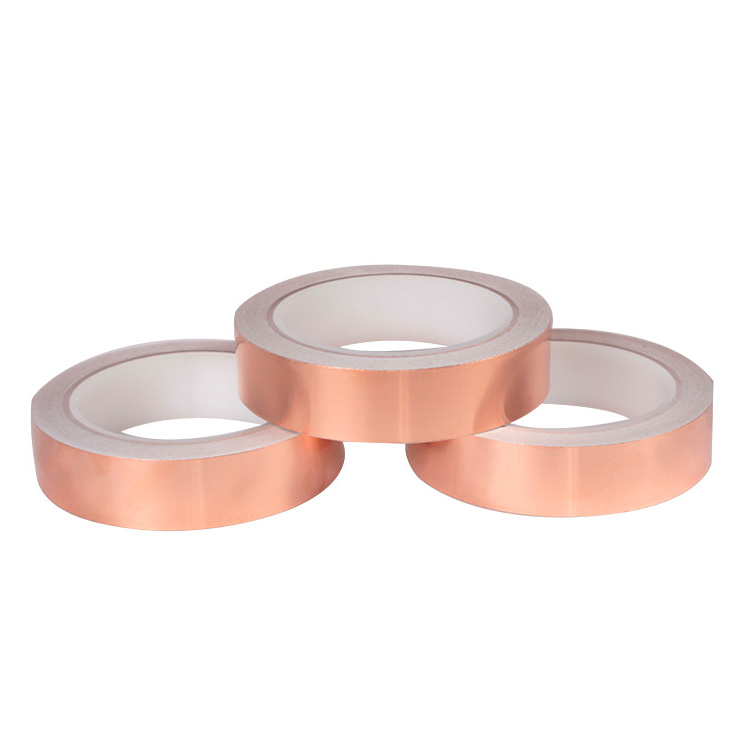
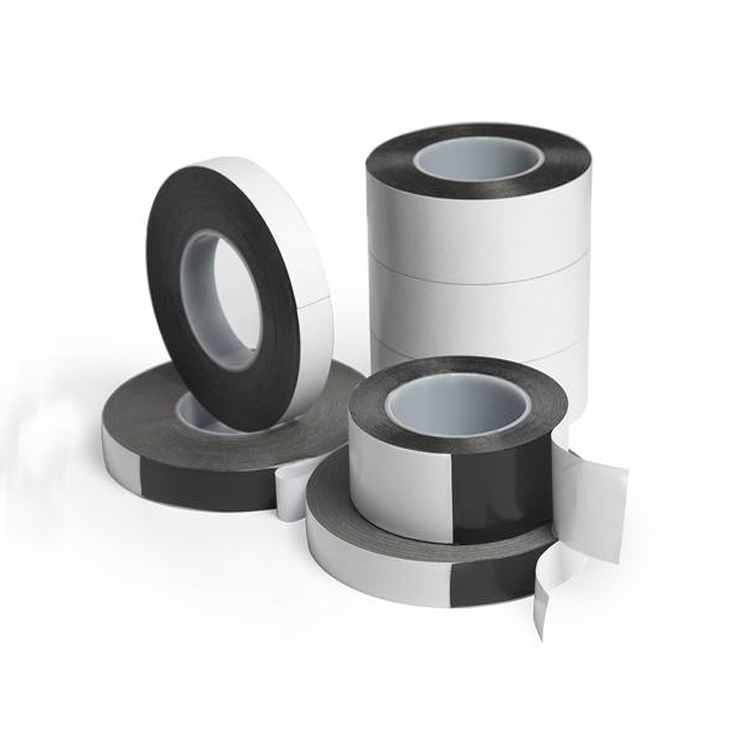
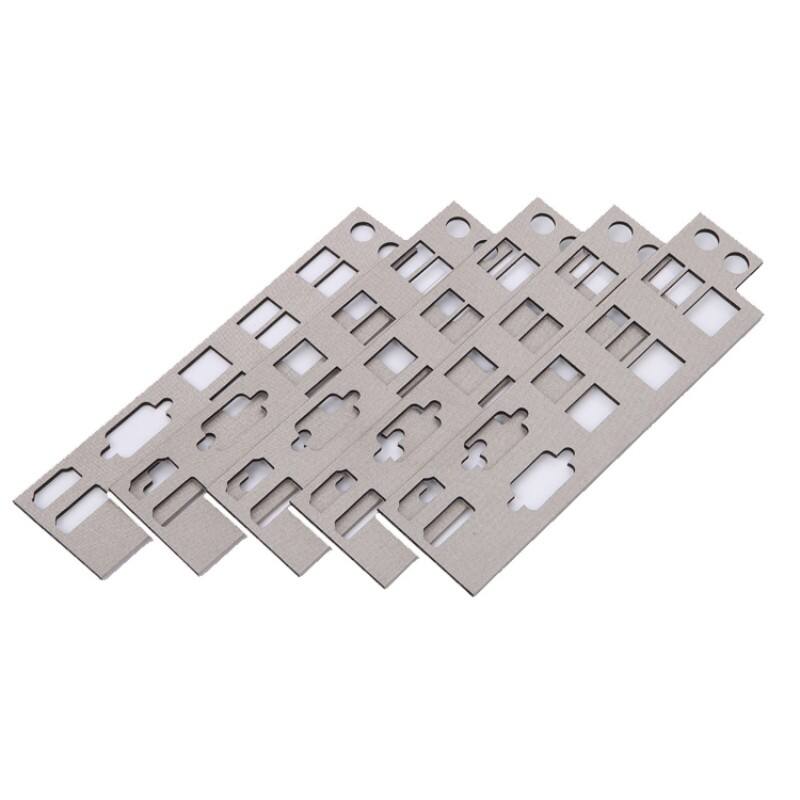
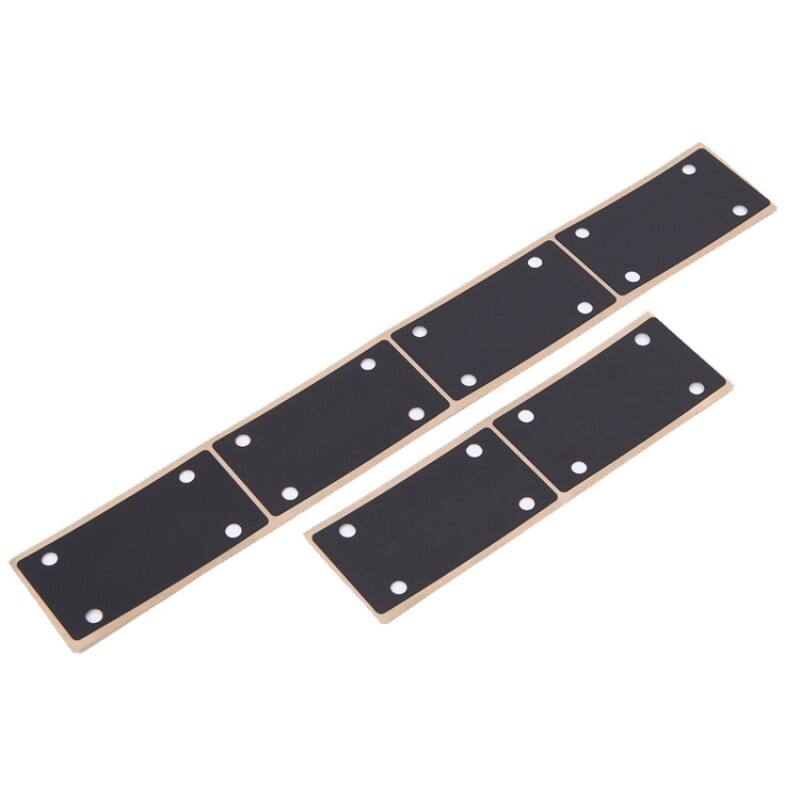
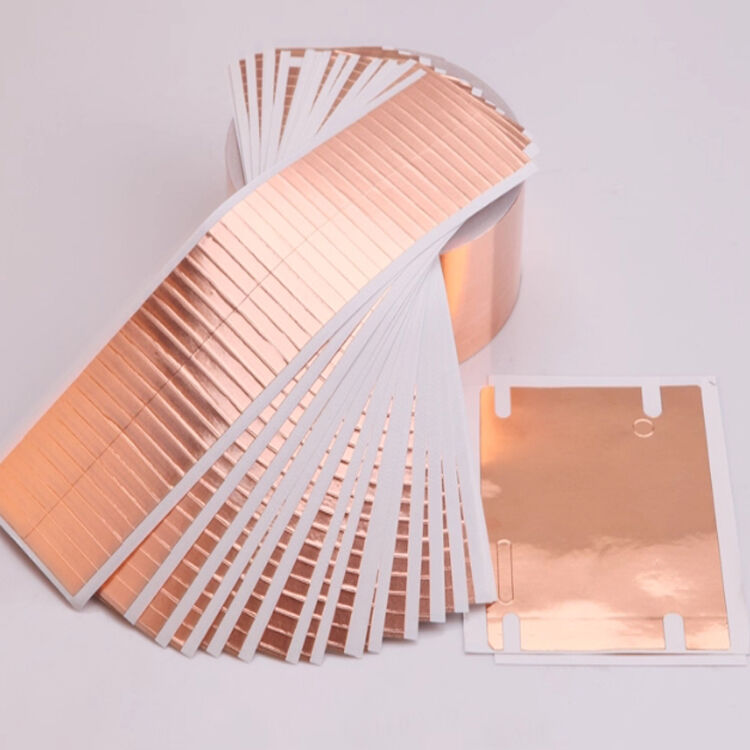
Electrically conductive foam tape represents a specialized adhesive solution designed to provide reliable electrical conductivity while maintaining the flexibility and cushioning properties of foam materials. This innovative product combines conductive particles or coatings with foam substrates to create a versatile tape that serves multiple critical functions in electronic applications. The primary purpose of electrically conductive foam tape centers on electromagnetic interference shielding, grounding applications, and creating conductive pathways between electronic components. The tape's foam base typically consists of polyurethane, polyethylene, or similar materials that offer compressibility and conformability to irregular surfaces. Conductive properties are achieved through various methods, including metallic particle infusion, conductive coatings, or specialized fabric layers that maintain electrical continuity across the tape's surface. Technological features of electrically conductive foam tape include controlled electrical resistance levels, typically ranging from milliohms to several ohms depending on the specific formulation. The material exhibits excellent compression recovery, allowing it to maintain consistent electrical contact even under varying pressure conditions. Temperature stability represents another crucial characteristic, with many formulations capable of operating effectively across wide temperature ranges while preserving their conductive properties. The tape's adhesive system provides strong bonding to various substrates including metals, plastics, and composites. Applications for electrically conductive foam tape span numerous industries and use cases. In electronics manufacturing, the tape serves as gaskets for EMI shielding enclosures, ensuring proper grounding between housing components. Telecommunications equipment utilizes these tapes for radio frequency interference suppression and signal integrity maintenance. Automotive electronics rely on electrically conductive foam tape for grounding connections and electromagnetic compatibility requirements. Medical device manufacturing incorporates these tapes for sensitive electronic shielding applications. The aerospace industry employs electrically conductive foam tape for avionics protection and lightning strike dissipation systems, where reliable electrical conductivity proves essential for safety and performance.

Popular Products

Electrically conductive foam tape offers numerous practical benefits that make it an essential component for modern electronic applications. The primary advantage lies in its dual functionality, combining electrical conductivity with mechanical cushioning properties. This unique combination eliminates the need for separate conductive and cushioning materials, reducing assembly complexity and overall component costs. Users appreciate the significant time savings during installation, as the tape's pressure-sensitive adhesive allows for quick application without requiring specialized tools or complex mounting procedures. The foam's compressible nature ensures consistent electrical contact even when surface irregularities exist, providing reliable performance where rigid conductive materials might fail. Cost-effectiveness represents another major advantage of electrically conductive foam tape. Traditional grounding methods often require mechanical fasteners, specialized conductive gaskets, or complex wiring assemblies. The tape eliminates these requirements, reducing both material costs and labor expenses. Manufacturing processes benefit from streamlined assembly procedures, as workers can apply the tape quickly without precise alignment or multiple installation steps. The material's conformability allows it to adapt to various surface contours, reducing the need for custom-machined parts or specialized fixtures. Versatility stands out as a key practical benefit, with electrically conductive foam tape suitable for diverse applications across multiple industries. The material performs effectively in both temporary and permanent installations, offering flexibility for prototyping, testing, and production environments. Its lightweight properties make it ideal for weight-sensitive applications, while its thin profile minimizes space requirements in compact electronic assemblies. The tape's resistance to environmental factors ensures reliable long-term performance, reducing maintenance requirements and replacement costs. Users benefit from improved product reliability, as the tape maintains consistent electrical properties throughout its service life. The material's shock-absorbing characteristics provide additional protection for sensitive electronic components, reducing the risk of damage from vibration or impact. Quality control becomes more manageable with electrically conductive foam tape, as its consistent manufacturing specifications eliminate variables associated with liquid conductives or mechanical connections. The tape's visual inspection capabilities allow for easy verification of proper installation, reducing quality assurance time and costs. Inventory management improves significantly, as single tape rolls can replace multiple specialized components, reducing storage requirements and simplifying procurement processes.

Tips And Tricks

Dragon Ascension: The Little Giants, Episode 12 | Zhuohan Materials: Pioneering Cutting-Edge Technologies, Making China's EMC Products Shine Among the World's Best

21

Nov

Dragon Ascension: The Little Giants, Episode 12 | Zhuohan Materials: Pioneering Cutting-Edge Technologies, Making China's EMC Products Shine Among the World's Best

View More
Shenzhen Johan Material Technology Co., Ltd. Has Obtained a Patent for Shielding Cover Structure for Circuit Boards

05

Dec

Shenzhen Johan Material Technology Co., Ltd. Has Obtained a Patent for Shielding Cover Structure for Circuit Boards

View More
New Product | Johan High Performance Aluminum Foil Tape, the Best Choice for Electromagnetic Shielding

05

Feb

New Product | Johan High Performance Aluminum Foil Tape, the Best Choice for Electromagnetic Shielding

View More
Unitedas One, Moving Forward Courageously ShenzhenJohanMaterial Technology Co., Ltd. 2026 Annual Ceremony and Awards Ceremony

05

Feb

Unitedas One, Moving Forward Courageously ShenzhenJohanMaterial Technology Co., Ltd. 2026 Annual Ceremony and Awards Ceremony

View More

Get a Free Quote

Our representative will contact you soon.
Email
Name
Company Name
Message
0/1000

electrically conductive foam tape

Superior EMI Shielding Performance with Flexible Installation

Superior EMI Shielding Performance with Flexible Installation

The electromagnetic interference shielding capability of electrically conductive foam tape stands as its most compelling feature, delivering exceptional protection for sensitive electronic equipment while maintaining installation flexibility that rigid alternatives cannot match. This advanced shielding performance stems from the tape's carefully engineered conductive matrix, which creates a continuous electrical pathway that effectively blocks electromagnetic radiation across a broad frequency spectrum. The foam substrate's compressible nature ensures complete surface contact, eliminating the gaps and discontinuities that commonly compromise shielding effectiveness in traditional rigid solutions. Professional engineers particularly value this tape's ability to maintain consistent shielding effectiveness even under dynamic conditions, such as thermal expansion, vibration, or mechanical stress. The material's conformability allows it to seal complex geometric shapes and irregular surfaces, areas where conventional EMI shielding materials often fail to provide adequate protection. Manufacturing facilities benefit significantly from the tape's user-friendly installation process, which requires no specialized training or complex procedures. Workers can apply electrically conductive foam tape quickly and accurately, even in confined spaces or difficult-to-access areas where traditional shielding methods prove impractical. The pressure-sensitive adhesive system ensures immediate bonding upon application, eliminating cure times or additional processing steps that slow production schedules. Quality assurance becomes more reliable with this tape, as visual inspection can easily verify proper installation and coverage. The material's consistent thickness and conductive properties eliminate performance variables that plague other EMI shielding solutions, resulting in more predictable and reliable electromagnetic protection. Long-term performance reliability represents another crucial advantage, as electrically conductive foam tape maintains its shielding effectiveness throughout extended service periods. Unlike metallic mesh or rigid shielding materials that may corrode, fatigue, or lose conductivity over time, the foam tape's stable composition ensures consistent electromagnetic protection. The material resists environmental factors such as humidity, temperature fluctuations, and chemical exposure that commonly degrade other shielding solutions. This durability translates to reduced maintenance costs and improved product reliability for end users, making electrically conductive foam tape an economical choice for critical EMI shielding applications across aerospace, telecommunications, medical device, and consumer electronics industries.

Exceptional Conformability and Surface Adaptation

Exceptional Conformability and Surface Adaptation

The remarkable conformability of electrically conductive foam tape represents a game-changing advantage that sets it apart from rigid conductive materials, enabling reliable electrical connections on irregular surfaces, around corners, and in complex geometric configurations where traditional solutions fail. This exceptional adaptability stems from the foam's cellular structure, which allows controlled compression and deformation while maintaining electrical continuity throughout the material. Engineers and designers particularly appreciate how this conformability solves challenging grounding and connectivity problems in space-constrained applications, where conventional conductive materials would require custom machining or complex mounting systems. The tape's ability to compress up to significant percentages of its original thickness while maintaining consistent electrical properties ensures reliable contact pressure across varying surface conditions. This characteristic proves invaluable in applications involving thermal expansion, where rigid conductive elements might lose contact or create stress concentrations that lead to connection failures. Manufacturing processes benefit tremendously from the tape's surface adaptation capabilities, as it eliminates the need for precision machining or surface preparation requirements typically associated with conductive gaskets or metallic contact systems. Production teams can apply electrically conductive foam tape to painted surfaces, textured materials, and even slightly contaminated substrates while maintaining reliable electrical performance. The material's tolerance for surface imperfections reduces quality control requirements and allows for more efficient manufacturing processes. The conformability advantage extends to field service and repair applications, where technicians often encounter existing installations with non-standard configurations or aged surfaces that would be incompatible with rigid conductive solutions. Electrically conductive foam tape adapts to these challenging conditions, providing effective electrical continuity without requiring extensive surface preparation or modification of existing structures. The tape's flexibility also accommodates movement and vibration in dynamic applications, maintaining electrical contact under conditions that would cause rigid connections to fail. This reliability in moving applications makes it particularly valuable for automotive, aerospace, and industrial equipment where mechanical stress and vibration are common operational conditions. The material's ability to maintain its conductive properties while conforming to complex shapes enables innovative design solutions that would be impossible with traditional conductive materials, opening new possibilities for compact, efficient electronic system architectures.
Cost-Effective Integration and Simplified Assembly Process

Cost-Effective Integration and Simplified Assembly Process

The economic advantages of electrically conductive foam tape extend far beyond its initial purchase price, delivering substantial cost savings through simplified assembly processes, reduced component count, and elimination of specialized installation equipment that traditional conductive connection methods typically require. Manufacturing operations particularly benefit from the tape's streamlined application process, which reduces assembly time by up to seventy percent compared to mechanical grounding systems or rigid conductive gaskets. This time reduction translates directly into labor cost savings and increased production throughput, making electrically conductive foam tape an economically attractive solution for high-volume manufacturing environments. The tape's pressure-sensitive adhesive eliminates the need for mechanical fasteners, specialized clamps, or complex mounting hardware that add both material costs and assembly complexity to traditional conductive connection systems. Production managers appreciate how this simplification reduces inventory requirements, as a single tape product can replace multiple specialized components including screws, washers, gaskets, and conductive grease or compounds. The elimination of mechanical fasteners also removes potential failure points and reduces the risk of galvanic corrosion that can occur when dissimilar metals contact each other in traditional grounding systems. Quality control processes become more efficient and reliable with electrically conductive foam tape, as the consistent manufacturing specifications eliminate variables associated with torque requirements, thread engagement, or surface preparation procedures. Inspection procedures simplify to basic visual verification of proper tape placement and adhesion, reducing quality assurance time and training requirements for production personnel. The material's immediate functionality upon application eliminates cure times or conditioning periods that delay production schedules in other conductive joining methods. Long-term ownership costs decrease significantly due to the tape's maintenance-free operation and resistance to environmental degradation that commonly affects mechanical connections. Field service requirements reduce substantially, as the tape maintains consistent performance without the periodic retightening, cleaning, or replacement procedures required by mechanical conductive connections. The material's resistance to vibration loosening, corrosion, and thermal cycling ensures reliable long-term performance that minimizes warranty claims and customer support requirements. Design engineering costs decrease through the tape's versatility, as engineers can specify a single solution for multiple applications rather than designing custom conductive connection systems for each specific requirement, accelerating product development cycles and reducing engineering overhead expenses.

Get a Free Quote

Our representative will contact you soon.
Email
Name
Company Name
Message
0/1000