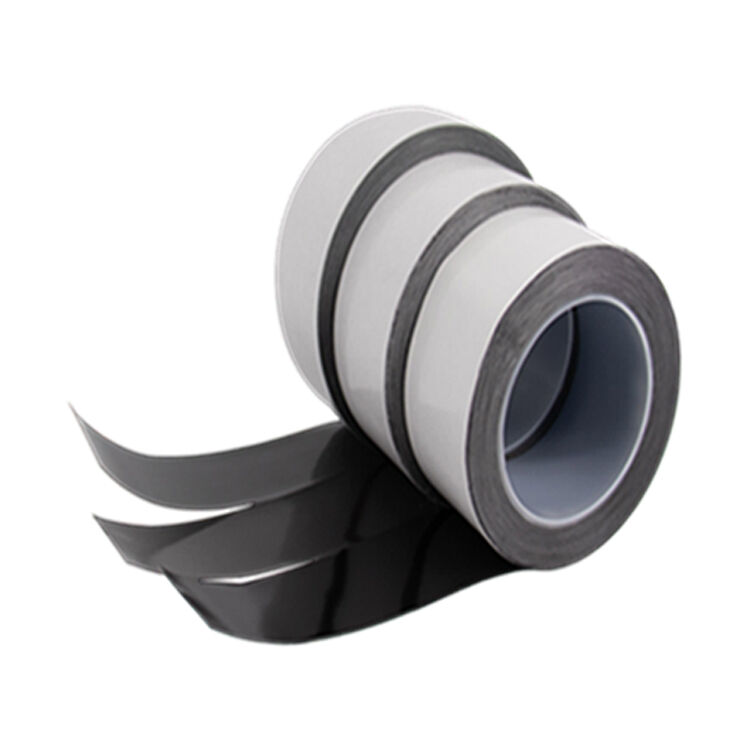
Premium Conductive Foam Solutions - EMI Shielding & ESD Protection Materials

All Categories

Get a Free Quote

Our representative will contact you soon.
Email
Name
Company Name
Message
0/1000

conductive foam

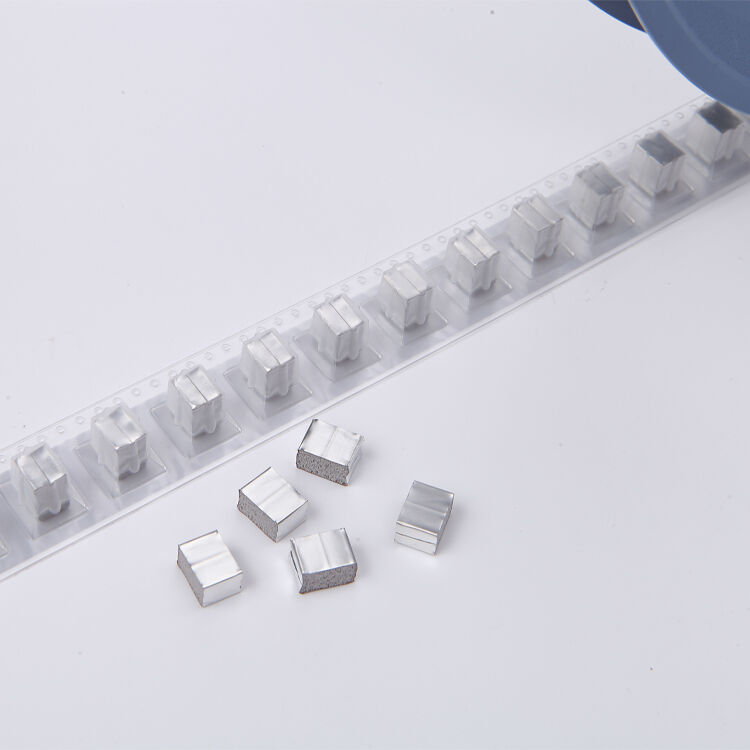
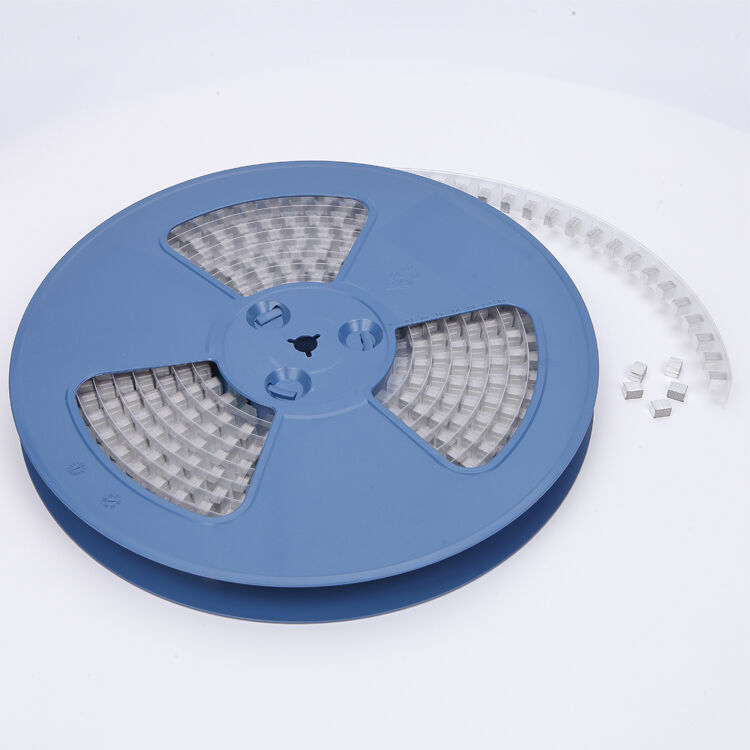
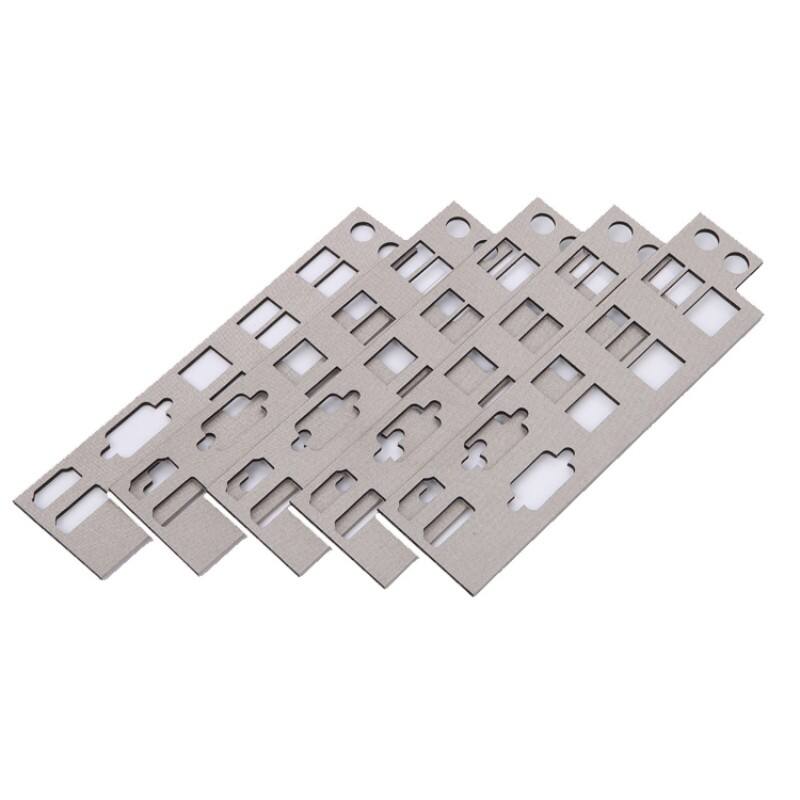
Conductive foam represents a revolutionary material engineering solution that combines the lightweight properties of traditional foam with advanced electrical conductivity capabilities. This specialized foam material incorporates conductive particles or coatings throughout its cellular structure, creating pathways for electrical current flow while maintaining the flexible and compressible characteristics that make foam materials so versatile. The primary function of conductive foam centers on electromagnetic interference (EMI) shielding, where it effectively blocks unwanted electromagnetic radiation from penetrating sensitive electronic components. Additionally, conductive foam serves as an electrostatic discharge (ESD) protection medium, safely dissipating static electricity that could otherwise damage delicate electronic circuits. The technological features of conductive foam include precise control over electrical resistance levels, typically ranging from 10^-3 to 10^6 ohms per square, allowing engineers to select the appropriate conductivity level for specific applications. The foam structure provides excellent compression and recovery properties, maintaining consistent electrical contact even under repeated mechanical stress. Modern conductive foam manufacturing utilizes various conductive materials including carbon black, metallic fibers, and conductive polymers, each offering distinct performance characteristics. The cellular structure can be engineered as either open-cell or closed-cell configurations, depending on environmental protection requirements. Applications for conductive foam span numerous industries, with electronics manufacturing representing the largest market segment. In this sector, conductive foam protects sensitive components during transport, storage, and assembly processes. Automotive electronics rely on conductive foam for EMI shielding in engine control units, navigation systems, and safety modules. Aerospace applications utilize conductive foam for lightning strike protection and electromagnetic compatibility in avionics systems. Medical device manufacturers incorporate conductive foam to ensure proper functioning of implantable devices and diagnostic equipment. Telecommunications infrastructure depends on conductive foam for signal integrity protection in base stations and network equipment. The material also finds extensive use in military and defense applications where electromagnetic signature management is critical.

New Products

The advantages of conductive foam deliver substantial practical benefits that directly impact operational efficiency and cost-effectiveness for businesses across multiple sectors. First and foremost, conductive foam provides superior EMI shielding effectiveness compared to traditional rigid shielding materials, offering attenuation levels exceeding 60 decibels across broad frequency ranges. This exceptional performance stems from the foam's ability to create multiple contact points with enclosed surfaces, eliminating gaps that typically compromise shielding integrity in conventional solutions. The lightweight nature of conductive foam reduces overall product weight significantly, which proves especially valuable in automotive and aerospace applications where every gram matters for fuel efficiency and payload capacity. Unlike heavy metallic shielding alternatives, conductive foam adds minimal weight while delivering comparable or superior electromagnetic protection. The compressible characteristics of conductive foam enable it to conform perfectly to irregular surfaces and maintain consistent electrical contact despite dimensional tolerances in manufacturing. This flexibility eliminates the need for precise machining or custom fitting procedures that increase production costs and complexity. Manufacturing processes benefit tremendously from the ease of handling and installation that conductive foam provides. Workers can cut, shape, and install the material using standard tools without specialized equipment or extensive training. This simplicity reduces labor costs and minimizes production delays compared to complex metallic shielding installations that require precise measurements and professional installation. Cost savings extend beyond initial material expenses, as conductive foam typically costs significantly less than equivalent metallic shielding solutions while offering superior performance in many applications. The material's durability ensures long-term reliability, withstanding repeated compression cycles without losing conductivity or structural integrity. Environmental resistance properties protect against moisture, chemicals, and temperature fluctuations that could compromise performance in demanding operating conditions. Maintenance requirements remain minimal throughout the product lifecycle, reducing ongoing operational expenses. The versatility of conductive foam allows engineers to address multiple design challenges simultaneously, serving as EMI shielding, gasket material, and vibration dampener in single applications. This multi-functional capability simplifies design requirements and reduces component count, streamlining assembly processes and improving overall system reliability.

Latest News

Dragon Ascension: The Little Giants, Episode 12 | Zhuohan Materials: Pioneering Cutting-Edge Technologies, Making China's EMC Products Shine Among the World's Best

21

Nov

Dragon Ascension: The Little Giants, Episode 12 | Zhuohan Materials: Pioneering Cutting-Edge Technologies, Making China's EMC Products Shine Among the World's Best

View More
Shenzhen New Horizon

21

Nov

Shenzhen New Horizon "Released and Broadcasted on Shenzhen Television - Shenzhen Johan Material Technology Co., Ltd

View More
New Product | Johan High Performance Aluminum Foil Tape, the Best Choice for Electromagnetic Shielding

05

Feb

New Product | Johan High Performance Aluminum Foil Tape, the Best Choice for Electromagnetic Shielding

View More
Unitedas One, Moving Forward Courageously ShenzhenJohanMaterial Technology Co., Ltd. 2026 Annual Ceremony and Awards Ceremony

05

Feb

Unitedas One, Moving Forward Courageously ShenzhenJohanMaterial Technology Co., Ltd. 2026 Annual Ceremony and Awards Ceremony

View More

Get a Free Quote

Our representative will contact you soon.
Email
Name
Company Name
Message
0/1000

conductive foam

Advanced EMI Shielding Performance

Advanced EMI Shielding Performance

The electromagnetic interference shielding capabilities of conductive foam represent a quantum leap forward in electronic protection technology, delivering industry-leading performance that surpasses traditional shielding methods in both effectiveness and practical application. The unique cellular structure of conductive foam creates an intricate network of conductive pathways that effectively capture and dissipate electromagnetic energy across an exceptionally broad frequency spectrum, from low-frequency power line interference to high-frequency digital signals and radio communications. This comprehensive protection ensures that sensitive electronic components remain isolated from external electromagnetic disturbances that could cause operational failures, data corruption, or performance degradation. The shielding effectiveness typically achieves attenuation levels exceeding 60 decibels, which translates to blocking more than 99.9% of incident electromagnetic energy. This level of protection proves essential in modern electronic devices where circuit density continues to increase and operating frequencies extend into gigahertz ranges. The conductive foam accomplishes this superior performance through multiple complementary mechanisms, including absorption of electromagnetic energy within the conductive matrix, reflection at the foam surface, and multiple internal reflections that further attenuate transmitted signals. Unlike rigid metallic shields that rely primarily on reflection, the foam structure provides both absorption and reflection characteristics, resulting in more effective overall shielding with reduced secondary radiation that could interfere with nearby circuits. The conformable nature of conductive foam ensures intimate contact with shielded surfaces, eliminating the air gaps and mechanical discontinuities that commonly compromise rigid shielding systems. This complete surface contact prevents electromagnetic leakage through joints, seams, and mounting points that represent weak links in conventional shielding approaches. Additionally, the material maintains consistent shielding performance across varying environmental conditions, including temperature fluctuations, humidity changes, and mechanical vibration that could affect rigid shielding systems. The multi-directional conductivity of properly engineered conductive foam provides omnidirectional protection, effectively shielding against electromagnetic interference regardless of incident angle or polarization.
Superior Flexibility and Conformability

Superior Flexibility and Conformability

The exceptional flexibility and conformability characteristics of conductive foam revolutionize electromagnetic shielding design by enabling protection solutions that were previously impossible with rigid materials. This remarkable adaptability allows the foam to compress, stretch, and conform to virtually any surface geometry while maintaining consistent electrical contact and shielding effectiveness throughout the range of motion. The elastic properties enable compression ratios exceeding 70% of original thickness without permanent deformation, ensuring reliable performance even in applications with significant dimensional variations or mechanical stress. This compression capability proves invaluable in electronic enclosure designs where gasket materials must accommodate manufacturing tolerances while providing reliable EMI sealing. The foam structure recovers completely from compression cycles, maintaining original dimensions and electrical properties through hundreds of thousands of compression cycles, which ensures long-term reliability in applications subject to thermal cycling, vibration, or repeated assembly operations. The conformable nature eliminates the need for precise surface preparation or custom machining that rigid shielding materials typically require, significantly reducing manufacturing costs and complexity. Engineers can apply conductive foam to curved surfaces, irregular geometries, and complex three-dimensional shapes that would be impossible to shield effectively using conventional approaches. This versatility opens new possibilities for product design, allowing engineers to optimize mechanical configurations without compromising electromagnetic protection requirements. The material readily accommodates design changes and modifications during development phases, providing flexibility that rigid solutions cannot match. Installation processes become dramatically simpler as the foam can be cut to size using standard tools and applied using adhesive backing or mechanical compression without specialized equipment or extensive training. This ease of installation reduces labor costs and minimizes the potential for installation errors that could compromise shielding performance. The foam material also serves multiple functions simultaneously, acting as electromagnetic shield, environmental gasket, and vibration dampener in single applications. This multi-functional capability simplifies overall design requirements and reduces component count, leading to more reliable and cost-effective solutions. The ability to engineer specific compression force requirements ensures optimal sealing pressure without over-stressing sensitive components or mounting structures.
Cost-Effective Long-Term Solution

Cost-Effective Long-Term Solution

Conductive foam delivers exceptional value as a cost-effective long-term solution that provides superior return on investment through reduced material costs, simplified installation procedures, and minimal maintenance requirements over extended operational lifespans. The initial cost advantage becomes immediately apparent when comparing conductive foam prices to equivalent metallic shielding solutions, with foam materials typically costing 30-50% less than comparable copper, aluminum, or specialized alloy alternatives. This cost differential becomes even more significant when considering the reduced machining, fabrication, and installation expenses associated with foam implementation. Unlike rigid metallic shields that often require precise cutting, forming, and welding operations performed by skilled technicians, conductive foam can be processed using standard manufacturing equipment and installed by general assembly personnel with minimal training. The material's forgiving nature accommodates dimensional variations and installation tolerances that would require expensive rework with rigid alternatives. Long-term operational benefits extend far beyond initial cost savings, as conductive foam demonstrates remarkable durability and stability over extended service periods. The material resists environmental degradation from moisture, chemicals, and temperature extremes that commonly affect metallic shielding systems through corrosion, oxidation, or thermal stress. This environmental resistance eliminates the need for protective coatings or treatments that add cost and complexity to metallic solutions. The elastic memory properties ensure consistent performance throughout the product lifecycle, maintaining compression seal integrity and electrical conductivity despite repeated mechanical cycling. Maintenance requirements remain virtually non-existent, as the foam material does not require periodic inspection, adjustment, or replacement that rigid gasket systems often demand. The self-healing properties of quality conductive foam allow minor mechanical damage to close automatically under compression, maintaining seal integrity without intervention. Manufacturing efficiency improvements contribute significantly to overall cost-effectiveness, as the foam material enables streamlined assembly processes with reduced handling steps and quality control requirements. The elimination of specialized tools, fixtures, and alignment procedures associated with rigid shielding installation reduces manufacturing equipment investment and floor space requirements. Additionally, the reduced weight of foam solutions decreases shipping costs and enables lighter overall product designs that provide competitive advantages in weight-sensitive applications while reducing material costs throughout the supply chain.

Get a Free Quote

Our representative will contact you soon.
Email
Name
Company Name
Message
0/1000