Premium Conductive Foam Tape Solutions - EMI Shielding & Electronic Protection

All Categories

Get a Free Quote

Our representative will contact you soon.
Email
Name
Company Name
Message
0/1000

conductive foam tape

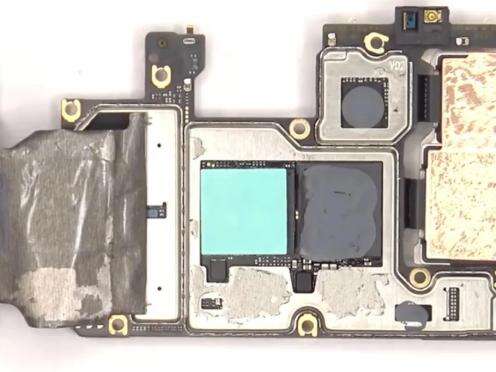
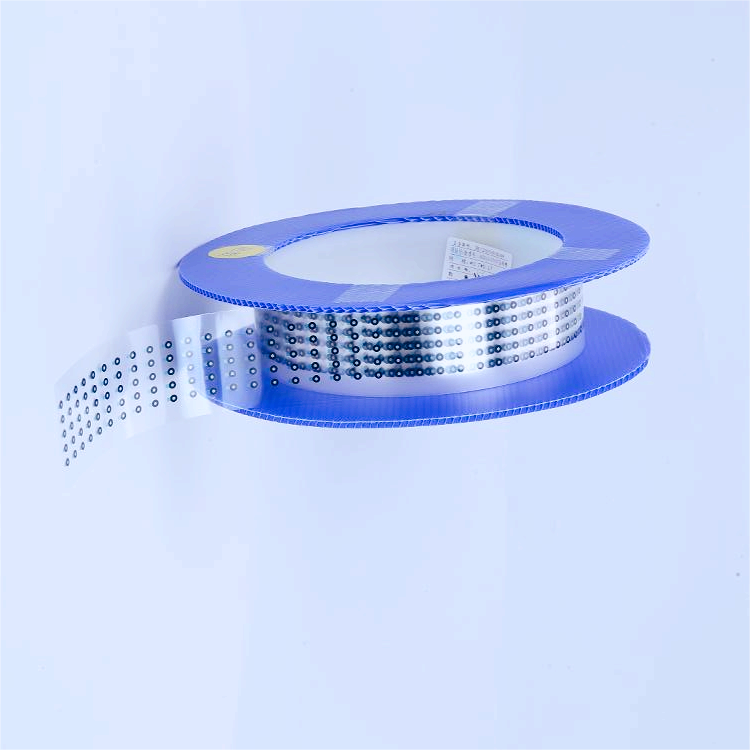
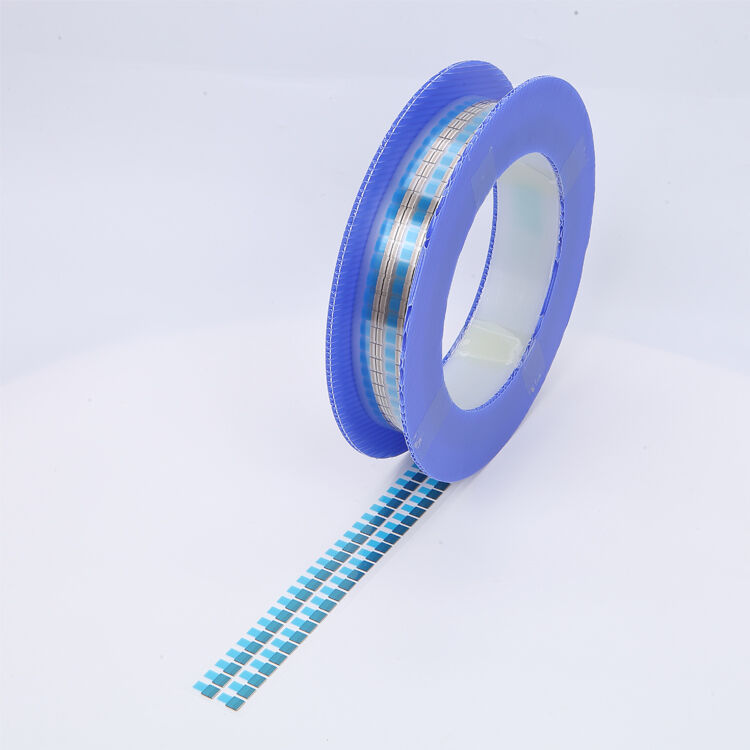
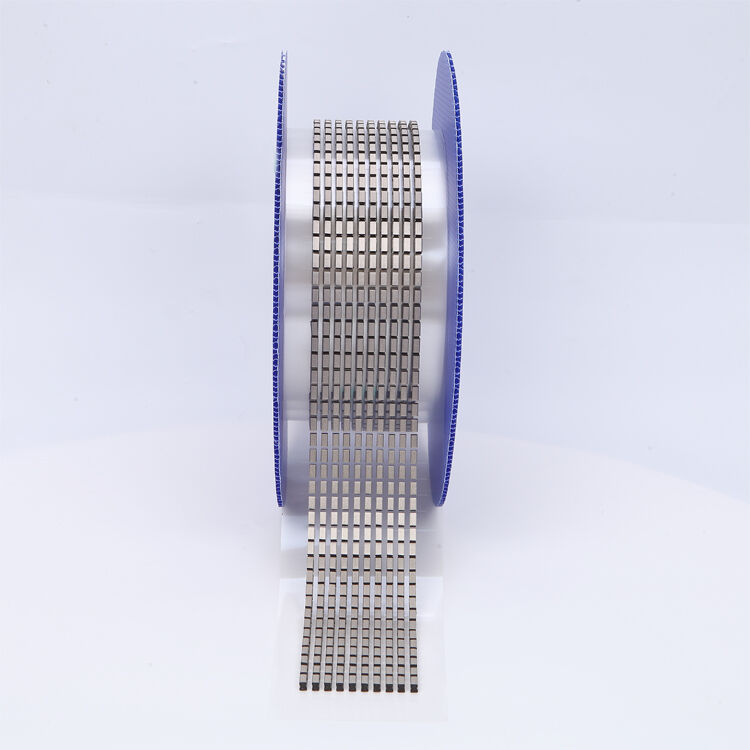
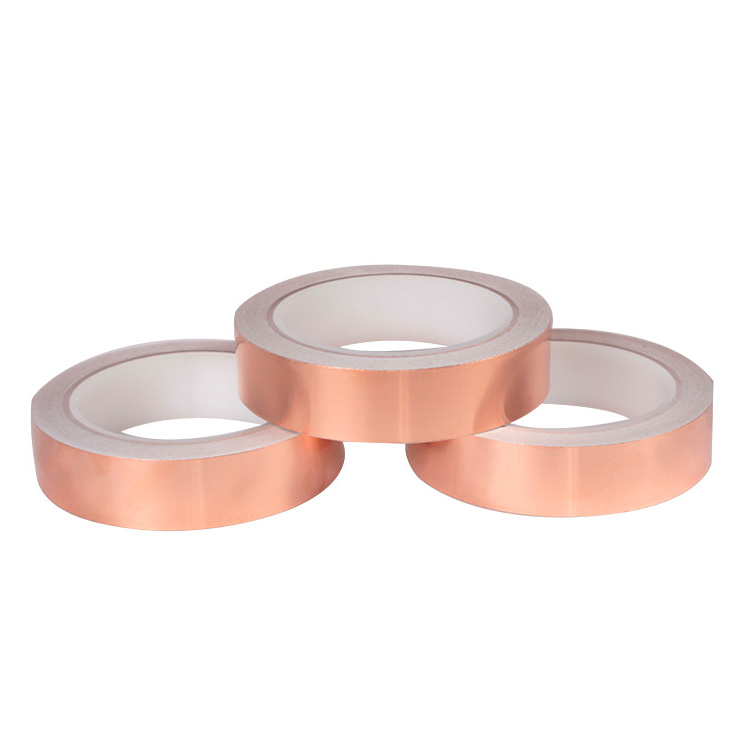
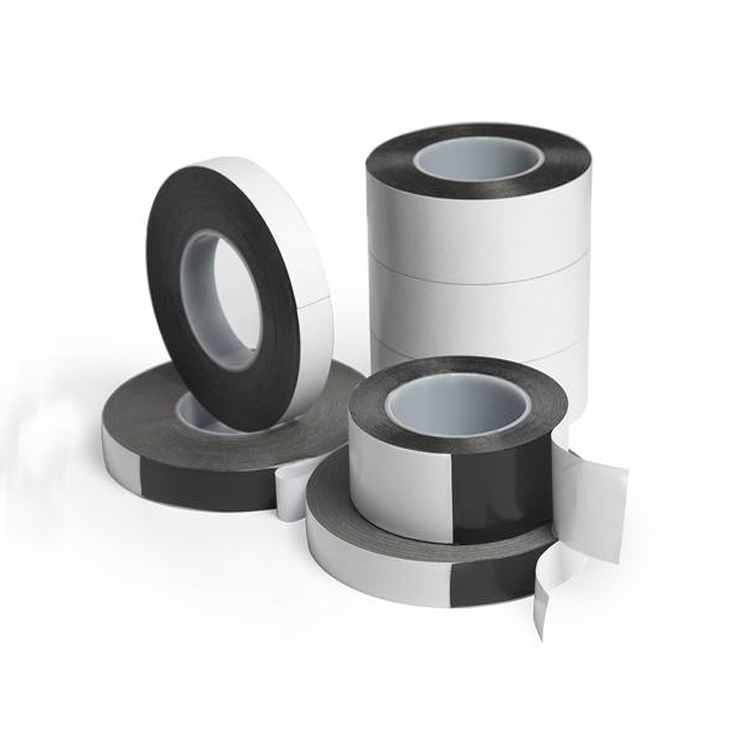
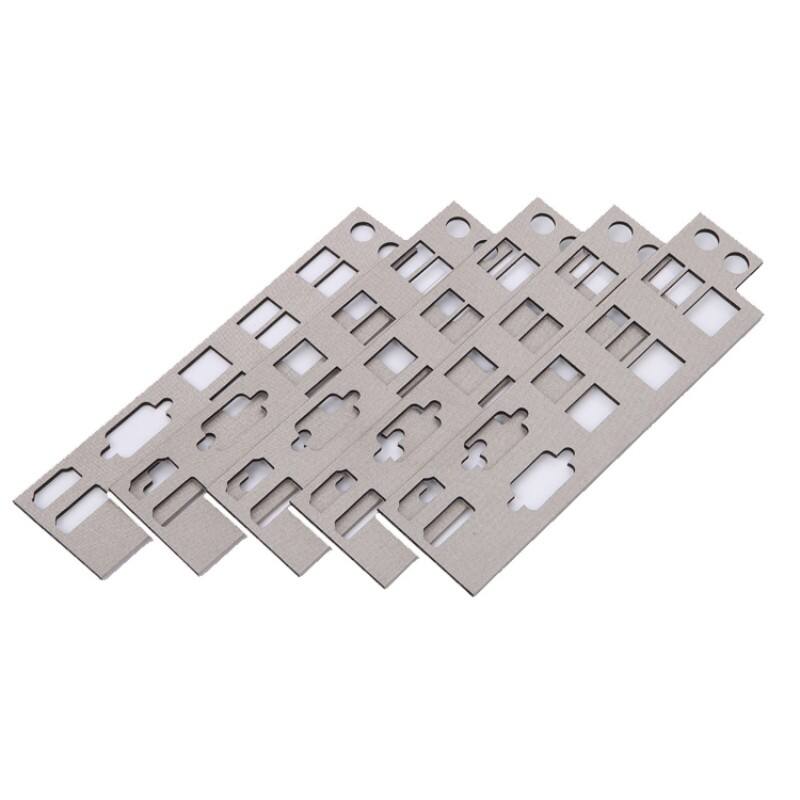
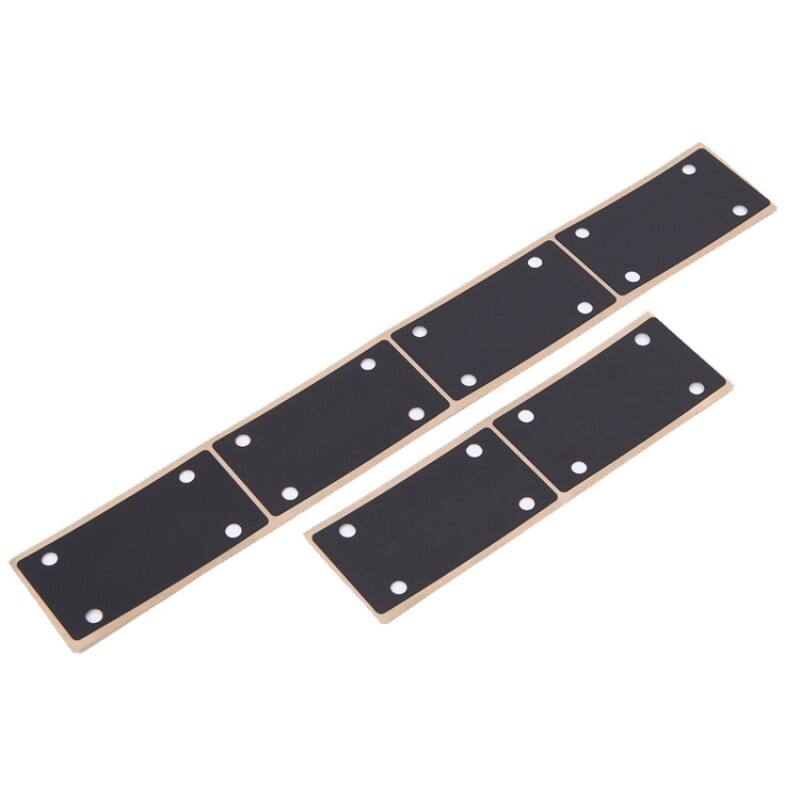
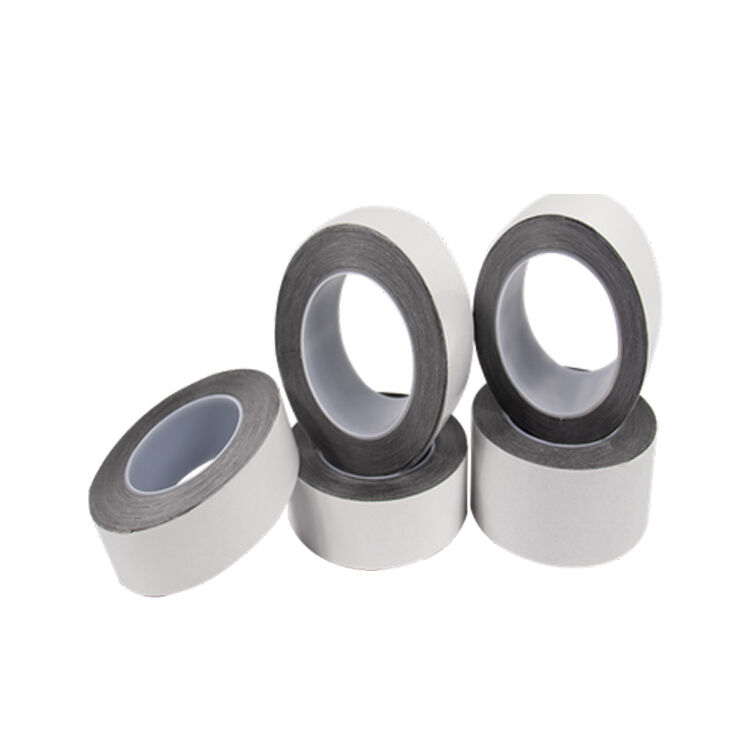
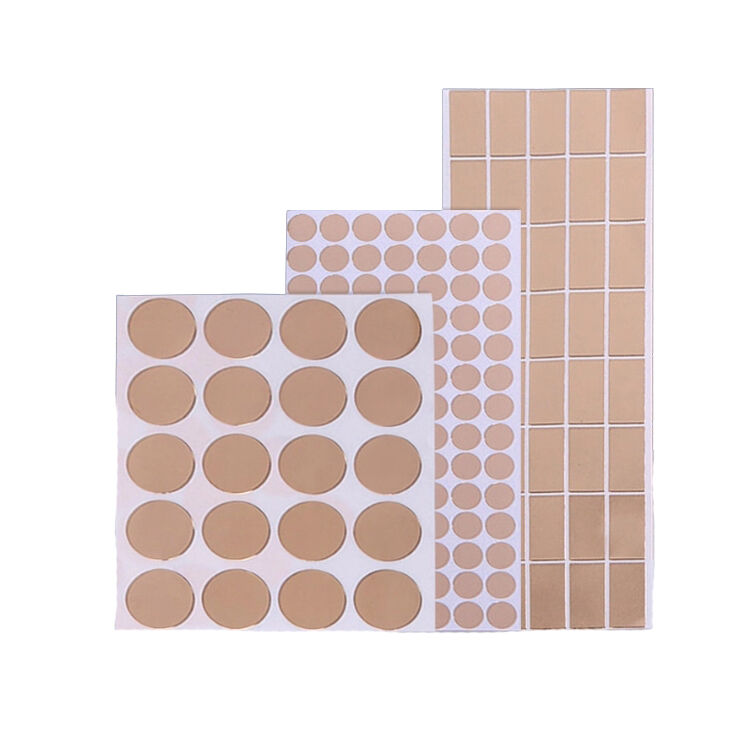
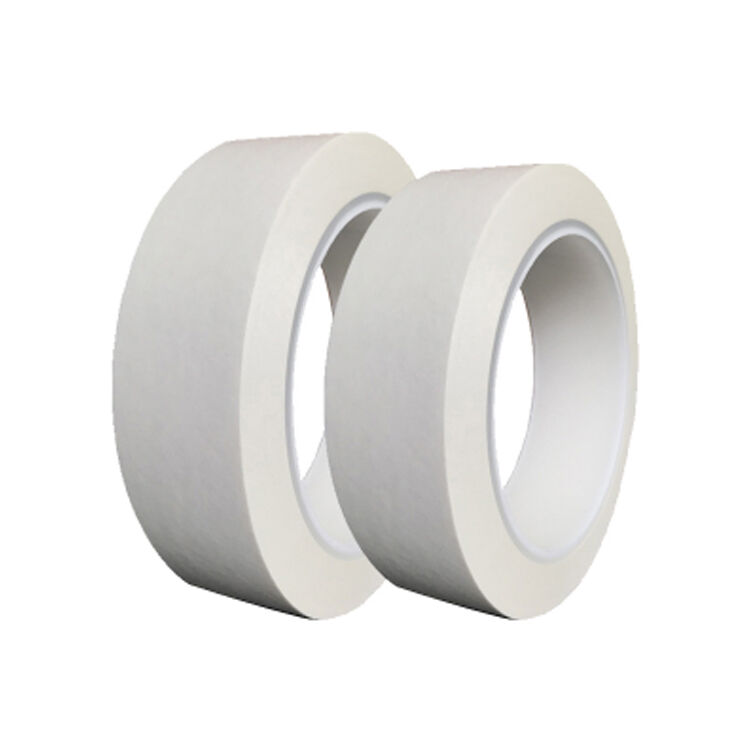
Conductive foam tape represents a revolutionary solution in electromagnetic interference (EMI) shielding and grounding applications across diverse industries. This specialized tape combines the flexibility of foam with metallic conductive properties, creating an essential component for electronic device protection and signal integrity maintenance. The conductive foam tape consists of a foam core infused or coated with conductive materials such as copper, nickel, or silver, providing excellent electrical conductivity while maintaining the cushioning properties of traditional foam. The primary functions of conductive foam tape include EMI shielding, which prevents electromagnetic interference from disrupting sensitive electronic components, and providing reliable electrical grounding pathways in complex assemblies. This tape serves as a critical barrier against radio frequency interference (RFI) and electromagnetic pulse (EMP) effects that can damage or impair electronic systems. Technological features of conductive foam tape include superior compression characteristics, allowing it to maintain electrical contact even under varying pressure conditions. The foam structure provides excellent conformability, enabling the tape to seal irregular surfaces and maintain consistent conductivity across joint interfaces. Advanced formulations offer temperature stability, chemical resistance, and long-term durability in harsh operating environments. The tape typically features pressure-sensitive adhesive backing, facilitating easy installation without specialized tools or extensive surface preparation. Applications span multiple sectors including aerospace, automotive electronics, telecommunications infrastructure, medical devices, and consumer electronics manufacturing. In aerospace applications, conductive foam tape protects avionics systems from interference while providing lightweight shielding solutions. Automotive manufacturers utilize this tape in electric vehicle battery systems, engine control units, and advanced driver assistance systems. Telecommunications companies rely on conductive foam tape for base station equipment, fiber optic enclosures, and network hardware protection. The medical device industry employs conductive foam tape in MRI equipment, patient monitoring systems, and diagnostic instruments where electromagnetic compatibility is crucial for accurate operation and patient safety.

New Product Releases

Conductive foam tape delivers exceptional versatility that makes it superior to rigid shielding alternatives in numerous applications. The flexibility allows engineers to apply the tape around complex geometries, corners, and irregular surfaces where traditional metal shields cannot conform effectively. This adaptability reduces manufacturing complexity and eliminates the need for custom-formed metal components, resulting in significant cost savings during production. Installation becomes remarkably straightforward with conductive foam tape, requiring minimal training and no specialized equipment. Workers can simply peel and stick the tape into position, creating immediate EMI protection without welding, soldering, or mechanical fastening procedures. This ease of installation translates to reduced labor costs and faster assembly times in manufacturing environments. The pressure-sensitive adhesive backing ensures strong bonding to various substrates including metals, plastics, and composites, maintaining secure attachment throughout the product lifecycle. Weight reduction represents another compelling advantage of conductive foam tape compared to traditional metal shielding solutions. The lightweight foam construction significantly decreases overall product weight, which proves particularly valuable in aerospace and automotive applications where every gram affects fuel efficiency and performance. Despite the reduced weight, conductive foam tape maintains excellent shielding effectiveness across broad frequency ranges, meeting or exceeding industry standards for electromagnetic compatibility. Cost effectiveness emerges as a major benefit when considering total system expenses. Conductive foam tape eliminates tooling costs associated with custom metal shields, reduces inventory complexity by serving multiple applications, and minimizes waste through precise application control. The tape format allows users to apply exactly the required amount, preventing material waste common with pre-cut metal shields. Maintenance advantages include easy replacement and repair capabilities. When equipment requires servicing, technicians can remove and replace conductive foam tape sections without disrupting surrounding components or requiring specialized tools. This serviceability reduces downtime and maintenance costs throughout the product lifecycle. Environmental resistance properties ensure reliable performance across temperature extremes, humidity variations, and chemical exposure conditions. Quality conductive foam tape maintains conductivity and adhesion properties even after extended exposure to harsh environmental conditions, providing long-term reliability that reduces warranty concerns and field failures. The tape also offers excellent vibration dampening characteristics, protecting sensitive electronic connections from mechanical stress while maintaining electrical continuity.

Practical Tips

Shenzhen Johan Material Technology Co., Ltd. Has Obtained a Patent for Shielding Cover Structure for Circuit Boards

05

Dec

Shenzhen Johan Material Technology Co., Ltd. Has Obtained a Patent for Shielding Cover Structure for Circuit Boards

View More
Shenzhen New Horizon

21

Nov

Shenzhen New Horizon "Released and Broadcasted on Shenzhen Television - Shenzhen Johan Material Technology Co., Ltd

View More
New Product | Johan High Performance Aluminum Foil Tape, the Best Choice for Electromagnetic Shielding

05

Feb

New Product | Johan High Performance Aluminum Foil Tape, the Best Choice for Electromagnetic Shielding

View More
Unitedas One, Moving Forward Courageously ShenzhenJohanMaterial Technology Co., Ltd. 2026 Annual Ceremony and Awards Ceremony

05

Feb

Unitedas One, Moving Forward Courageously ShenzhenJohanMaterial Technology Co., Ltd. 2026 Annual Ceremony and Awards Ceremony

View More

Get a Free Quote

Our representative will contact you soon.
Email
Name
Company Name
Message
0/1000

conductive foam tape

Superior EMI Shielding Performance Across Multiple Frequency Ranges

Superior EMI Shielding Performance Across Multiple Frequency Ranges

Conductive foam tape excels in providing comprehensive electromagnetic interference protection across an extensive spectrum of frequencies, making it indispensable for modern electronic applications. The unique construction of conductive foam tape incorporates metallic particles or coatings that create a continuous conductive path, effectively blocking electromagnetic waves from penetrating sensitive electronic circuits. This shielding capability extends from low-frequency applications in power systems up to high-frequency ranges encountered in wireless communications and radar systems. The foam substrate allows the conductive foam tape to maintain consistent contact pressure against mating surfaces, ensuring optimal shielding effectiveness even when components experience thermal expansion, vibration, or mechanical stress. Unlike rigid metal shields that may develop gaps due to manufacturing tolerances or thermal cycling, conductive foam tape adapts to surface irregularities and maintains continuous electrical contact. Testing demonstrates that quality conductive foam tape can achieve shielding effectiveness levels exceeding 80 dB across critical frequency ranges, surpassing many traditional shielding methods. The multi-layered protection mechanism works by reflecting, absorbing, and dissipating electromagnetic energy before it reaches protected circuits. Surface reflection occurs when electromagnetic waves encounter the conductive outer layer, while absorption happens as residual energy passes through the foam matrix. This dual-action approach provides superior protection compared to single-mechanism solutions. Engineers particularly value conductive foam tape for applications requiring broadband EMI protection, such as medical imaging equipment, aerospace avionics, and telecommunications infrastructure. The tape's ability to maintain shielding integrity across temperature variations and mechanical stress makes it ideal for mobile applications and outdoor installations where traditional shields might fail. Additionally, the conformable nature of conductive foam tape enables effective sealing of panel joints, cable entry points, and equipment enclosures where electromagnetic leakage commonly occurs. Quality assurance testing protocols verify that conductive foam tape maintains consistent shielding performance throughout its operational lifetime, providing reliability that critical systems demand for proper function.
Exceptional Conformability and Installation Flexibility for Complex Geometries

Exceptional Conformability and Installation Flexibility for Complex Geometries

The outstanding conformability of conductive foam tape revolutionizes how engineers approach EMI shielding in applications involving complex shapes, tight spaces, and irregular surfaces. Traditional rigid shielding materials often require expensive custom fabrication or multiple components to achieve proper coverage, while conductive foam tape adapts effortlessly to three-dimensional contours and challenging installation environments. The foam substrate compresses uniformly under pressure, allowing the conductive foam tape to follow curved surfaces, fill gaps, and maintain electrical contact across varying surface heights. This flexibility proves invaluable in applications such as automotive electronics, where space constraints and aerodynamic considerations create complex housing geometries that demand innovative shielding solutions. Manufacturing engineers appreciate how conductive foam tape eliminates the need for precise dimensional control typically required with rigid shields. The tape accommodates manufacturing tolerances, assembly variations, and thermal expansion without compromising shielding effectiveness or mechanical integrity. Installation teams can apply conductive foam tape directly from rolls, cutting to exact lengths needed for specific applications, which reduces waste and inventory management complexity. The pressure-sensitive adhesive backing bonds securely to diverse substrate materials including aluminum, steel, plastics, and composite materials, creating reliable long-term attachment without additional fasteners or adhesives. Field service advantages become apparent when equipment requires maintenance or component replacement. Technicians can easily remove and reapply conductive foam tape sections without damaging surrounding components or requiring specialized removal tools. This serviceability feature reduces maintenance time and costs while ensuring continued EMI protection after service procedures. Quality conductive foam tape maintains its conformability characteristics across wide temperature ranges, remaining flexible in cold conditions while resisting compression set in high-temperature environments. The cellular structure of the foam core provides controlled compression characteristics, allowing the tape to compress under installation pressure while maintaining sufficient thickness to bridge gaps and surface irregularities. Advanced formulations resist aging effects such as adhesive migration, foam degradation, and conductivity loss, ensuring reliable performance throughout extended service periods in demanding applications.
Cost-Effective Alternative to Traditional Metal Shielding Solutions

Cost-Effective Alternative to Traditional Metal Shielding Solutions

Conductive foam tape presents compelling economic advantages over conventional metal shielding approaches, delivering superior cost-effectiveness through reduced material costs, simplified manufacturing processes, and eliminated tooling requirements. Traditional EMI shielding often involves expensive custom metal fabrication, precision machining, and specialized fastening systems that significantly increase both initial costs and ongoing manufacturing complexity. In contrast, conductive foam tape provides equivalent or superior shielding performance at a fraction of the total system cost, making advanced EMI protection accessible for budget-conscious applications. The elimination of custom tooling represents a major cost advantage, as engineers can specify conductive foam tape for multiple applications without investing in expensive dies, fixtures, or forming equipment required for metal shields. This tooling independence allows rapid design iterations and product modifications without substantial capital investments, accelerating time-to-market for new products. Manufacturing cost reductions extend beyond material expenses to include labor savings from simplified assembly processes. Workers can apply conductive foam tape quickly without specialized training, welding equipment, or precision alignment procedures typical of metal shield installation. The peel-and-stick application method reduces assembly time, minimizes quality control requirements, and eliminates potential safety hazards associated with metal fabrication and installation. Inventory management benefits emerge from the versatile nature of conductive foam tape, as single tape products can serve multiple shielding applications across different product lines. This consolidation reduces inventory carrying costs, simplifies procurement procedures, and minimizes obsolete stock risks associated with application-specific metal shields. The tape format enables precise quantity control, allowing manufacturers to purchase exactly the amounts needed for production schedules without minimum order quantities typical of custom metal components. Long-term economic benefits include reduced warranty costs due to improved reliability and easier field service procedures. Conductive foam tape's resistance to corrosion, vibration fatigue, and environmental degradation translates to fewer field failures and service calls compared to traditional metal shields that may develop gaps, corrosion, or mechanical failures over time. The ability to perform field repairs using standard conductive foam tape reduces service inventory requirements and technician training costs, creating ongoing operational savings throughout product lifecycles. Return on investment calculations consistently demonstrate that conductive foam tape implementations pay for themselves through combined material, labor, and operational savings within typical product development timeframes.


Get a Free Quote

Our representative will contact you soon.
Email
Name
Company Name
Message
0/1000