Versatile Design Flexibility and Easy Integration
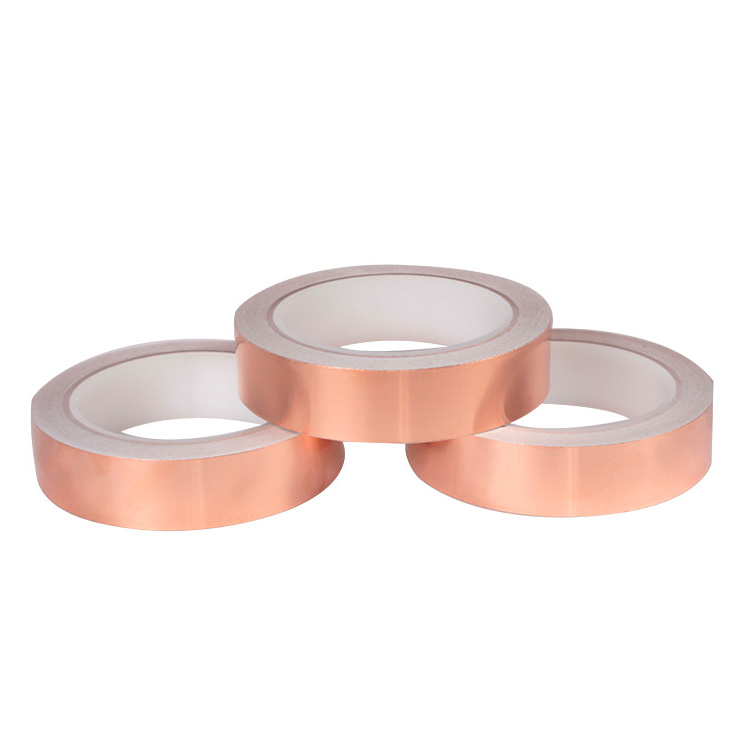
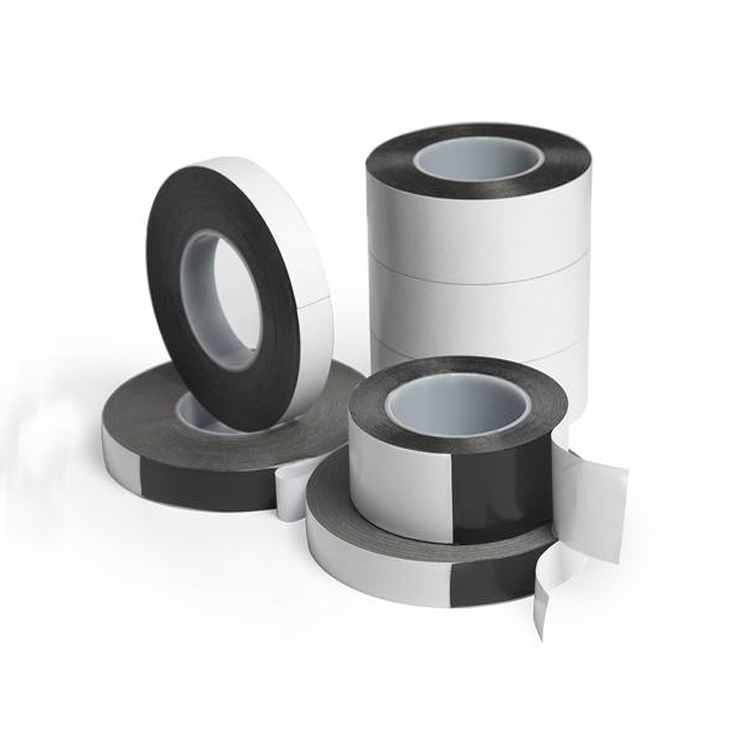
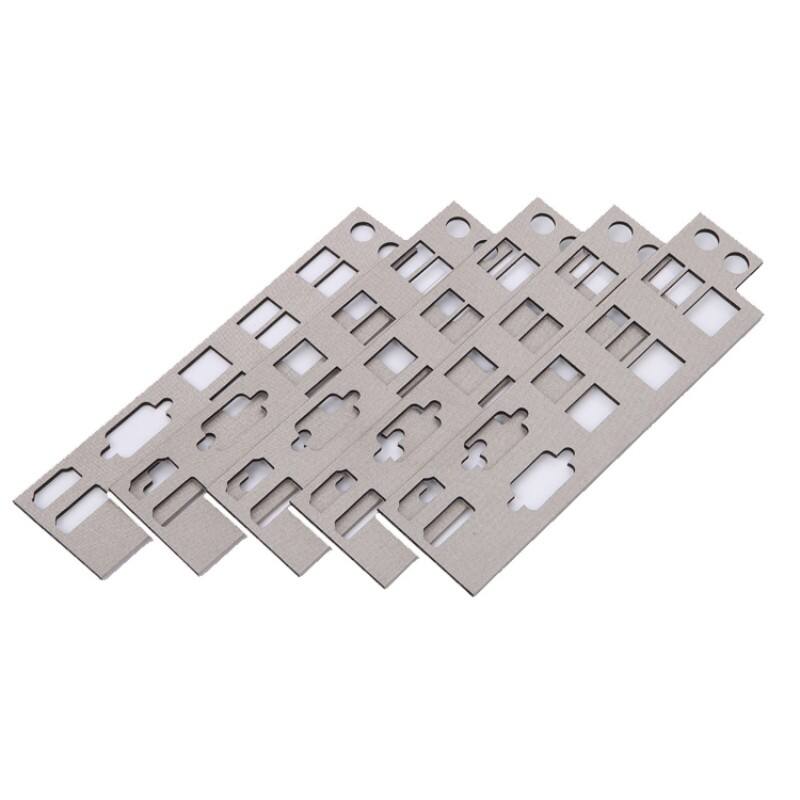
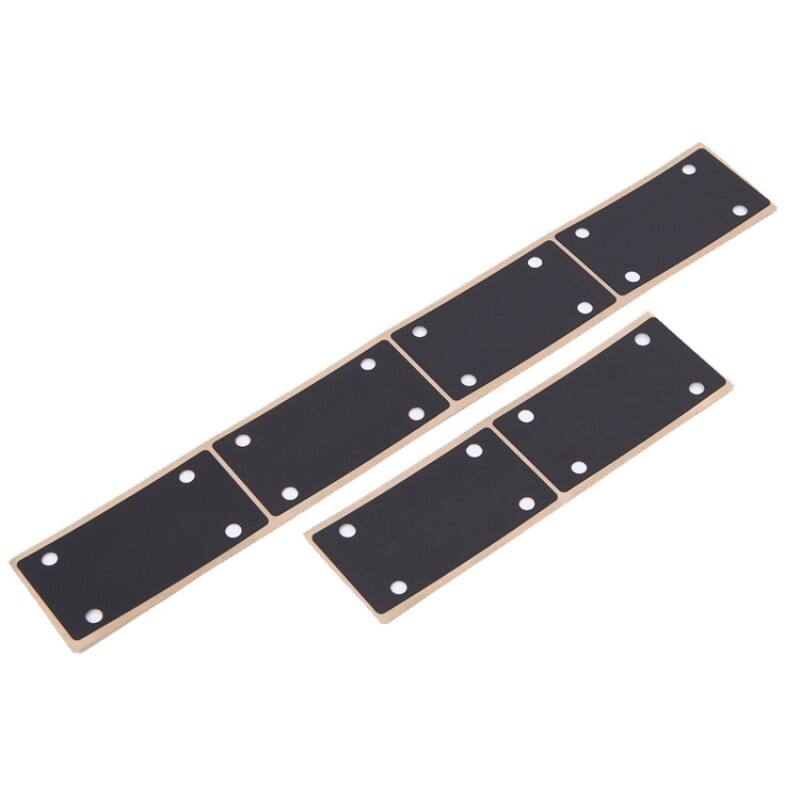
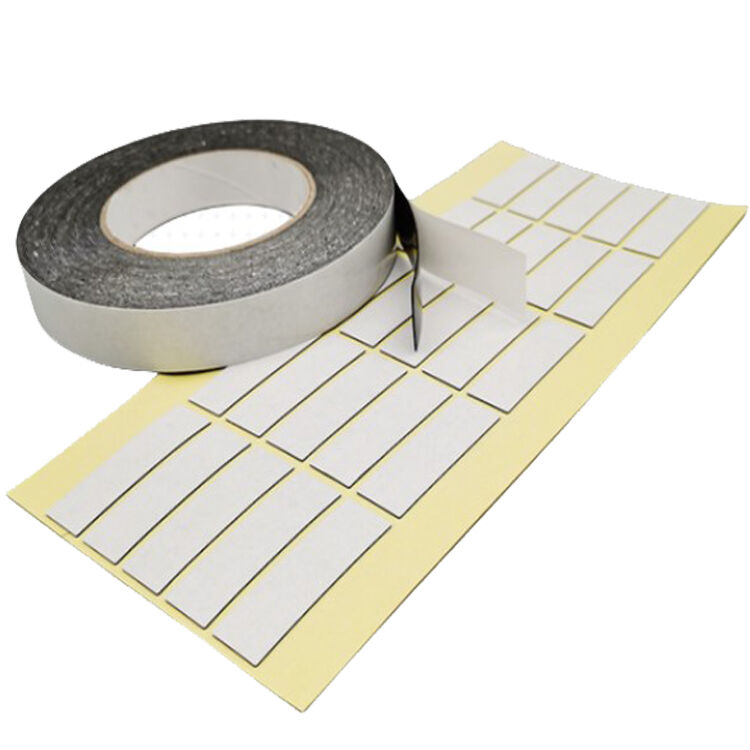
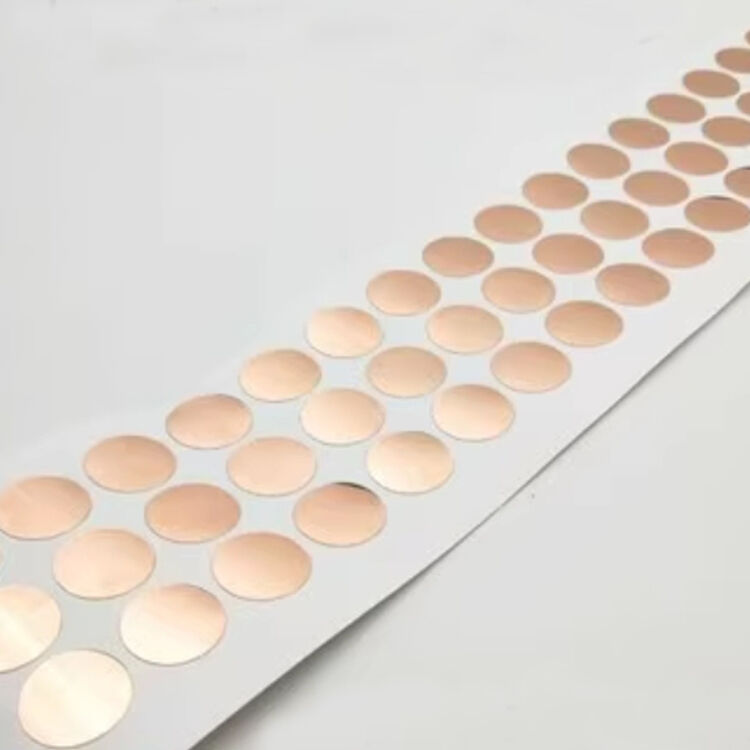
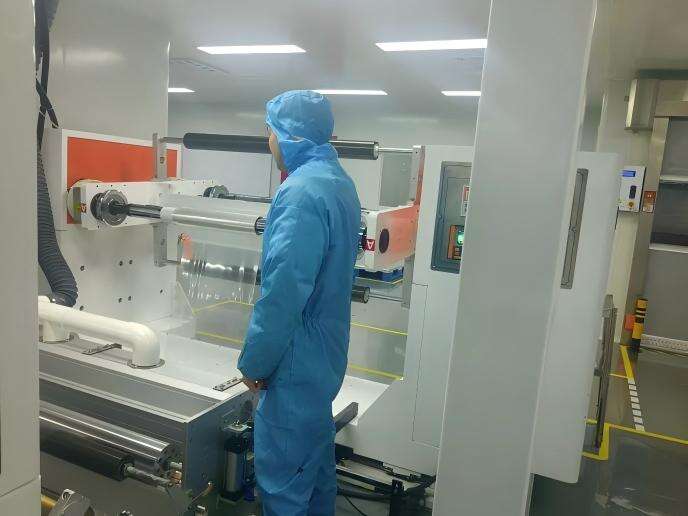
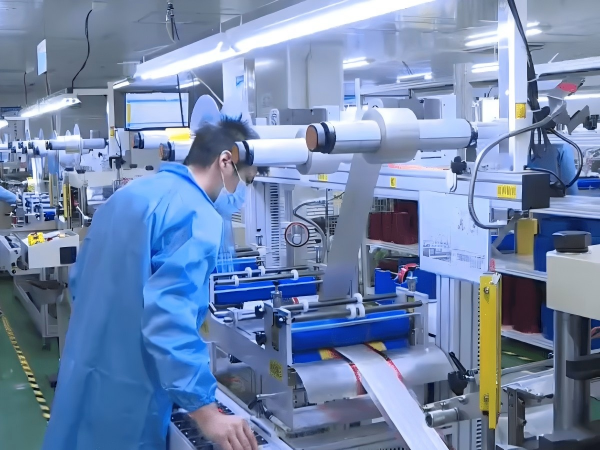
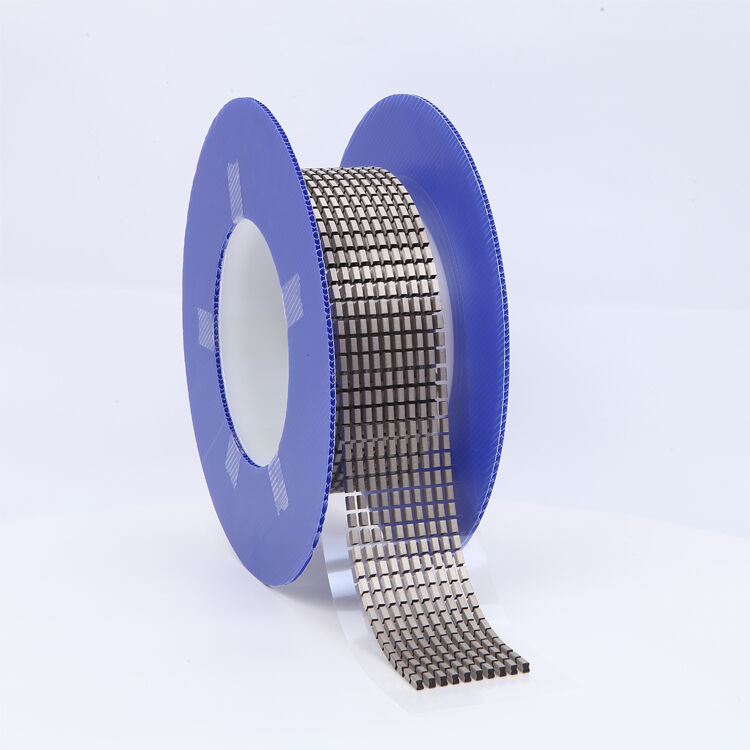
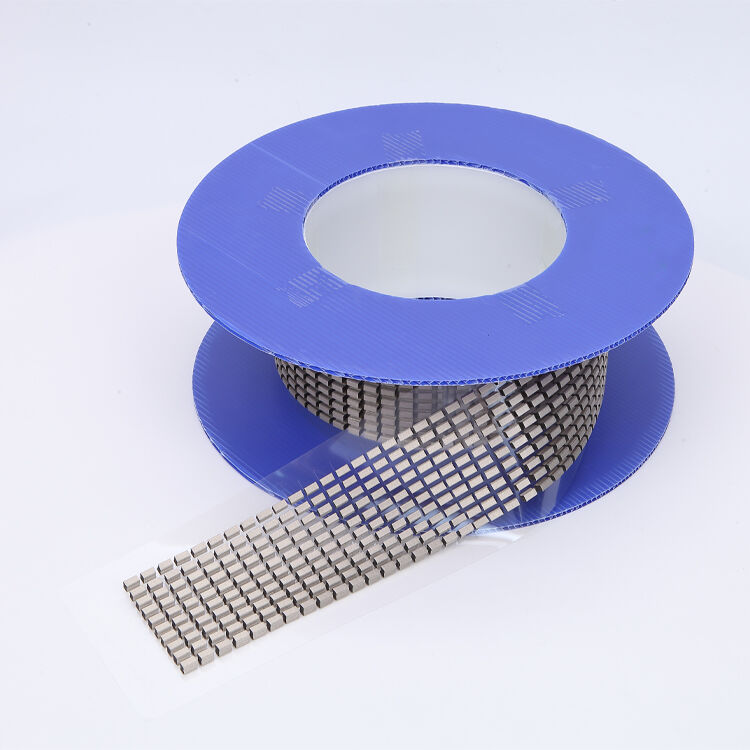
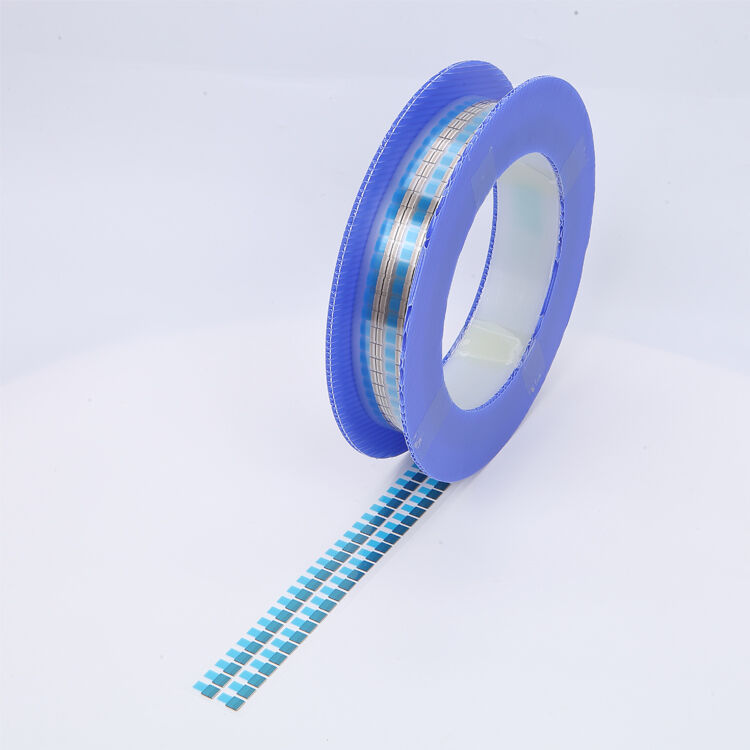
High density conductive foam offers unprecedented design flexibility that enables engineers to address complex electromagnetic shielding and grounding challenges across diverse applications. The material's inherent compressibility allows for accommodation of manufacturing tolerances, thermal expansion, and assembly variations without compromising electrical performance. This flexibility eliminates the need for precise machining tolerances typically required with rigid shielding materials, reducing manufacturing costs and complexity. Custom fabrication capabilities include die-cutting, waterjet cutting, kiss-cutting, and compression molding to create precise shapes and configurations tailored to specific application requirements. The foam can be manufactured with varying densities, thicknesses, and conductivity levels to optimize performance for particular electromagnetic threats or mechanical requirements. Adhesive-backed variants simplify installation by eliminating the need for mechanical fasteners or additional bonding agents, reducing assembly time and labor costs. The material integrates seamlessly with existing manufacturing processes, including automated assembly lines and high-volume production environments. Design engineers benefit from the foam's ability to serve multiple functions simultaneously, including EMI shielding, environmental sealing, and mechanical cushioning in a single material solution. This multi-functional capability reduces component count and system complexity while improving overall reliability. The material's lightweight properties contribute to weight reduction in portable and mobile applications, a critical consideration in aerospace, automotive, and handheld electronics. Prototyping advantages include the foam's ease of modification and testing, allowing rapid design iterations and validation cycles. The material accepts various surface treatments and coatings to enhance specific properties such as flame resistance, chemical compatibility, or aesthetic appearance. Compatibility with standard joining methods, including pressure-sensitive adhesives, thermal bonding, and mechanical fastening, provides assembly flexibility. Quality documentation and material traceability support regulatory compliance requirements in industries such as medical devices, automotive, and aerospace. This comprehensive design flexibility, combined with reliable electrical performance, makes high density conductive foam an indispensable material for modern electromagnetic compatibility solutions.



 EN
EN