conductive foam price
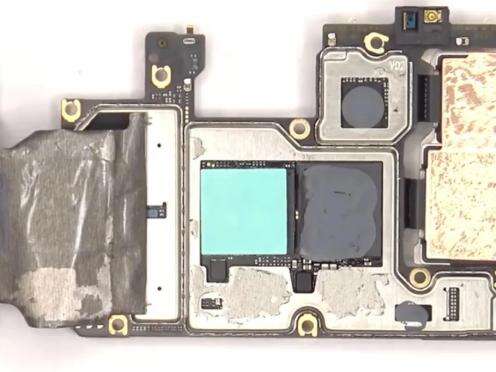
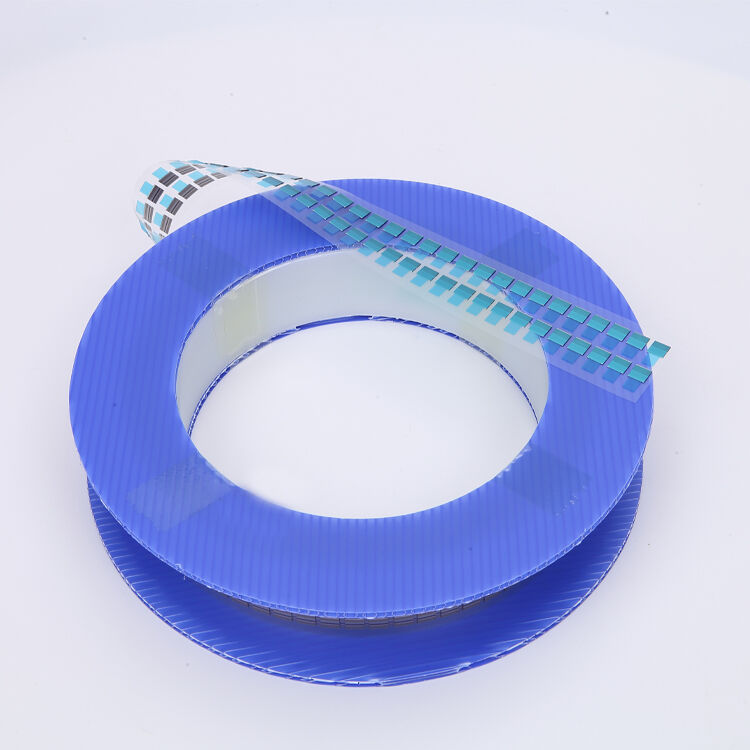
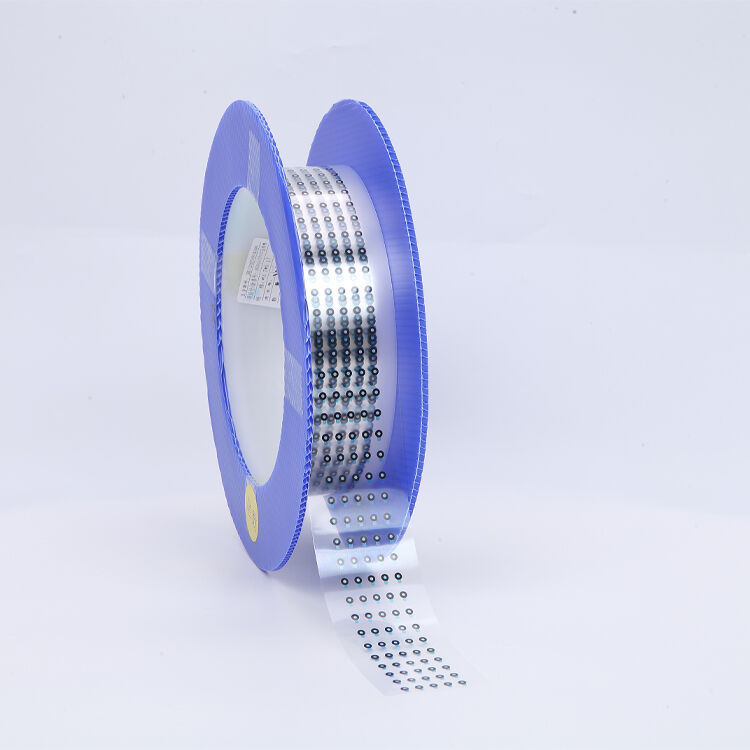
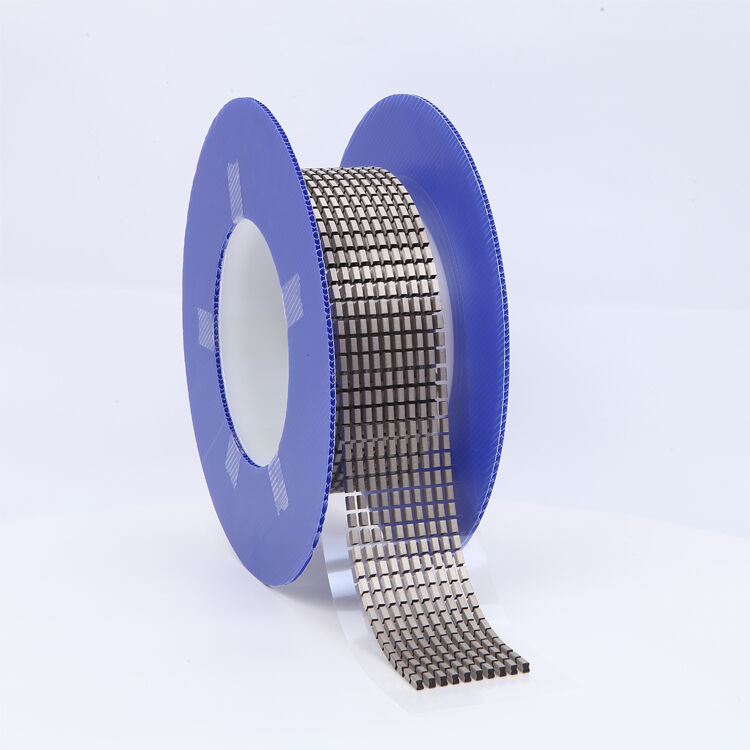
Conductive foam represents a specialized material solution that combines the protective qualities of traditional foam with essential electrical conductivity properties. Understanding conductive foam price factors becomes crucial for businesses seeking effective electromagnetic interference (EMI) shielding and static dissipation solutions. The conductive foam price varies significantly based on material composition, thickness specifications, and performance requirements. These engineered foams incorporate conductive fillers such as carbon particles, metallic fibers, or specialized coatings that enable electrical current flow while maintaining cushioning properties. The primary functions include EMI shielding, electrostatic discharge protection, grounding applications, and component packaging for sensitive electronic devices. Technological features encompass controlled surface resistivity ranging from 10^3 to 10^12 ohms per square, customizable compression characteristics, and temperature stability across operational ranges. Manufacturing processes involve precise blending of base foam materials with conductive additives, ensuring consistent electrical properties throughout the material structure. Applications span aerospace industry component protection, medical device packaging, telecommunications equipment shielding, automotive electronics safeguarding, and consumer electronics manufacturing. The conductive foam price structure reflects quality grades from basic carbon-filled options to premium silver-coated variants offering superior performance. Market segments include defense contractors requiring military-grade specifications, commercial manufacturers seeking cost-effective solutions, and research institutions demanding specialized properties. Thickness options typically range from 1mm to 25mm, with custom dimensions available for specific applications. Density variations accommodate different compression requirements while maintaining electrical continuity. The conductive foam price consideration must factor in long-term performance reliability, environmental resistance, and compliance with industry standards such as ASTM, MIL-SPEC, and IEC specifications for electromagnetic compatibility testing protocols.





 EN
EN