
 EN
EN
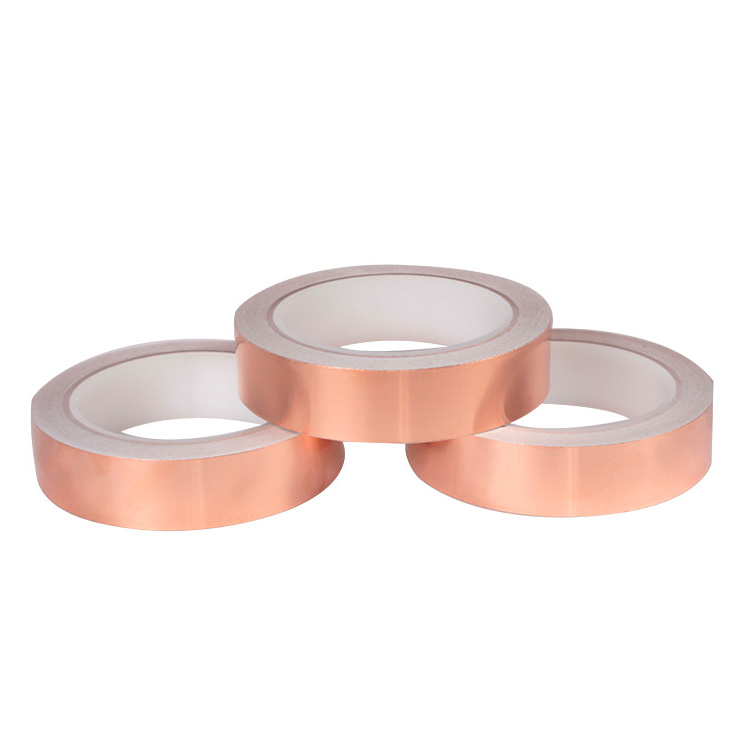
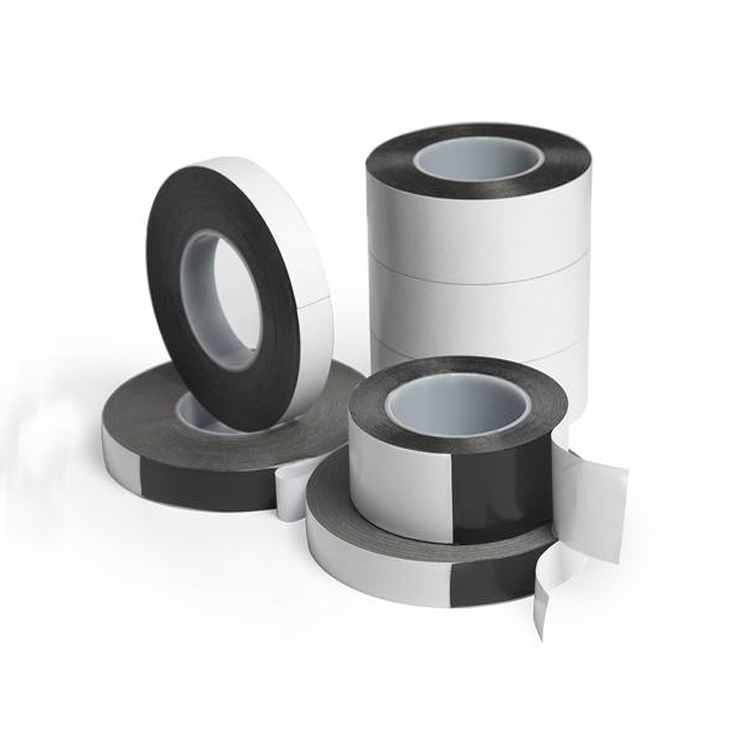
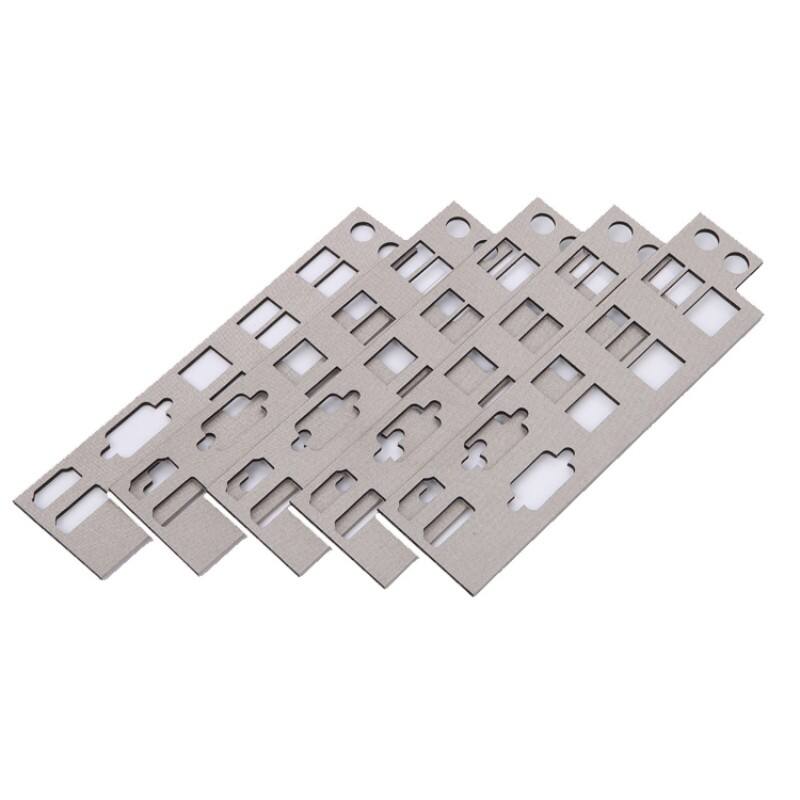
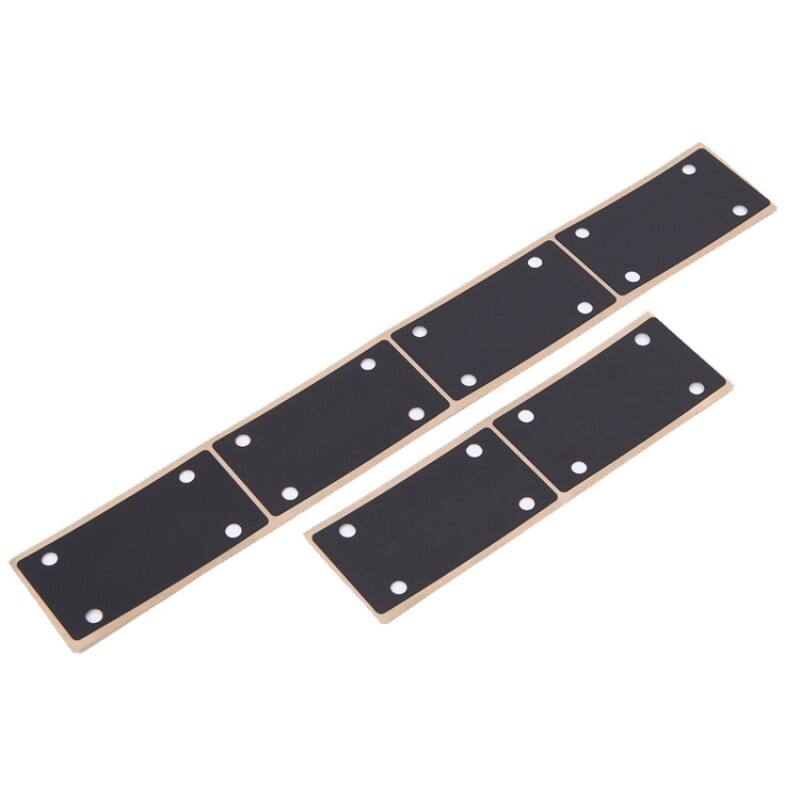
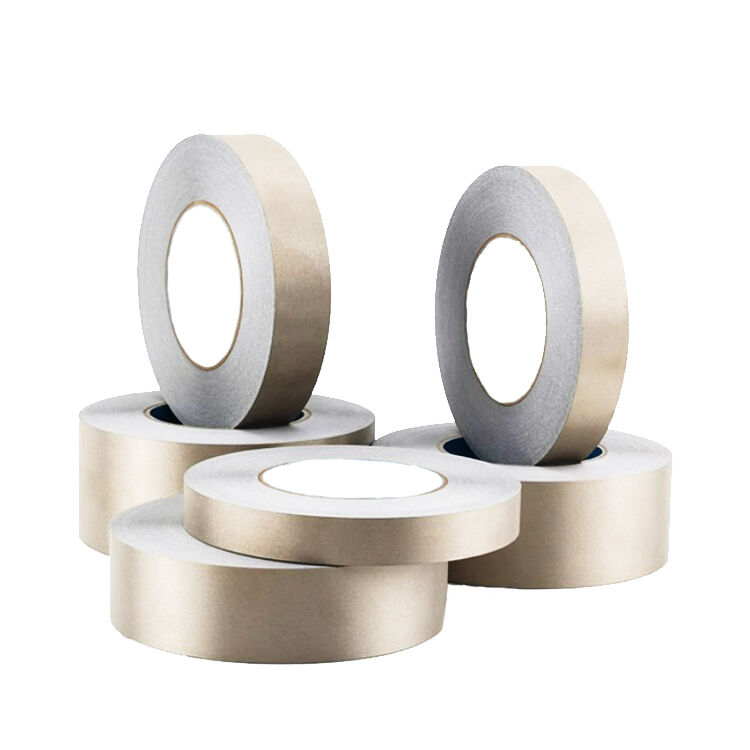
When engineers and product designers evaluate shielding solutions for flexible circuits, conductive fabric tape consistently emerges as the preferred material. Unlike rigid shielding films or foil-based alternatives, conductive fabric tape combines mechanical flexibility with reliable electromagnetic interference suppression, making it uniquely suited for applications where circuits must bend, fold, or conform to complex geometries. As modern electronics continue to shrink and flex, the demand for shielding materials that move with the device rather than against it has never been greater.

The performance advantages of conductive fabric tape are not accidental. They are the result of deliberate material engineering that combines a metallic-coated textile base with a pressure-sensitive conductive adhesive. This construction gives conductive fabric tape its exceptional balance of electrical performance, mechanical durability, and processing convenience. Whether used in LCD display assemblies, wearable devices, or precision electronic enclosures, conductive fabric tape delivers consistent shielding effectiveness while maintaining the structural freedom that flexible circuits require.
The Structural Advantages of Conductive Fabric Tape
Flexibility Without Compromising Shielding Performance
One of the most critical reasons conductive fabric tape dominates flexible circuit shielding is its ability to maintain electrical continuity under repeated mechanical stress. The woven or nonwoven textile substrate of conductive fabric tape allows it to flex, stretch, and conform without cracking or delaminating. This is a fundamental limitation of metal foil tapes, which can develop micro-fractures at fold points, causing sudden increases in impedance or complete shielding failure. Conductive fabric tape avoids this failure mode entirely because the fabric structure distributes mechanical stress across many interwoven fibers.
In practice, conductive fabric tape maintains shielding effectiveness across hundreds or even thousands of flex cycles, which is essential for applications in hinged devices, foldable screens, and cable harnesses. The metallic coating on conductive fabric tape, typically nickel, copper, or a combination of both, adheres to individual fibers rather than forming a brittle continuous film. This means conductive fabric tape retains surface conductivity even when the substrate is deformed, a property that rigid alternatives simply cannot replicate.
Conformability for Complex Assembly Geometries
Modern electronic assemblies are rarely flat. Conductive fabric tape excels in situations where shielding must wrap around connectors, route along curved chassis surfaces, or bridge irregular component heights. The softness and drape of conductive fabric tape allow it to conform tightly to three-dimensional surfaces without lifting edges or forming air gaps. Air gaps in shielding assemblies are a primary source of EMI leakage, so the superior conformability of conductive fabric tape directly translates into better real-world shielding performance. Engineers working on precision electronic assembly routinely choose conductive fabric tape because it simplifies installation while improving shielding integrity.
Electrical Performance That Meets Industrial Standards
Low Surface Resistance and Consistent Conductivity
Conductive fabric tape achieves surface resistance values that are competitive with metal foil alternatives, typically in the range required for effective EMI shielding across a broad frequency spectrum. The conductive coating on conductive fabric tape is applied uniformly across the fabric surface, ensuring that electrical contact is consistent regardless of where pressure is applied. This uniformity is critical in grounding applications, where conductive fabric tape must reliably transfer charge from a circuit component to a chassis ground plane. Inconsistent contact resistance would undermine the entire shielding strategy.
The conductive adhesive backing on conductive fabric tape plays an equally important role. Unlike non-conductive adhesives used on some foil tapes, the conductive adhesive ensures that electrical continuity exists through the tape thickness. This means conductive fabric tape can be used not only as a surface wrap but also as a direct grounding medium between overlapping layers of a flexible circuit stack. The through-thickness conductivity of conductive fabric tape makes it a versatile component in multilayer shielding designs.
Broadband Shielding Effectiveness
Conductive fabric tape performs reliably across a wide range of frequencies, from low-frequency magnetic fields to high-frequency radio emissions. The metallic fiber matrix in conductive fabric tape creates a continuous conductive mesh that attenuates electromagnetic energy through both reflection and absorption mechanisms. This broadband capability makes conductive fabric tape suitable for diverse applications including LCD display shielding, mobile device antenna isolation, and precision instrument enclosures. The shielding effectiveness of conductive fabric tape remains stable over time because the fabric substrate resists oxidation and corrosion better than bare metal foils in humid or thermally cycled environments.
Processing and Application Benefits in Manufacturing
Easy Die-Cutting and Handling in Production Lines
From a manufacturing efficiency standpoint, conductive fabric tape offers significant advantages over alternative shielding materials. Conductive fabric tape can be die-cut into precise shapes with clean edges, allowing automated dispensing and placement in high-volume assembly lines. The fabric base of conductive fabric tape does not fray or curl during cutting, which reduces waste and simplifies handling. This processability is a key reason why electronics manufacturers prefer conductive fabric tape for high-throughput production environments where shielding must be applied quickly and accurately.
The pressure-sensitive adhesive on conductive fabric tape also eliminates the need for additional bonding agents or curing processes. Assemblers can apply conductive fabric tape in seconds, with no heat guns, solvents, or curing ovens required. This reduces assembly cycle time and minimizes the risk of heat damage to sensitive components nearby. In compact assemblies where working space is limited, the ease of application provided by conductive fabric tape reduces operator error and improves first-pass yield rates.
Long-Term Reliability in Demanding Environments
Conductive fabric tape retains its adhesive and electrical properties across a wide temperature range, making it suitable for applications exposed to thermal cycling, elevated operating temperatures, and high-humidity environments. The fabric substrate of conductive fabric tape resists tearing and puncture better than thin foil alternatives, adding a degree of mechanical protection to the shielded area. For applications in automotive electronics, industrial controls, and portable medical devices, the long-term reliability of conductive fabric tape under real-world operating conditions is a decisive selection factor.
FAQ
How does conductive fabric tape compare to aluminum foil tape for flexible circuits?
Conductive fabric tape is superior to aluminum foil tape in flexible circuit applications because it withstands repeated bending without cracking. Aluminum foil tape develops micro-fractures at flex points, compromising shielding effectiveness over time. Conductive fabric tape maintains electrical continuity through thousands of flex cycles, making it the more durable and reliable choice for dynamic applications.
Can conductive fabric tape be used for both EMI shielding and grounding simultaneously?
Yes. Conductive fabric tape with a conductive adhesive provides both surface shielding and through-thickness electrical conductivity. This allows conductive fabric tape to function as a grounding bridge between circuit layers or between a component and a chassis ground, eliminating the need for separate grounding hardware in many assembly designs.
What surface preparation is needed before applying conductive fabric tape?
Conductive fabric tape adheres best to clean, dry, and dust-free surfaces. For optimal bond strength and electrical contact, the target surface should be free of oils, oxides, and residues before applying conductive fabric tape. Light surface cleaning with isopropyl alcohol is typically sufficient to ensure reliable adhesion and consistent conductivity in most electronic assembly environments.
