
 EN
EN
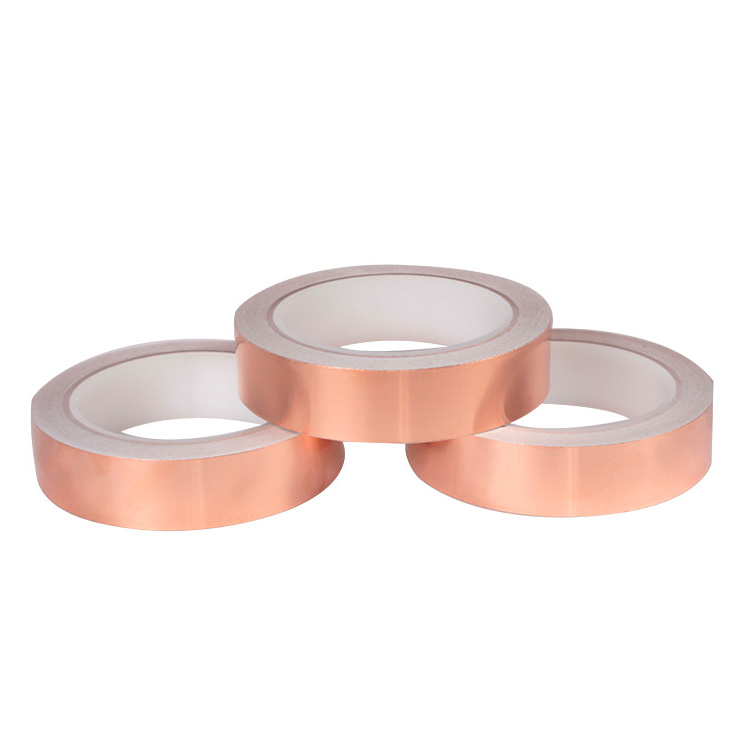
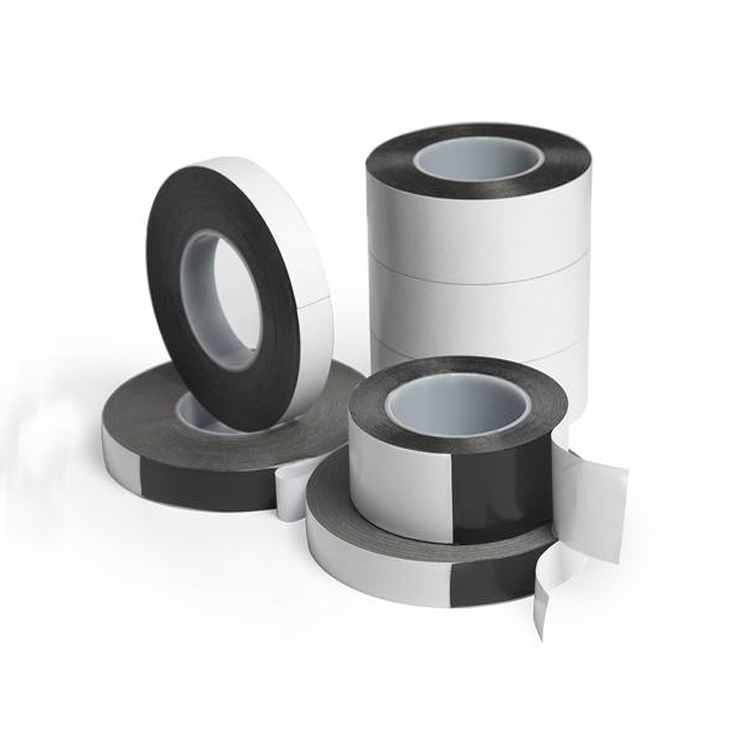
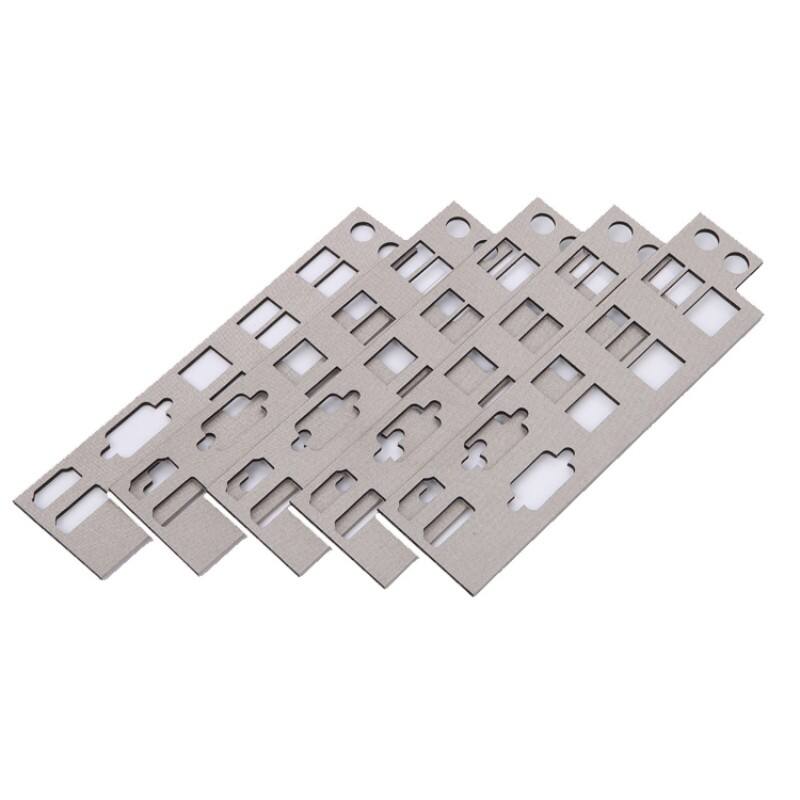
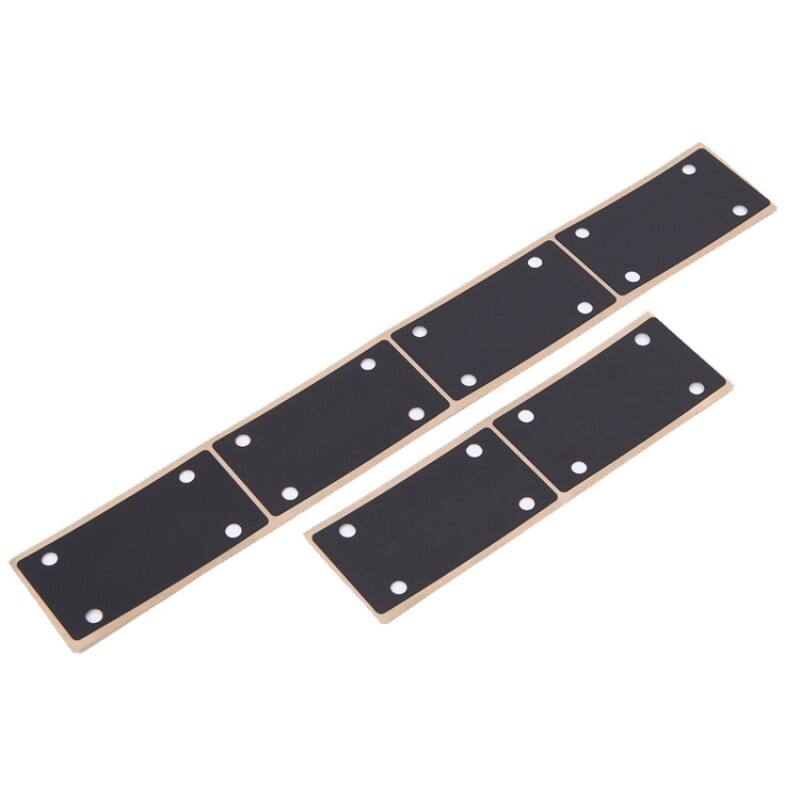
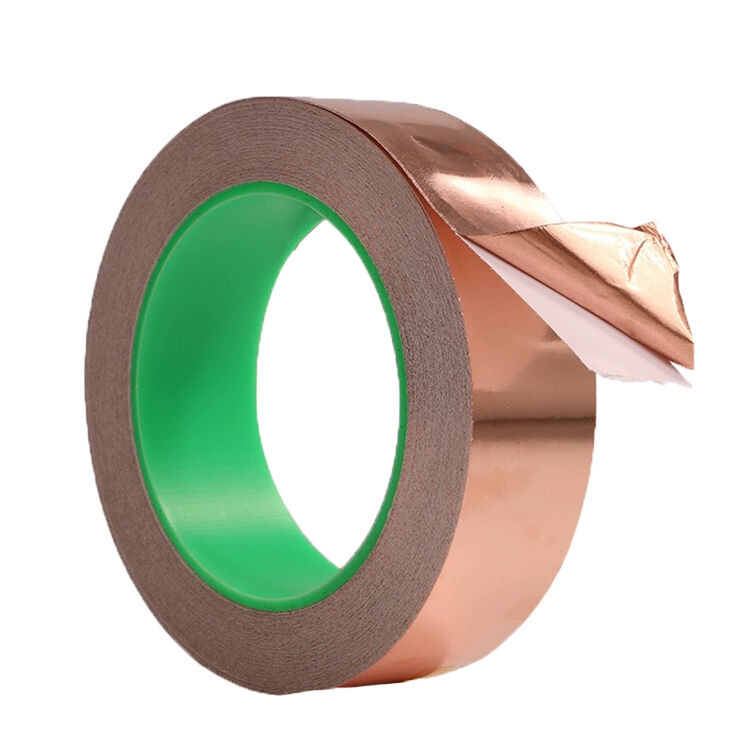
When engineers and procurement specialists evaluate materials for electromagnetic interference control, double-conductive copper foil tape consistently emerges as a top-tier solution. Unlike standard shielding films, double-conductive copper foil tape offers conductivity on both the adhesive side and the copper surface, creating a continuous, low-resistance shield that standard single-sided tapes simply cannot match. This dual-sided conductivity is not a minor refinement — it fundamentally changes how effective an RFI barrier can be in real-world electronic assemblies.
RFI, or radio-frequency interference, is a persistent challenge in densely packed electronic environments. Circuit boards, cable assemblies, power modules, and wireless communication hardware all generate or absorb unwanted electromagnetic signals. Applying double-conductive copper foil tape to these vulnerable areas gives design engineers a fast, reliable, and cost-effective method to suppress interference, meet regulatory compliance requirements, and protect sensitive signal paths. This article explains why double-conductive copper foil tape is essential for RFI shielding and how it outperforms alternatives in practical applications.
The Core Mechanism Behind RFI Shielding
How Conductivity on Both Sides Changes Shielding Performance
Double-conductive copper foil tape works by forming a complete electrical ground path around a shielded area. When the adhesive layer is also conductive, the tape bonds electrically to the substrate upon contact, eliminating any resistive gap between the tape body and the surface it covers. This means that double-conductive copper foil tape does not rely solely on the exposed copper face to carry grounding current — the bond itself contributes to signal attenuation. The result is a more consistent shielding envelope, especially when the tape wraps around corners or overlaps with other shielding layers.
In contrast, tape with a non-conductive adhesive creates a dielectric layer between the copper and the substrate. This gap can act as a capacitive element at higher frequencies, reducing shielding effectiveness where it matters most. Double-conductive copper foil tape eliminates this problem by maintaining electrical continuity through the entire material stack. Engineers working with frequencies above 100 MHz will notice a measurable difference when switching from single-sided to double-conductive copper foil tape in their designs.
Grounding Integrity and Signal Isolation
Proper grounding is the foundation of any effective RFI shield. Double-conductive copper foil tape supports solid ground connections without requiring separate mechanical fasteners or conductive gaskets. Because the adhesive itself conducts electricity, the tape bonds to a chassis, PCB ground plane, or cable shield and immediately becomes part of the ground network. This simplifies assembly, reduces component count, and improves reliability. Double-conductive copper foil tape is particularly valuable in portable electronics and compact industrial enclosures where space constraints make traditional grounding hardware impractical.
Key Applications Where Double-Conductive Copper Foil Tape Excels
EMI and RFI Control in PCB Assemblies
Printed circuit board assemblies frequently require localized shielding to prevent high-frequency components from radiating interference into adjacent circuits. Double-conductive copper foil tape can be applied directly over oscillators, RF amplifiers, switching power supplies, and clock generators to contain their emissions. Because the tape adheres conductively on both faces, it integrates seamlessly with the board's ground copper, creating a Faraday-cage-like enclosure around the noise source. Designers who use double-conductive copper foil tape in this way often reduce the need for expensive molded metal shields or additional PCB layers dedicated to electromagnetic containment.
Cable shielding is another major application. Coaxial cables, ribbon cables, and flex circuits that carry sensitive analog or digital signals are susceptible to RFI pickup in noisy environments. Wrapping these cables with double-conductive copper foil tape adds a grounded outer layer that intercepts incoming interference before it can corrupt the signal. The conductive adhesive ensures that the tape overlaps create a continuous shield rather than a series of isolated copper patches. Industrial automation systems, medical imaging equipment, and aerospace instrumentation all benefit from this approach.
ESD Protection and Combined Shielding Roles
Double-conductive copper foil tape also serves a dual role in electrostatic discharge protection. ESD events can destroy sensitive components and generate secondary RFI bursts. By bonding conductively to ground structures, double-conductive copper foil tape provides a low-impedance discharge path that safely diverts ESD energy away from vulnerable circuitry. This makes double-conductive copper foil tape a multi-function shielding material suitable for environments where both RFI and ESD threats must be managed simultaneously, such as semiconductor fabrication, test and measurement labs, and high-frequency communication equipment.
Selection and Installation Factors for Optimal RFI Shielding
Material Properties That Determine Shielding Effectiveness
Not all double-conductive copper foil tape products perform equally. Copper foil thickness, adhesive conductivity rating, and surface treatment all influence how well the tape attenuates RFI across a frequency range. Thicker copper foil provides better low-frequency magnetic shielding, while a highly conductive adhesive improves high-frequency electric field attenuation. Engineers specifying double-conductive copper foil tape should review the contact resistance specification, typically expressed in milliohms per square, to ensure the adhesive layer will maintain low-impedance ground contact over the product's service life and under thermal cycling conditions.
Some versions of double-conductive copper foil tape incorporate a nickel-coated surface to improve corrosion resistance and solderability. Nickel coatings help the tape maintain its shielding performance in humid or chemically active environments. When selecting double-conductive copper foil tape for outdoor enclosures, marine electronics, or industrial control panels, specifying a nickel-coated variant adds meaningful durability without sacrificing the tape's core shielding capability. Always verify that the tape's adhesive retains its conductivity after aging tests that simulate real-world exposure conditions.
Correct Application Technique for Maximum RFI Attenuation
Applying double-conductive copper foil tape correctly is as important as selecting the right product. Surfaces must be clean, dry, and free of oxides or oils before the tape is pressed into place. Overlapping tape edges by at least 3 to 5 millimeters ensures that the shield is continuous and that each overlap creates a conductive junction. When using double-conductive copper foil tape to shield a box or enclosure seam, pressing the tape firmly into corners and folds with a burnishing tool maximizes adhesive contact area and minimizes impedance. Shortcuts in application can introduce gaps that act as slot antennas and actually worsen RFI emissions rather than suppress them.
FAQ
What makes double-conductive copper foil tape different from regular copper tape?
Regular copper foil tape uses a non-conductive acrylic adhesive, meaning electricity only flows through the exposed copper surface. Double-conductive copper foil tape uses a conductive adhesive, so electrical continuity exists through both the copper layer and the bond to the substrate. This creates a much more effective RFI shield, especially at higher frequencies where gaps in conductivity allow interference to pass through.
Can double-conductive copper foil tape be used on flexible or curved surfaces?
Yes. Double-conductive copper foil tape is designed to conform to irregular, curved, and flexible surfaces. The copper foil is thin and pliable enough to wrap around cables, contoured enclosure panels, and flex circuit assemblies without cracking or losing adhesion. The conductive adhesive maintains electrical contact even when the tape is bent, making it a practical choice for portable devices and non-flat shielding applications.
How should double-conductive copper foil tape be stored to preserve its performance?
Double-conductive copper foil tape should be stored in a cool, dry environment away from direct sunlight and chemical vapors. Exposure to humidity can degrade the conductive adhesive and cause the copper surface to oxidize, both of which reduce shielding effectiveness. Keeping rolls in their original sealed packaging and using them within the manufacturer's recommended shelf life ensures that the double-conductive copper foil tape performs to its rated specification when applied.
