
 EN
EN
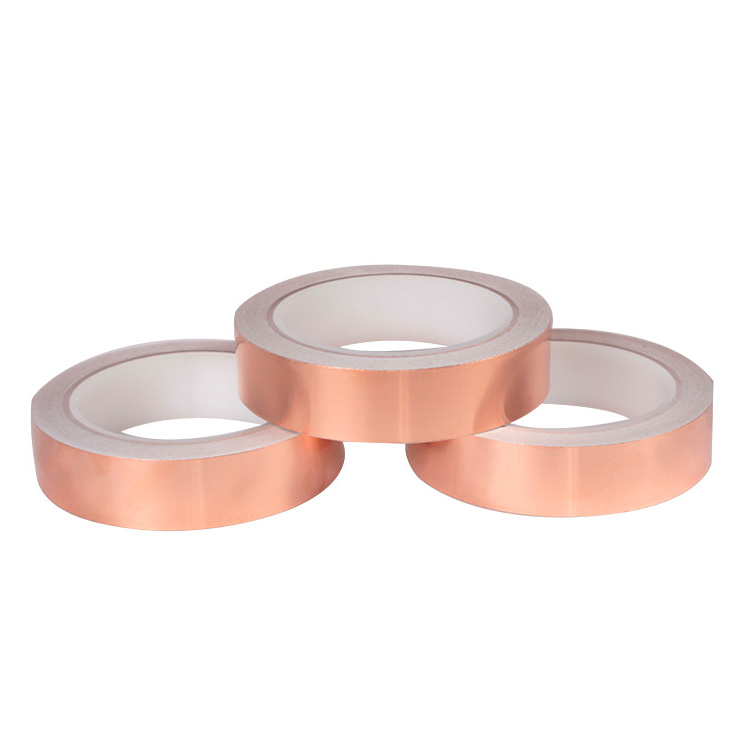
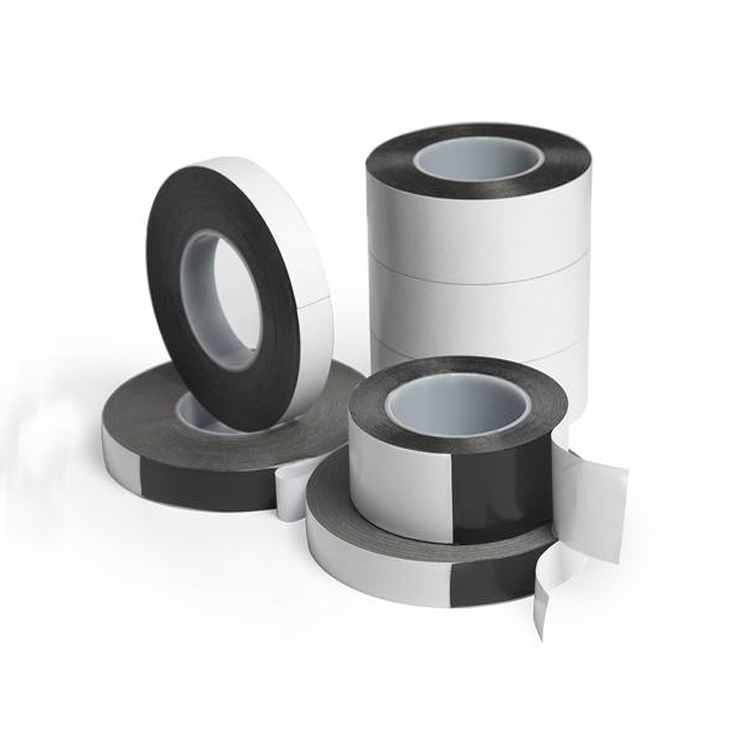
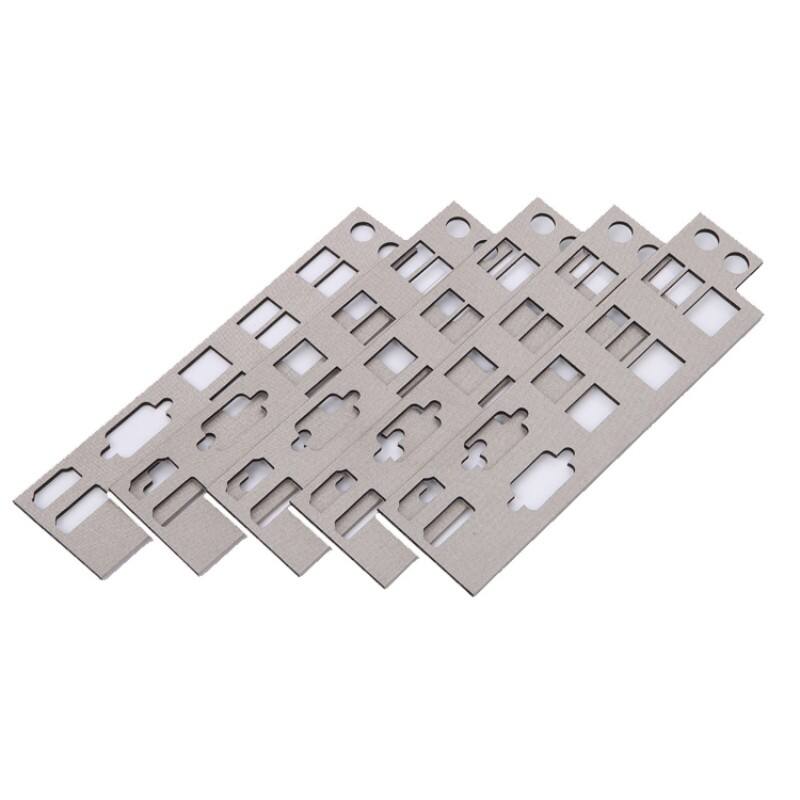
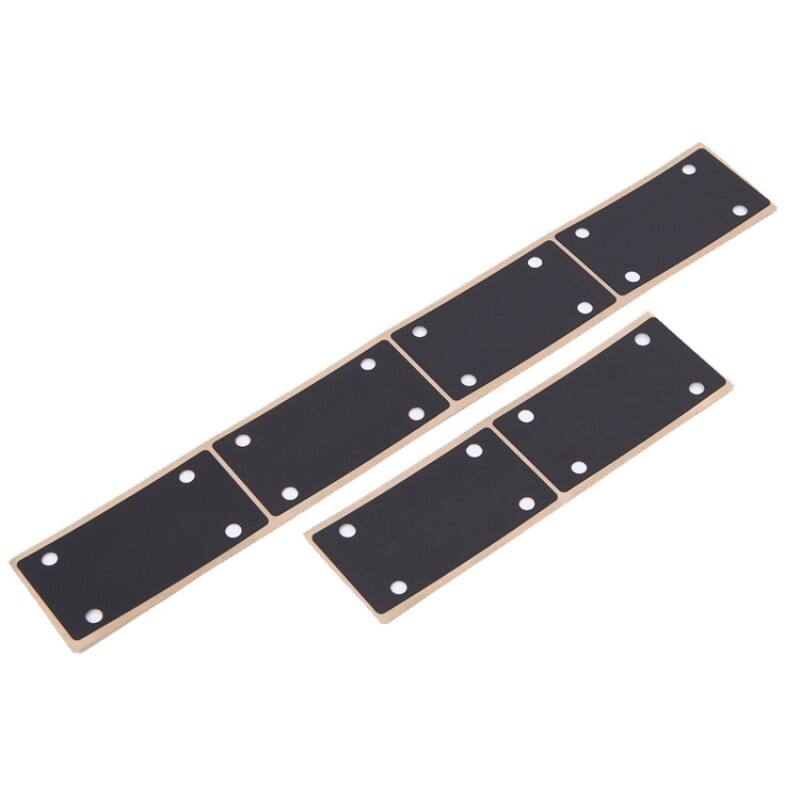
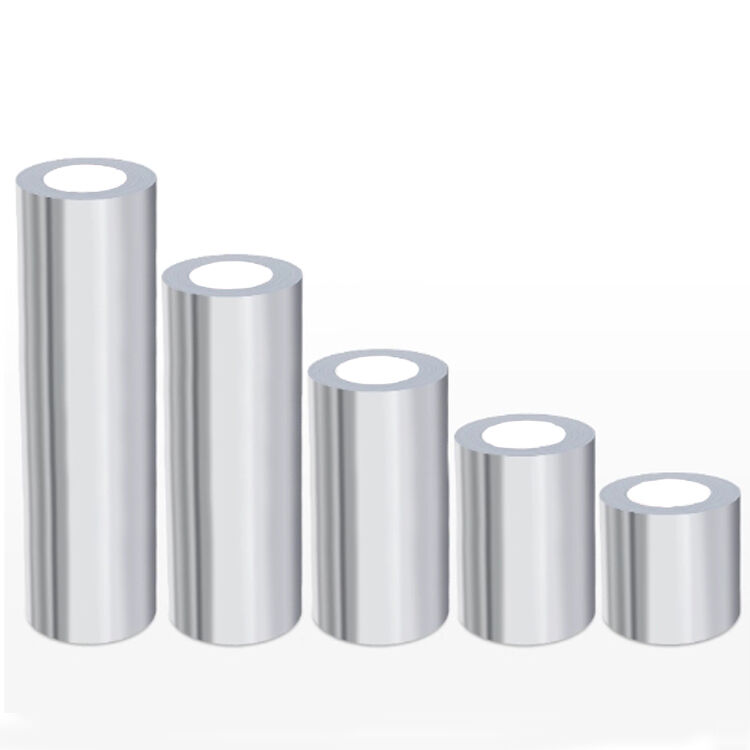
In electronics manufacturing, repair, and prototyping environments, grounding issues present persistent challenges that demand immediate, reliable solutions. Traditional grounding methods often require soldering, drilling, or complex mechanical fastening systems that consume valuable time and resources. This is precisely where conductive tape emerges as a transformative material—offering instant electrical continuity, adaptability to irregular surfaces, and the ability to establish secure ground connections without specialized tools or permanent modifications. The unique combination of adhesive backing with conductive properties makes this material exceptionally suited for temporary repairs, shielding applications, and situations where conventional grounding techniques prove impractical or impossible.
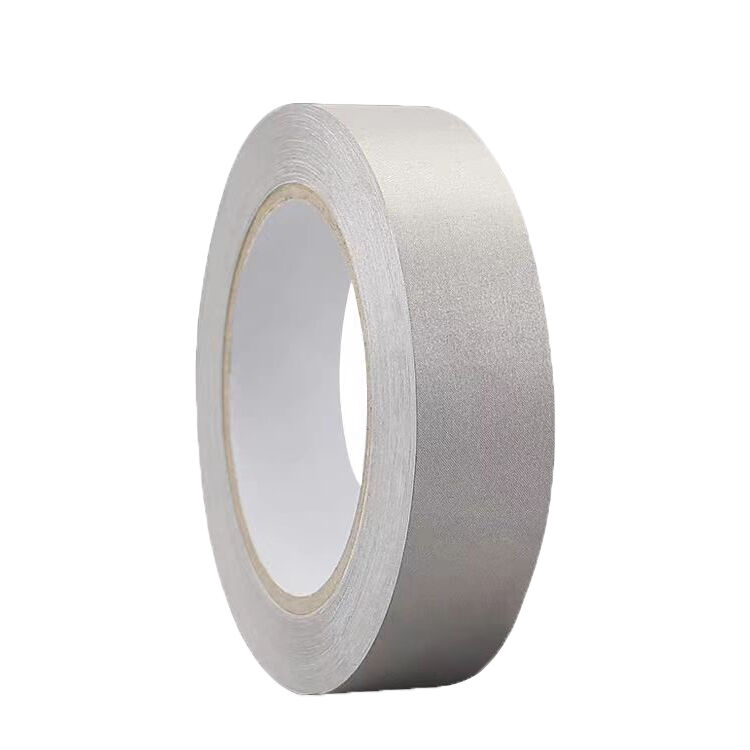
The versatility of conductive tape stems from its fundamental design philosophy: bridging the gap between permanent electrical connections and temporary field repairs. Unlike rigid grounding straps or soldered connections, this adhesive solution conforms to three-dimensional surfaces, seals around component edges, and provides consistent electrical pathways across materials that would otherwise resist conventional bonding methods. Engineers and technicians increasingly recognize that quick grounding fixes require not just conductivity, but also adaptability, ease of application, and the ability to maintain performance under varying environmental conditions. These characteristics explain why conductive tape has become indispensable in modern electronic workflows, from aerospace maintenance to consumer electronics troubleshooting.
The Fundamental Grounding Challenges That Conductive Tape Addresses
Limitations of Traditional Grounding Methods in Field Applications
Traditional grounding approaches—such as soldered connections, mechanical fasteners, and wire bonding—create permanent or semi-permanent electrical pathways that excel in controlled manufacturing environments. However, these methods encounter significant limitations during field repairs, prototype development, and troubleshooting scenarios. Soldering requires heat application that can damage sensitive components, creates permanent modifications that complicate future servicing, and demands skilled technicians with specialized equipment. Mechanical grounding clips often fail to maintain consistent contact pressure on irregular surfaces, while threaded fasteners require precise mounting points that may not exist on curved enclosures or flexible substrates.
The adhesive properties of conductive tape eliminate these constraints by creating instant electrical bonds without thermal stress, permanent alteration, or complex tooling requirements. This capability proves particularly valuable when establishing temporary ground connections during diagnostic procedures, where technicians need to isolate electromagnetic interference sources or verify grounding effectiveness before committing to permanent solutions. The tape's conformability allows it to bridge gaps between dissimilar materials—connecting metal enclosures to printed circuit boards, shielding films to chassis grounds, or flexible cables to rigid mounting surfaces—scenarios where conventional fasteners would require custom brackets or intermediate adapters.
Time-Critical Situations Requiring Immediate Grounding Solutions
Production environments and emergency repair situations frequently demand grounding solutions that can be implemented within minutes rather than hours. Equipment failures in manufacturing lines, intermittent electromagnetic compatibility issues in deployed systems, and last-minute design modifications before product launches all represent scenarios where delay translates directly into financial loss or project failure. Conductive tape addresses these time-critical needs by reducing the grounding implementation process to simple surface preparation and adhesive application, eliminating the setup time, cooling periods, and quality verification steps associated with soldering or mechanical assembly.
In prototype development cycles, engineers often iterate through multiple grounding configurations to optimize electromagnetic shielding effectiveness or minimize ground loop interference. The repositionable nature of some conductive tape formulations allows rapid testing of different grounding topologies without damaging substrates or leaving permanent marks. This experimental flexibility accelerates design validation cycles and enables empirical optimization of grounding strategies that would be prohibitively expensive using traditional methods. Field service technicians similarly benefit from this rapid deployment capability when troubleshooting complex systems under time pressure, where establishing temporary diagnostic grounds helps isolate fault conditions before implementing permanent repairs.
Surface Compatibility and Irregular Geometry Challenges
Modern electronic devices increasingly incorporate curved housings, textured surfaces, and composite materials that resist conventional grounding methods. Smartphone chassis with compound curves, automotive electronic control units with ribbed heat sinks, and aerospace components with honeycomb structures all present geometric challenges where rigid grounding hardware cannot maintain consistent electrical contact. Conductive tape's flexible substrate allows it to conform to radii, wrap around edges, and maintain adhesion across textured surfaces that would defeat spring clips or threaded fasteners.
The material composition of conductive tape—typically featuring metallic particles embedded in adhesive matrices or woven conductive fabrics with adhesive backing—enables electrical continuity across the entire contact area rather than at discrete mounting points. This distributed contact pattern provides superior shielding effectiveness and reduces the risk of localized corrosion or contact degradation that plagues mechanical connection points. When applied to dissimilar materials such as aluminum enclosures bonded to carbon fiber panels, the tape's adhesive chemistry bridges the galvanic potential difference while maintaining electrical conductivity, a dual function that would otherwise require complex isolation and bonding schemes.
Material Science Behind Conductive Tape's Grounding Performance
Conductive Filler Technologies and Electrical Pathway Formation
The electrical performance of conductive tape depends fundamentally on the type and distribution of conductive fillers within the adhesive matrix. Metallic particles such as silver, copper, nickel, or aluminum create direct electron pathways through the adhesive layer, with particle concentration and morphology determining overall conductivity. Silver-filled tapes offer the lowest electrical resistance, typically achieving surface resistivity values below 0.05 ohms per square, making them ideal for high-frequency shielding applications where even minor impedance variations can degrade performance. Copper and nickel formulations provide more economical alternatives with slightly higher resistivity but excellent corrosion resistance and mechanical durability.
Fabric-based conductive tape variants employ woven or non-woven textiles with inherent conductivity, such as copper-nickel alloy threads or metallized polyester fibers, coated with conductive adhesives on one or both sides. These fabric constructions offer superior tensile strength and tear resistance compared to purely adhesive-based tapes, making them suitable for applications requiring mechanical durability alongside electrical performance. The three-dimensional fiber network within fabric tapes creates multiple redundant conduction pathways, ensuring that minor surface irregularities or localized adhesive failures do not compromise overall grounding effectiveness—a critical reliability advantage in vibration-prone environments.
Adhesive Chemistry and Long-Term Contact Reliability
The adhesive component of conductive tape must balance multiple performance requirements: immediate tack for quick installation, long-term adhesion under environmental stress, and minimal outgassing that could contaminate sensitive electronics. Acrylic adhesive formulations dominate high-performance applications due to their excellent aging characteristics, UV resistance, and chemical stability across wide temperature ranges. These acrylic systems maintain bond strength through thermal cycling from negative forty to over one hundred degrees Celsius, crucial for automotive and aerospace applications where equipment experiences extreme environmental variations.
Pressure-sensitive adhesive technologies used in conductive tape achieve electrical continuity through intimate molecular contact with substrate surfaces, displacing microscopic air gaps and contaminants that would otherwise create high-resistance interfaces. The adhesive flow characteristics under applied pressure determine how effectively the tape conforms to surface irregularities and establishes consistent electrical contact across the entire bonded area. Premium conductive tape formulations incorporate adhesive modifiers that enhance wetting behavior on low-surface-energy materials like plastics and powder-coated metals, expanding application versatility beyond traditional bare metal surfaces.
Shielding Effectiveness and Frequency Response Characteristics
Beyond simple DC grounding functions, conductive tape serves critical roles in electromagnetic interference shielding where its frequency-dependent electrical properties become paramount. The tape's ability to attenuate electromagnetic radiation depends on surface conductivity, thickness, and the continuity of the conductive layer—factors that vary significantly among different tape constructions. Fabric-based tapes with densely woven metallic fibers typically provide superior shielding effectiveness above one hundred megahertz, where skin effect phenomena concentrate current flow in the outer conductive layers rather than penetrating through the entire tape thickness.
For grounding applications in high-speed digital circuits, the tape's impedance characteristics at signal transition frequencies become as important as DC resistance values. Conductive tape with homogeneous metallic filler distribution maintains more consistent impedance across broad frequency ranges compared to discrete wire bonds, which can exhibit inductive reactance that degrades grounding effectiveness at high frequencies. This frequency-independent behavior makes conductive tape particularly valuable for establishing ground planes in flexible circuit assemblies and for creating controlled-impedance return paths in sensitive analog instrumentation, where ground impedance variations translate directly into signal integrity degradation.
Practical Application Scenarios Demonstrating Versatility
Electromagnetic Interference Shielding in Consumer Electronics
Consumer electronic devices face increasingly stringent electromagnetic compatibility regulations while simultaneously shrinking in physical size, creating intense pressure to maximize shielding effectiveness within minimal space envelopes. Conductive tape enables cost-effective EMI mitigation by sealing gaps between plastic enclosure segments, bonding internal shielding cans to ground planes, and creating Faraday cage continuity around sensitive circuitry. Smartphone manufacturers routinely apply conductive tape around display cables and battery compartments to prevent radiated emissions from exceeding regulatory limits, with the tape's thin profile adding negligible thickness to already-constrained mechanical designs.
The rapid prototyping advantages of conductive tape prove especially valuable during pre-compliance testing phases, where engineers iteratively add shielding elements to identify emission sources and validate mitigation strategies before committing to injection-molded shielding features or expensive metallization processes. This experimental flexibility accelerates product development timelines and reduces the risk of costly redesigns discovered late in certification testing. Field repair scenarios also benefit from conductive tape's accessibility—service technicians can restore shielding effectiveness in devices with damaged or missing shielding components using tape as a field-expedient solution that maintains regulatory compliance until proper replacement parts become available.
Grounding Strap Replacement in Equipment Maintenance
Industrial equipment, test instrumentation, and rack-mounted electronics traditionally employ braided copper grounding straps with mechanical terminations to establish chassis grounds and equipment bonding. These straps suffer from fatigue failures where vibration causes work hardening and eventual conductor breakage, corrosion at crimp connections exposed to humidity, and loosening of threaded terminations subjected to thermal cycling. Conductive tape offers a maintenance-friendly alternative that eliminates mechanical failure modes while providing equivalent or superior electrical performance through its distributed contact area.
Maintenance technicians particularly value conductive tape for restoring grounding continuity in legacy equipment where original mounting hardware has corroded or where replacement straps no longer match obsolete connector configurations. The tape can bridge between dissimilar connector types, span irregular mounting distances, and accommodate chassis modifications that have altered original grounding point locations. In vibration-intensive environments such as industrial machinery and transportation systems, the tape's lack of discrete mechanical connections eliminates a common failure mode while the adhesive damping properties actually reduce high-frequency vibration transmission that could damage sensitive electronic components.
Prototype Circuit Grounding During Development Cycles
Electrical engineering development processes require frequent iterations of circuit layouts, component placements, and grounding architectures as designs evolve from breadboard concepts through functional prototypes to production-ready configurations. Conductive tape accelerates this development cycle by enabling rapid implementation of ground plane extensions, shielding compartment boundaries, and experimental grounding topologies without the time investment of printed circuit board redesigns or custom metal fabrication. Engineers can test multiple grounding strategies within a single development session, empirically determining optimal configurations through direct measurement rather than relying solely on simulation predictions.
Mixed-signal circuit development particularly benefits from conductive tape's ability to create isolated ground regions and controlled transition points between analog and digital ground domains. The tape can establish star grounding configurations, segregate noisy switching power supply grounds from sensitive analog signal grounds, and create low-impedance return paths that minimize ground bounce in high-speed digital circuits. This experimental flexibility proves invaluable when optimizing circuit performance in the presence of layout-dependent parasitic effects that simulation tools struggle to predict accurately, allowing hardware validation to guide final design decisions rather than theoretical models alone.
Cable Shielding Termination and Repair Applications
Coaxial cables, shielded twisted pairs, and multi-conductor shielded assemblies all require proper shield termination to maintain signal integrity and prevent electromagnetic interference. Traditional shield termination methods using solder or crimp contacts can damage cable dielectrics through heat application, require specialized tooling for field installation, and create mechanical stress concentrations where rigid terminations meet flexible cables. Conductive tape provides a gentle termination method that wraps around cable shields and bonds them to connector backshells or enclosure entry points without thermal damage or mechanical stress concentration.
Field repair of damaged cable shields represents another critical application where conductive tape demonstrates unique value. Cables suffering shield discontinuities from flexing damage, rodent intrusion, or accidental cuts can be restored to functional condition by overlapping conductive tape across the damaged region, re-establishing shield continuity without requiring cable replacement or splice insertion. This repair capability proves especially valuable in installed cable plants where cable replacement would require extensive disassembly, in custom cable assemblies where replacement lead times exceed project schedules, and in aerospace applications where every component removal requires extensive documentation and recertification procedures.
Selection Criteria and Performance Optimization Strategies
Matching Tape Specifications to Application Requirements
Effective conductive tape selection requires understanding the interplay between electrical performance metrics, mechanical properties, environmental durability, and cost constraints specific to each application. Surface resistivity values ranging from below 0.05 ohms per square for silver-filled tapes to several ohms per square for economical carbon-filled variants determine suitability for different grounding scenarios—high-frequency shielding applications demand the lowest resistivity options, while simple chassis bonding for safety grounding can tolerate higher resistance values. Adhesive strength specifications including initial tack, ultimate peel strength, and shear resistance define the tape's ability to maintain secure bonds under mechanical stress, thermal cycling, and long-term aging.
Temperature rating considerations extend beyond simple adhesive performance to include changes in electrical conductivity with temperature, thermal expansion coefficient matching with substrates, and outgassing characteristics in vacuum or sealed environments. Aerospace and automotive applications typically require conductive tape rated for continuous operation from negative forty to positive one hundred twenty-five degrees Celsius, with validated performance data demonstrating stability across this range. Medical device and cleanroom applications impose stringent requirements on particle generation, ionic contamination levels, and volatile organic compound emissions that limit acceptable tape formulations to specific adhesive chemistries and filler materials.
Surface Preparation Techniques for Optimal Adhesion
The electrical and mechanical performance of conductive tape installations depends critically on proper surface preparation before tape application. Contamination from oils, mold release agents, oxidation layers, and particulate matter creates high-resistance interfaces that degrade both adhesive bonding strength and electrical conductivity. Effective surface preparation begins with solvent cleaning using isopropyl alcohol or specialized electronic cleaners to remove organic contamination, followed by mechanical abrasion for heavily oxidized surfaces to expose fresh base material with optimal surface energy for adhesive wetting.
For challenging substrates including plastics with low surface energy, powder-coated metals, and anodized aluminum, surface treatment methods such as corona discharge, plasma cleaning, or chemical primers dramatically improve conductive tape adhesion and long-term reliability. These surface activation techniques increase surface energy through molecular restructuring, creating more reactive bonding sites for adhesive attachment. The investment in proper surface preparation pays dividends through extended service life, reduced field failures, and consistent electrical performance across production volumes—particularly important when conductive tape transitions from prototype applications into high-volume manufacturing where reliability directly impacts warranty costs and customer satisfaction.
Installation Best Practices for Reliable Grounding Performance
Achieving optimal electrical performance from conductive tape requires attention to installation techniques that maximize contact area, minimize voids, and ensure consistent electrical pathways throughout the bonded interface. Application pressure during installation determines how effectively the adhesive wets substrate surfaces and displaces microscopic air gaps—insufficient pressure leaves incomplete bonds with high contact resistance, while excessive pressure can cause adhesive squeeze-out that reduces the effective conductive area. Manufacturer-specified application pressure, typically achieved through hand roller application or controlled press fixturing, ensures consistent bonding results across different operators and production environments.
Overlap configuration at tape terminations significantly impacts overall grounding effectiveness, particularly in shielding applications where current must flow continuously through the conductive layer. Minimum overlap distances of at least one centimeter provide redundant electrical pathways that maintain conductivity even if adhesive degradation occurs at overlap edges. When joining tape sections or transitioning between tape and other conductive materials, overlapping configurations create lower-resistance connections than butt joints, while also providing mechanical reinforcement against peel forces. Environmental sealing considerations may require additional conformal coating or potting compound over tape edges to prevent moisture ingress and corrosion at the critical tape-substrate interface where electrical current density reaches maximum values.
Long-Term Reliability and Maintenance Considerations
Conductive tape installations in production equipment and deployed systems require periodic inspection and maintenance to ensure continued grounding effectiveness throughout service life. Adhesive aging processes including plasticizer migration, oxidative cross-linking, and moisture absorption can gradually degrade bond strength and electrical conductivity over multi-year deployment periods. Inspection protocols should include visual examination for edge lifting or discoloration indicating adhesive degradation, electrical resistance measurements across tape spans to detect conductivity loss, and mechanical peel testing on representative samples to verify remaining adhesive strength.
Predictive maintenance approaches leverage baseline resistance measurements taken during initial installation to establish normal conductivity values, with periodic re-measurement identifying degradation trends before complete grounding failures occur. Resistance increases exceeding twenty percent of baseline values typically warrant preemptive tape replacement to prevent electromagnetic compatibility issues or safety hazards from compromised grounding. Environmental exposure history including temperature extremes, humidity cycles, and chemical exposure should inform inspection intervals—harsh environments may require annual verification, while benign conditions allow extended inspection periods exceeding three years based on validated aging data from accelerated life testing of specific tape formulations.
FAQ
What electrical resistance value should I expect from properly installed conductive tape?
Properly installed conductive tape typically exhibits surface resistivity between 0.05 and 0.5 ohms per square for metallic-filled formulations, translating to end-to-end resistance below one ohm for typical installation lengths under ten centimeters. Fabric-based conductive tape shows slightly higher values, generally between 0.1 and 2 ohms per square depending on fabric construction and metallic content. These resistance values remain sufficiently low for effective grounding and shielding applications, though specific requirements vary by application—high-frequency shielding demands the lowest available resistance, while chassis bonding for electrical safety can tolerate values up to several ohms provided current-carrying capacity remains adequate for fault conditions.
Can conductive tape replace soldered ground connections in production assemblies?
Conductive tape can successfully replace soldered ground connections in many production assemblies, particularly where thermal damage risks, rework flexibility, or rapid assembly cycles justify the transition. However, applications involving high mechanical stress, elevated current densities exceeding several amperes per square centimeter, or environments with aggressive chemical exposure may still favor soldered connections for ultimate reliability. The decision requires careful evaluation of electrical requirements, mechanical loading, environmental conditions, and cost trade-offs between material expense and labor savings. Many manufacturers adopt hybrid approaches using conductive tape for low-current signal shielding while retaining soldered connections for primary power grounding paths.
How does temperature affect conductive tape performance over time?
Temperature influences conductive tape through multiple mechanisms affecting both electrical and mechanical properties. Elevated temperatures accelerate adhesive aging processes including cross-linking and plasticizer loss, potentially causing embrittlement and reduced peel strength after extended exposure. Electrical resistance typically increases with temperature due to reduced electron mobility in metallic fillers and thermal expansion effects that can reduce contact pressure at interfaces. Thermal cycling creates differential expansion stresses between tape, adhesive, and substrates that can cause interfacial delamination if expansion coefficients differ significantly. Quality conductive tape formulations maintain stable performance across rated temperature ranges through careful adhesive chemistry selection and filler particle sizing that accommodates thermal expansion without connectivity loss.
What surface preparation steps are essential before applying conductive tape?
Essential surface preparation begins with removing all contamination through solvent cleaning with isopropyl alcohol or electronics-grade cleaners, followed by complete drying before tape application. Heavily oxidized metal surfaces benefit from light abrasion using fine synthetic abrasive pads to expose fresh base material with optimal conductivity and surface energy. Low-energy plastics may require plasma treatment or chemical primers to achieve adequate adhesive bond strength. The prepared surface should be free from oils, particulates, oxidation, and moisture, with verification through water break testing or contact angle measurement for critical applications. Proper surface preparation typically doubles effective service life compared to tape applied to unprepared substrates, making this step essential for reliable long-term performance.
Table of Contents
- The Fundamental Grounding Challenges That Conductive Tape Addresses
- Material Science Behind Conductive Tape's Grounding Performance
- Practical Application Scenarios Demonstrating Versatility
- Selection Criteria and Performance Optimization Strategies
-
FAQ
- What electrical resistance value should I expect from properly installed conductive tape?
- Can conductive tape replace soldered ground connections in production assemblies?
- How does temperature affect conductive tape performance over time?
- What surface preparation steps are essential before applying conductive tape?
