
 EN
EN
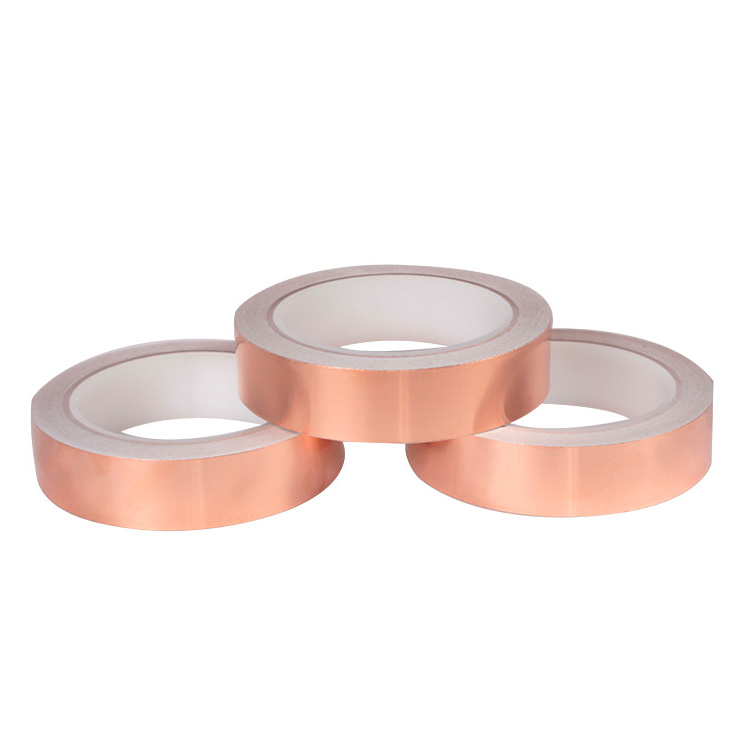
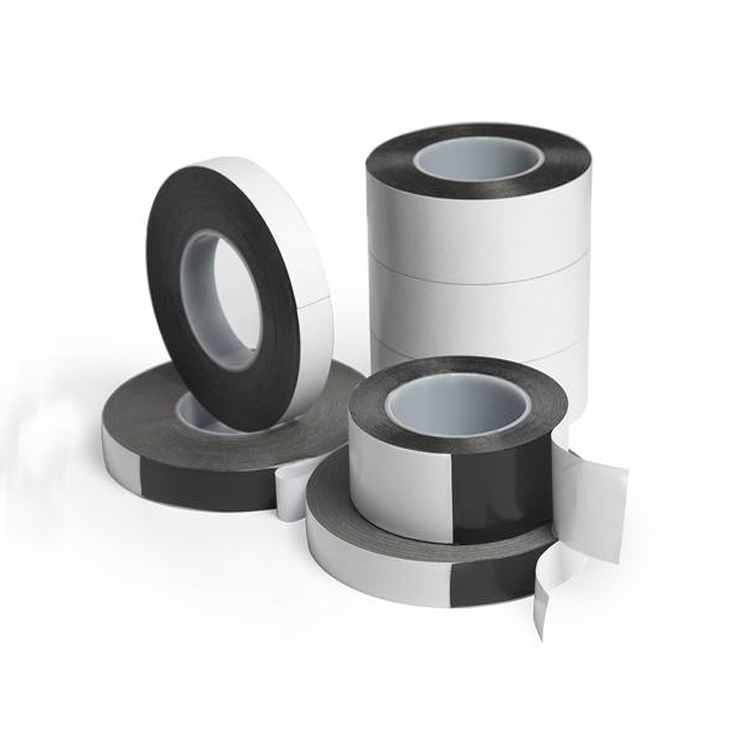
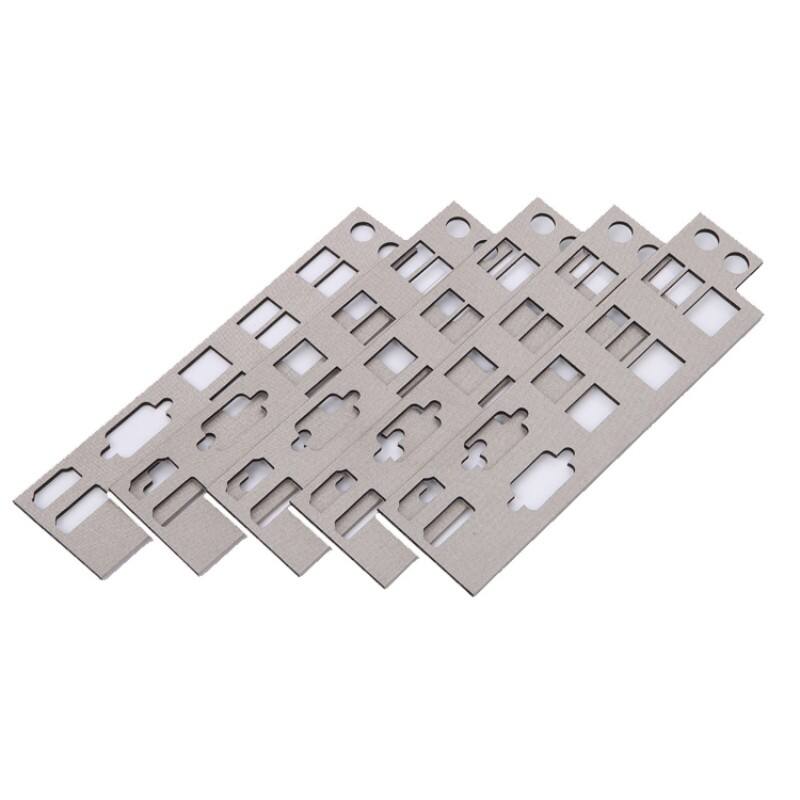
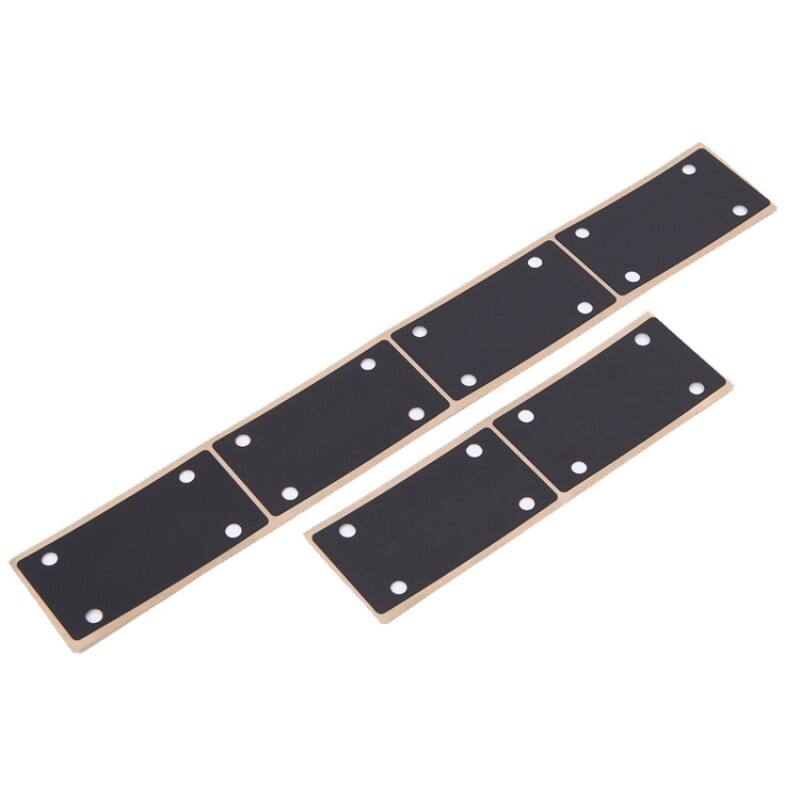
In mission-critical industrial environments where control panels govern essential operations—from telecommunications infrastructure to medical diagnostic equipment—electromagnetic interference represents a serious and persistent threat. When electromagnetic waves penetrate enclosures, they can disrupt signal integrity, corrupt data transmission, and even trigger catastrophic system failures. The question facing engineers and procurement specialists is not whether shielding is necessary, but rather which EMI gasket solution delivers consistent, verifiable protection under the most demanding conditions. Trust in these components stems from measurable shielding effectiveness, proven material resilience, and documented performance across diverse operating environments.
Control panel applications impose unique requirements that generic sealing solutions cannot satisfy. Beyond basic electromagnetic compatibility, these gaskets must maintain compression set resilience through thousands of thermal cycles, resist chemical degradation from industrial solvents and cleaning agents, and provide environmental sealing against moisture and contaminants. The trustworthiness of an EMI gasket solution rests on its ability to deliver all these attributes simultaneously without performance trade-offs. This article examines the specific engineering principles, material characteristics, validation protocols, and real-world application factors that establish confidence in EMI gasket solutions designed explicitly for critical control panel environments.
Material Science Foundation for Reliable Electromagnetic Shielding
Conductive Filler Technology and Distribution Uniformity
The electromagnetic shielding capability of an EMI gasket fundamentally depends on its conductive pathway architecture. Advanced solutions employ precision-engineered conductive particles—typically nickel-coated graphite, silver-coated copper, or aluminum particles—distributed uniformly throughout an elastomeric matrix. The trustworthiness of this approach lies in the consistency of the conductive network, which must maintain electrical continuity even under compression and deformation. High-quality EMI gasket materials achieve particle loading densities between forty and seventy percent by volume, creating overlapping conductive pathways that ensure reliable charge dissipation across the entire gasket surface.
Manufacturing precision directly impacts this distribution uniformity. Inferior products exhibit particle agglomeration or stratification, creating zones with inadequate conductivity that become electromagnetic vulnerability points. Trustworthy EMI gasket solutions utilize controlled mixing processes with validated homogeneity testing, ensuring that every linear centimeter of gasket material delivers identical shielding performance. This uniformity becomes especially critical in control panel applications where enclosure geometry creates complex sealing paths with varying compression zones. When engineers specify an EMI gasket based on published shielding effectiveness data, they must trust that laboratory performance translates to field conditions—a trust justified only through rigorous material consistency controls.
Base Elastomer Selection for Environmental Stability
The elastomeric base material determines how effectively an EMI gasket maintains its shielding performance across temperature extremes, chemical exposures, and mechanical stress cycles. Silicone-based formulations offer exceptional thermal stability from negative fifty-five to two hundred degrees Celsius, maintaining flexibility and compression characteristics throughout this range. This thermal resilience ensures that the conductive particle network remains intact and functional whether the control panel operates in Arctic telecommunications facilities or equatorial industrial settings. Fluorosilicone alternatives extend chemical resistance for applications involving hydraulic fluids, fuels, or aggressive cleaning solvents commonly encountered in aerospace and military control systems.
The choice between different elastomer families directly impacts long-term trustworthiness. EPDM-based EMI gasket formulations provide excellent ozone and weathering resistance for outdoor control panel installations, while neoprene variants offer balanced performance for general industrial applications. The key reliability factor lies in matching the elastomer's inherent chemical structure to the specific environmental stressors present in the application. A trustworthy EMI gasket solution comes with comprehensive compatibility documentation, including standardized testing against common industrial chemicals, UV exposure protocols, and accelerated aging studies that predict twenty-year field performance from laboratory data.
Cellular Structure Engineering for Compression Control
Foam-based EMI gasket designs incorporate engineered cellular structures that balance two competing requirements: sufficient compliance to accommodate surface irregularities and manufacturing tolerances, combined with adequate stiffness to maintain consistent compression force across the sealing interface. The cellular architecture typically features closed-cell geometry with controlled density gradients, allowing the gasket to compress predictably while preventing moisture infiltration that could compromise both shielding effectiveness and corrosion resistance. This structural design becomes particularly important in control panels with painted or coated surfaces, where the EMI gasket must penetrate surface coatings to establish direct metal-to-metal electrical contact without causing finish damage.
Advanced foam architectures utilize dual-density construction, combining a softer surface layer for initial conformability with a firmer core that prevents over-compression and maintains gasket thickness under closure force. This engineering approach ensures that shielding effectiveness remains stable across the recommended compression range, typically twenty-five to fifty percent deflection. Engineers can trust this design because compression set testing—the measurement of permanent deformation after repeated compression cycles—demonstrates minimal thickness loss even after ten thousand cycles at elevated temperatures. Such performance validation provides confidence that the EMI gasket will maintain its specified shielding effectiveness throughout the control panel's operational lifetime.
Shielding Performance Validation and Measurement Standards
Testing Protocols for Frequency-Dependent Effectiveness
The trustworthiness of an EMI gasket solution rests substantially on verifiable shielding effectiveness data across relevant frequency ranges. Standardized testing according to MIL-DTL-83528 or ASTM D4935 provides quantifiable measurements of electromagnetic attenuation, typically expressed in decibels across frequencies from ten kilohertz to eighteen gigahertz. Critical control panel applications often require minimum shielding effectiveness thresholds—commonly sixty to ninety decibels—across specific frequency bands where the protected equipment exhibits maximum electromagnetic susceptibility. Reliable EMI gasket suppliers provide complete frequency response curves rather than single-point specifications, allowing engineers to verify performance at the exact frequencies generated by potential interference sources.
The testing methodology itself influences result reliability. Shielding effectiveness measurements conducted on flat test fixtures under laboratory conditions may not accurately represent performance in actual control panel assemblies with complex geometries, corner joints, and multiple gasket segments. Trustworthy validation includes both standardized material testing and application-specific assembly testing that replicates actual installation conditions including compression force, surface finish characteristics, and environmental factors. This dual-level validation approach ensures that the published shielding effectiveness data reflects real-world performance rather than idealized laboratory conditions.
Transfer Impedance Characterization for Low-Frequency Applications
For control panels operating in environments with significant low-frequency electromagnetic threats—such as power distribution systems, motor control centers, or railway signaling equipment—transfer impedance measurements provide more relevant performance indicators than conventional shielding effectiveness data. Transfer impedance quantifies the voltage developed across a gasket when subjected to a specified current, characterizing its effectiveness at preventing low-frequency magnetic field penetration. High-quality EMI gasket solutions achieve transfer impedance values below one milliohm per meter at frequencies from ten hertz to one megahertz, ensuring effective isolation against power frequency harmonics and switching transients.
This measurement becomes particularly critical for control panels housing sensitive analog circuitry or precision measurement instruments where even microvolt-level interference can compromise functionality. Engineers can trust EMI gasket performance when suppliers provide transfer impedance data obtained through standardized methods such as IEEE 299 triaxial testing, which isolates the gasket's contribution from other enclosure shielding mechanisms. Comprehensive documentation including test setup photographs, instrumentation specifications, and multiple sample measurements demonstrates the thoroughness underlying published specifications.
Environmental Testing for Performance Stability Verification
A truly trustworthy EMI gasket solution maintains its shielding effectiveness throughout the environmental exposures encountered during decades of control panel operation. Validation protocols should include temperature cycling from operational extremes through thousands of cycles, humidity exposure testing per MIL-STD-810 or IEC 60068-2-78, salt spray exposure for marine or coastal installations, and fluid immersion testing for applications involving potential chemical contact. The critical measurement involves testing shielding effectiveness both before and after environmental exposure, quantifying any performance degradation resulting from material changes, corrosion, or mechanical property alterations.
Accelerated aging protocols provide predictive data about long-term reliability, subjecting EMI gasket samples to elevated temperature storage while monitoring compression set, tensile strength retention, and electrical conductivity stability. High-quality materials demonstrate less than fifteen percent property change after two thousand hours at one hundred twenty-five degrees Celsius, correlating to approximately twenty years of field service at typical operating temperatures. This testing rigor allows engineers to trust that initial installation performance will persist throughout the control panel's operational lifetime, avoiding premature gasket failure that could expose critical systems to electromagnetic vulnerability.
Design Integration Factors for Control Panel Applications
Compression Force Requirements and Closure System Compatibility
The mechanical interface between EMI gasket and control panel enclosure critically influences both shielding effectiveness and long-term reliability. Trustworthy gasket solutions specify optimal compression ranges—typically expressed as deflection percentages—that balance two requirements: sufficient compression to establish continuous electrical contact across the entire sealing perimeter, while avoiding over-compression that causes excessive closure force, stress concentration, or permanent deformation. For typical conductive foam EMI gasket designs, optimal performance occurs between twenty-five and forty percent compression, generating contact pressures of approximately fifty to one hundred fifty kilopascals.
Control panel door and cover designs must provide adequate fastener density and distribution to achieve uniform compression across the gasket path. Engineers can trust EMI gasket specifications that include recommended fastener spacing—commonly every ten to fifteen centimeters for standard enclosure materials—along with torque specifications that ensure consistent compression without panel distortion. This integration guidance becomes especially important for large control panel doors where panel stiffness limitations may create compression variations between fastener locations. Comprehensive EMI gasket documentation includes closure force calculations, allowing designers to verify that existing hinge and latch hardware can generate sufficient closing force for proper gasket compression.
Surface Preparation and Finish Compatibility
The electrical contact quality between EMI gasket and enclosure surface directly determines shielding effectiveness in actual installations. While laboratory testing typically employs bare aluminum or steel surfaces with minimal oxide layers, field installations encounter painted surfaces, powder coatings, anodized finishes, and naturally formed oxide films that introduce contact resistance. Trustworthy EMI gasket solutions address this reality through material designs that penetrate surface films—such as conductive particles with sufficient hardness to disrupt oxide layers under compression—or through specification of appropriate surface preparation protocols including chemical cleaning, abrasive preparation, or application of conductive coatings at gasket contact zones.
Surface roughness specifications further influence contact reliability. EMI gasket materials with fine cellular structures and compliant surface characteristics can accommodate surface roughness values up to twelve micrometers Ra while maintaining continuous electrical contact, whereas coarser gasket structures require smoother surfaces below three micrometers Ra for optimal performance. Detailed application guidance that addresses these surface interaction factors demonstrates supplier understanding of real-world installation challenges and builds justified confidence that specified shielding effectiveness will translate to field performance. Engineers should expect comprehensive surface preparation recommendations as standard documentation accompanying any professional EMI gasket solution.
Corner Treatment and Continuous Conductivity Maintenance
Control panel enclosures invariably include corners where gasket segments meet, creating potential electromagnetic leakage paths if not properly addressed. The trustworthiness of an EMI gasket system extends to comprehensive corner treatment solutions that maintain continuous conductivity around the entire enclosure perimeter. High-quality gasket designs offer precision-molded corner pieces with interlocking geometry that ensures overlapping conductive paths, or provide detailed guidelines for mitered corner joints with specified overlap dimensions—typically one to two centimeters—that prevent gap formation under compression.
Alternative approaches include continuous gasket strips with sufficient flexibility to conform to ninety-degree corners without creating voids, or specialized corner blocks manufactured from the same conductive foam material as the primary gasket. The engineering validation supporting these solutions should include corner-specific shielding effectiveness testing, demonstrating that properly executed corner joints maintain electromagnetic attenuation within three decibels of straight-section performance. This attention to geometric transition details separates professional EMI gasket solutions from generic materials that may perform adequately in laboratory flat-sample testing but fail in actual enclosure geometries with corners, cutouts, and discontinuities.
Application-Specific Performance Considerations
Thermal Management Integration for High-Power Control Systems
Control panels housing high-power electronics, motor drives, or power conversion equipment generate substantial internal heat that must be dissipated to maintain component reliability. Traditional environmental sealing approaches using solid elastomeric gaskets create thermal barriers that impede heat transfer, potentially causing internal temperature rise and accelerated component degradation. Trustworthy EMI gasket solutions for these applications incorporate thermal management considerations, offering materials with enhanced thermal conductivity—typically one to three watts per meter-kelvin—that allow heat transfer through the gasket while maintaining electromagnetic shielding effectiveness.
Advanced designs feature hybrid construction combining electromagnetic shielding with ventilation provisions, such as conductive mesh structures that permit controlled airflow while maintaining shielding effectiveness above sixty decibels across critical frequency ranges. The integration of EMI gasket and thermal management functions requires careful engineering to avoid creating electromagnetic apertures that compromise shielding, while simultaneously providing adequate heat dissipation paths. Documentation supporting these multifunctional solutions should include both electromagnetic testing data and thermal resistance measurements, demonstrating that neither performance aspect is compromised by the dual-purpose design approach.
Vibration Resistance and Mechanical Durability
Control panels installed in mobile equipment, industrial machinery, or transportation systems experience continuous vibration that subjects EMI gasket materials to cyclic stress and potential fatigue failure. The trustworthiness of gasket solutions for these demanding applications depends on demonstrated vibration resistance through standardized testing such as MIL-STD-810 Method 514 or IEC 60068-2-64, which subjects assembled enclosures to representative vibration profiles while monitoring shielding effectiveness degradation. High-quality EMI gasket materials maintain their electromagnetic performance through vibration exposure exceeding twenty g-force acceleration across frequencies from ten to two thousand hertz, representing severe mobile equipment operating conditions.
The material properties contributing to vibration resistance include high tear strength—typically exceeding five hundred kilopascals for conductive silicone foam formulations—and excellent fatigue resistance that prevents compression set accumulation during millions of micro-displacement cycles. Additionally, the gasket's attachment method influences vibration performance, with pressure-sensitive adhesive backing providing superior retention compared to mechanical clips that may loosen under sustained vibration. Comprehensive vibration qualification testing builds confidence that EMI gasket installations will maintain their protective function throughout years of mobile operation without requiring inspection or replacement.
Corrosion Prevention and Galvanic Compatibility
When dissimilar metals exist at the EMI gasket contact interface—such as aluminum enclosures with nickel-plated conductive particles—electrochemical potential differences create galvanic corrosion risk, especially in humid or salt-laden environments. Trustworthy EMI gasket solutions address this challenge through material selection strategies that minimize galvanic potential differences, protective surface treatments that isolate reactive metals from electrolytes, or incorporation of corrosion inhibitors within the elastomer matrix that migrate to contact surfaces. The effectiveness of these protective measures should be demonstrated through accelerated corrosion testing per ASTM B117 or ISO 9227, showing minimal contact resistance increase after one thousand hours of salt spray exposure.
For marine, offshore, or coastal control panel installations where corrosion represents the primary long-term reliability threat, EMI gasket material selection becomes critical. Silver-coated copper particles offer superior conductivity but require protective overcoatings to prevent tarnishing, while nickel-coated graphite provides excellent corrosion resistance with slightly reduced conductivity. Comprehensive galvanic compatibility charts documenting the electrochemical behavior of specific EMI gasket materials against common enclosure alloys—including aluminum 6061, steel with various platings, and stainless steel 304—enable informed material selection that prevents premature failure from corrosion mechanisms.
Quality Assurance and Traceability Systems
Manufacturing Process Controls and Batch Consistency
The trustworthiness of EMI gasket solutions extends beyond material formulation to encompass the manufacturing quality systems that ensure batch-to-batch consistency. Professional suppliers implement statistical process control monitoring critical parameters including conductive filler loading density, foam cell size distribution, material thickness uniformity, and adhesive bond strength across production runs. Each manufacturing batch undergoes electrical conductivity testing and compression-deflection characterization, with results maintained in permanent quality records that enable traceability from finished gasket back to raw material lots.
This quality infrastructure becomes particularly important for control panel applications in regulated industries such as medical devices, aerospace, or telecommunications, where component traceability and performance documentation represent regulatory requirements. Trustworthy EMI gasket suppliers maintain ISO 9001 quality management systems with specialized extensions such as AS9100 for aerospace applications or ISO 13485 for medical device components. The availability of material certifications, test reports, and compliance documentation for each production batch provides the documentation foundation that quality assurance departments require for component qualification and ongoing procurement approval.
Long-Term Material Availability and Obsolescence Management
Control panel designs often remain in production for decades, creating requirements for sustained EMI gasket material availability throughout extended product lifecycles. The trustworthiness of a gasket solution includes supplier commitment to long-term material availability, with documented formulation controls that prevent unannounced specification changes or material substitutions. Professional suppliers maintain archived samples from each production batch, enabling forensic analysis if field performance questions arise years after installation, and implement formal obsolescence notification programs that provide customers with adequate advance warning—typically twelve to twenty-four months—if material discontinuation becomes necessary.
This long-term support commitment extends to technical assistance for design modifications, dimensional customization for product variants, and engineering collaboration when control panel designs evolve. The relationship between EMI gasket supplier and control panel manufacturer becomes a strategic partnership rather than a transactional component purchase, with the supplier's application engineering expertise contributing to electromagnetic compatibility optimization throughout product development cycles. This collaborative approach builds trust through demonstrated commitment to customer success beyond initial product sale.
Third-Party Validation and Independent Testing Verification
While supplier-generated performance data provides essential specification information, additional confidence derives from independent third-party validation conducted by accredited electromagnetic compatibility testing laboratories. Trustworthy EMI gasket solutions include test reports from facilities accredited under ISO/IEC 17025 for electromagnetic shielding effectiveness measurements, providing unbiased verification of published performance specifications. These independent assessments eliminate potential conflicts of interest inherent in supplier self-testing and provide the documentation rigor required for critical applications in defense, aerospace, or medical systems where independent validation represents a qualification requirement.
Beyond electromagnetic performance testing, third-party validation should encompass environmental durability testing, material composition analysis, and toxicity screening for compliance with regulations such as RoHS, REACH, or conflict minerals requirements. The availability of comprehensive third-party test documentation demonstrates supplier transparency and builds justified confidence in published specifications. For critical control panel applications where EMI gasket failure could result in system malfunction, safety incidents, or costly downtime, this independent verification provides essential risk mitigation that justifies specification of premium gasket solutions over unvalidated alternatives.
FAQ
What distinguishes professional-grade EMI gasket solutions from standard conductive gaskets?
Professional EMI gasket solutions provide comprehensive performance documentation including frequency-dependent shielding effectiveness data, environmental stability testing results, and application-specific installation guidelines. They incorporate engineered cellular structures with controlled compression characteristics, uniform conductive particle distribution verified through quality testing, and elastomer formulations optimized for specific environmental exposures. Standard conductive gaskets may offer basic electromagnetic shielding but typically lack the environmental durability, compression consistency, and validated long-term reliability essential for critical control panel applications. The distinction lies not only in material composition but in the engineering rigor, quality systems, and technical support infrastructure surrounding the product.
How frequently should EMI gaskets in control panels be inspected or replaced?
High-quality EMI gasket materials designed specifically for control panel applications typically provide twenty to thirty years of maintenance-free service when properly installed within recommended compression ranges and operating environments. Periodic inspection should occur during scheduled control panel maintenance intervals—commonly annually or biennially—examining gaskets for visible compression set exceeding thirty percent of original thickness, surface cracking, adhesive debonding, or corrosion at contact interfaces. Replacement becomes necessary only if physical damage occurs, environmental exposure exceeds design specifications, or electromagnetic compatibility testing reveals shielding degradation. Properly specified and installed EMI gasket solutions should not require routine replacement throughout typical control panel service lifetimes.
Can EMI gaskets provide both electromagnetic shielding and environmental sealing simultaneously?
Advanced EMI gasket designs successfully combine electromagnetic shielding with environmental protection against moisture, dust, and contaminants through closed-cell foam structures that prevent water infiltration while maintaining conductive pathways. These dual-function gaskets achieve IP65 or IP66 environmental sealing ratings while delivering shielding effectiveness exceeding eighty decibels across relevant frequency ranges. The cellular architecture prevents moisture wicking while the conductive particle coating on cell surfaces maintains electrical continuity. This multifunctional approach eliminates the need for separate electromagnetic shielding gaskets and environmental seals, simplifying control panel design while reducing assembly complexity. However, applications requiring maximum environmental protection ratings above IP67 may necessitate supplementary sealing measures beyond the EMI gasket alone.
What factors determine the optimal EMI gasket thickness for a specific control panel application?
Optimal EMI gasket thickness depends on several interrelated factors including the available compression distance between mating surfaces, required environmental sealing performance, surface flatness tolerances, and closure system force capabilities. Thicker gaskets—typically four to ten millimeters for foam designs—accommodate greater surface irregularities and manufacturing tolerances while requiring higher closure forces to achieve recommended compression percentages. Thinner gaskets reduce closure force requirements but demand tighter surface flatness specifications and more precise dimensional control. The selection process should consider the enclosure material stiffness, fastener spacing limitations, and whether the gasket must bridge gaps created by paint thickness or surface coatings. Professional EMI gasket suppliers provide engineering guidance including compression force calculations and dimensional tolerance analysis to identify the optimal thickness for specific control panel geometries and performance requirements.
Table of Contents
- Material Science Foundation for Reliable Electromagnetic Shielding
- Shielding Performance Validation and Measurement Standards
- Design Integration Factors for Control Panel Applications
- Application-Specific Performance Considerations
- Quality Assurance and Traceability Systems
-
FAQ
- What distinguishes professional-grade EMI gasket solutions from standard conductive gaskets?
- How frequently should EMI gaskets in control panels be inspected or replaced?
- Can EMI gaskets provide both electromagnetic shielding and environmental sealing simultaneously?
- What factors determine the optimal EMI gasket thickness for a specific control panel application?
