
 EN
EN
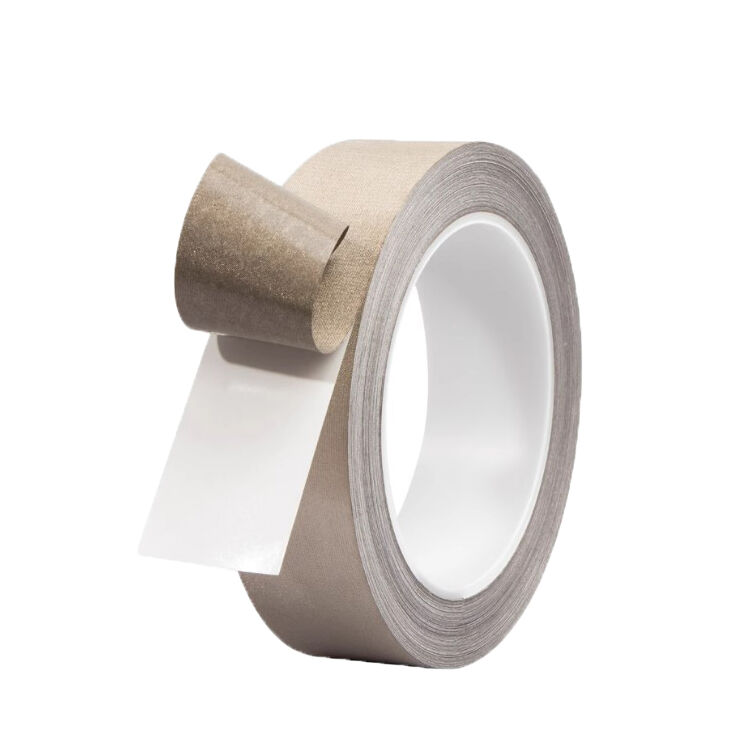
When it comes to electronic repairs, choosing the right conductive tape can mean the difference between a lasting fix and a recurring failure. Conductive tape is used across a wide range of applications, from PCB shielding and grounding to EMI suppression and component bonding. However, not all conductive tape products deliver the same level of performance, and distinguishing quality from mediocrity requires a trained eye and clear evaluation criteria.
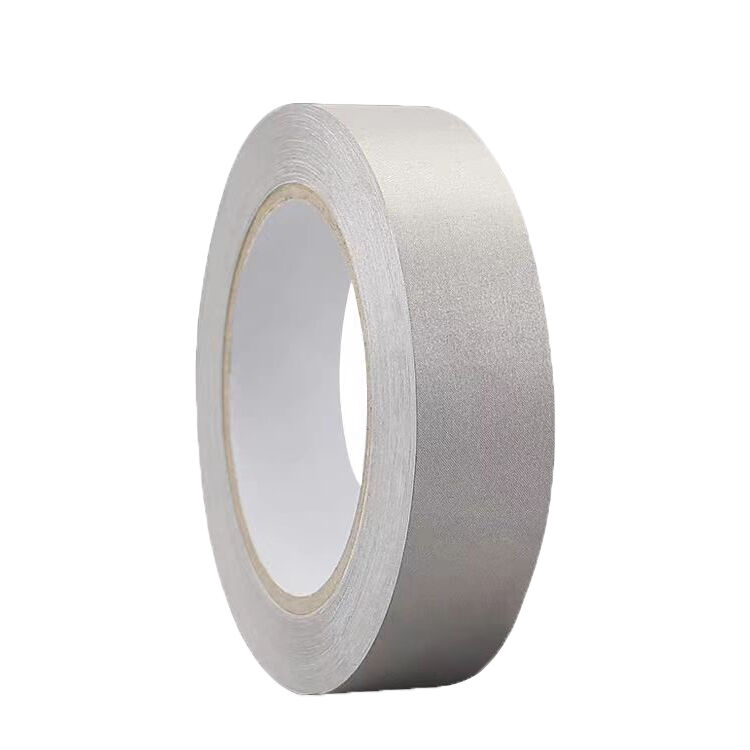
This guide is specifically designed for electronics technicians, repair professionals, and procurement specialists who need to assess conductive tape quality before committing to a purchase or a repair job. By understanding what separates a premium conductive tape from a substandard one, you can avoid costly rework, signal interference issues, and adhesion failures that compromise the integrity of any electronic assembly.
Material Composition and Conductivity Standards
What the Base Material Reveals About Conductive Tape Quality
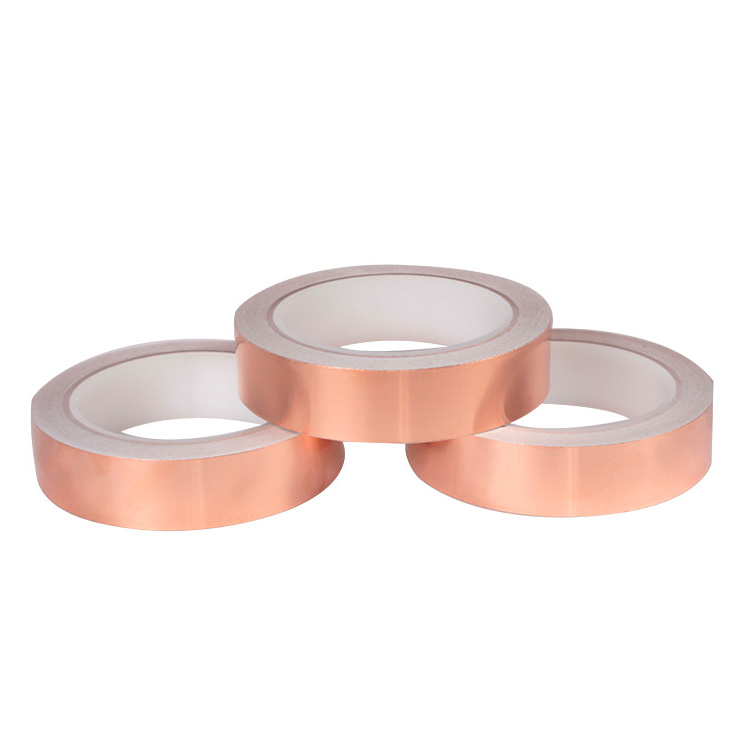
The foundation of any high-performance conductive tape lies in its base material. Premium conductive tape typically uses a nickel-copper fabric or a pure copper foil as the conductive layer. Nickel-copper fabric conductive tape offers excellent flexibility, conformability, and resistance to oxidation, making it particularly suitable for irregular surfaces and tight repair spaces. If the conductive tape you are evaluating uses a thin, dull, or easily torn base layer, that is a strong indicator of inferior material quality.
A reliable conductive tape should maintain consistent surface resistivity across its entire width and length. When tested with a multimeter, a quality conductive tape will show very low resistance, often below 0.05 ohms per square. Inconsistent readings across the same strip of conductive tape suggest uneven metal deposition or coating defects that will undermine electrical continuity in real-world repair applications.
Evaluating the Conductive Adhesive Layer
Beyond the base material, the adhesive layer of a conductive tape plays a critical role in both electrical performance and mechanical reliability. High-quality conductive tape uses a conductive adhesive that maintains electrical contact even under thermal cycling, vibration, and humidity. The adhesive must bond firmly to metal surfaces, FR4 PCB substrates, and housing plastics without leaving residue or losing grip over time.
When you press a quality conductive tape onto a surface and measure resistance through the adhesive side, the reading should remain stable and low. If the conductive tape shows high resistance through its adhesive, it will fail to create a proper ground path or shielding connection, rendering it ineffective for precision electronic repair work. Always test the adhesive-side conductivity before committing to any conductive tape for mission-critical repairs.
Physical and Mechanical Quality Indicators
Surface Finish and Uniformity of Conductive Tape
Visual inspection is a fast and practical way to begin assessing conductive tape quality. A premium conductive tape should have a smooth, uniform, and metallic surface with no visible wrinkles, gaps, or discolorations. Blotchy patches, oxidation marks, or inconsistent surface sheen on a conductive tape suggest poor manufacturing controls or degraded metal coating layers.
The width and edge cuts of the conductive tape should be clean and precise. Ragged edges or irregular widths on a conductive tape roll indicate poor die-cutting processes, which will make the tape harder to apply accurately on fine-pitch PCB areas or compact device housings. In professional electronic repair environments, the physical precision of conductive tape directly affects placement accuracy and the reliability of the finished repair.
Thickness Consistency and Tensile Strength
High-quality conductive tape maintains a consistent thickness from one end of the roll to the other. Variations in thickness within the same roll of conductive tape can lead to uneven pressure distribution when applied, which causes intermittent contact failures. A professional-grade conductive tape should withstand reasonable tensile stress without tearing or delaminating during handling and application.
Flex the conductive tape gently between your fingers. A quality conductive tape will retain its shape and not crack, peel, or lose adhesion under slight mechanical stress. Cracking in the metal layer of a conductive tape when bent is a red flag that indicates brittle coating or low-grade base material. For electronic repairs involving curved surfaces or repeated assembly cycles, tensile and flex performance of the conductive tape is a non-negotiable quality benchmark.
Shielding Performance and Application-Specific Suitability
EMI Shielding Effectiveness of Conductive Tape
One of the primary reasons conductive tape is used in electronic repairs is to provide EMI and RFI shielding. A high-quality conductive tape should offer measurable shielding effectiveness, typically expressed in decibels across a defined frequency range. For PCB-level repairs and device enclosures, conductive tape with nickel-copper construction generally delivers superior shielding compared to single-metal or non-fabric variants.
When evaluating conductive tape for shielding applications, request documentation from the supplier covering shielding effectiveness data. A reputable conductive tape product will have test reports showing performance across frequencies relevant to your application. Vague claims without supporting data are a warning sign that the conductive tape may not meet your actual EMI suppression requirements.
Suitability for PCB and Precision Electronic Repairs
Not every conductive tape is suitable for delicate PCB repairs. High-quality conductive tape for electronics should be thin enough to fit within tight component clearances, yet robust enough to provide a durable electrical bridge or shield. The conductive tape must also be compatible with soldering temperatures if it will be used near heat-exposed components, and it should not outgas or degrade under typical rework conditions.
Consider the operating environment where the repaired device will function. Conductive tape used in high-humidity or high-temperature applications must retain both its adhesion and electrical performance under those conditions. Selecting conductive tape without verifying environmental ratings often leads to premature failure, especially in industrial or automotive electronics where exposure conditions are demanding.
FAQ
How do I test conductive tape conductivity before using it in a repair?
You can use a standard digital multimeter set to resistance mode. Place one probe on each end of a short strip of conductive tape and check the reading. A high-quality conductive tape should show very low resistance, ideally under 0.1 ohms. Also test through the adhesive side by pressing the tape onto a clean metal surface and measuring between the tape surface and the substrate. Consistent, low readings confirm that the conductive tape will maintain reliable electrical continuity in your repair.
Can conductive tape replace soldering in electronic repairs?
Conductive tape can serve as a practical alternative to soldering in certain scenarios, particularly for temporary repairs, grounding connections, and shielding applications where heat application is not feasible. However, conductive tape is not a universal replacement for soldering in high-current or high-vibration environments. The suitability of conductive tape as a solder alternative depends on the specific current load, mechanical stress, and long-term reliability requirements of the repair application.
What is the difference between conductive tape with and without conductive adhesive?
Conductive tape with a conductive adhesive allows electrical current to flow through both the tape body and the adhesive layer, enabling grounding and shielding connections directly through the bond line. Conductive tape with a non-conductive adhesive only conducts through its surface and edges, which limits its use to surface shielding rather than through-bond electrical contact. For most electronic repair applications requiring reliable grounding or full EMI shielding, conductive tape with a conductive adhesive is the more effective and recommended choice.
