
 EN
EN
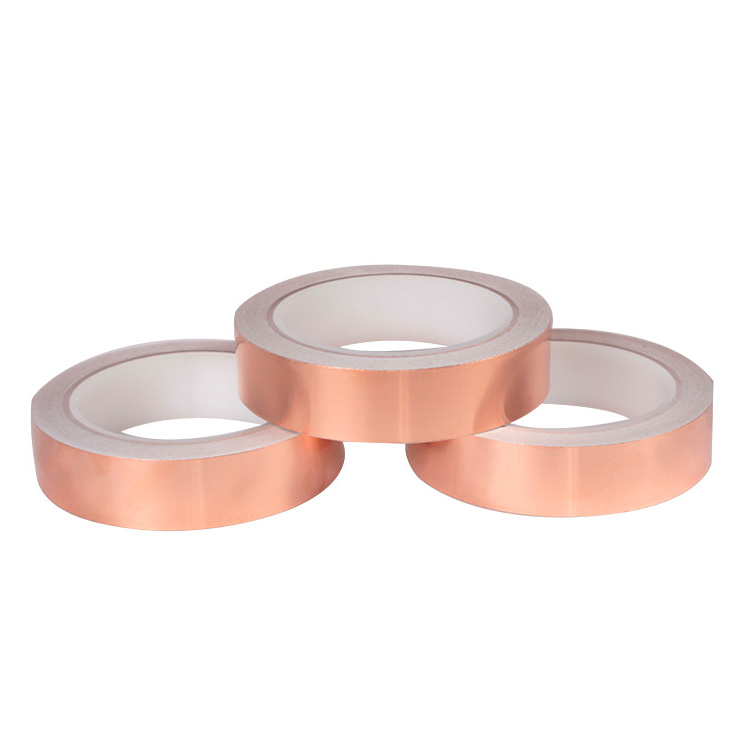
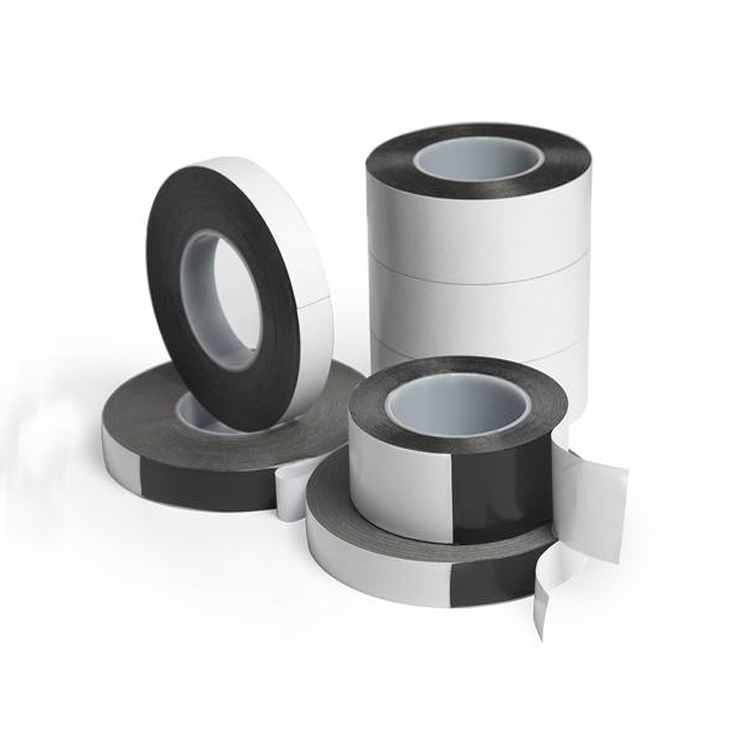
When engineers face the challenge of achieving reliable electrical grounding in confined or irregularly shaped enclosures, conductive fabric tape has become a trusted solution. Unlike rigid grounding components, conductive fabric tape conforms to curved surfaces, narrow channels, and overlapping seams where conventional hardware simply cannot reach. Its combination of mechanical flexibility and electrical conductivity makes conductive fabric tape a practical choice for modern electronic assemblies that demand compact, high-performance designs.
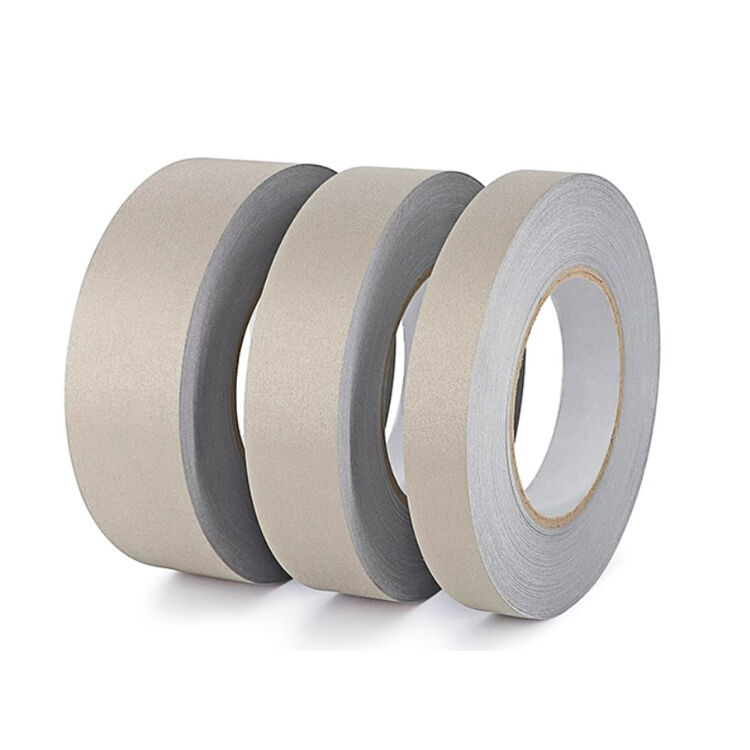
The growing complexity of electronic devices means that grounding paths must be established in increasingly limited space. Conductive fabric tape addresses this reality by providing a thin, peel-and-stick format that integrates directly into the assembly workflow. Whether used in consumer electronics, medical devices, or industrial control panels, conductive fabric tape delivers consistent low-resistance contact without adding bulk or requiring special tooling. This article explains how conductive fabric tape works in tight spaces, why its material properties matter, and what engineers should consider when selecting and applying it.
The Material Science Behind Conductive Fabric Tape
How the Fabric Layer Enables Conformability
Conductive fabric tape is built around a woven or knitted metallic fabric, typically made from fibers coated with nickel, copper, or a combination of both. This fabric layer is what gives conductive fabric tape its exceptional flexibility. Unlike foil-based tapes that crack or wrinkle under bending stress, conductive fabric tape stretches slightly and molds against uneven substrates. In tight spaces where a grounding path must follow a non-linear route, conductive fabric tape maintains continuous metal-to-metal contact across the entire bonded surface. The fabric construction also allows conductive fabric tape to absorb minor mechanical vibration, which is important in assemblies subject to movement or thermal cycling. Engineers appreciate that conductive fabric tape retains its conductivity even after repeated flexing, making it suitable for applications where long-term reliability is non-negotiable.
The Role of Conductive Adhesive in Tight-Space Applications
The adhesive layer of conductive fabric tape is not merely a bonding agent — it is an active part of the electrical pathway. High-quality conductive fabric tape uses a pressure-sensitive adhesive filled with conductive particles, ensuring that electrical continuity is maintained through the bond line itself. This is especially critical in tight spaces where the tape may be pressed against a recessed ground pad or a narrow metal flange. When conductive fabric tape is applied with firm, even pressure, the conductive adhesive flows slightly into surface micro-irregularities, maximizing contact area and minimizing contact resistance. Choosing conductive fabric tape with the correct adhesive thickness and particle loading is therefore a key engineering decision, particularly for EMC shielding applications where even small impedance discontinuities can degrade performance.
Applying Conductive Fabric Tape in Confined Assemblies
Die-Cut Formats and Custom Shapes
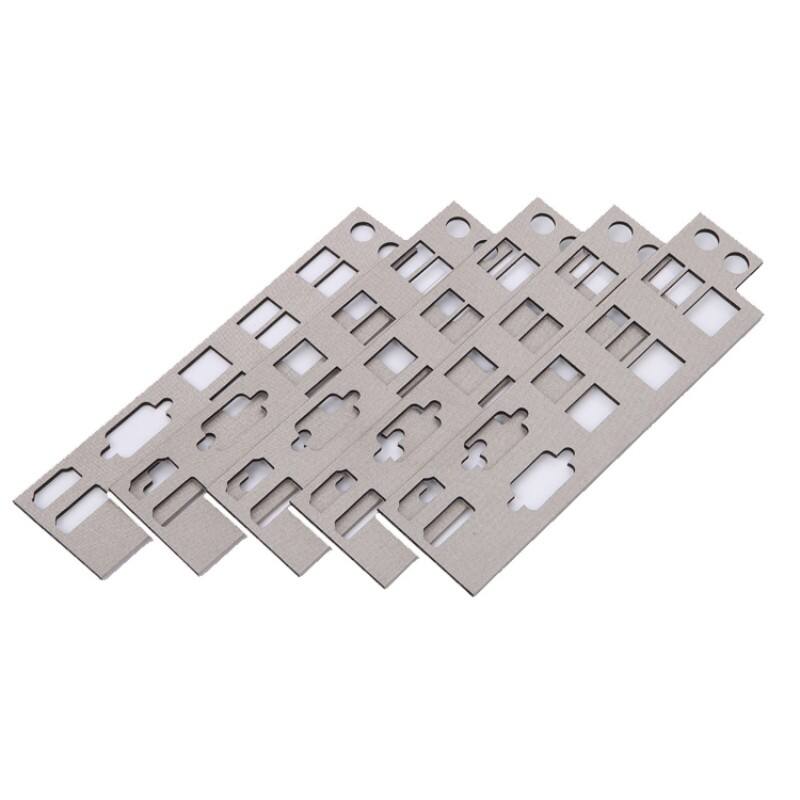
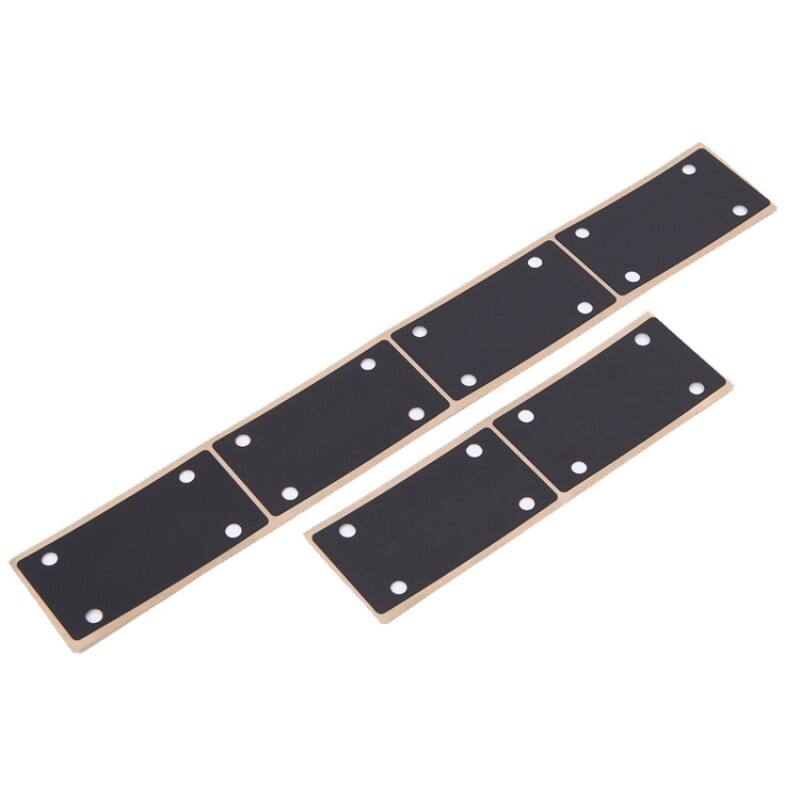
One of the most practical advantages of conductive fabric tape in tight-space scenarios is the availability of custom die-cut shapes. Rather than cutting conductive fabric tape by hand in the field — which risks ragged edges and inconsistent dimensions — engineers can specify precision die-cut pieces that fit exactly into designated grounding zones. Die-cut conductive fabric tape eliminates guesswork during assembly, reduces waste, and ensures repeatable placement accuracy across production volumes. For devices with complex internal geometries, conductive fabric tape can be die-cut into narrow strips, L-shapes, or even multi-tab configurations that simultaneously ground several contact points in one placement step. This level of customization means conductive fabric tape can solve grounding challenges that would otherwise require expensive secondary hardware or design compromises.
Installation Techniques That Maximize Contact Quality
Applying conductive fabric tape correctly in tight spaces requires attention to surface preparation and pressure application. The substrate should be clean, dry, and free from oils or oxidation before conductive fabric tape is placed. Even a thin layer of contamination can increase contact resistance significantly. Once the conductive fabric tape is positioned, applying firm pressure with a roller tool or a firm thumb stroke activates the adhesive and ensures intimate contact between the tape's fabric layer and the grounding surface. In enclosed spaces where a roller cannot be used, a blunt stylus or the back of a tool handle can apply localized pressure. Engineers should also consider the operating temperature range of the conductive fabric tape to confirm it remains securely bonded throughout the device's lifecycle. Proper installation of conductive fabric tape is straightforward, but these small steps make a measurable difference in electrical performance.
Why Conductive Fabric Tape Outperforms Alternatives in Tight Spaces
Comparing Conductive Fabric Tape to Foil and Gasket Solutions
In tight spaces, conductive fabric tape consistently outperforms alternatives such as metal foil tape or form-in-place gaskets. Metal foil tape is rigid and prone to tearing when bent around corners, making it difficult to apply cleanly in narrow channels. Form-in-place gasket materials require dispensing equipment and curing time, which adds process complexity and cost. Conductive fabric tape, by contrast, is applied instantly, requires no curing, and follows contours without cracking. Its fabric construction also provides better resistance to abrasion, which matters in assemblies where components slide or shift during installation. For high-volume manufacturing, conductive fabric tape offers the ideal balance of performance, processability, and cost efficiency. Engineers who switch to conductive fabric tape often report fewer grounding-related field failures and shorter assembly times.
EMC Shielding Performance in Compact Designs
Beyond grounding, conductive fabric tape plays a significant role in EMC shielding within compact electronic designs. By bridging gaps between shielding enclosures or connecting shield layers across seams, conductive fabric tape reduces electromagnetic leakage at frequencies where traditional hardware solutions are impractical. The broad, continuous contact surface of conductive fabric tape creates a low-impedance path that performs well across a wide frequency range. In devices where every millimeter of space is allocated, conductive fabric tape allows designers to maintain shielding integrity without sacrificing layout efficiency. This dual function — grounding and EMC shielding — makes conductive fabric tape an exceptionally versatile material in modern electronics design.
FAQ
What surfaces is conductive fabric tape compatible with?
Conductive fabric tape bonds reliably to most clean metal surfaces including copper, aluminum, steel, and nickel-plated substrates. It also adheres to many plastic housings when a conductive coating or paint is present. Surface preparation is the most important factor — conductive fabric tape performs best on surfaces free from oils, dust, and oxidation.
Can conductive fabric tape be used in high-temperature environments?
Many grades of conductive fabric tape are formulated to withstand elevated temperatures, typically in the range of 80°C to 150°C depending on the adhesive system. Engineers should verify the specific thermal rating of the conductive fabric tape selected for their application, particularly in enclosures near power components or in industrial environments where ambient temperatures fluctuate widely.
How does die-cutting improve the reliability of conductive fabric tape in production?
Die-cutting ensures that each piece of conductive fabric tape is dimensionally consistent and correctly sized for its intended grounding pad or shielding zone. This removes variability introduced by manual cutting, reduces the risk of misplacement, and speeds up assembly. For high-volume production lines, die-cut conductive fabric tape also integrates easily with automated placement equipment, further improving process reliability and reducing human error.
