
 EN
EN


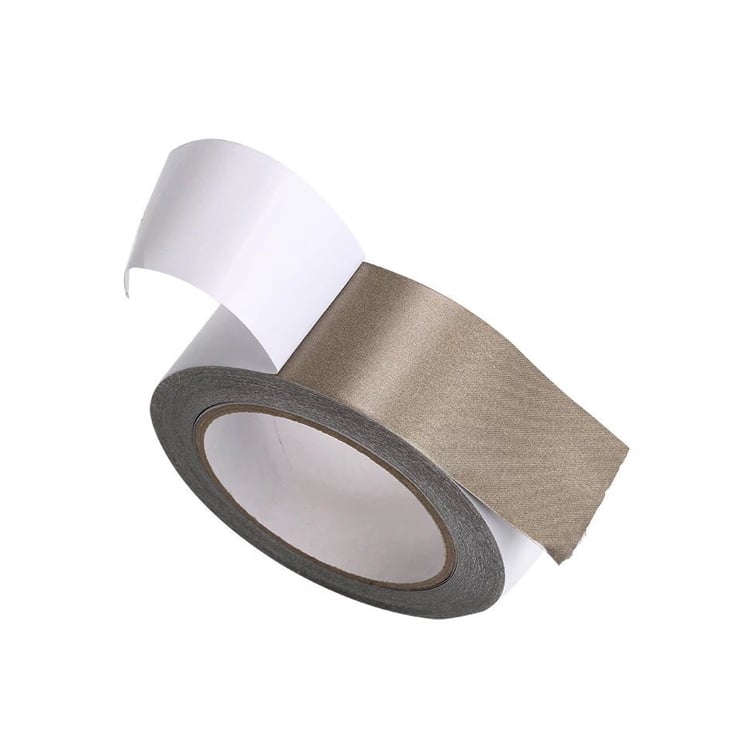
When engineers and facility managers evaluate thermal management solutions, aluminum foil tape for pipes consistently stands out as one of the most effective and versatile options available. Its ability to reflect radiant heat, seal joints, and protect pipe surfaces makes it a go-to material across HVAC, plumbing, refrigeration, and industrial piping systems. Understanding the specific heat reflection advantages of aluminum foil tape for pipes helps procurement teams and project engineers make informed decisions that directly impact system efficiency and energy costs.

Aluminum foil tape for pipes works on a simple but powerful physical principle: aluminum reflects a significant portion of infrared radiant energy rather than absorbing it. This reflective behavior reduces heat gain in cooling pipes and minimizes heat loss in heating pipes. As a result, aluminum foil tape for pipes contributes directly to maintaining target temperatures inside the pipe system, reducing the workload on mechanical equipment and lowering overall energy consumption. This article explores the core heat reflection advantages of aluminum foil tape for pipes in detail, covering material science, application scenarios, and performance considerations.
The Science Behind Heat Reflection in Pipe Systems
How Aluminum Reflects Radiant Heat
The heat reflection performance of aluminum foil tape for pipes is rooted in the emissivity properties of aluminum metal. Aluminum has a low emissivity value, typically around 0.03 to 0.05 for bright surfaces, which means it emits very little radiant heat and reflects the majority back toward its source. When aluminum foil tape for pipes is applied to the outer surface of a pipe, it creates a metallic barrier that bounces radiant thermal energy away from the pipe wall. This prevents external heat sources such as solar radiation or nearby hot equipment from transferring energy into cold supply pipes or refrigerant lines. Similarly, aluminum foil tape for pipes on hot water or steam pipes reflects internal radiant energy back inward, helping to retain heat within the system.
Reflectivity Versus Insulation
It is important to distinguish between reflective performance and conductive insulation when evaluating aluminum foil tape for pipes. Aluminum foil tape for pipes primarily controls radiant heat transfer, while foam or fiberglass insulation targets conductive and convective heat transfer. In many real-world applications, aluminum foil tape for pipes is used in combination with bulk insulation materials to achieve comprehensive thermal protection. The tape seals the outer layer of the insulation jacket, preventing air infiltration and moisture ingress while simultaneously reflecting radiant heat. This combination makes aluminum foil tape for pipes a critical component of any well-engineered pipe insulation system. Using aluminum foil tape for pipes as the outer finish layer maximizes both the reflective and sealing functions simultaneously.
Key Heat Reflection Advantages in Practical Applications
HVAC Duct and Refrigerant Pipe Protection
In HVAC systems, aluminum foil tape for pipes and duct surfaces plays a central role in maintaining conditioned air temperatures during transit. Refrigerant lines wrapped with aluminum foil tape for pipes experience significantly reduced heat gain from surrounding warm air, which means the compressor does not need to work as hard to maintain cooling capacity. This directly translates to energy savings and extended equipment lifespan. Aluminum foil tape for pipes applied along refrigerant suction lines is particularly valuable because these lines carry low-temperature gas that is highly susceptible to ambient heat pickup. Preventing that heat gain with aluminum foil tape for pipes maintains system efficiency and prevents compressor overheating caused by superheated suction gas.
Hot Water and Steam Pipe Applications
For hot water distribution and steam supply systems, aluminum foil tape for pipes helps retain thermal energy within the pipe network. Heat that would otherwise radiate outward from unprotected or poorly sealed pipe surfaces is reflected back by aluminum foil tape for pipes, reducing standby heat losses in distribution loops. In commercial buildings and industrial plants where long pipe runs are common, even modest improvements in thermal retention per meter of pipe can produce meaningful energy cost reductions across the entire system. Aluminum foil tape for pipes also protects the underlying pipe insulation from moisture, UV degradation, and mechanical abrasion, extending the service life of the complete insulation system. By maintaining the integrity of the insulation jacket, aluminum foil tape for pipes ensures that heat reflection performance is sustained over the long term.
Material Properties That Enhance Heat Reflection Performance
Surface Brightness and Foil Thickness
The heat reflection capability of aluminum foil tape for pipes depends heavily on the brightness and cleanliness of the aluminum surface. A bright, smooth foil surface achieves the highest reflectivity, so quality aluminum foil tape for pipes uses high-purity aluminum foil with a polished finish to maximize this performance. Foil thickness also matters: aluminum foil tape for pipes with sufficient gauge provides durability and resistance to tearing during installation, while still maintaining the low emissivity characteristics that drive heat reflection. Thin foil may wrinkle or puncture during pipe wrapping, creating gaps that reduce the effectiveness of aluminum foil tape for pipes in service.
Adhesive Performance Under Thermal Cycling
The adhesive layer in aluminum foil tape for pipes must maintain strong bonding through repeated thermal cycling as the pipe system heats and cools. A high-quality acrylic or rubber-based adhesive in aluminum foil tape for pipes ensures that the tape remains fully adhered to the pipe surface or insulation jacket without lifting at edges or peeling at seams. Any gap or lift in aluminum foil tape for pipes creates a thermal bridge that allows radiant heat to bypass the reflective barrier, reducing system performance. Specifying aluminum foil tape for pipes with a proven adhesive system rated for the expected temperature range is therefore essential for maintaining long-term heat reflection performance in both high-temperature and low-temperature piping applications.
FAQ
Does aluminum foil tape for pipes work in outdoor environments?
Yes, aluminum foil tape for pipes is well-suited for outdoor use because it reflects solar radiant heat and resists UV degradation better than polymer-based tapes. However, selecting aluminum foil tape for pipes with a UV-stable adhesive and a sealed foil surface is recommended for prolonged outdoor exposure to ensure adhesion and reflective performance are maintained.
Can aluminum foil tape for pipes be used on both hot and cold piping systems?
Aluminum foil tape for pipes is effective on both hot and cold systems. On cold pipes, it reflects external radiant heat away from the pipe to prevent heat gain. On hot pipes, aluminum foil tape for pipes helps retain thermal energy by reflecting internal radiant heat back toward the pipe surface, reducing heat loss to the surrounding environment.
How does aluminum foil tape for pipes compare to plain insulation without foil?
Plain insulation without a foil facing primarily addresses conductive heat transfer but does not reflect radiant energy. Aluminum foil tape for pipes adds a reflective layer that controls radiant heat transfer, seals joints against air and moisture infiltration, and protects the insulation surface. Together, aluminum foil tape for pipes and bulk insulation provide a more complete thermal barrier than insulation alone.
