Premium Nickel Copper Conductive Fabric - Advanced EMI Shielding Solutions for Industrial Applications

All Categories

Get a Free Quote

Our representative will contact you soon.
Email
Name
Company Name
Message
0/1000

nickel copper conductive fabric

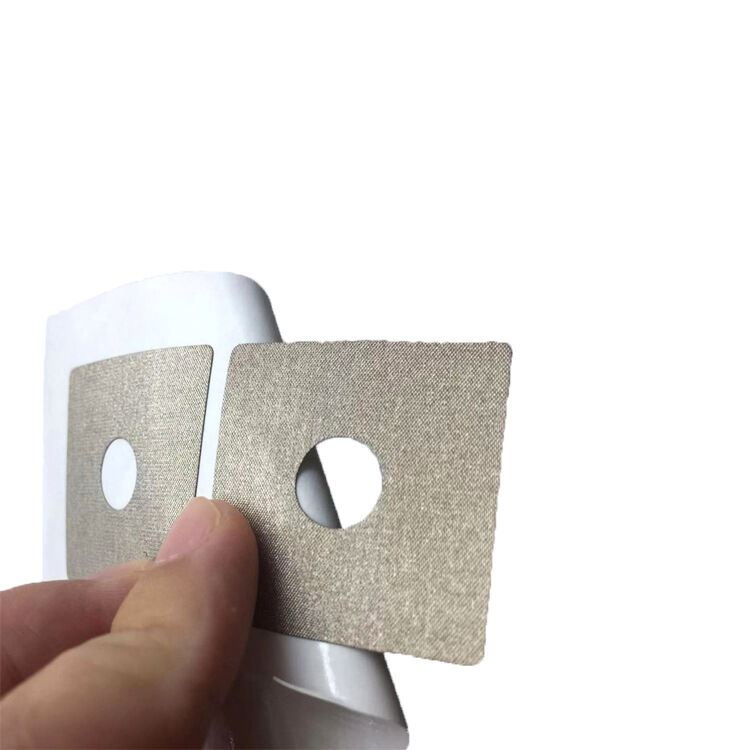
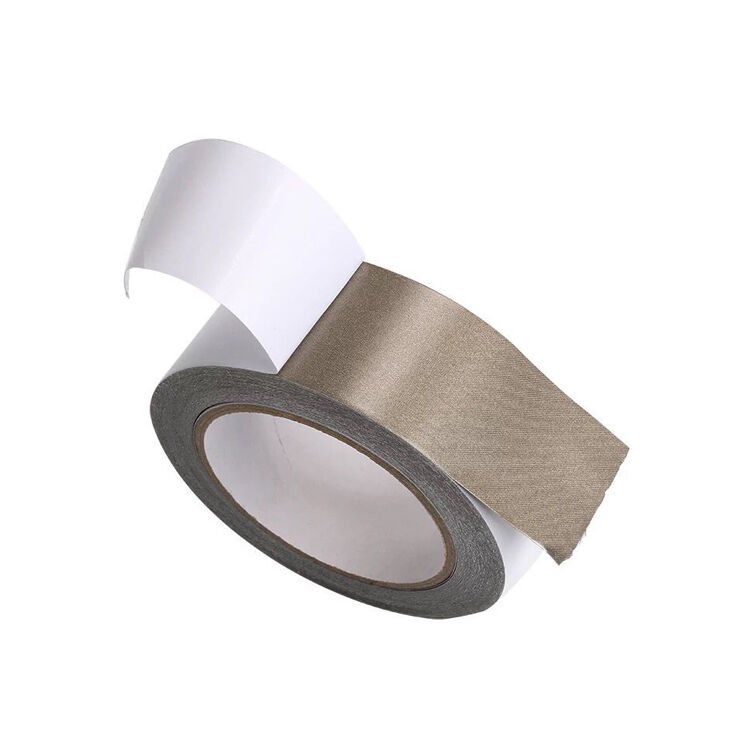
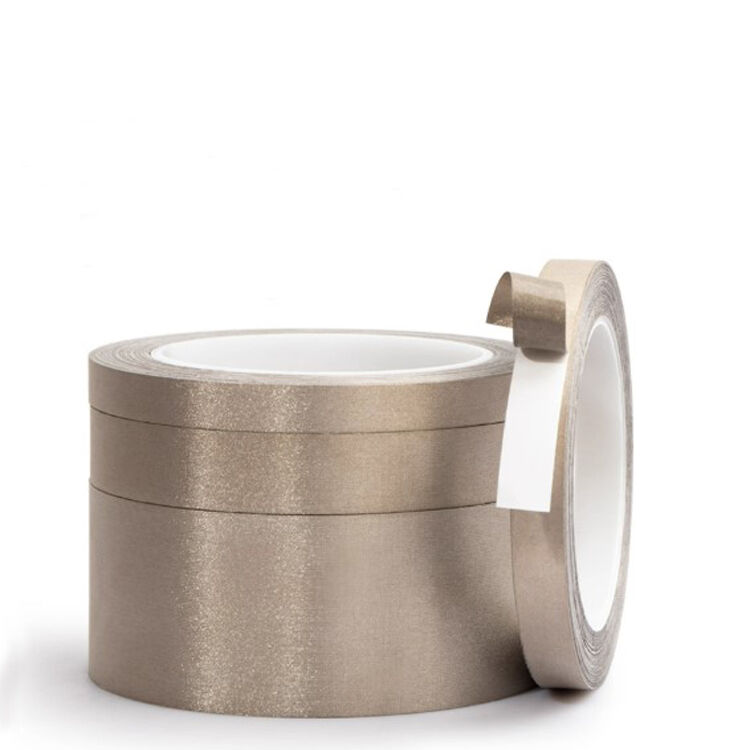
Nickel copper conductive fabric represents a revolutionary advancement in textile technology, combining the exceptional electrical conductivity of metals with the flexibility and versatility of traditional fabrics. This innovative material consists of textile fibers that have been meticulously coated or integrated with nickel and copper particles, creating a fabric that maintains excellent electrical properties while preserving the comfort and durability expected from modern textiles. The nickel copper conductive fabric serves multiple critical functions across various industries, primarily focusing on electromagnetic interference shielding, static electricity dissipation, and electrical grounding applications. The technological features of this material include superior conductivity levels typically ranging from 0.1 to 10 ohms per square, excellent durability under mechanical stress, and remarkable resistance to environmental factors such as moisture and temperature fluctuations. Manufacturing processes involve advanced techniques including electroless plating, vapor deposition, or yarn integration methods that ensure uniform distribution of conductive particles throughout the fabric structure. The applications for nickel copper conductive fabric span numerous sectors including aerospace, automotive, medical devices, electronics manufacturing, and personal protective equipment. In aerospace applications, this material provides essential electromagnetic shielding for sensitive avionics systems while maintaining lightweight characteristics crucial for flight efficiency. The automotive industry utilizes these fabrics in electric vehicle battery compartments and electronic control unit housings where electromagnetic compatibility is paramount. Medical device manufacturers incorporate nickel copper conductive fabric into patient monitoring equipment, surgical instruments, and diagnostic machinery to prevent interference and ensure accurate readings. Electronics manufacturing facilities employ this material for workstation surfaces, packaging materials, and cleanroom garments to maintain electrostatic discharge protection protocols. The fabric's unique combination of metallic conductivity and textile flexibility makes it an indispensable component in modern technology-driven environments where electrical performance cannot be compromised.

New Products

Nickel copper conductive fabric offers numerous practical benefits that make it an superior choice for applications requiring both electrical functionality and textile versatility. The primary advantage lies in its exceptional electromagnetic interference shielding effectiveness, which typically achieves 40-80 decibels of attenuation across broad frequency ranges. This performance level ensures reliable protection for sensitive electronic equipment against external electromagnetic disturbances while maintaining signal integrity within protected environments. The durability characteristics of nickel copper conductive fabric surpass traditional conductive materials, withstanding thousands of wash cycles without significant degradation in electrical properties. This longevity translates directly into cost savings for customers through reduced replacement frequencies and maintenance requirements. The fabric maintains its flexibility and drapeability even after extensive use, allowing for complex geometric configurations and comfortable wearability in garment applications. Temperature stability represents another significant advantage, with nickel copper conductive fabric maintaining consistent electrical performance across temperature ranges from -40°C to +200°C, making it suitable for extreme environmental conditions. The material demonstrates excellent corrosion resistance due to the protective properties of the nickel coating, ensuring long-term reliability in humid or chemically challenging environments. Manufacturing versatility allows nickel copper conductive fabric to be processed using standard textile techniques including cutting, sewing, welding, and laminating, enabling seamless integration into existing production workflows. The fabric provides consistent surface resistivity measurements across its entire area, eliminating hot spots or dead zones that could compromise electrical performance. Weight considerations favor nickel copper conductive fabric over solid metal alternatives, reducing overall system weight while maintaining equivalent shielding effectiveness. The material offers excellent breathability characteristics when used in protective clothing applications, ensuring user comfort during extended wear periods. Cost-effectiveness emerges through the fabric's ability to replace multiple separate components with a single multifunctional material, simplifying design requirements and reducing inventory complexity. The biocompatibility of properly processed nickel copper conductive fabric makes it suitable for medical applications where direct skin contact may occur, expanding its potential applications in healthcare technology. Environmental sustainability benefits include the recyclability of the metallic components and the potential for fabric reprocessing at end-of-life, supporting circular economy principles in manufacturing operations.

Practical Tips

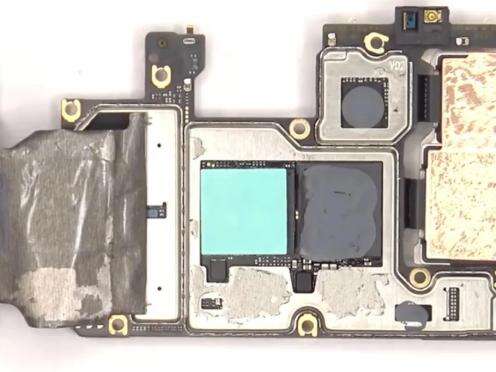
Shenzhen Johan Material Technology Co., Ltd. Has Obtained a Patent for Shielding Cover Structure for Circuit Boards

05

Dec

Shenzhen Johan Material Technology Co., Ltd. Has Obtained a Patent for Shielding Cover Structure for Circuit Boards

View More
Shenzhen New Horizon

21

Nov

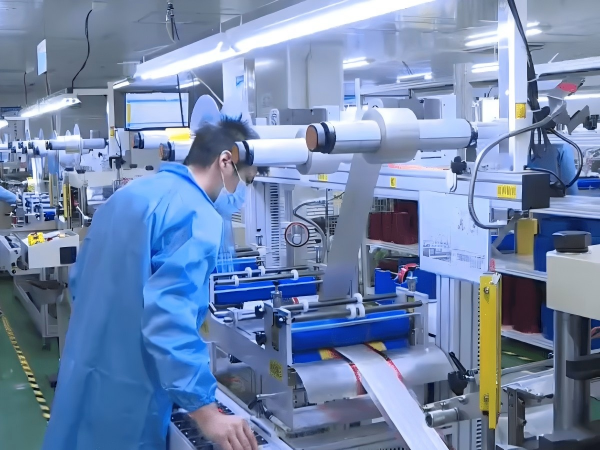
Shenzhen New Horizon "Released and Broadcasted on Shenzhen Television - Shenzhen Johan Material Technology Co., Ltd

View More
New Product | Johan High Performance Aluminum Foil Tape, the Best Choice for Electromagnetic Shielding

05

Feb

New Product | Johan High Performance Aluminum Foil Tape, the Best Choice for Electromagnetic Shielding

View More
Unitedas One, Moving Forward Courageously ShenzhenJohanMaterial Technology Co., Ltd. 2026 Annual Ceremony and Awards Ceremony

05

Feb

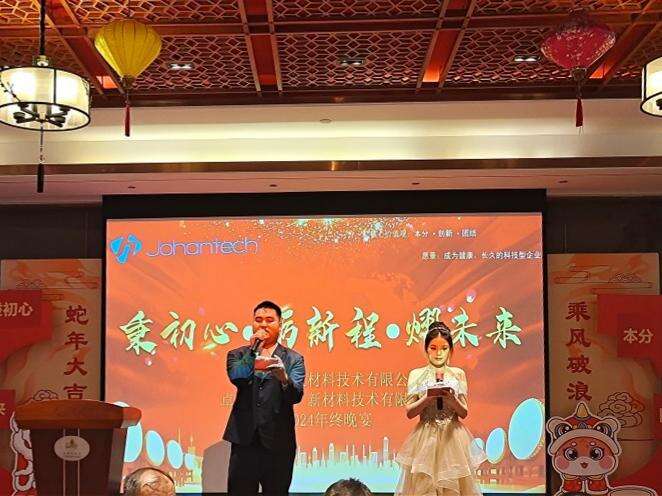
Unitedas One, Moving Forward Courageously ShenzhenJohanMaterial Technology Co., Ltd. 2026 Annual Ceremony and Awards Ceremony

View More

Get a Free Quote

Our representative will contact you soon.
Email
Name
Company Name
Message
0/1000

nickel copper conductive fabric

Superior Electromagnetic Shielding Performance

Superior Electromagnetic Shielding Performance

The electromagnetic shielding capabilities of nickel copper conductive fabric represent one of its most compelling features, delivering industry-leading protection against electromagnetic interference across an extensive frequency spectrum. This exceptional performance stems from the synergistic combination of nickel and copper particles that create a continuous conductive network throughout the fabric structure, effectively forming a Faraday cage barrier against unwanted electromagnetic radiation. Testing results consistently demonstrate shielding effectiveness values exceeding 60 decibels across frequencies ranging from 10 MHz to 10 GHz, with peak performance often reaching 80 decibels in critical frequency bands. This level of protection ensures that sensitive electronic equipment operates without interference from external sources such as radio transmissions, cellular communications, or industrial electromagnetic emissions. The uniform distribution of conductive particles throughout the fabric matrix eliminates the weak points commonly found in traditional shielding solutions, providing consistent protection even when the material is stretched, bent, or formed into complex shapes. For customers operating in electromagnetically sensitive environments such as hospitals, research laboratories, or aerospace facilities, this reliability translates into reduced equipment malfunction rates, improved measurement accuracy, and enhanced system performance. The broad frequency coverage makes nickel copper conductive fabric particularly valuable in modern applications where multiple communication protocols and electronic systems operate simultaneously within confined spaces. Unlike rigid metallic shields that may create reflection problems or require complex grounding schemes, the fabric-based solution absorbs and dissipates electromagnetic energy while maintaining mechanical flexibility. This characteristic proves especially beneficial in applications where traditional shielding methods would be impractical due to space constraints, weight limitations, or mechanical requirements. The shielding performance remains stable over extended periods and through repeated mechanical stress cycles, ensuring long-term protection for critical systems without the need for frequent replacement or maintenance interventions.
Exceptional Durability and Longevity

Exceptional Durability and Longevity

The durability characteristics of nickel copper conductive fabric set new standards for conductive textile materials, delivering exceptional longevity that translates directly into superior value proposition for industrial and commercial applications. The advanced bonding techniques used in manufacturing ensure that the metallic particles form permanent attachments to the textile substrate, resisting delamination, flaking, or degradation even under severe mechanical stress conditions. Laboratory testing confirms that nickel copper conductive fabric maintains over 90 percent of its original electrical conductivity after 10,000 flex cycles, demonstrating remarkable resilience in dynamic applications where repeated bending or stretching occurs. The material withstands industrial washing processes including high-temperature cleaning, chemical detergents, and mechanical agitation without significant deterioration in performance characteristics. This washability feature proves invaluable for applications in cleanroom environments, medical facilities, or food processing operations where regular sanitization is mandatory. The corrosion resistance provided by the nickel coating system protects the underlying copper from environmental degradation, ensuring stable electrical properties even in humid, salty, or chemically aggressive atmospheres. Temperature cycling tests reveal minimal change in electrical properties across temperature ranges from cryogenic conditions to elevated operating temperatures, making the material suitable for aerospace, automotive, and industrial applications with extreme thermal environments. The fabric structure itself contributes to durability through the use of high-strength synthetic fibers that resist tearing, abrasion, and UV degradation while maintaining their integrity under prolonged exposure to harsh environmental conditions. For customers, this exceptional durability translates into reduced replacement costs, decreased maintenance requirements, and improved system reliability over extended operational periods. The long service life of nickel copper conductive fabric enables more predictable budgeting and reduces the logistical challenges associated with frequent material replacements in critical applications. Quality control measures during manufacturing ensure consistent performance characteristics across production batches, providing customers with reliable specifications for design and planning purposes. The material's ability to maintain its properties over time makes it an ideal choice for permanent installations where access for maintenance or replacement would be difficult or expensive.
Versatile Processing and Application Flexibility

Versatile Processing and Application Flexibility

The processing versatility of nickel copper conductive fabric represents a significant competitive advantage, enabling seamless integration into diverse manufacturing workflows while maintaining the specialized electrical properties required for demanding applications. This material can be processed using conventional textile manufacturing equipment including industrial cutting systems, automated sewing machines, ultrasonic welding equipment, and heat-press lamination tools without requiring specialized tooling or extensive process modifications. The compatibility with standard textile processing techniques allows manufacturers to leverage existing production capabilities while adding advanced electrical functionality to their products, reducing capital investment requirements and minimizing learning curves for production personnel. Die-cutting operations produce clean edges without fraying or delamination of the conductive coating, enabling precise geometric shapes for complex electronic assemblies or tight-fitting enclosures. The fabric accepts various joining methods including mechanical fastening, adhesive bonding, and fusion welding, providing design engineers with multiple options for creating permanent or removable connections depending on application requirements. Lamination capabilities allow nickel copper conductive fabric to be bonded with other materials such as foam cores, plastic films, or additional textile layers to create composite structures with enhanced properties for specific applications. The material demonstrates excellent compatibility with coating processes, accepting additional protective layers, decorative finishes, or specialized treatments without compromising its electrical characteristics. Screen printing and digital printing technologies can apply graphics, identification markings, or functional patterns directly onto the fabric surface, supporting applications where visual identification or aesthetic considerations are important. The flexibility of nickel copper conductive fabric enables three-dimensional forming operations, allowing the creation of complex shapes such as equipment covers, protective garments, or architectural elements without creating stress concentrations that might compromise electrical continuity. For customers in industries such as automotive, aerospace, or consumer electronics, this processing versatility translates into reduced design constraints, shorter development cycles, and lower tooling costs compared to rigid metallic alternatives. The ability to create hybrid structures combining the fabric with other materials opens new possibilities for innovative product designs that would be impossible with traditional shielding approaches, providing competitive advantages in rapidly evolving technology markets.


Get a Free Quote

Our representative will contact you soon.
Email
Name
Company Name
Message
0/1000