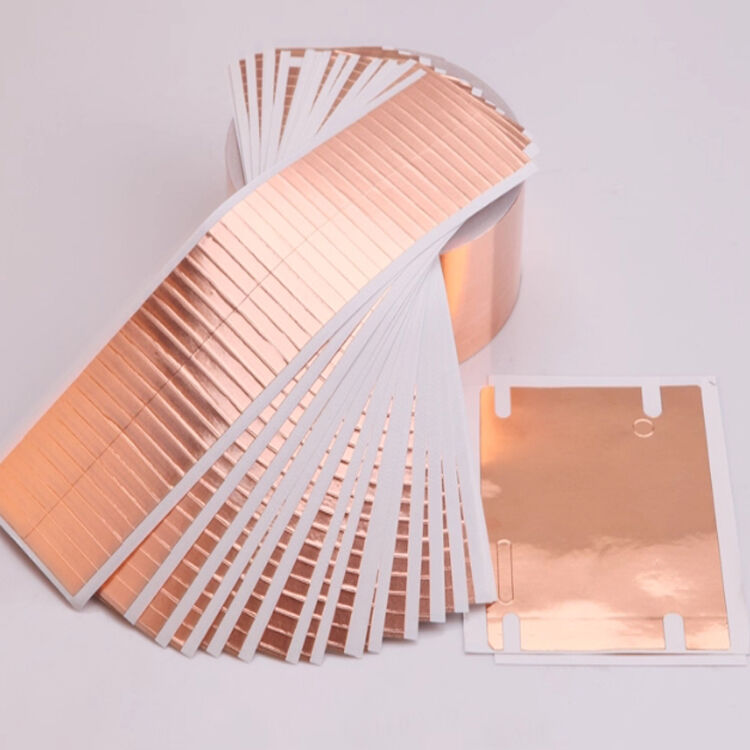
Conductive Fabric Tape for Electronics: Advanced EMI Shielding Solutions

All Categories

Get a Free Quote

Our representative will contact you soon.
Email
Name
Company Name
Message
0/1000

conductive fabric tape for electronics

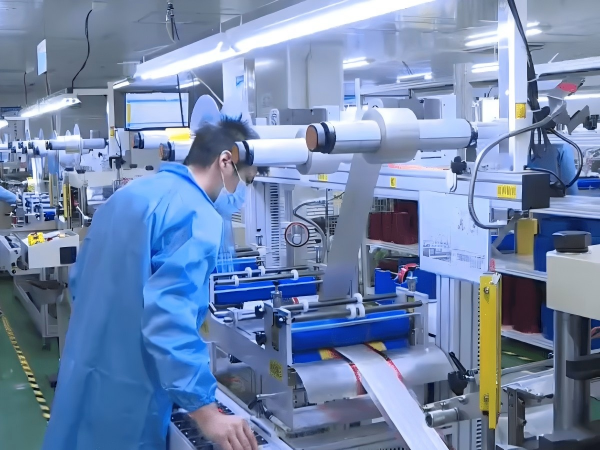
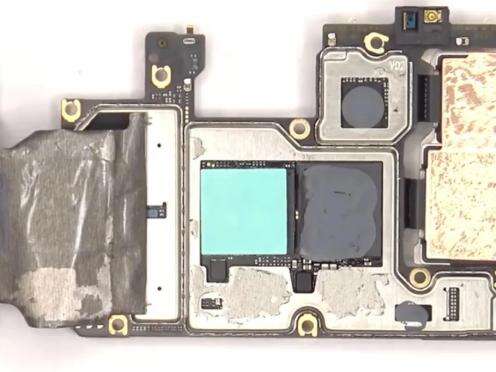
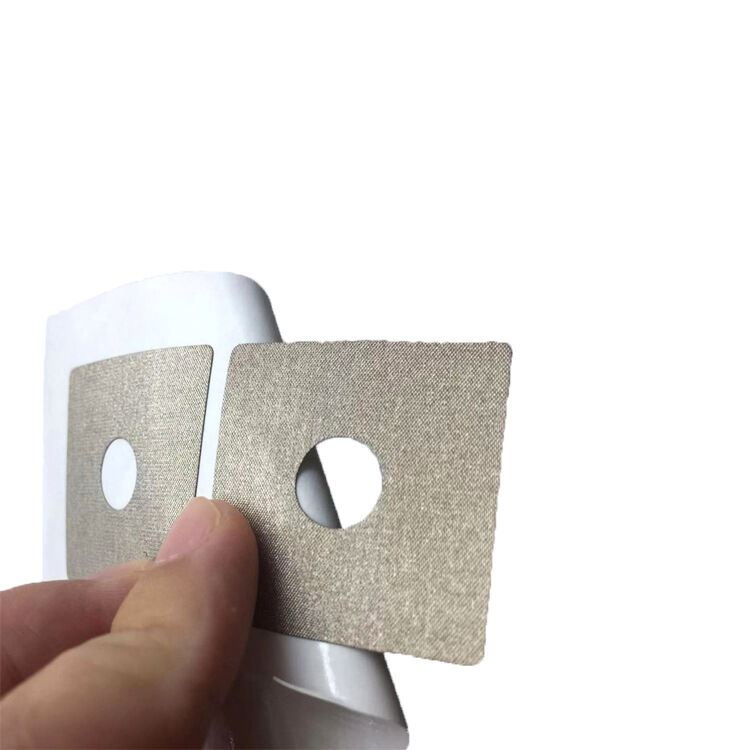
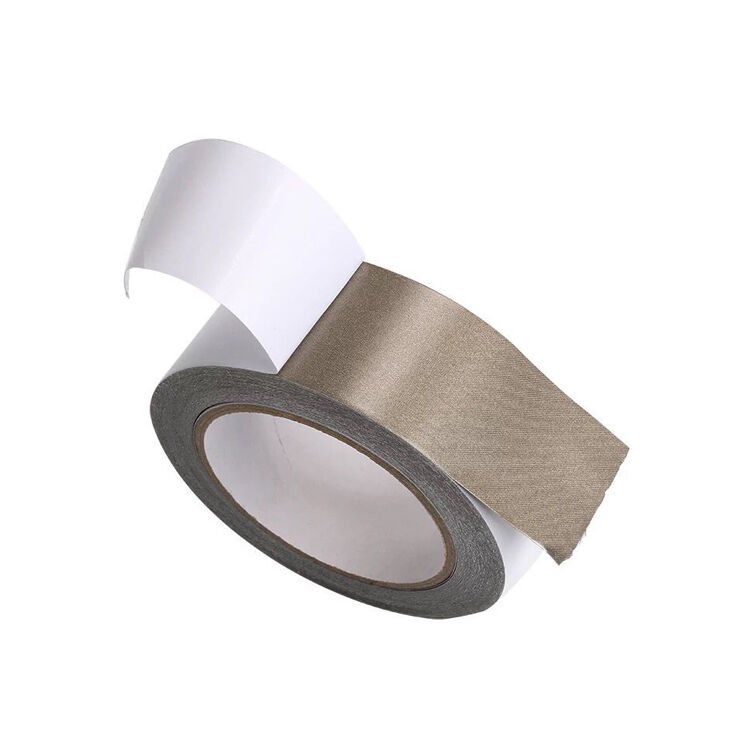
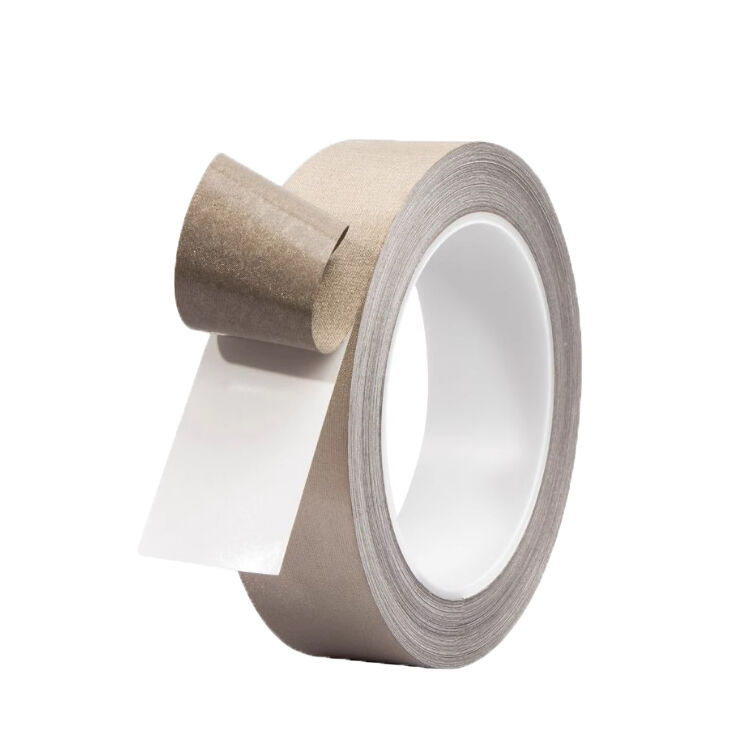
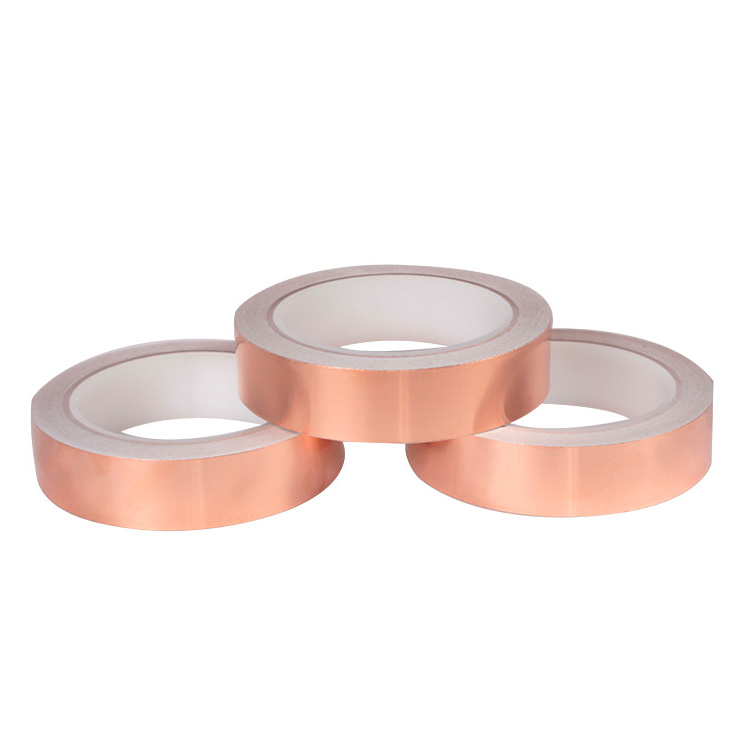
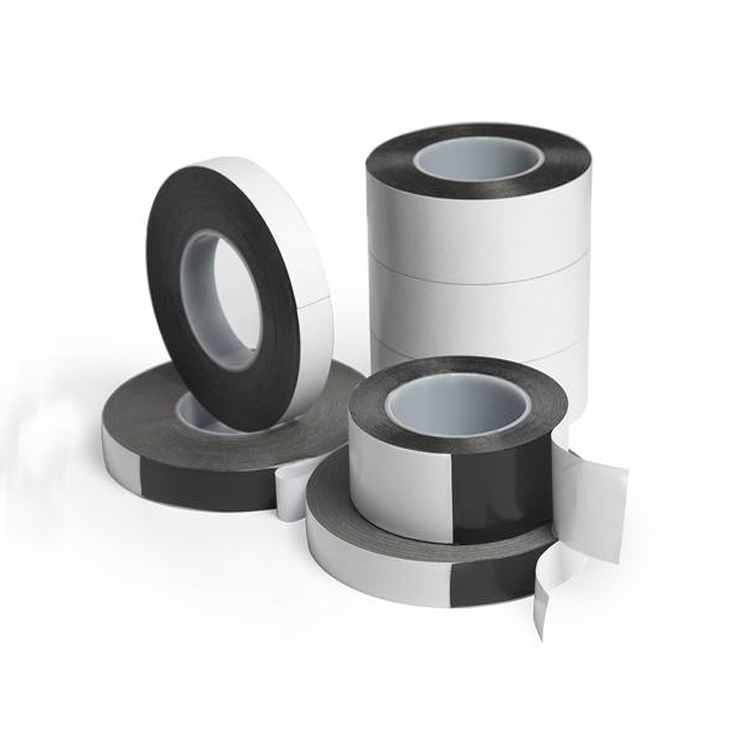
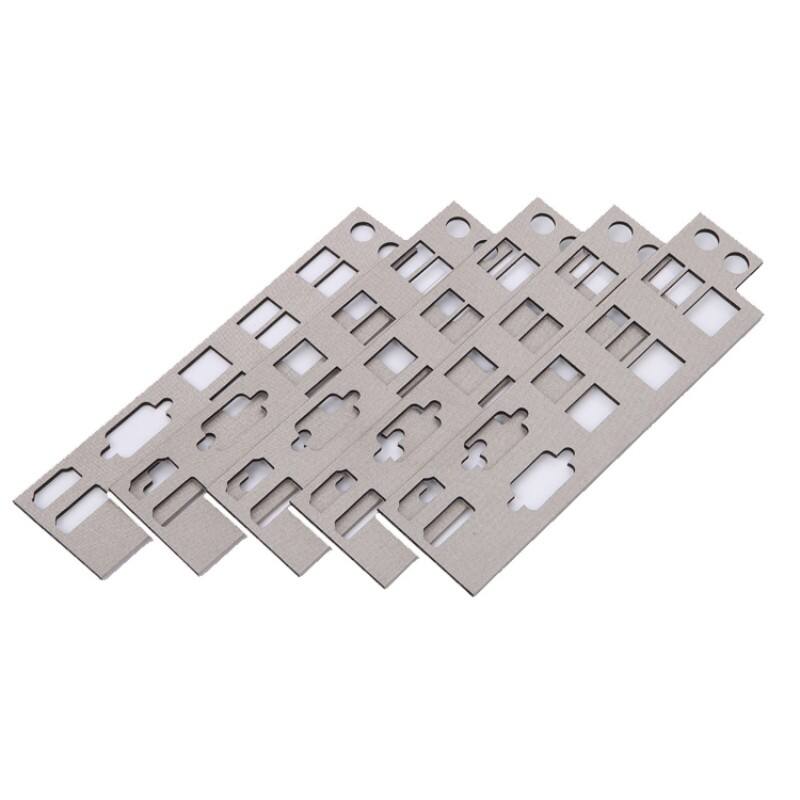
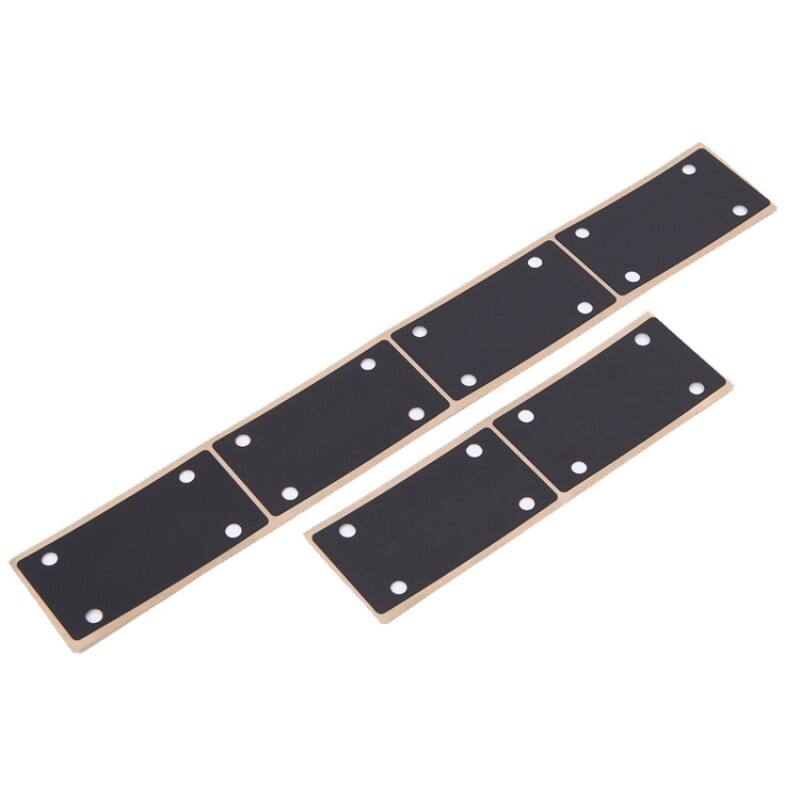
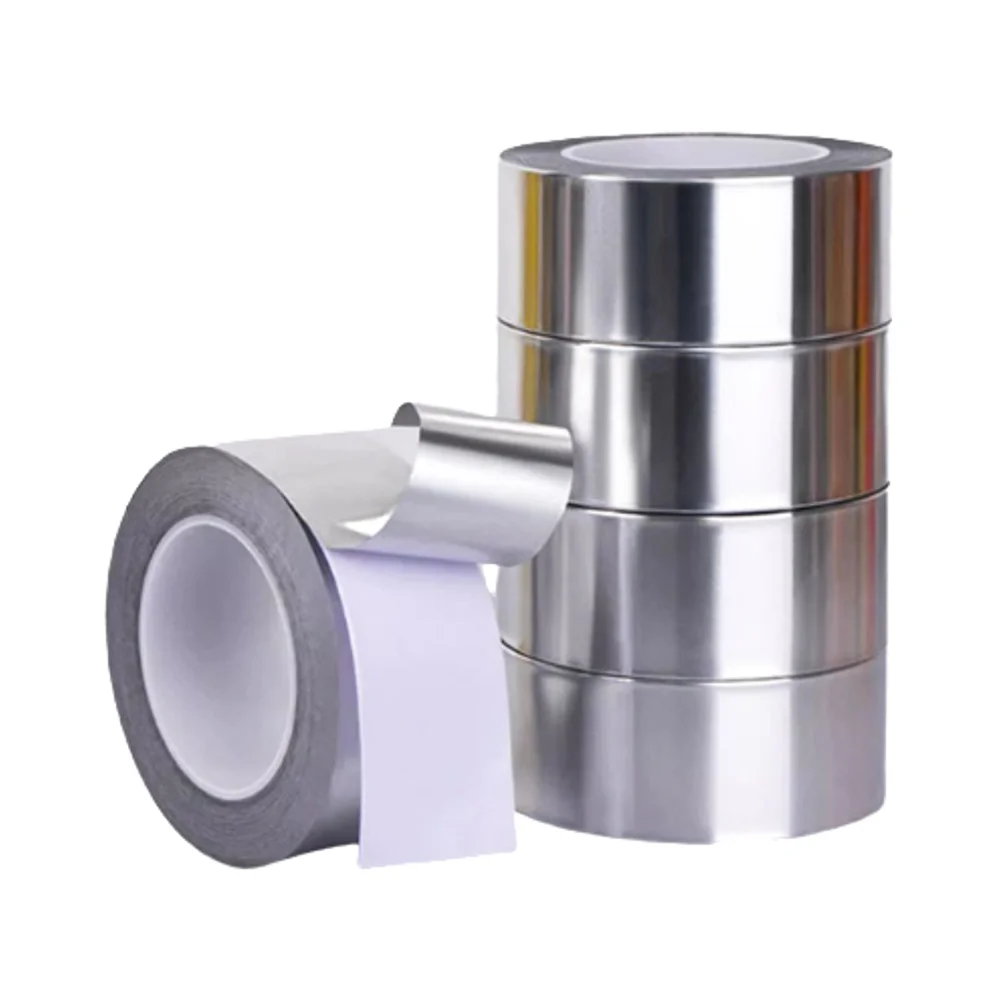
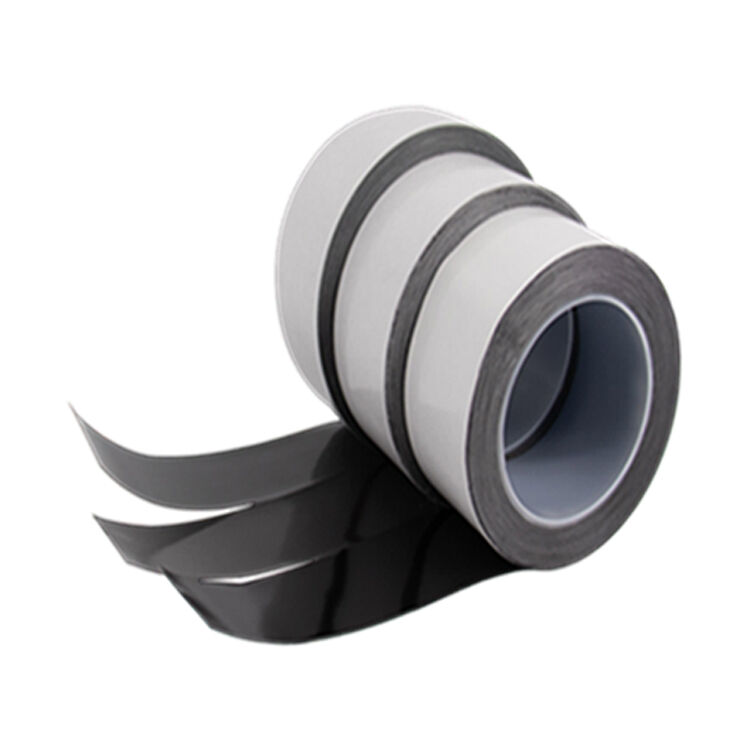
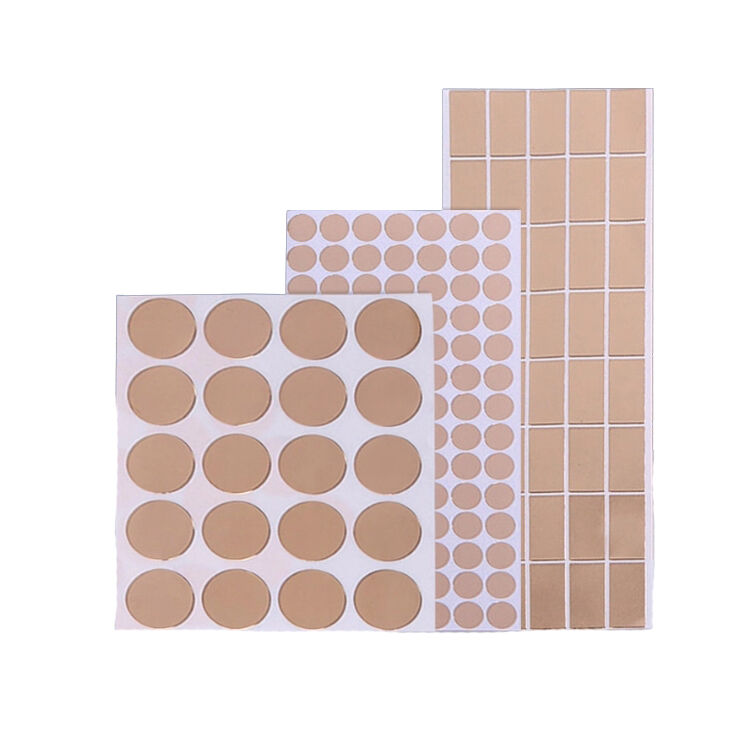
Conductive fabric tape for electronics represents a revolutionary advancement in flexible electronic solutions, combining the mechanical properties of traditional textiles with excellent electrical conductivity. This innovative material consists of woven or non-woven fabric substrates that have been treated with conductive materials such as silver, copper, or carbon-based compounds to create reliable electrical pathways. The conductive fabric tape for electronics serves multiple critical functions in modern electronic applications, including electromagnetic interference (EMI) shielding, grounding connections, static discharge protection, and flexible circuit routing. The technological foundation of conductive fabric tape for electronics relies on sophisticated manufacturing processes that ensure uniform conductivity across the entire surface while maintaining fabric flexibility and durability. These tapes typically feature adhesive backing systems that provide secure attachment to various surfaces without compromising electrical performance. The fabric construction allows for exceptional conformability to irregular surfaces, making conductive fabric tape for electronics ideal for applications where rigid materials would fail. Key technological features include low surface resistance values, typically ranging from 0.1 to 10 ohms per square, excellent adhesion properties that maintain bond strength under temperature cycling, and superior flexibility that withstands repeated bending without conductivity loss. Applications for conductive fabric tape for electronics span numerous industries, including aerospace, automotive, medical devices, consumer electronics, and telecommunications. In aerospace applications, this material provides lightweight EMI shielding solutions that meet stringent weight requirements while ensuring reliable electromagnetic compatibility. Automotive manufacturers utilize conductive fabric tape for electronics in electric vehicle battery systems, sensor grounding, and electronic control unit shielding. Medical device applications benefit from the biocompatible properties of certain fabric substrates while maintaining necessary electrical performance for sensitive diagnostic equipment. Consumer electronics manufacturers rely on conductive fabric tape for electronics to address miniaturization challenges, providing compact shielding solutions in smartphones, tablets, and wearable devices where space constraints are critical.

Popular Products

Conductive fabric tape for electronics offers numerous practical benefits that make it superior to traditional conductive materials in many applications. The primary advantage lies in its exceptional flexibility, which allows the tape to conform to complex three-dimensional shapes and maintain electrical continuity even when subjected to mechanical stress. Unlike rigid conductive materials that crack or break under strain, conductive fabric tape for electronics adapts to surface irregularities and continues functioning reliably throughout its service life. This flexibility translates into reduced installation time and labor costs, as technicians can easily apply the tape without specialized tools or complex preparation procedures. The lightweight nature of conductive fabric tape for electronics provides significant advantages in weight-sensitive applications, particularly in aerospace and portable electronic devices where every gram matters. Traditional metal shielding solutions add substantial weight to electronic assemblies, while fabric-based alternatives deliver comparable electromagnetic performance with dramatically reduced mass. Installation versatility represents another major benefit, as conductive fabric tape for electronics can be cut to precise dimensions using standard tools and applied by hand without requiring specialized equipment. The adhesive backing ensures secure attachment to diverse substrate materials, including plastics, metals, and composite materials, eliminating the need for mechanical fasteners that could create potential failure points. Durability advantages become apparent in dynamic applications where repeated flexing or vibration occurs. Conductive fabric tape for electronics maintains its electrical properties through thousands of flex cycles, making it ideal for applications in moving parts or areas subject to thermal expansion and contraction. The fabric construction distributes stress across the entire surface area, preventing the concentrated stress points that cause failure in rigid materials. Cost-effectiveness emerges as a significant advantage when considering total system costs. While the initial material cost of conductive fabric tape for electronics may be comparable to alternatives, the reduced labor requirements, simplified installation processes, and extended service life result in lower total ownership costs. Maintenance advantages include easy replacement and repair capabilities, as damaged sections can be quickly removed and replaced without affecting surrounding areas. Environmental resistance properties ensure reliable performance across wide temperature ranges and humidity conditions, while chemical resistance protects against degradation from cleaning agents and industrial environments. The electromagnetic shielding effectiveness of conductive fabric tape for electronics often exceeds requirements, providing safety margins that ensure continued compliance with regulatory standards throughout the product lifecycle.

Practical Tips

Dragon Ascension: The Little Giants, Episode 12 | Zhuohan Materials: Pioneering Cutting-Edge Technologies, Making China's EMC Products Shine Among the World's Best

21

Nov

Dragon Ascension: The Little Giants, Episode 12 | Zhuohan Materials: Pioneering Cutting-Edge Technologies, Making China's EMC Products Shine Among the World's Best

View More
Shenzhen New Horizon

21

Nov

Shenzhen New Horizon "Released and Broadcasted on Shenzhen Television - Shenzhen Johan Material Technology Co., Ltd

View More
New Product | Johan High Performance Aluminum Foil Tape, the Best Choice for Electromagnetic Shielding

05

Feb

New Product | Johan High Performance Aluminum Foil Tape, the Best Choice for Electromagnetic Shielding

View More
Unitedas One, Moving Forward Courageously ShenzhenJohanMaterial Technology Co., Ltd. 2026 Annual Ceremony and Awards Ceremony

05

Feb

Unitedas One, Moving Forward Courageously ShenzhenJohanMaterial Technology Co., Ltd. 2026 Annual Ceremony and Awards Ceremony

View More

Get a Free Quote

Our representative will contact you soon.
Email
Name
Company Name
Message
0/1000

conductive fabric tape for electronics

Superior Electromagnetic Interference Shielding Performance

Superior Electromagnetic Interference Shielding Performance

The electromagnetic interference shielding capabilities of conductive fabric tape for electronics represent one of its most compelling advantages for electronic system designers and manufacturers. This specialized tape delivers exceptional shielding effectiveness across broad frequency ranges, typically achieving 40-80 dB of attenuation from 10 MHz to 40 GHz, making it suitable for protecting sensitive electronic circuits from both conducted and radiated electromagnetic interference. The unique fabric construction creates multiple conductive pathways that effectively capture and redirect electromagnetic energy, preventing it from reaching protected circuits. Unlike traditional metal enclosures that require precise mechanical tolerances and complex assembly procedures, conductive fabric tape for electronics provides seamless shielding coverage that eliminates gaps and discontinuities where electromagnetic energy might penetrate. The fabric substrate allows for intimate contact with irregular surfaces, ensuring consistent shielding performance even on curved or textured components where rigid materials would create air gaps. This comprehensive coverage is particularly valuable in modern electronic devices where miniaturization has created complex internal geometries that challenge conventional shielding approaches. The multilayer construction of advanced conductive fabric tape for electronics incorporates specialized conductive materials that optimize performance for specific frequency ranges, with silver-based formulations excelling in high-frequency applications while copper-based alternatives provide cost-effective solutions for lower frequency requirements. The shielding mechanism operates through both reflection and absorption principles, with the conductive surface reflecting electromagnetic energy while the fabric substrate provides controlled absorption characteristics. This dual-mode operation ensures effective protection across varying signal types and strengths, from weak sensor signals to high-power transmission systems. Manufacturing quality control processes ensure consistent shielding performance across production batches, with standardized testing procedures verifying electromagnetic compatibility requirements. The self-adhesive backing system maintains electrical continuity at installation interfaces, eliminating the grounding challenges associated with mechanical fastening systems. Long-term stability testing demonstrates that conductive fabric tape for electronics maintains its shielding effectiveness throughout extended service periods, even under challenging environmental conditions including temperature cycling, humidity exposure, and mechanical stress. This reliability ensures continued electromagnetic compatibility compliance throughout product lifecycles, protecting manufacturers from costly redesign requirements and regulatory compliance issues.
Exceptional Flexibility and Conformability for Complex Applications

Exceptional Flexibility and Conformability for Complex Applications

The outstanding flexibility and conformability characteristics of conductive fabric tape for electronics set it apart from rigid conductive materials, enabling applications that would be impossible with traditional solutions. This remarkable adaptability stems from the inherent properties of the textile substrate, which can bend, stretch, and conform to three-dimensional surfaces while maintaining electrical continuity throughout the deformation range. The fabric construction distributes mechanical stress across numerous individual fibers, preventing the stress concentration points that cause brittle fracture in metal foils and rigid conductors. This distributed stress mechanism allows conductive fabric tape for electronics to withstand repeated flexing cycles that would quickly destroy conventional materials, making it ideal for applications involving moving parts, hinged assemblies, or areas subject to thermal expansion. The conformability advantage becomes particularly evident when installing shielding or grounding solutions on irregular surfaces such as curved housings, ribbed structures, or components with complex geometries. Traditional rigid materials require expensive forming operations or multiple pieces to achieve surface contact, while conductive fabric tape for electronics adapts naturally to surface contours without additional processing. This adaptability significantly reduces installation time and labor costs while ensuring superior electrical contact across the entire interface area. The stretch properties of certain fabric constructions allow the tape to accommodate dimensional changes without losing adhesion or electrical performance, a critical capability in applications where thermal cycling causes substrate expansion and contraction. Dynamic flexibility testing demonstrates that high-quality conductive fabric tape for electronics maintains electrical continuity through millions of flex cycles, far exceeding the durability of alternative materials. This exceptional flex life makes it suitable for applications in robotic systems, automotive door panels, laptop computer hinges, and other mechanisms where repeated motion is required. The three-dimensional conformability enables innovative design approaches that would be impractical with rigid materials, allowing engineers to route electrical connections along complex paths and create seamless electromagnetic barriers around irregularly shaped components. Installation flexibility extends beyond physical conformability to include ease of handling and application, as conductive fabric tape for electronics can be cut with standard tools and applied by hand without specialized equipment or training. This installation simplicity reduces manufacturing complexity and enables field repairs that would be impossible with welded or brazed connections. The fabric construction also provides excellent vibration damping properties, reducing the mechanical stress transmitted to electrical connections and improving overall system reliability in high-vibration environments.
Cost-Effective Solution with Easy Installation and Maintenance

Cost-Effective Solution with Easy Installation and Maintenance

The economic advantages of conductive fabric tape for electronics extend far beyond initial material costs, delivering substantial value through reduced installation complexity, simplified maintenance procedures, and extended service life characteristics. This cost-effectiveness becomes particularly evident when analyzing total system costs including labor, tooling, inventory management, and long-term maintenance requirements. The installation simplicity of conductive fabric tape for electronics eliminates the need for specialized equipment, skilled welding personnel, or complex mechanical fastening systems typically required for traditional conductive materials. Standard production workers can quickly learn proper application techniques, reducing training costs and enabling flexible workforce deployment across multiple production lines. The self-adhesive backing system provides immediate bonding upon application, eliminating cure times or secondary bonding operations that slow production throughput. This installation efficiency translates into significant labor cost savings, particularly in high-volume manufacturing environments where assembly time directly impacts production capacity. Inventory management benefits emerge from the compact storage requirements and extended shelf life of conductive fabric tape for electronics compared to bulky metal shielding components or liquid conductive materials that require special handling. The tape format enables precise material usage with minimal waste, as technicians can cut exact lengths for each application without the over-ordering typically required for standard-sized metal components. Quality control advantages include consistent performance characteristics that reduce testing requirements and warranty claims, while the visual inspection capability allows quick verification of proper installation without specialized test equipment. Maintenance cost advantages become apparent throughout product lifecycles, as conductive fabric tape for electronics can be easily removed and replaced without damaging surrounding components or requiring complete assembly disassembly. This repairability is particularly valuable in field service applications where traditional solutions would require component replacement or factory return for repair. The non-corrosive properties of modern fabric substrates eliminate galvanic corrosion issues that plague dissimilar metal connections, reducing long-term maintenance requirements and extending system reliability. Supply chain advantages include simplified procurement processes, as conductive fabric tape for electronics typically involves fewer suppliers than complex metal fabrication solutions, reducing vendor management costs and supply risk. Environmental compliance benefits include simplified disposal procedures and reduced environmental impact compared to heavy metal alternatives. The scalability of fabric tape solutions enables cost-effective application across product ranges from prototype quantities to high-volume production without requiring significant tooling investments or minimum order quantities that constrain design flexibility.

Get a Free Quote

Our representative will contact you soon.
Email
Name
Company Name
Message
0/1000