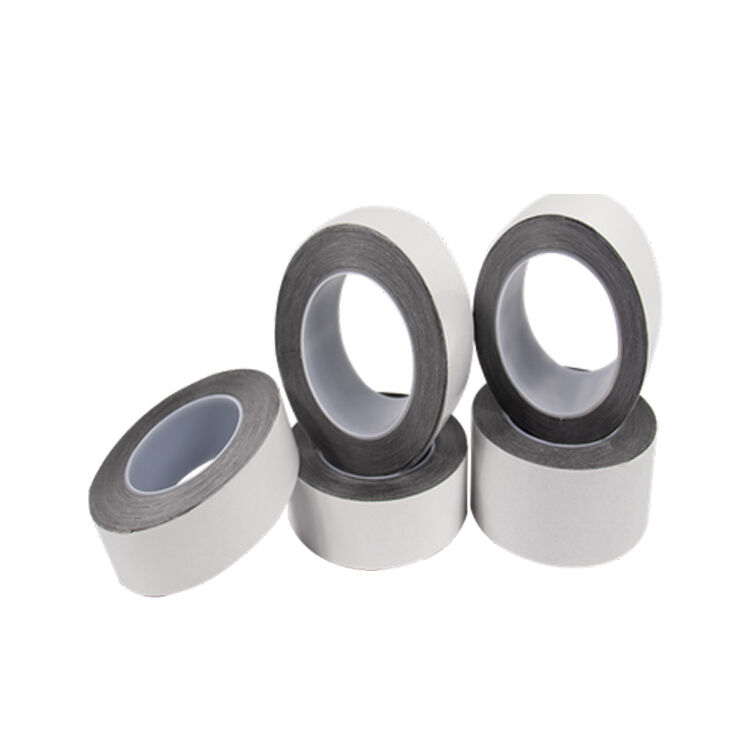
Premium Conductive Fabric Tape for Grounding - Superior EMI Shielding & Static Dissipation Solutions

All Categories

Get a Free Quote

Our representative will contact you soon.
Email
Name
Company Name
Message
0/1000

conductive fabric tape for grounding

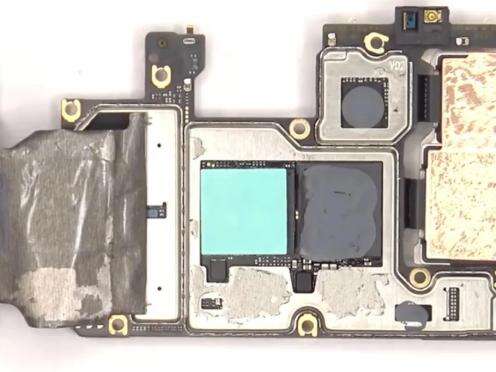
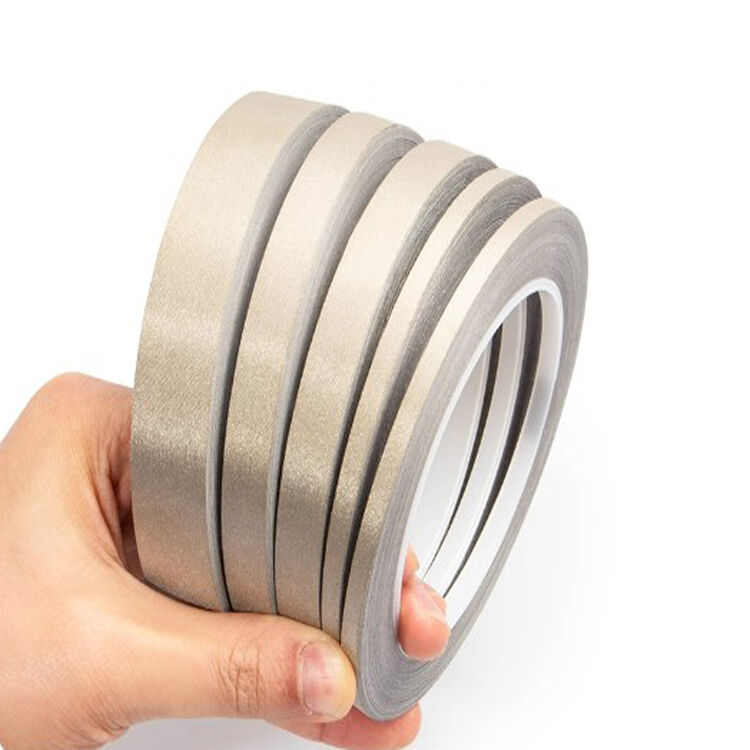
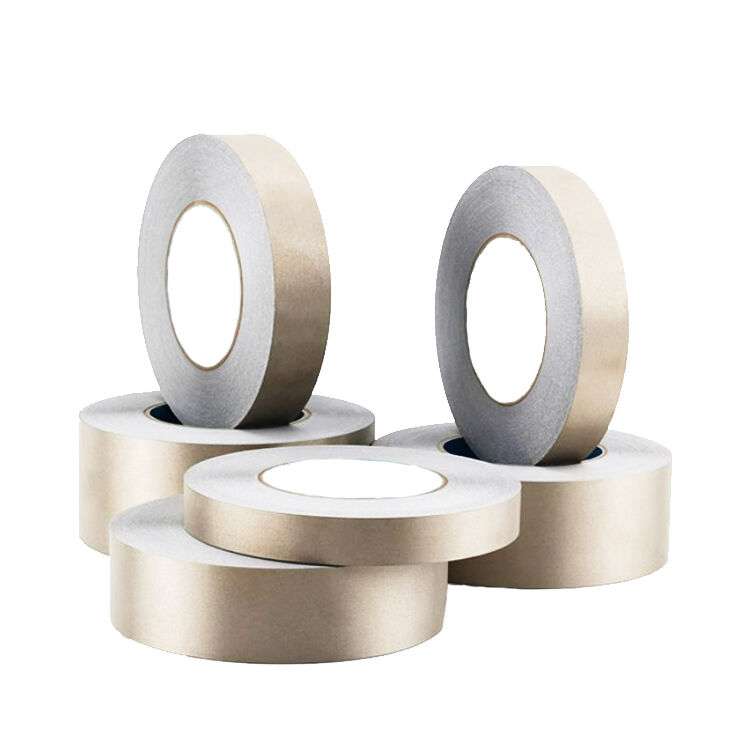
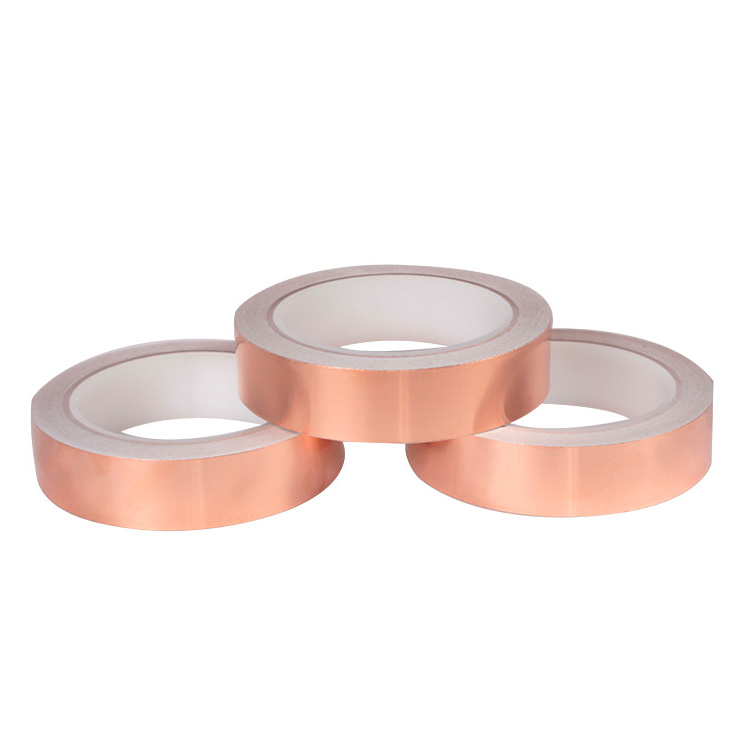
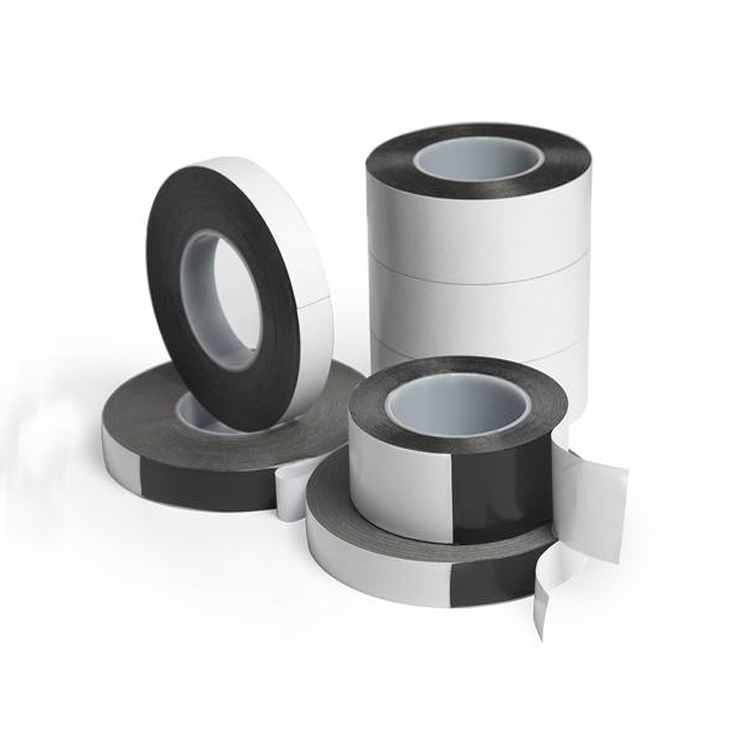
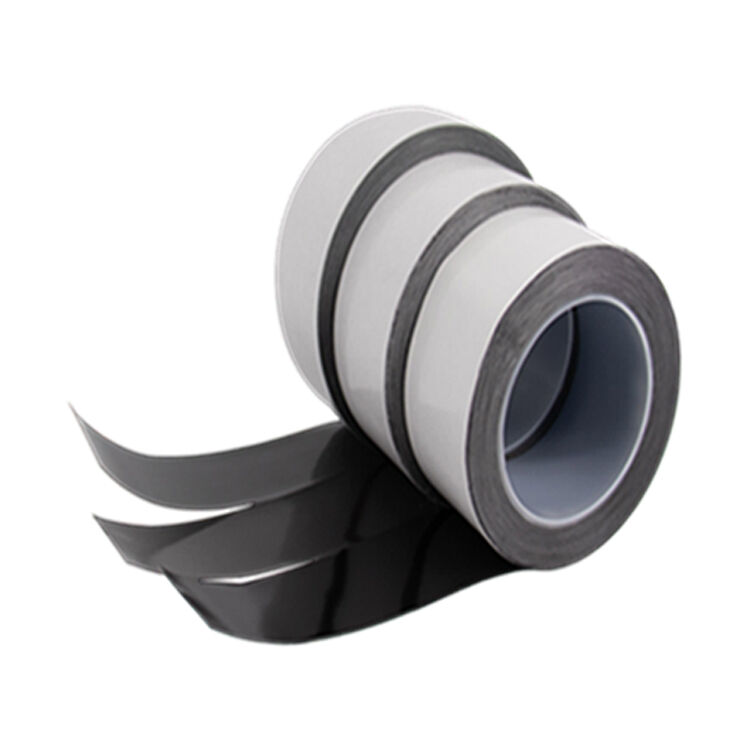
Conductive fabric tape for grounding represents a revolutionary advancement in electromagnetic interference (EMI) shielding and static electricity dissipation technology. This specialized tape combines the flexibility of fabric materials with the electrical conductivity necessary for effective grounding applications. The primary function of conductive fabric tape for grounding involves creating reliable electrical pathways that safely redirect unwanted electrical charges and electromagnetic interference away from sensitive equipment and environments. Modern conductive fabric tape for grounding utilizes advanced materials such as silver-plated copper threads, nickel-coated fibers, and carbon-infused textiles to achieve optimal conductivity while maintaining durability and ease of application. The technological foundation of this tape relies on creating a mesh-like structure where conductive elements are woven or integrated into a flexible fabric substrate, ensuring consistent electrical performance across the entire surface area. Applications for conductive fabric tape for grounding span numerous industries, including electronics manufacturing, telecommunications, aerospace, medical devices, and research facilities where electromagnetic compatibility is crucial. In electronic assembly environments, this tape provides essential shielding for circuit boards, cable harnesses, and enclosures, preventing signal interference and protecting against electrostatic discharge damage. The aerospace industry employs conductive fabric tape for grounding in aircraft systems where lightning protection and radio frequency shielding are paramount safety considerations. Medical equipment manufacturers rely on this technology to ensure their devices meet strict electromagnetic compatibility standards while maintaining patient safety. The tape's unique construction allows for easy installation on curved surfaces, irregular shapes, and confined spaces where traditional rigid shielding materials would be impractical. Its conformable nature enables seamless integration with existing designs without requiring significant modifications to equipment housings or assemblies.

New Product Releases

The advantages of conductive fabric tape for grounding extend far beyond simple electrical connectivity, offering practical solutions that address real-world challenges faced by engineers, technicians, and manufacturers. First and foremost, this tape provides exceptional ease of installation compared to traditional grounding methods. Unlike rigid copper strips or braided cables that require precise measurements and mechanical fastening, conductive fabric tape for grounding applies like standard adhesive tape, conforming instantly to any surface contour or shape. This flexibility dramatically reduces installation time and labor costs while eliminating the need for specialized tools or extensive training. The adhesive backing creates an immediate, reliable bond that maintains electrical continuity without the risk of loosening over time, a common problem with mechanical connections. Another significant advantage lies in the tape's superior adaptability to various environmental conditions. Conductive fabric tape for grounding maintains its electrical properties across wide temperature ranges, from extreme cold in aerospace applications to high heat in industrial settings. The fabric construction provides inherent resistance to vibration and mechanical stress, making it ideal for mobile equipment, vehicles, and machinery subject to constant movement. This durability translates directly into reduced maintenance requirements and lower total cost of ownership. The lightweight nature of conductive fabric tape for grounding offers substantial benefits in weight-critical applications such as aircraft, satellites, and portable electronic devices. Traditional grounding solutions often add significant mass to systems, but fabric-based alternatives provide equivalent or superior performance while contributing minimal weight. Space efficiency represents another crucial advantage, as the thin profile of conductive fabric tape for grounding allows integration into compact designs where thickness constraints limit other options. The material's electromagnetic shielding effectiveness covers broad frequency ranges, providing comprehensive protection against both low-frequency magnetic fields and high-frequency electromagnetic radiation. This versatility eliminates the need for multiple specialized shielding solutions, simplifying design requirements and reducing component costs. Furthermore, the tape's chemical resistance ensures long-term stability in harsh environments where exposure to solvents, oils, or corrosive substances might compromise other materials.

Tips And Tricks

Dragon Ascension: The Little Giants, Episode 12 | Zhuohan Materials: Pioneering Cutting-Edge Technologies, Making China's EMC Products Shine Among the World's Best

21

Nov

Dragon Ascension: The Little Giants, Episode 12 | Zhuohan Materials: Pioneering Cutting-Edge Technologies, Making China's EMC Products Shine Among the World's Best

View More
Shenzhen Johan Material Technology Co., Ltd. Has Obtained a Patent for Shielding Cover Structure for Circuit Boards

05

Dec

Shenzhen Johan Material Technology Co., Ltd. Has Obtained a Patent for Shielding Cover Structure for Circuit Boards

View More
New Product | Johan High Performance Aluminum Foil Tape, the Best Choice for Electromagnetic Shielding

05

Feb

New Product | Johan High Performance Aluminum Foil Tape, the Best Choice for Electromagnetic Shielding

View More
Unitedas One, Moving Forward Courageously ShenzhenJohanMaterial Technology Co., Ltd. 2026 Annual Ceremony and Awards Ceremony

05

Feb

Unitedas One, Moving Forward Courageously ShenzhenJohanMaterial Technology Co., Ltd. 2026 Annual Ceremony and Awards Ceremony

View More

Get a Free Quote

Our representative will contact you soon.
Email
Name
Company Name
Message
0/1000

conductive fabric tape for grounding

Superior Electromagnetic Shielding Performance Across Multiple Frequencies

Superior Electromagnetic Shielding Performance Across Multiple Frequencies

The electromagnetic shielding capabilities of conductive fabric tape for grounding represent one of its most compelling features, delivering comprehensive protection across an extensive frequency spectrum that encompasses both common interference sources and specialized applications. Unlike conventional shielding materials that excel in narrow frequency bands, conductive fabric tape for grounding provides consistent attenuation performance from low-frequency magnetic fields through microwave frequencies, typically covering ranges from DC to several GHz. This broad-spectrum effectiveness stems from the unique construction methodology that incorporates multiple conductive elements within the fabric matrix, creating a distributed network of electrical pathways that interact with electromagnetic fields through various mechanisms including reflection, absorption, and re-radiation cancellation. The practical implications of this comprehensive shielding capability extend to simplified system design, as engineers can rely on a single solution rather than implementing multiple specialized materials for different frequency ranges. In telecommunications equipment, conductive fabric tape for grounding effectively attenuates cellular, WiFi, Bluetooth, and GPS signals while simultaneously providing protection against power line harmonics and switching noise from digital circuits. Laboratory testing demonstrates shielding effectiveness values exceeding 80 dB across critical frequency bands, surpassing many traditional metallic enclosures while offering superior installation flexibility. The fabric construction creates microscopic gaps and irregular surfaces that contribute to absorption-based shielding mechanisms, particularly effective against high-frequency electromagnetic radiation. This multi-modal shielding approach provides robust protection even when the material experiences minor physical damage or aging, as the distributed conductive network maintains alternative current paths. Medical device manufacturers particularly benefit from this reliable shielding performance, as their equipment must operate flawlessly in environments filled with electromagnetic interference from MRI machines, diathermy units, and various monitoring equipment. The consistent shielding effectiveness of conductive fabric tape for grounding ensures compliance with stringent electromagnetic compatibility standards while providing the design flexibility necessary for complex medical device configurations.
Exceptional Durability and Environmental Resistance for Long-Term Reliability

Exceptional Durability and Environmental Resistance for Long-Term Reliability

The durability characteristics of conductive fabric tape for grounding establish it as a superior long-term solution for demanding applications where traditional materials frequently fail due to environmental stress, mechanical fatigue, or chemical degradation. The fabric-based construction inherently provides flexibility that accommodates thermal expansion and contraction cycles without developing stress cracks or losing electrical continuity, a common failure mode in rigid conductive materials. Extensive accelerated aging tests demonstrate that conductive fabric tape for grounding maintains its electrical and mechanical properties through thousands of thermal cycles ranging from -55°C to +125°C, making it suitable for automotive, aerospace, and outdoor telecommunications applications where temperature variations are extreme and continuous. The woven or knitted structure distributes mechanical stress across multiple load-bearing elements, preventing catastrophic failure even when individual fibers are damaged. This redundancy ensures that the tape continues to provide effective grounding and shielding performance throughout its operational lifetime, reducing maintenance requirements and system downtime. Chemical resistance testing reveals that conductive fabric tape for grounding withstands exposure to common industrial solvents, hydraulic fluids, cleaning agents, and atmospheric pollutants without significant degradation of its conductive properties. The polymer matrix protecting the conductive elements provides a barrier against oxidation and corrosion, particularly important in marine environments or industrial facilities where salt spray and chemical vapors are prevalent. Ultraviolet radiation resistance ensures that outdoor installations maintain their integrity without becoming brittle or losing adhesion over time. Vibration and shock testing demonstrate superior fatigue resistance compared to traditional braided grounds or rigid connections, with the fabric construction absorbing and distributing dynamic loads that would otherwise concentrate stress at connection points. This mechanical resilience proves especially valuable in mobile applications such as vehicles, ships, and portable equipment where continuous motion and impact loads are unavoidable. The adhesive system maintains its bonding strength throughout the environmental exposure range, eliminating concerns about delamination or loss of electrical contact that plague other tape-based solutions.
Versatile Installation Flexibility for Complex Geometries and Space-Constrained Applications

Versatile Installation Flexibility for Complex Geometries and Space-Constrained Applications

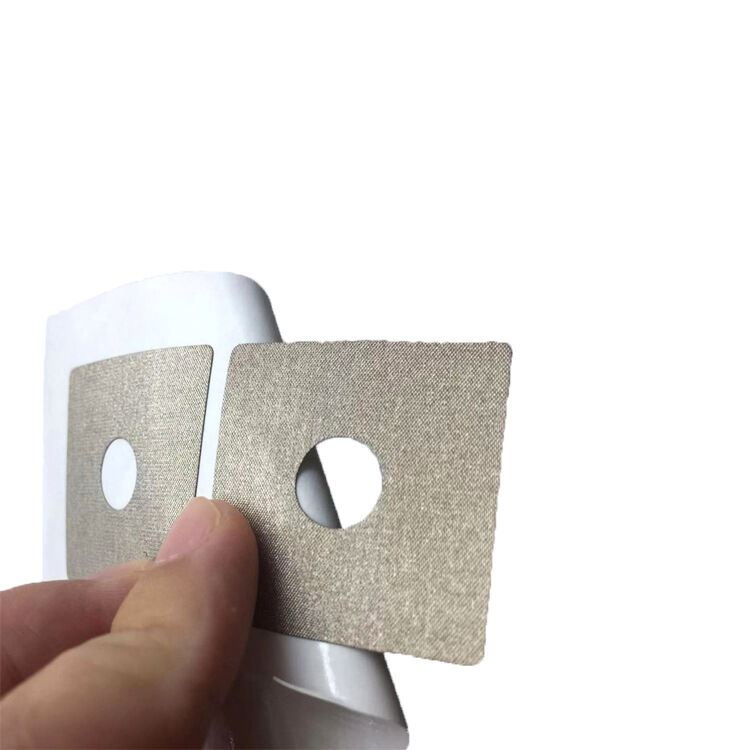
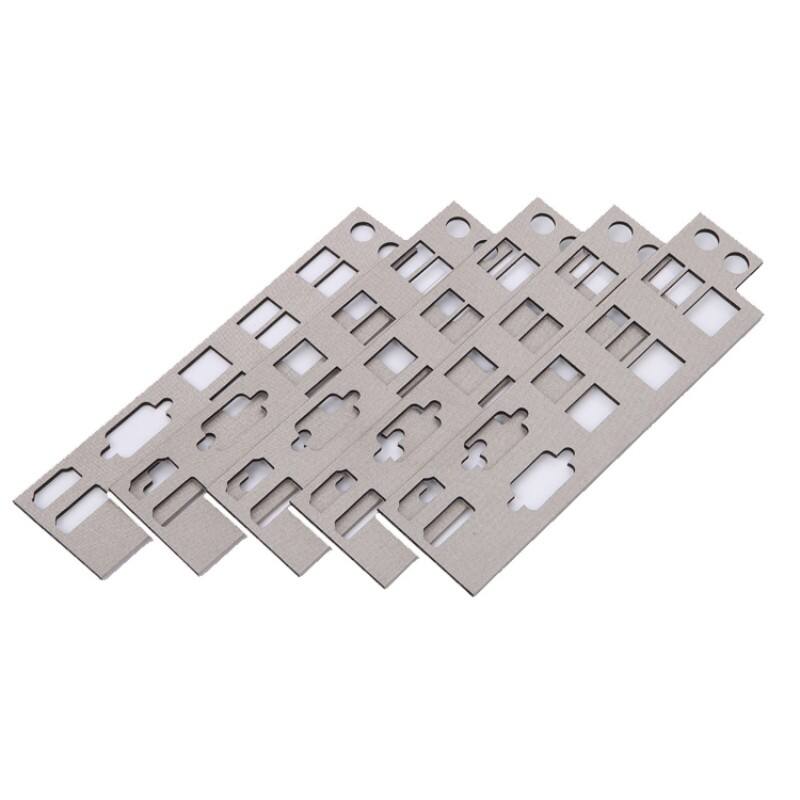
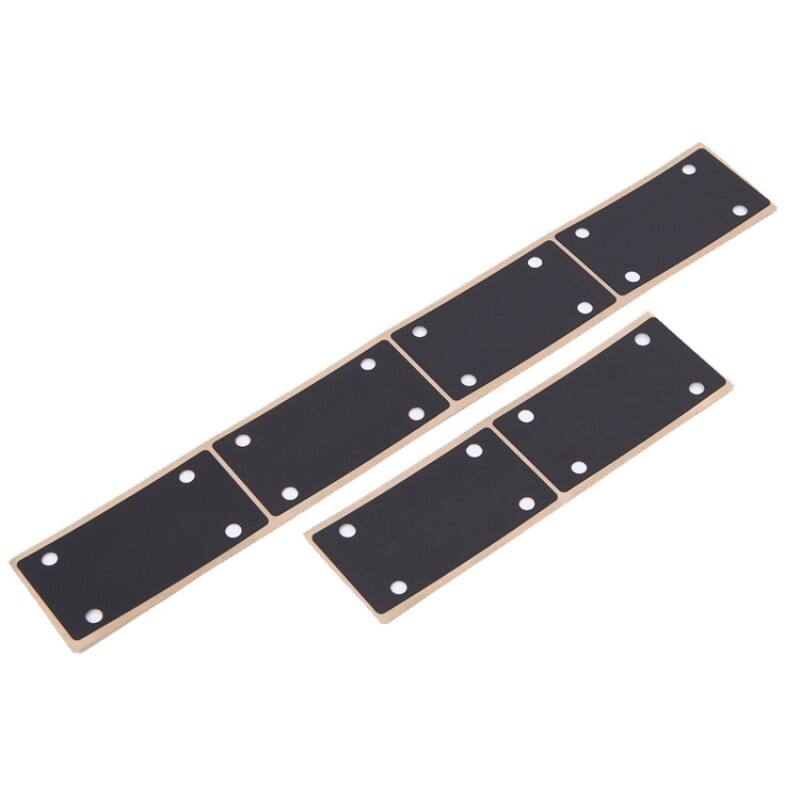
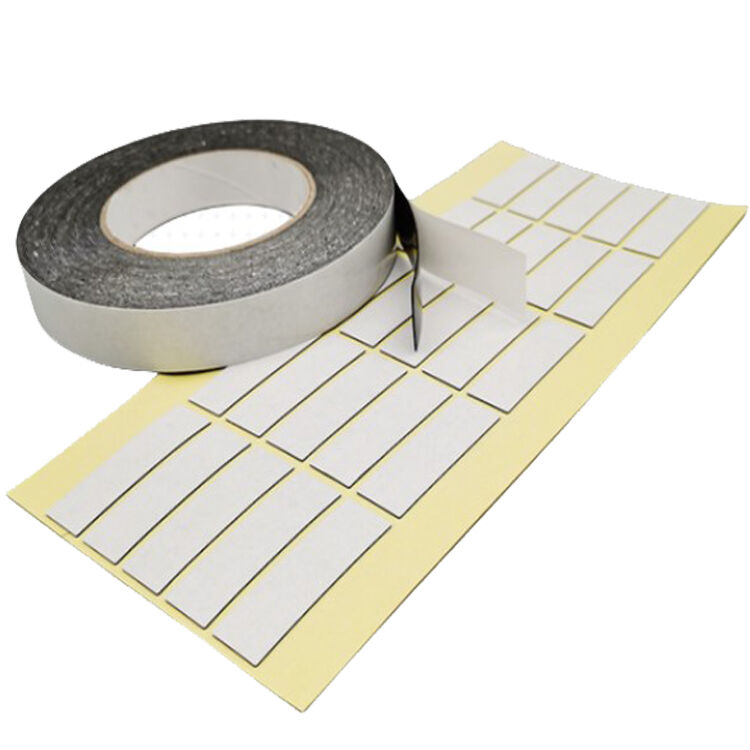
The installation versatility of conductive fabric tape for grounding revolutionizes how engineers approach electromagnetic shielding and grounding challenges in modern electronic systems, offering unprecedented flexibility that accommodates complex three-dimensional geometries, tight space constraints, and irregular surface configurations that would be impossible to address with conventional rigid materials. This adaptability stems from the inherent conformable nature of the fabric substrate, which readily follows compound curves, wraps around edges, and forms intimate contact with textured surfaces while maintaining uniform electrical performance across the entire application area. The pressure-sensitive adhesive system provides immediate bonding without requiring heat activation, curing time, or mechanical fasteners, enabling rapid installation that significantly reduces assembly time and labor costs. This convenience proves particularly valuable in high-volume manufacturing environments where production efficiency directly impacts profitability. The tape's ability to stretch and compress slightly during application ensures complete contact with irregular surfaces, eliminating air gaps that could compromise shielding effectiveness or create potential failure points. Design engineers appreciate the freedom to implement conductive fabric tape for grounding in locations where access limitations would prevent installation of traditional grounding systems, such as inside sealed enclosures, between closely spaced components, or around complex cable routing paths. The minimal thickness profile, typically less than 0.5mm, allows integration into designs with severe space constraints without affecting mechanical fit or requiring housing modifications. This thin form factor proves essential in modern electronics where miniaturization demands leave no room for bulky shielding solutions. The tape can be die-cut into custom shapes and patterns, enabling precise application that covers only necessary areas while avoiding interference with other components or assembly processes. Pre-cut shapes eliminate field trimming requirements and ensure consistent coverage patterns across multiple units. Multiple pieces can be overlapped to create seamless coverage over large areas, with the adhesive system providing secure bonding between layers that maintains electrical continuity throughout the assembled shield. The removable nature of the adhesive allows for rework and repair without damaging underlying surfaces, an important consideration during prototyping and field maintenance activities.

Get a Free Quote

Our representative will contact you soon.
Email
Name
Company Name
Message
0/1000