Versatile Application Compatibility
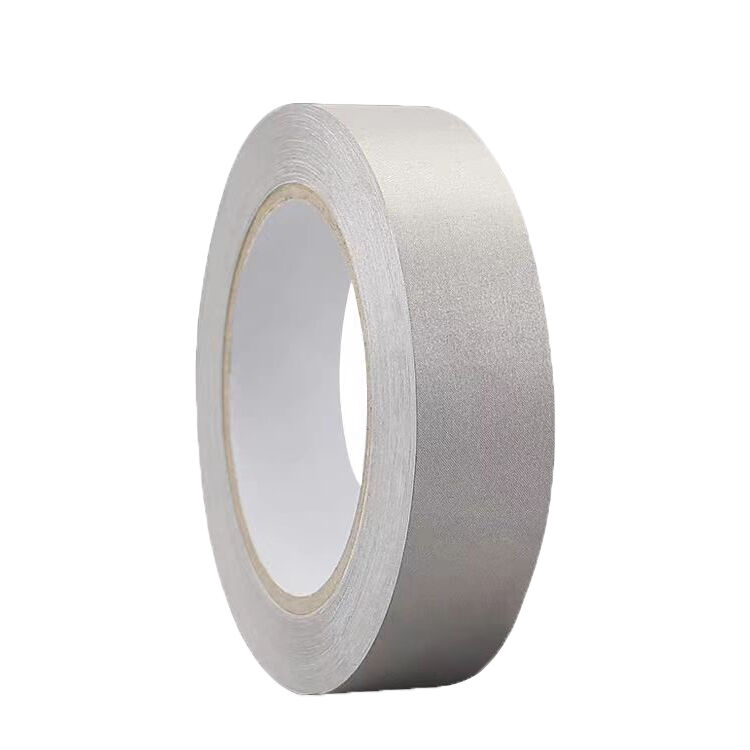
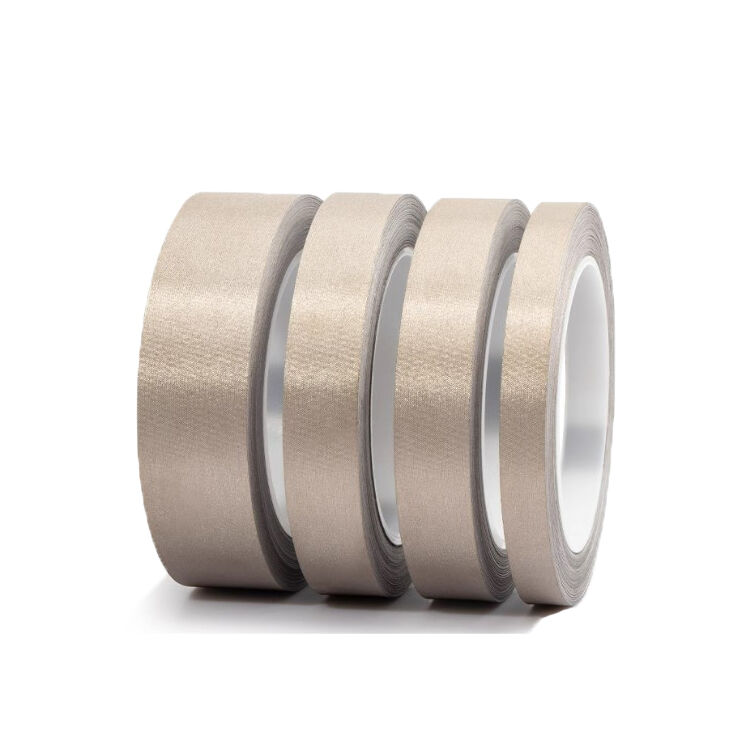
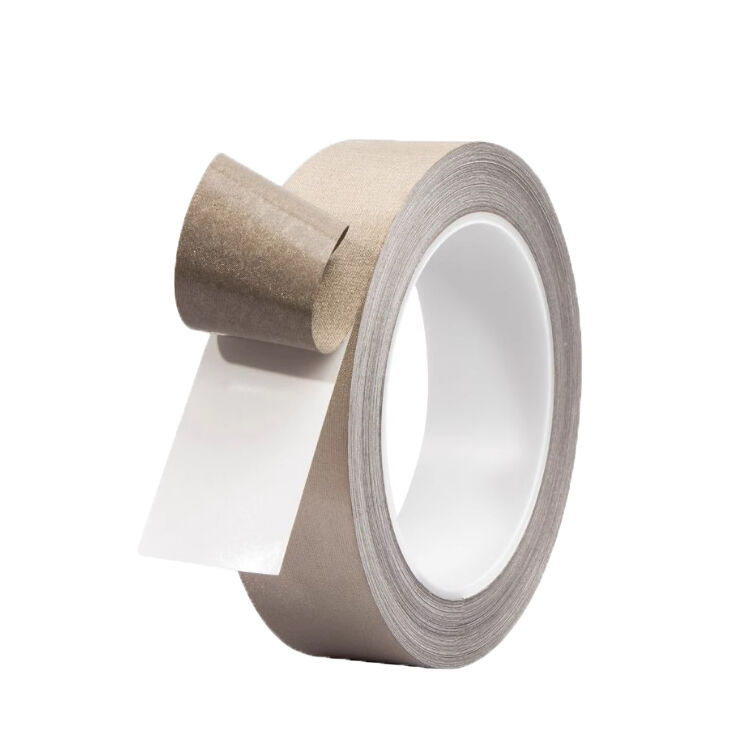
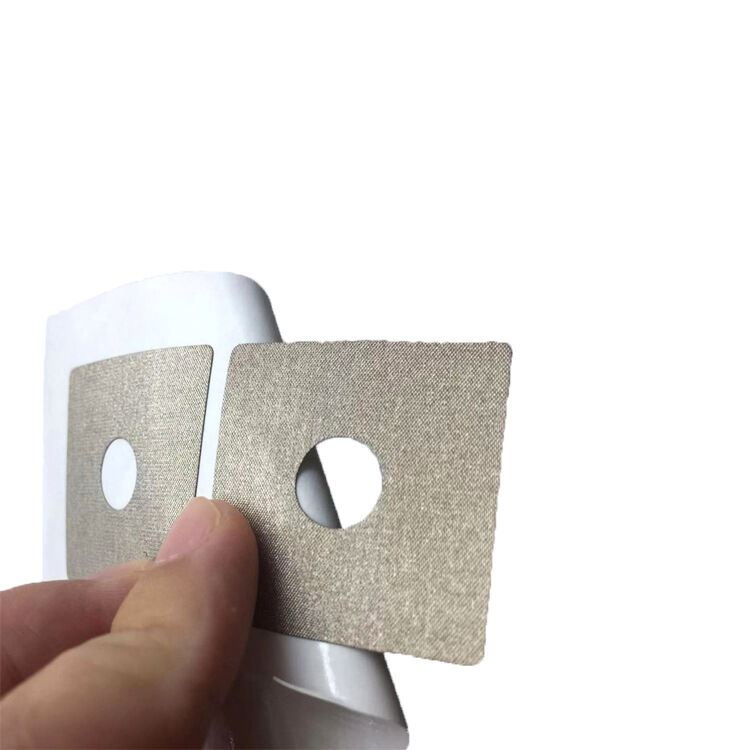
Premium copper conductive fabric offers unprecedented versatility in application compatibility, seamlessly integrating into diverse industries and use cases through its unique combination of electrical functionality and textile characteristics. This adaptability stems from the material's ability to be processed using standard textile manufacturing techniques while maintaining superior conductive properties, enabling manufacturers to incorporate electromagnetic shielding and conductivity into virtually any fabric-based product. The fabric serves critical roles in wearable technology applications, providing the conductive pathways necessary for sensors, heating elements, and electronic component integration while maintaining comfort and flexibility essential for body-worn devices. Its biocompatibility and antimicrobial properties make it particularly suitable for medical applications including therapeutic garments, patient monitoring systems, and electromagnetic therapy devices. Industrial applications benefit from the fabric's ability to provide effective grounding and static dissipation in environments where electrostatic discharge poses risks to sensitive equipment or explosive materials. The material's flexibility allows it to conform to complex geometries and three-dimensional shapes, making it ideal for shielding irregular surfaces and equipment enclosures that rigid shielding materials cannot accommodate effectively. Premium copper conductive fabric integrates seamlessly with various base materials including cotton, polyester, nylon, and specialty fibers, allowing customization of mechanical properties while preserving electrical functionality. This compatibility enables manufacturers to optimize fabric characteristics for specific requirements such as breathability, moisture management, chemical resistance, or flame retardancy without compromising conductive performance. The material's processing versatility extends to various application methods including lamination, sewing, welding, and adhesive bonding, providing designers with multiple options for product integration. Automotive applications utilize the fabric for electromagnetic compatibility solutions, reducing interference in vehicle electronic systems while providing lightweight alternatives to traditional metallic shielding. Aerospace applications benefit from the fabric's combination of conductivity, light weight, and flexibility for aircraft electromagnetic protection and lightning strike dissipation systems, where weight reduction and conformability provide significant advantages over conventional shielding approaches.



 EN
EN