Universal Compatibility Across All Conductive Fabric Types
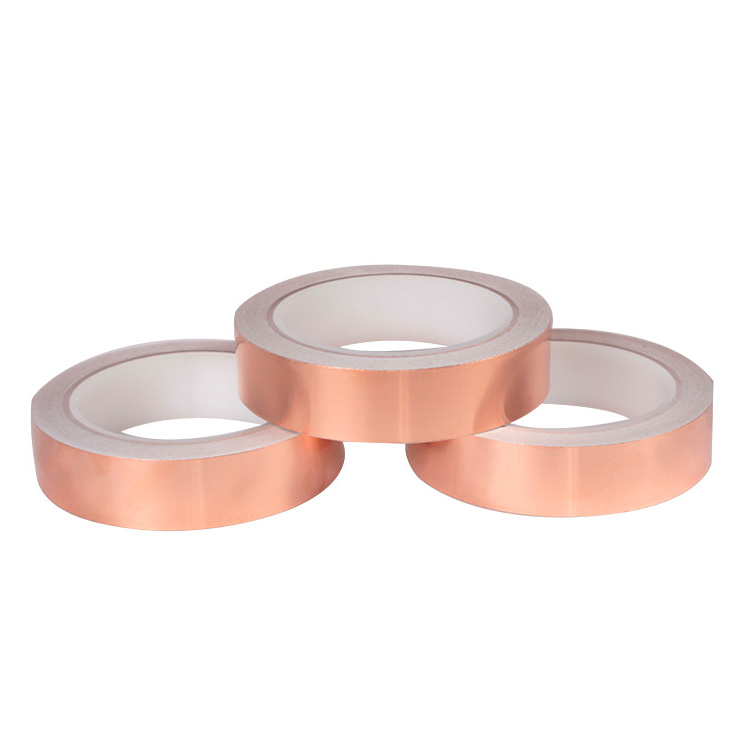
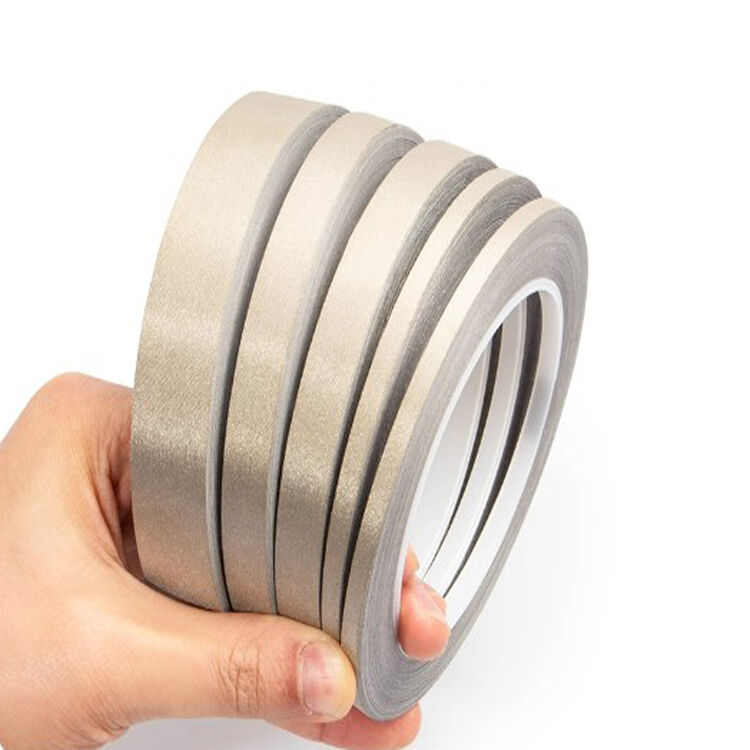
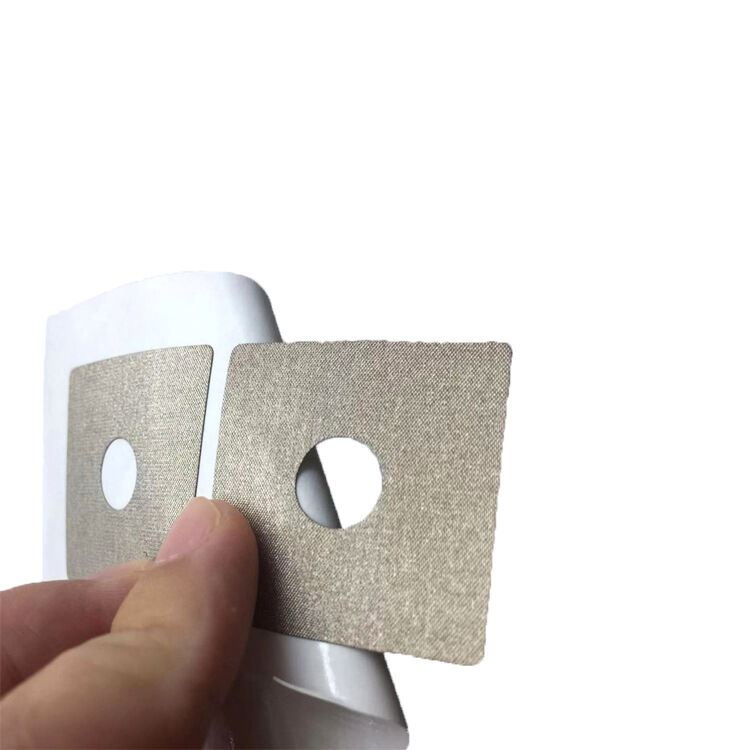
The universal compatibility feature of conductive fabric repair tape represents a breakthrough in textile repair technology, eliminating the complexity and inventory requirements associated with fabric-specific repair solutions. Traditional approaches to conductive fabric repair often require different materials and techniques depending on whether the substrate contains silver-plated fibers, copper mesh, carbon nanotubes, or hybrid conductive systems. This complexity creates logistical challenges for manufacturers, repair facilities, and end users who must stock multiple repair products and determine which solution matches their specific fabric type. The conductive fabric repair tape solves this problem through its innovative multi-compatible design that bonds effectively with all major categories of conductive textiles while maintaining electrical continuity regardless of the underlying conductive material composition. The tape's adhesive system utilizes advanced polymer chemistry that creates molecular-level bonds with various fiber types, ensuring reliable adhesion to natural fibers, synthetic materials, and composite textile structures. Extensive compatibility testing across hundreds of different conductive fabric samples confirms consistent performance with silver-coated polyester, copper-infused cotton, carbon fiber blends, and proprietary conductive yarn systems used by major textile manufacturers. The electrical interface design incorporates multiple conduction pathways that automatically adapt to the electrical characteristics of the target fabric, providing optimal signal transfer regardless of the substrate's specific conductivity profile. This universal approach significantly simplifies repair procedures, as technicians and users need only learn one application technique that works across their entire inventory of electronic textiles. Quality control measures include cross-compatibility verification testing that ensures reliable performance when repairing interfaces between different conductive fabric types within the same garment. The standardized repair approach reduces training requirements, minimizes inventory costs, and eliminates the risk of using incompatible repair materials that could damage expensive electronic textiles. Manufacturing scalability benefits emerge as repair facilities can streamline their operations around a single, versatile solution rather than managing multiple specialized products. This universal compatibility extends to future fabric technologies, as the tape's adaptive design principles ensure compatibility with emerging conductive textile innovations, protecting users' investment in repair infrastructure and training programs.





 EN
EN