Advanced Material Engineering and Customization
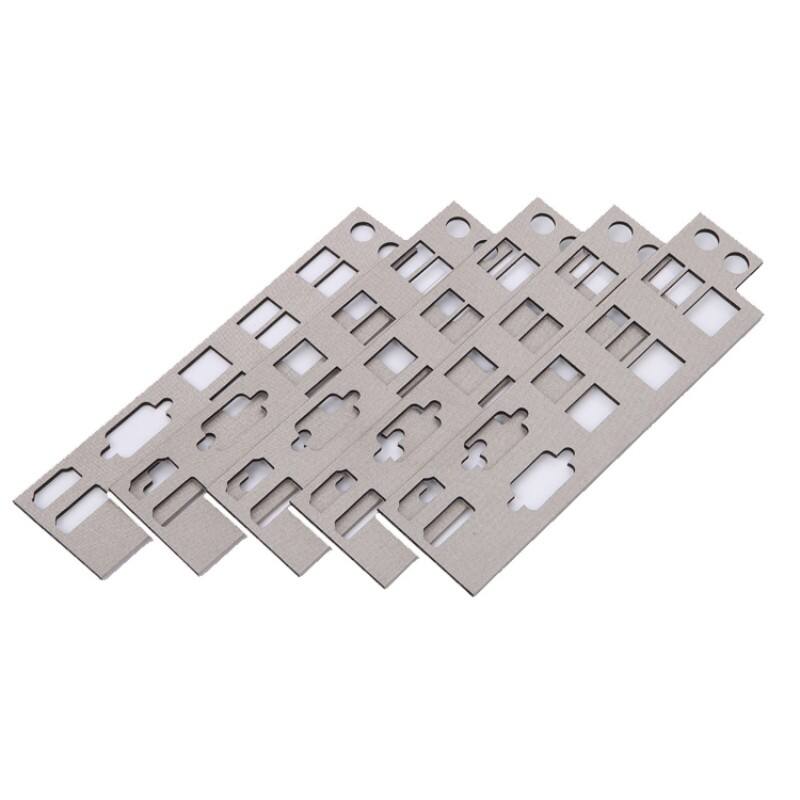
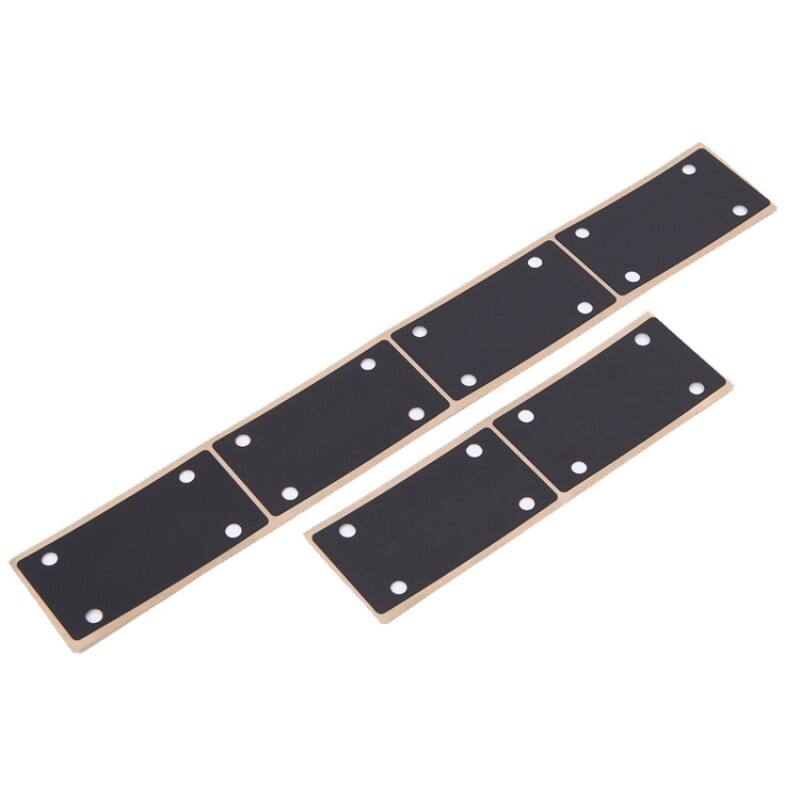
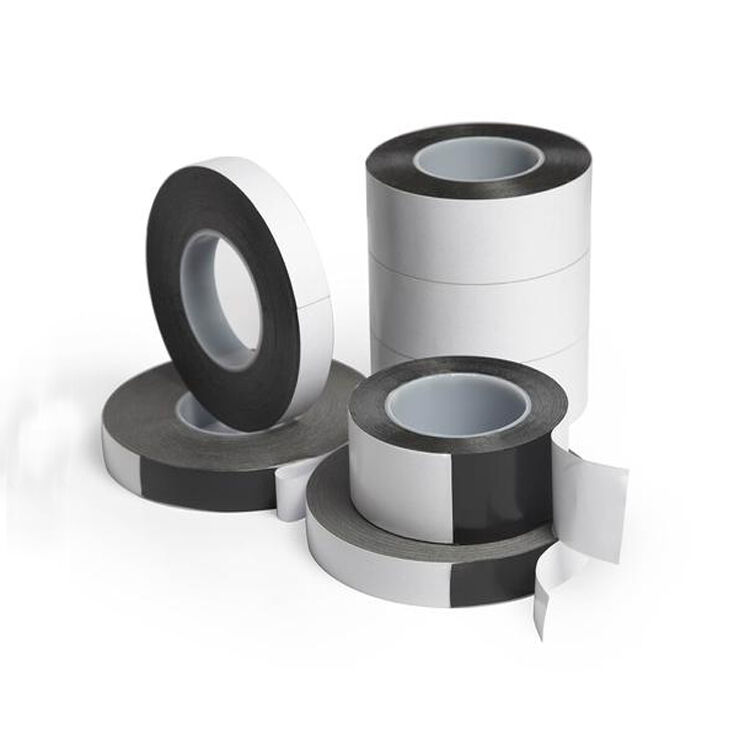
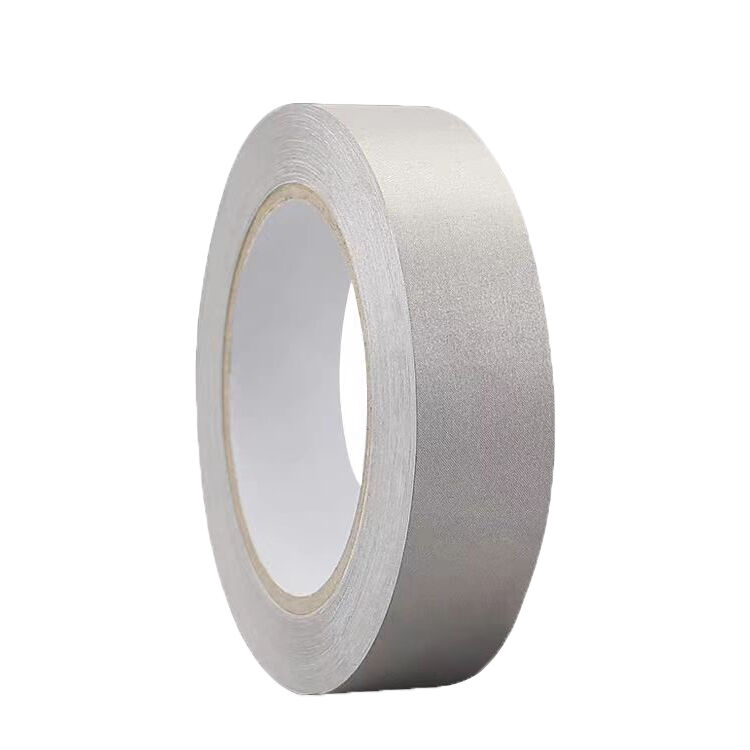
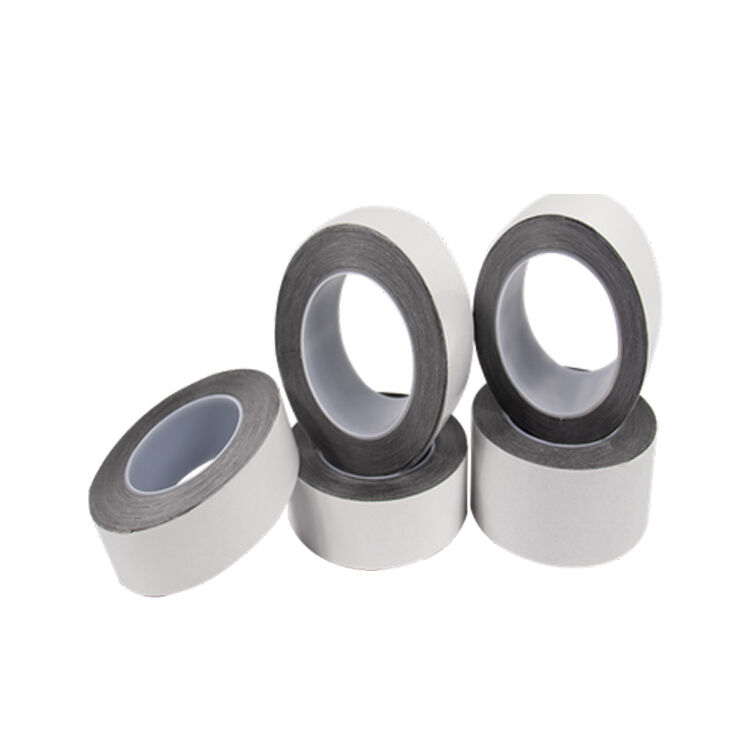
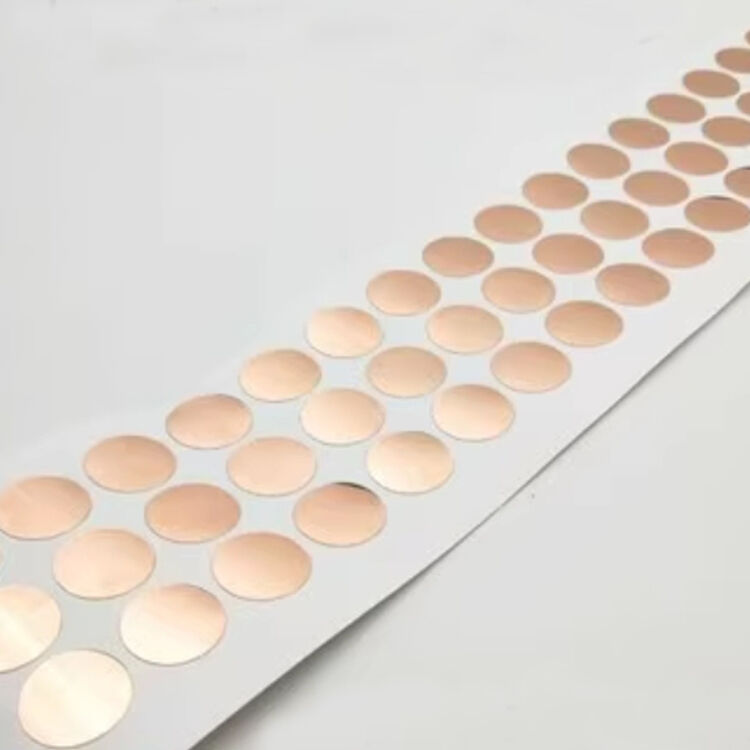
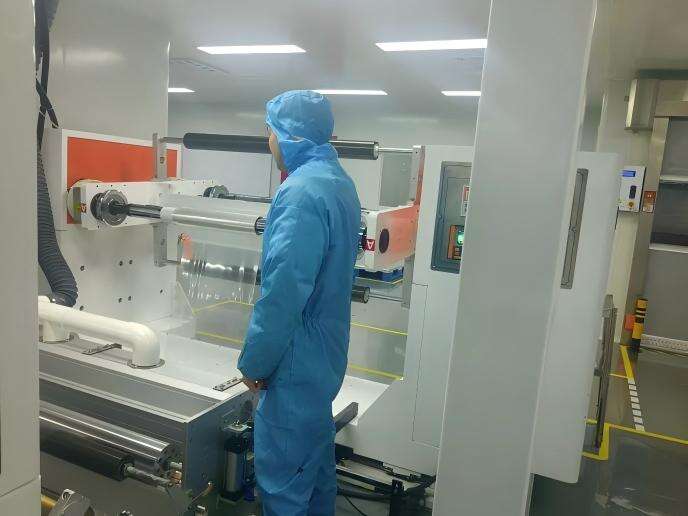
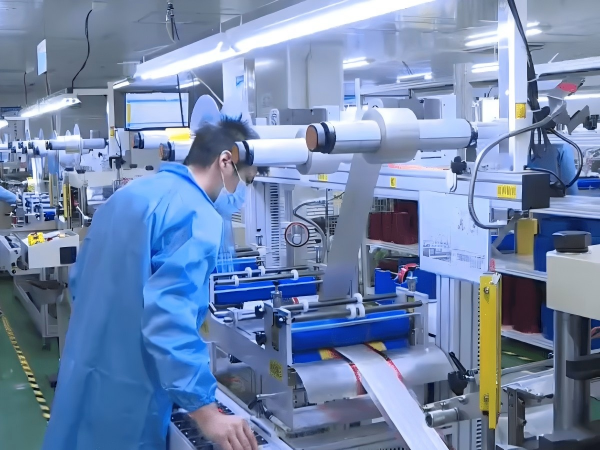
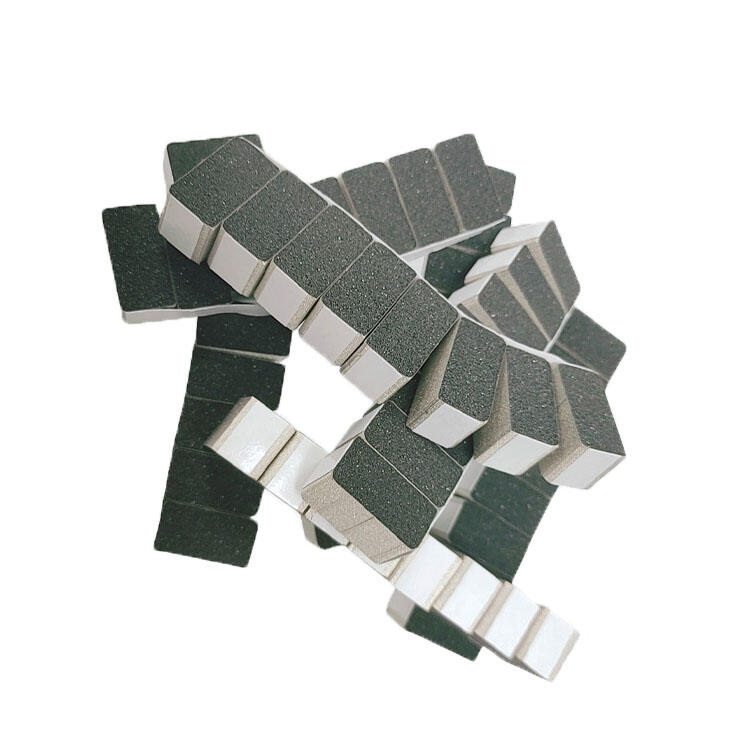
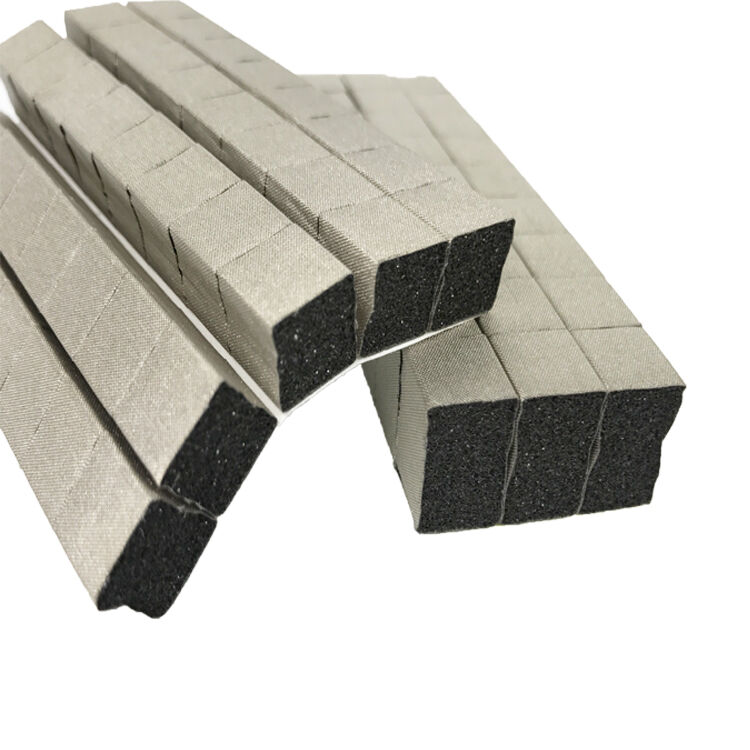
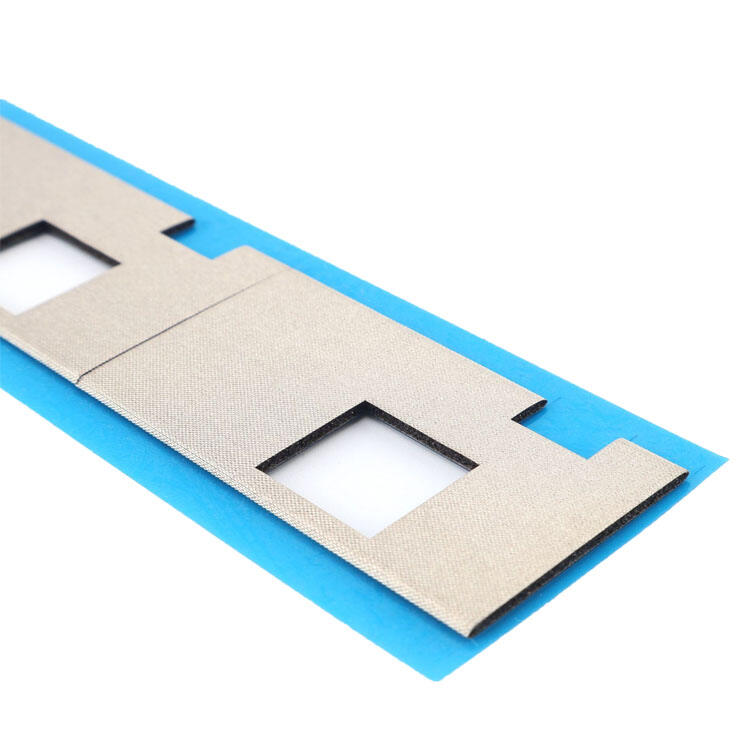
The sophisticated material engineering behind esd conductive foam gaskets enables precise control of electrical, mechanical, and environmental properties to meet specific application requirements. Advanced manufacturing techniques allow for customization of conductivity levels, foam density, compression characteristics, and chemical resistance properties, creating tailored solutions for diverse industrial applications. The conductive elements can include carbon black, metallic fibers, conductive polymers, or specialized hybrid materials, each offering distinct advantages for particular operating environments and performance requirements. This material flexibility enables optimization for specific applications, whether requiring higher conductivity for sensitive electronic protection or enhanced environmental resistance for outdoor installations. The foam base material selection influences compression characteristics, temperature stability, and chemical compatibility, allowing manufacturers to specify gaskets that perform optimally under anticipated operating conditions. Quality control measures ensure consistent material properties throughout production runs, providing reliable performance and predictable behavior across different batches and manufacturing periods. The customization capabilities extend to geometric configurations, enabling complex shapes, varying thickness profiles, and integrated features such as mounting tabs or alignment guides. Adhesive backing options provide additional installation flexibility, with pressure-sensitive adhesives formulated for specific substrate compatibility and environmental exposure requirements. The engineering process considers the intended application environment, including temperature ranges, chemical exposure, mechanical stress levels, and expected service life. This comprehensive approach ensures that each esd conductive foam gasket delivers optimal performance for its intended application while maintaining cost-effectiveness and manufacturing feasibility. Advanced testing protocols verify material performance under accelerated aging conditions, temperature cycling, humidity exposure, and mechanical stress to predict long-term reliability. The result is a highly engineered product that provides consistent performance throughout its service life while offering the flexibility to address unique application challenges through customized material formulations and configurations.


 EN
EN