conductive anti static foam
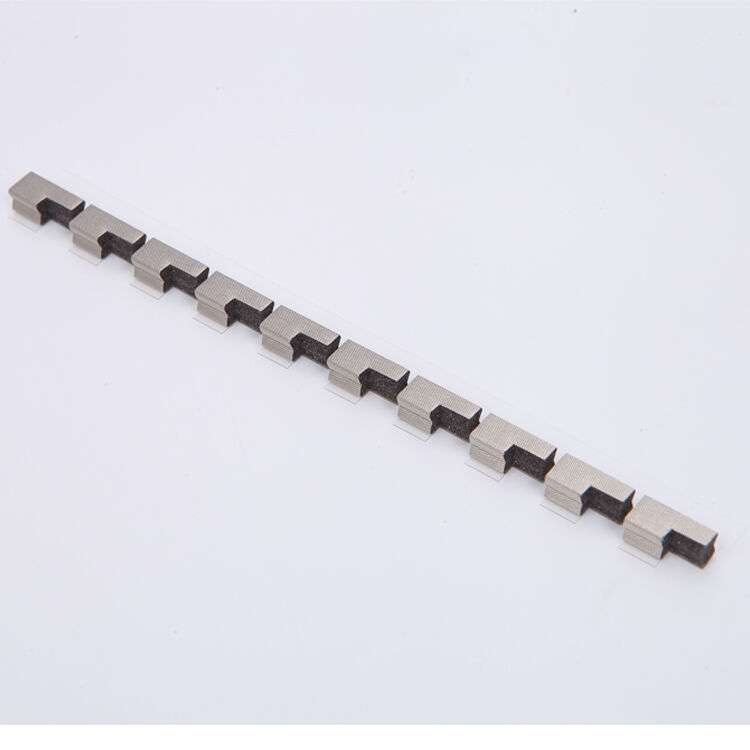
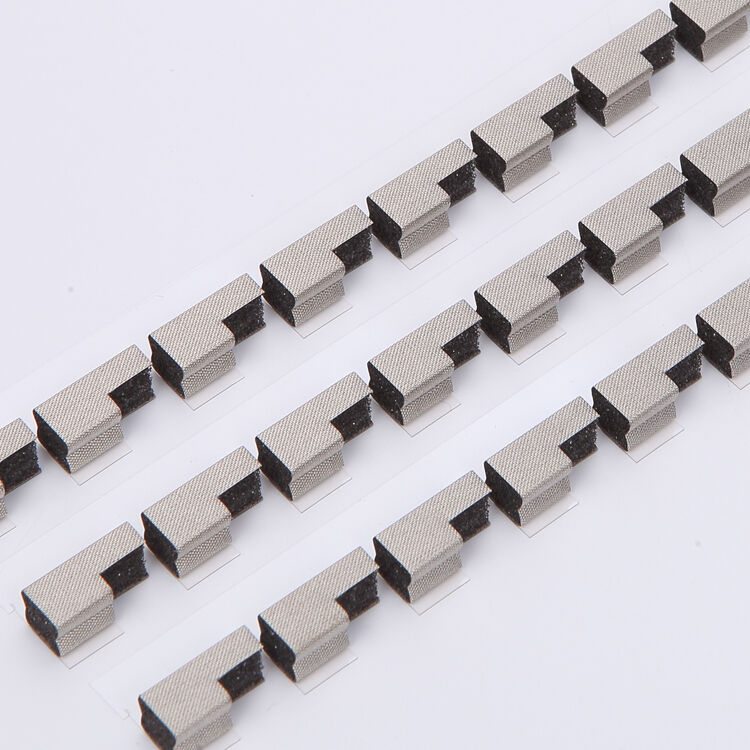
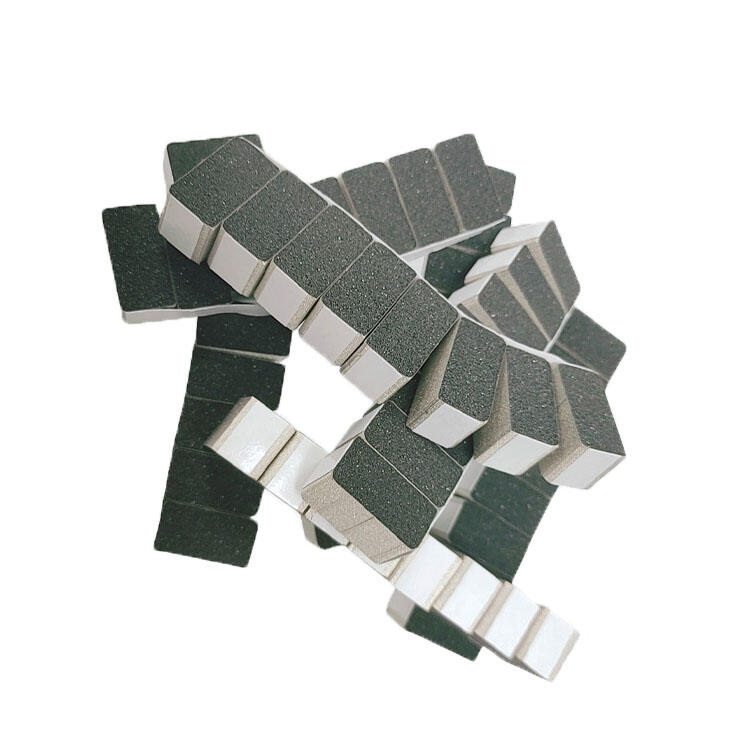
Conductive anti static foam represents a specialized engineering solution designed to protect sensitive electronic components from electrostatic discharge (ESD) damage during storage, handling, and transportation. This advanced material combines the cushioning properties of traditional foam with controlled electrical conductivity, creating a protective environment that safely dissipates static charges while providing physical protection. The conductive anti static foam achieves its functionality through carefully engineered carbon-filled polymer matrices that maintain consistent electrical resistance across the material surface. Unlike standard packaging materials, this foam maintains surface resistivity values between 10^4 to 10^6 ohms per square, ensuring reliable static charge dissipation without creating dangerous voltage differentials. The cellular structure of conductive anti static foam provides excellent shock absorption and vibration dampening, making it ideal for protecting delicate electronic assemblies, semiconductor devices, and precision instruments. Manufacturing processes involve precise control of additive concentrations and foam density to achieve optimal performance characteristics. The material exhibits exceptional durability and maintains its conductive properties over extended periods, even under varying environmental conditions. Temperature stability ensures consistent performance across industrial operating ranges, while chemical resistance protects against degradation from common solvents and cleaning agents. The open-cell or closed-cell structure can be customized based on specific application requirements, with closed-cell variants offering superior moisture resistance for humid environments. Quality control measures ensure batch-to-batch consistency in both electrical and mechanical properties. The conductive anti static foam integrates seamlessly into existing packaging workflows and can be die-cut, molded, or fabricated into custom shapes to accommodate specific component geometries. This versatility makes it an essential component in electronics manufacturing, aerospace applications, medical device production, and telecommunications equipment handling. Environmental considerations include recyclability options and compliance with international safety standards for electronic component protection.




 EN
EN