esd conductive foam
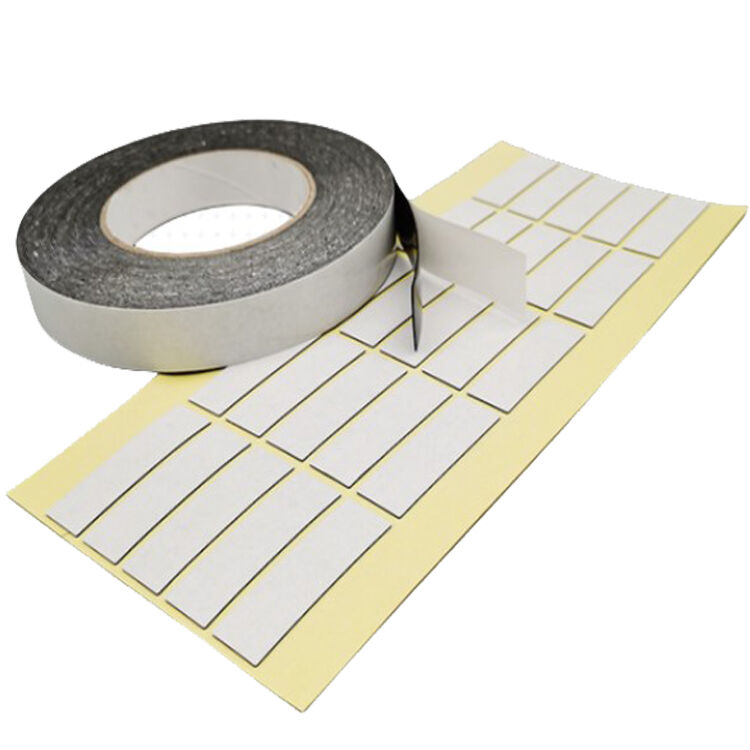
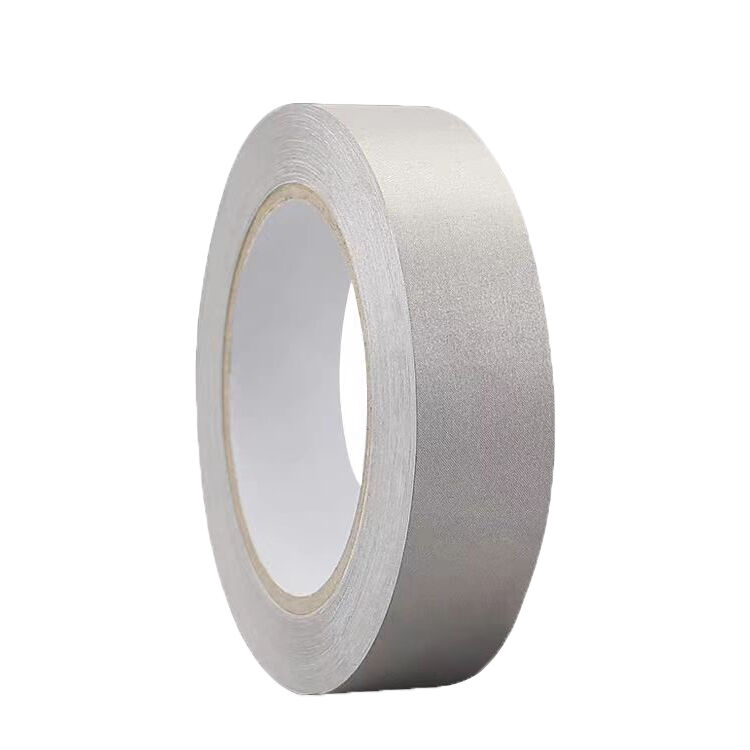
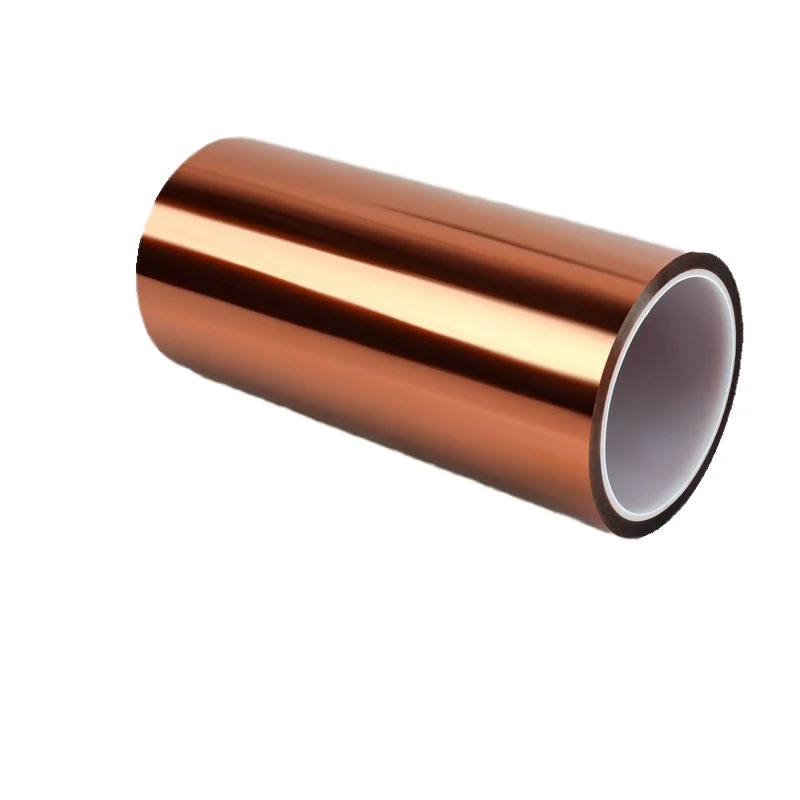
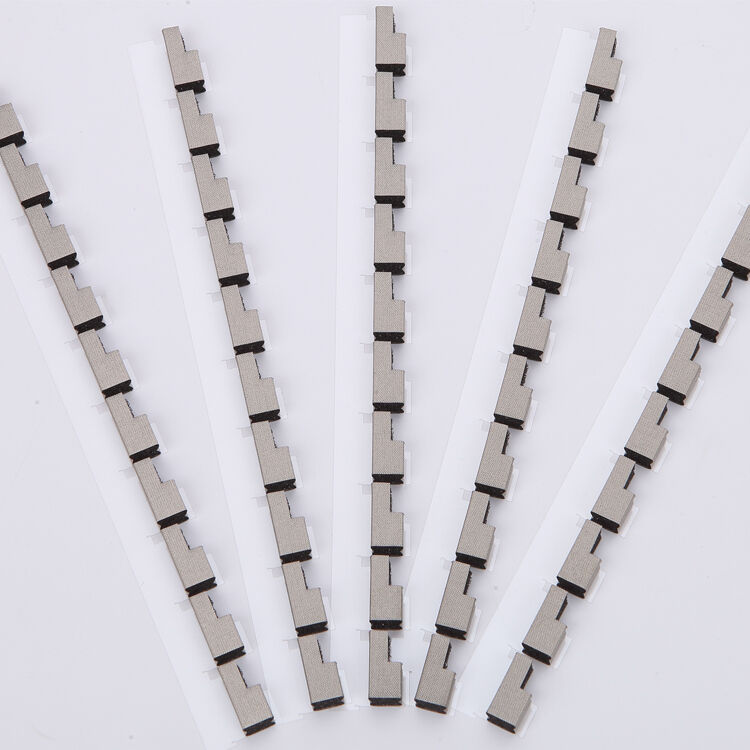
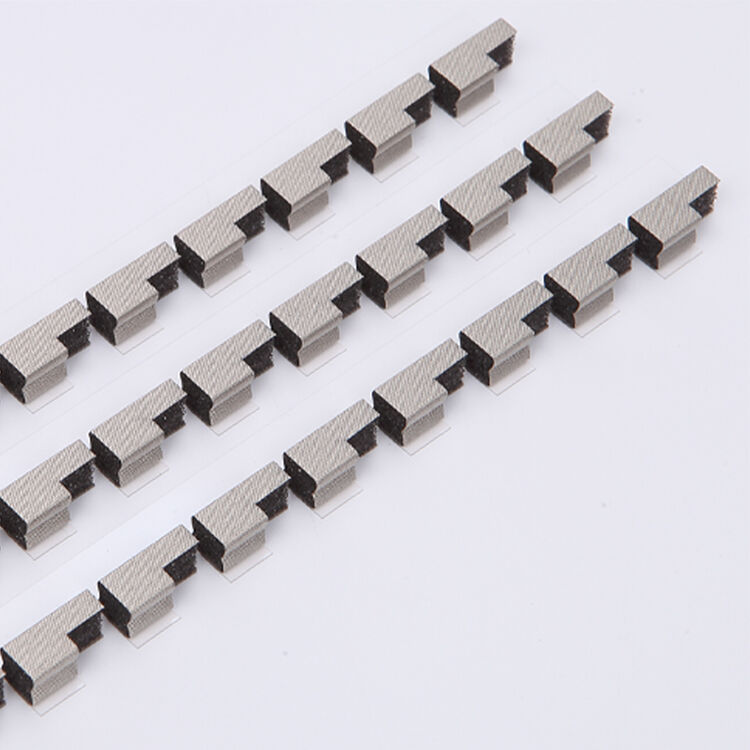
ESD conductive foam represents a specialized protective material engineered to safeguard sensitive electronic components from electrostatic discharge damage. This innovative foam combines the cushioning properties of traditional protective foam with sophisticated electrical conductivity features. The primary function centers on creating a controlled electrostatic environment that prevents static charge buildup while providing mechanical protection during storage, handling, and transportation of electronic devices. The foam achieves its conductive properties through carbon-based additives or metallic coatings that create pathways for electrical charges to dissipate safely. Technologically, esd conductive foam incorporates surface resistivity measurements typically ranging from 10^3 to 10^9 ohms per square, ensuring optimal charge dissipation without creating short circuits. The cellular structure maintains flexibility and shock absorption while preserving electrical conductivity across the material surface. Manufacturing processes involve careful integration of conductive elements during foam production, resulting in consistent electrical properties throughout the material thickness. Applications span numerous industries including semiconductor manufacturing, telecommunications, aerospace, medical device production, and automotive electronics. In semiconductor facilities, esd conductive foam protects integrated circuits, microprocessors, and memory modules during assembly processes. Telecommunications companies utilize this material for protecting circuit boards, optical components, and sensitive networking equipment. Aerospace applications involve safeguarding avionics systems, navigation components, and communication devices from static-related failures. Medical device manufacturers depend on esd conductive foam to protect diagnostic equipment, monitoring systems, and implantable devices during production and shipping phases. The automotive industry employs this protective solution for electronic control units, sensors, and entertainment systems. Research laboratories and testing facilities rely on esd conductive foam for creating controlled environments around sensitive measurement instruments and experimental electronics. The material proves particularly valuable in cleanroom environments where static control requirements demand reliable protective solutions.






 EN
EN