thermal conductive silicone compound
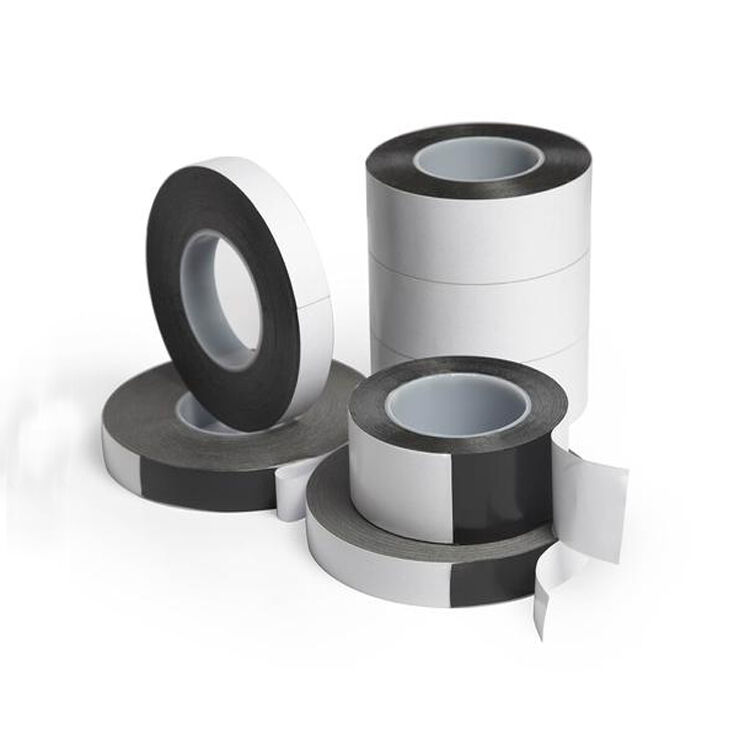
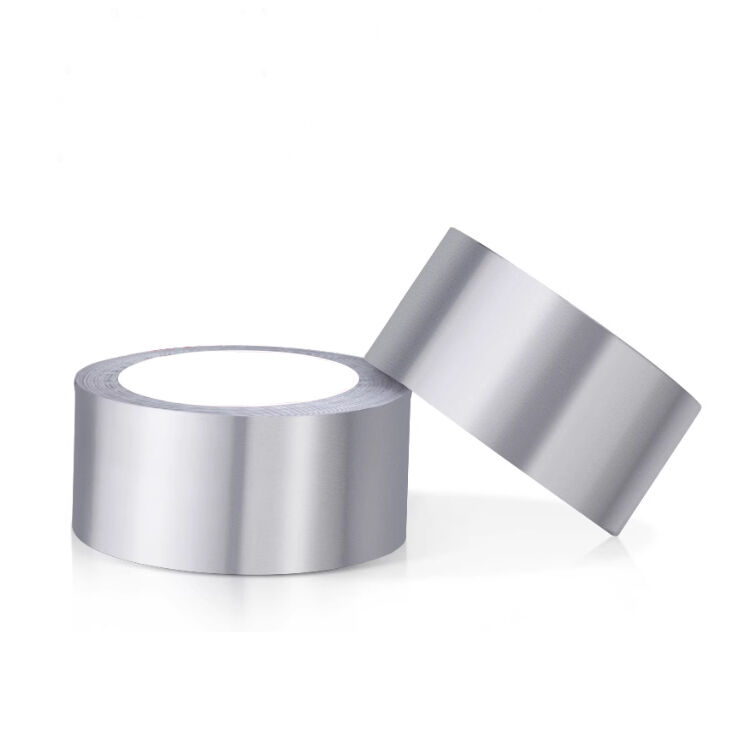
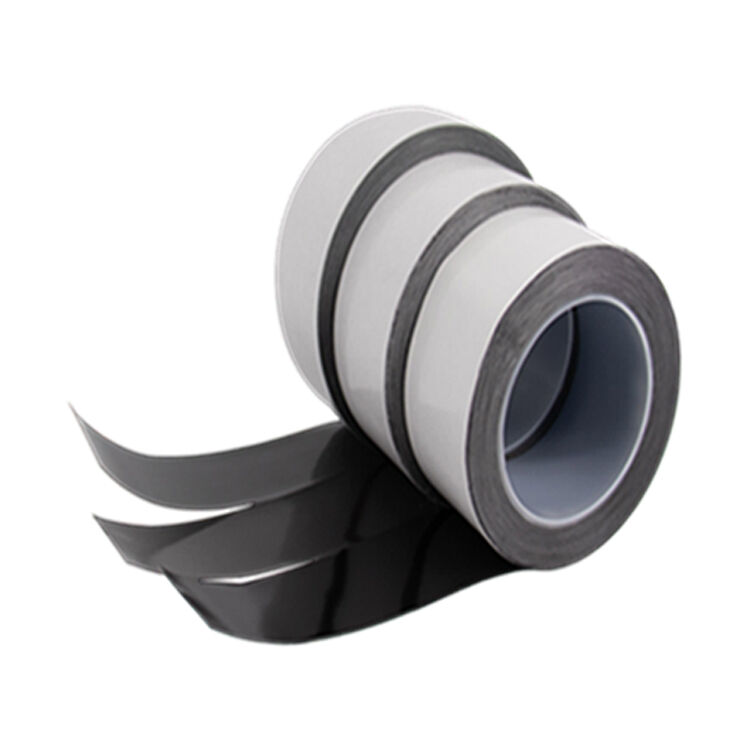
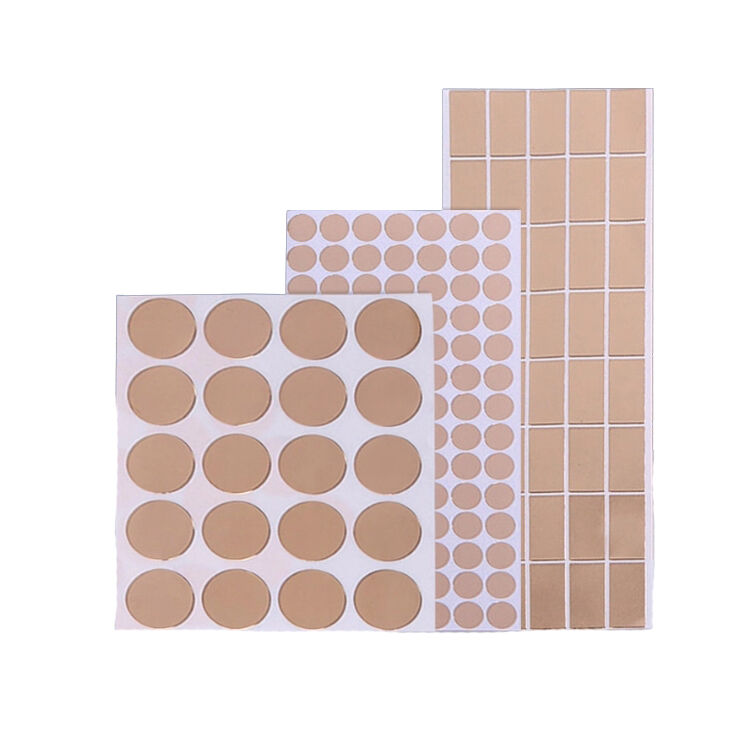
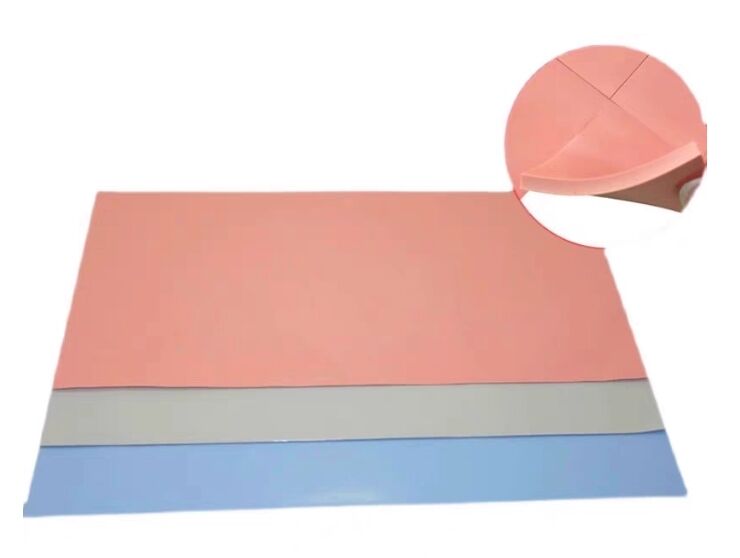
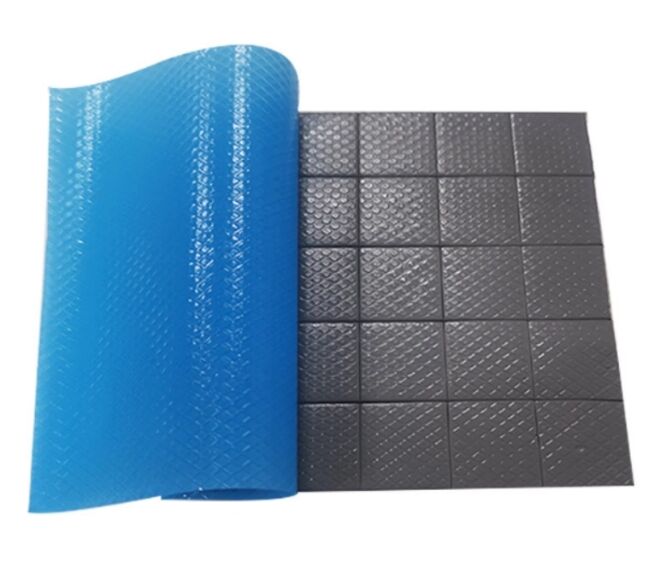
Thermal conductive silicone compound represents a cutting-edge solution in modern heat management technology, designed to facilitate efficient thermal transfer between electronic components and heat dissipation systems. This specialized material combines the flexibility and durability of silicone polymers with enhanced thermal conductivity properties, creating an ideal interface medium for various industrial applications. The thermal conductive silicone compound serves as a critical bridge between heat-generating components and cooling mechanisms, ensuring optimal thermal performance in electronic devices, automotive systems, and industrial equipment. Its primary function revolves around filling microscopic air gaps and surface irregularities that naturally occur between mating surfaces, thereby eliminating thermal resistance barriers that impede heat flow. The compound's technological features include excellent conformability, which allows it to adapt to complex surface geometries while maintaining consistent thermal pathways. Unlike traditional thermal interface materials, this silicone-based solution offers superior long-term stability, resisting degradation under extreme temperature cycling and mechanical stress. The material exhibits remarkable chemical inertness, making it compatible with various substrate materials including metals, ceramics, and plastics. Applications span across multiple industries, from consumer electronics like smartphones and laptops to high-performance computing systems, LED lighting assemblies, power electronics, and automotive engine control units. The thermal conductive silicone compound also finds extensive use in telecommunications equipment, solar panel installations, and industrial motor drives where reliable heat management is crucial for operational efficiency and component longevity. Its versatile formulation allows for customization of thermal conductivity levels, viscosity characteristics, and curing properties to meet specific application requirements, making it an indispensable tool for thermal engineers and product designers seeking optimal heat dissipation solutions.





 EN
EN