silicone thermal pad
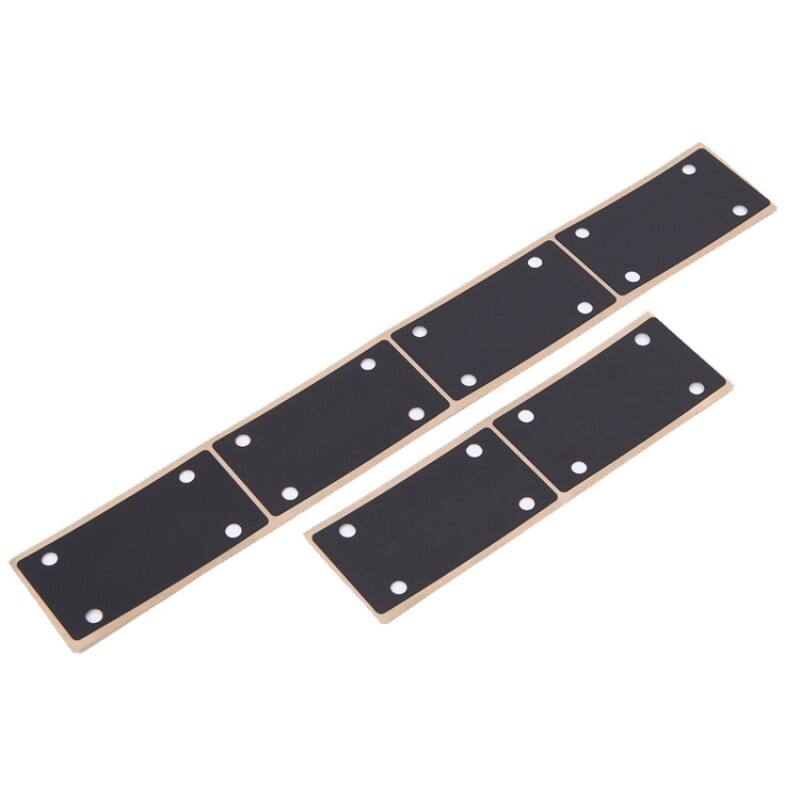
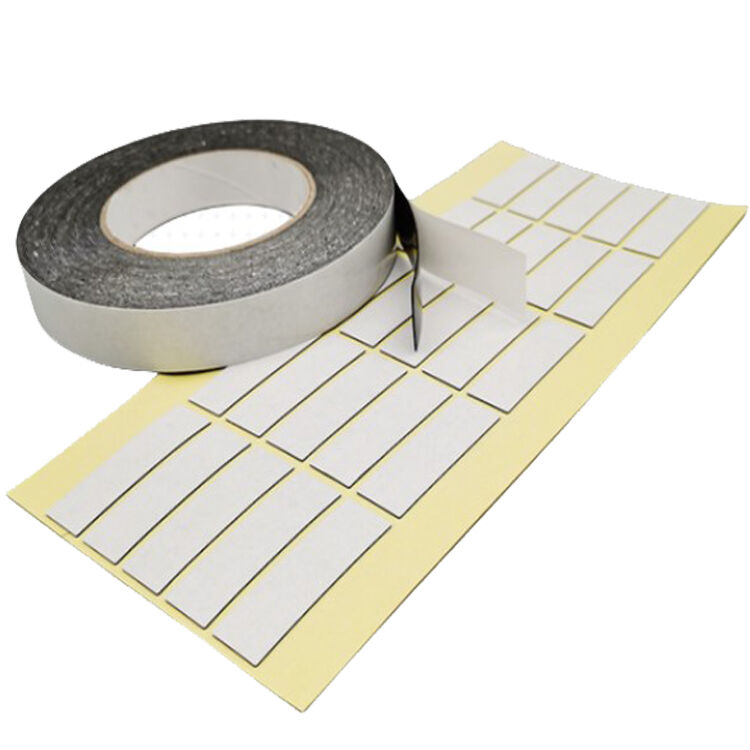
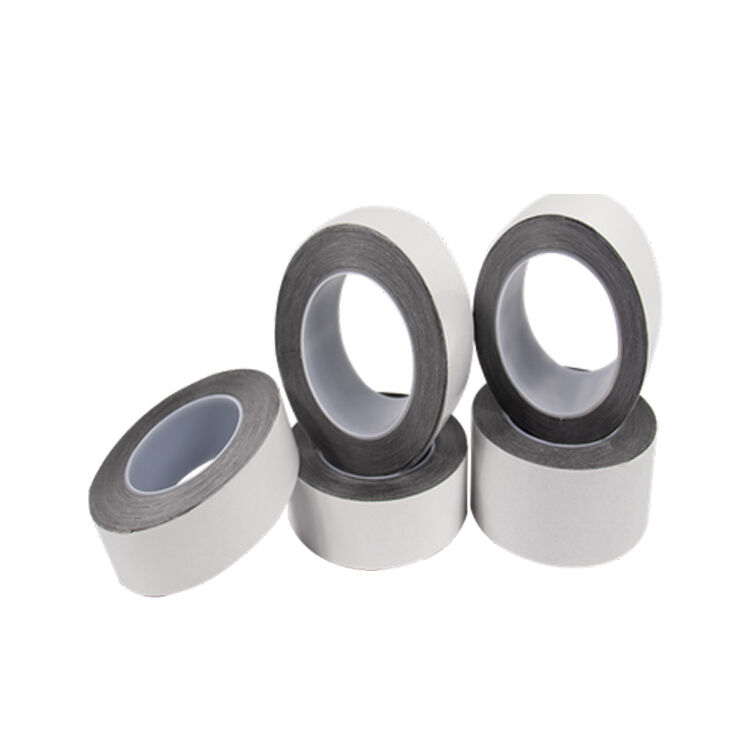
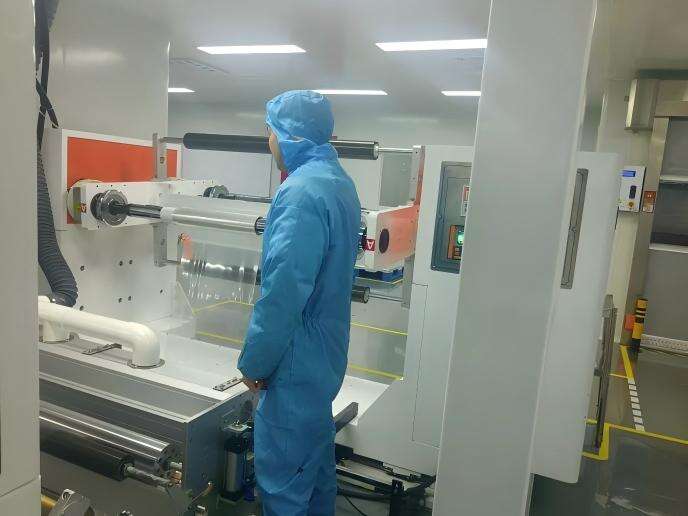
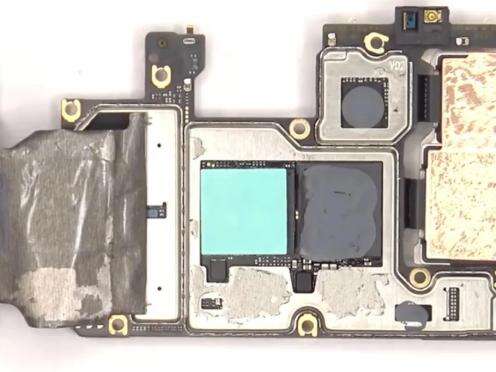
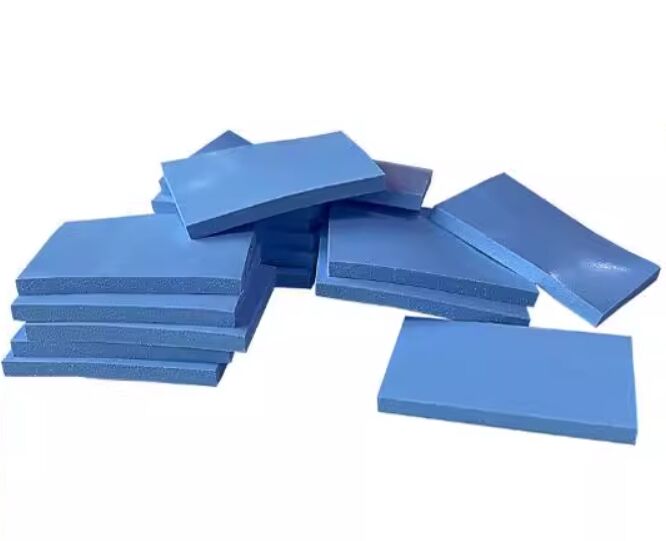
Silicone thermal pad technology represents a crucial advancement in thermal management solutions for modern electronic devices and industrial equipment. These specialized pads function as thermal interface materials that bridge the gap between heat-generating components and heat dissipation systems, ensuring optimal temperature control and enhanced performance reliability. The primary function of a silicone thermal pad involves facilitating efficient heat transfer from electronic components such as processors, graphics cards, power modules, and LED assemblies to heat sinks, chassis, or other cooling mechanisms. The silicone thermal pad achieves this through its unique composition of silicone polymer matrix filled with thermally conductive particles like aluminum oxide, boron nitride, or ceramic compounds. This engineering creates a flexible, conformable material that maintains excellent thermal conductivity while providing electrical insulation properties essential for safe operation in electronic environments. Technological features of the silicone thermal pad include exceptional temperature stability, typically operating within ranges from negative forty to positive two hundred degrees Celsius, making them suitable for extreme environmental conditions. The material exhibits remarkable compression characteristics, allowing it to conform to surface irregularities and maintain consistent thermal contact even under mechanical stress or thermal cycling. Manufacturing processes ensure uniform thickness control and consistent thermal performance across large surface areas. Applications for silicone thermal pad solutions span across numerous industries including consumer electronics, automotive systems, telecommunications infrastructure, industrial machinery, aerospace components, and renewable energy systems. In consumer electronics, these pads enable efficient cooling in smartphones, tablets, laptops, and gaming consoles. Automotive applications include electric vehicle battery management systems, engine control units, and LED lighting assemblies. Industrial uses encompass power supplies, motor drives, welding equipment, and medical devices where reliable thermal management ensures operational safety and longevity.






 EN
EN