High-Performance Thermal Conductive Foam Pad Solutions - Superior Heat Transfer & Electrical Insulation

All Categories

Get a Free Quote

Our representative will contact you soon.
Email
Name
Company Name
Message
0/1000

thermal conductive foam pad

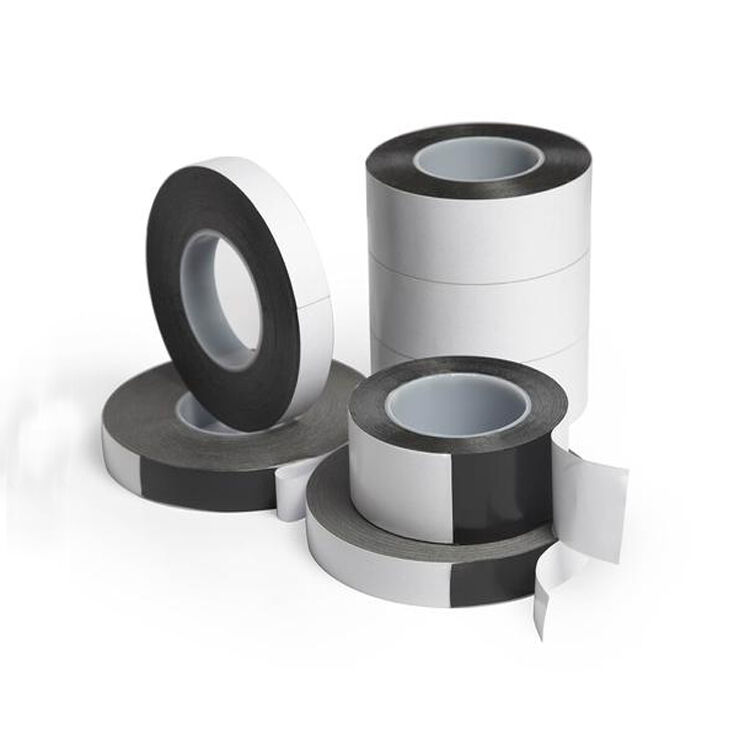
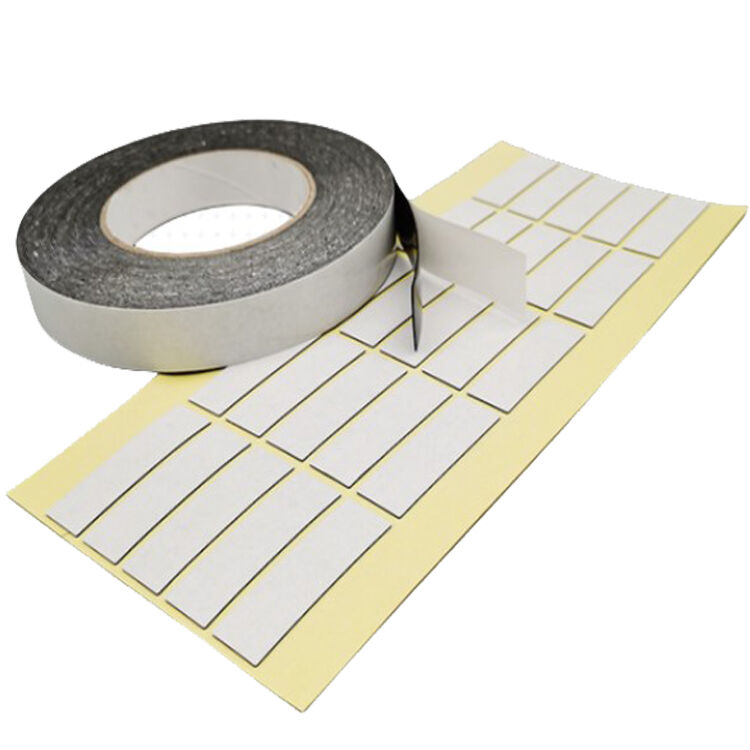
Thermal conductive foam pad represents a cutting-edge solution designed to address heat dissipation challenges in modern electronic devices and industrial applications. This innovative material combines the flexibility of foam with superior thermal conductivity properties, creating an ideal interface between heat-generating components and cooling systems. The thermal conductive foam pad serves as a critical component in thermal management, effectively transferring heat from sensitive electronic parts to heat sinks, chassis, or other cooling mechanisms. The primary function of these specialized pads involves filling air gaps and surface irregularities between components while maintaining excellent thermal pathways. Unlike traditional thermal interface materials, the thermal conductive foam pad offers compressible characteristics that accommodate various component heights and surface imperfections. This adaptability ensures consistent thermal contact across irregular surfaces, maximizing heat transfer efficiency. The technological features of thermal conductive foam pad include engineered polymer matrices infused with thermally conductive fillers such as ceramic particles, metal oxides, or graphite compounds. These materials create continuous thermal pathways throughout the foam structure while maintaining the material's compressibility and conformability. Advanced manufacturing processes ensure uniform distribution of conductive particles, resulting in consistent thermal performance across the entire pad surface. The applications for thermal conductive foam pad span numerous industries, from consumer electronics and automotive systems to telecommunications equipment and industrial machinery. In smartphones and tablets, these pads efficiently transfer heat from processors and power management units to metal housings. Data centers rely on thermal conductive foam pad solutions to manage heat in servers and networking equipment, ensuring optimal performance and reliability. Electric vehicle manufacturers utilize these materials to maintain battery temperature control and power electronics cooling. The versatility of thermal conductive foam pad makes it indispensable in any application where efficient heat management, component protection, and long-term reliability are essential requirements for successful operation.

New Product Recommendations

The thermal conductive foam pad delivers exceptional benefits that make it superior to conventional thermal interface materials in numerous ways. First and foremost, the compressible nature of thermal conductive foam pad allows it to conform perfectly to uneven surfaces and varying component heights. This characteristic eliminates air pockets that typically reduce heat transfer efficiency, ensuring maximum thermal contact between components and cooling systems. Traditional thermal pastes and rigid materials often fail to maintain consistent contact, but thermal conductive foam pad maintains its performance even under mechanical stress and temperature cycling. The installation process for thermal conductive foam pad proves remarkably simple and clean compared to messy thermal pastes or complex mounting systems. Engineers and technicians can quickly position the pad without special tools or lengthy curing times, reducing assembly costs and manufacturing complexity. This ease of use translates directly into faster production times and lower labor costs for manufacturers. The reusability factor of thermal conductive foam pad provides significant cost advantages over single-use alternatives. When components require replacement or maintenance, the pad can often be removed and reinstalled without degradation in thermal performance. This feature proves particularly valuable in prototyping environments and field service applications where components frequently change. Durability represents another crucial advantage of thermal conductive foam pad technology. These materials resist compression set, meaning they maintain their original thickness and thermal properties even after prolonged compression. Temperature cycling, vibration, and mechanical stress do not significantly impact the thermal performance of quality foam pads, ensuring long-term reliability in demanding applications. The electrical insulation properties of most thermal conductive foam pad variants provide an additional safety benefit. While efficiently conducting heat, these materials prevent electrical short circuits between components, eliminating the need for additional insulation layers. This dual functionality simplifies design requirements and reduces overall system complexity. Environmental considerations also favor thermal conductive foam pad solutions. Many formulations use environmentally friendly materials and manufacturing processes, supporting corporate sustainability goals. The longevity of these materials reduces waste compared to frequently replaced alternatives. Cost-effectiveness emerges as a compelling advantage when considering total ownership costs. Although initial material costs may exceed basic alternatives, the combination of easy installation, reusability, durability, and superior performance creates significant value over the product lifecycle, making thermal conductive foam pad an intelligent investment for thermal management applications.

Practical Tips

Dragon Ascension: The Little Giants, Episode 12 | Zhuohan Materials: Pioneering Cutting-Edge Technologies, Making China's EMC Products Shine Among the World's Best

21

Nov

Dragon Ascension: The Little Giants, Episode 12 | Zhuohan Materials: Pioneering Cutting-Edge Technologies, Making China's EMC Products Shine Among the World's Best

View More
Shenzhen Johan Material Technology Co., Ltd. Has Obtained a Patent for Shielding Cover Structure for Circuit Boards

05

Dec

Shenzhen Johan Material Technology Co., Ltd. Has Obtained a Patent for Shielding Cover Structure for Circuit Boards

View More
Shenzhen New Horizon

21

Nov

Shenzhen New Horizon "Released and Broadcasted on Shenzhen Television - Shenzhen Johan Material Technology Co., Ltd

View More
Unitedas One, Moving Forward Courageously ShenzhenJohanMaterial Technology Co., Ltd. 2026 Annual Ceremony and Awards Ceremony

05

Feb

Unitedas One, Moving Forward Courageously ShenzhenJohanMaterial Technology Co., Ltd. 2026 Annual Ceremony and Awards Ceremony

View More

Get a Free Quote

Our representative will contact you soon.
Email
Name
Company Name
Message
0/1000

thermal conductive foam pad

Superior Conformability and Gap-Filling Performance

Superior Conformability and Gap-Filling Performance

The exceptional conformability of thermal conductive foam pad stands as its most distinctive feature, setting it apart from rigid thermal interface materials in the marketplace. This remarkable characteristic stems from the carefully engineered foam structure that allows the material to compress and adapt to surface irregularities while maintaining excellent thermal conductivity. Unlike solid thermal pads or metal interfaces that require perfectly flat surfaces to function effectively, thermal conductive foam pad can accommodate surface variations, component height differences, and manufacturing tolerances that are common in real-world applications. The compression characteristics of thermal conductive foam pad enable it to fill microscopic air gaps that would otherwise create thermal barriers. When compressed, the foam structure deforms to match surface contours precisely, creating intimate contact between the thermal interface and both mating surfaces. This conformability proves particularly valuable in applications involving cast or machined surfaces where perfect flatness is difficult to achieve or maintain. The foam structure allows for compression ratios typically ranging from 20% to 80% of original thickness, providing flexibility to accommodate various design requirements. Engineering teams appreciate how thermal conductive foam pad can compensate for component tolerances without requiring expensive precision machining or additional hardware. This adaptability extends to applications involving thermal expansion and contraction cycles, where rigid materials might lose contact or create stress points. The foam's resilience ensures consistent thermal contact throughout temperature variations, maintaining performance across operational temperature ranges. The gap-filling capability of thermal conductive foam pad proves essential in modern electronic packaging where space constraints and component density create complex thermal management challenges. Multiple components of varying heights can be thermally coupled to a single heat spreader using appropriately sized foam pads, eliminating the need for custom machined interfaces or multiple thermal solutions. This versatility simplifies design processes and reduces manufacturing complexity while ensuring optimal thermal performance across all components. Quality thermal conductive foam pad materials demonstrate excellent recovery properties, returning to near-original thickness when compression loads are removed, which supports maintenance and rework procedures without performance degradation.
Exceptional Thermal Performance with Electrical Isolation

Exceptional Thermal Performance with Electrical Isolation

The dual functionality of thermal conductive foam pad in providing excellent thermal conductivity while maintaining electrical insulation represents a significant technological achievement that addresses critical design challenges in modern electronics. This unique combination eliminates the traditional trade-off between thermal performance and electrical safety, enabling engineers to implement efficient thermal management solutions without compromising electrical isolation requirements. The thermal conductivity of advanced thermal conductive foam pad formulations typically ranges from 1.0 to 8.0 W/mK, depending on the specific filler materials and foam structure. This performance level efficiently transfers heat from sensitive components while maintaining the electrical insulation properties necessary for safe operation. The engineered polymer matrix incorporates thermally conductive but electrically insulating fillers such as aluminum oxide, boron nitride, or specially treated ceramic particles that create continuous thermal pathways without establishing electrical continuity. This electrical isolation capability of thermal conductive foam pad proves particularly valuable in high-voltage applications, power electronics, and situations where components at different electrical potentials require thermal coupling. Traditional metal-based thermal interfaces would create dangerous short circuits in such applications, but thermal conductive foam pad safely manages heat transfer while maintaining electrical separation. The dielectric strength of quality foam pads typically exceeds 10 kV/mm, providing substantial safety margins for most electronic applications. The thermal performance stability of thermal conductive foam pad remains consistent across wide temperature ranges and extended operational periods. Unlike thermal pastes that can dry out or pump out under thermal cycling, the solid foam structure maintains its thermal properties throughout the product lifecycle. Temperature cycling tests demonstrate minimal degradation in thermal conductivity even after thousands of heating and cooling cycles, ensuring reliable long-term performance in demanding applications. Advanced thermal conductive foam pad formulations incorporate phase change materials or other thermal enhancement technologies to further improve heat transfer efficiency. These innovations allow the material to provide thermal conductivity approaching that of metal interfaces while retaining the electrical insulation and mechanical advantages of foam construction. The result is a thermal interface material that delivers optimal thermal performance without compromising safety or design flexibility, making thermal conductive foam pad an ideal solution for complex thermal management applications.
Cost-Effective Long-Term Solution with Easy Installation

Cost-Effective Long-Term Solution with Easy Installation

The economic advantages of thermal conductive foam pad extend far beyond initial material costs, creating compelling total cost of ownership benefits that make it an intelligent choice for manufacturers and engineers seeking efficient thermal management solutions. The cost-effectiveness of thermal conductive foam pad becomes apparent when considering the complete product lifecycle, from initial design and manufacturing through maintenance and end-of-life considerations. Installation simplicity represents one of the most significant cost advantages of thermal conductive foam pad technology. Unlike thermal pastes that require precise application, curing time, and potential rework due to contamination or application errors, foam pads install quickly and cleanly with minimal training requirements. Production line workers can position thermal conductive foam pad accurately without specialized equipment or extensive experience, reducing labor costs and improving manufacturing efficiency. The elimination of messy cleanup procedures and application errors translates into faster production cycles and higher first-pass yields. The reusability factor of thermal conductive foam pad provides substantial cost savings in prototyping, testing, and maintenance scenarios. When components require replacement or configuration changes, the foam pad can typically be removed and reinstalled multiple times without significant performance degradation. This characteristic proves particularly valuable in development environments where frequent component changes occur, eliminating the waste associated with single-use thermal interface materials. Field service technicians appreciate the ability to remove and reinstall thermal conductive foam pad during maintenance procedures without requiring replacement materials. Long-term reliability characteristics of thermal conductive foam pad contribute significantly to its cost-effectiveness by reducing warranty claims and field failures. The material's resistance to pump-out, dry-out, and thermal cycling degradation ensures consistent performance throughout the product lifecycle. This reliability reduces the total cost of ownership by minimizing service calls, component replacements, and customer satisfaction issues related to thermal management failures. Manufacturing cost advantages emerge from the simplified assembly processes enabled by thermal conductive foam pad technology. The elimination of dispensing equipment, mixing systems, and curing ovens associated with liquid thermal interface materials reduces capital equipment requirements and production complexity. Quality control procedures become simpler and more reliable with consistent foam pad dimensions and properties compared to variable liquid application results. The inventory management benefits of thermal conductive foam pad include longer shelf life, easier storage requirements, and reduced waste compared to liquid alternatives. These factors contribute to lower total procurement costs and improved supply chain efficiency, making thermal conductive foam pad a financially attractive solution for thermal management applications.

Get a Free Quote

Our representative will contact you soon.
Email
Name
Company Name
Message
0/1000