Versatile Manufacturing and Customization Capabilities
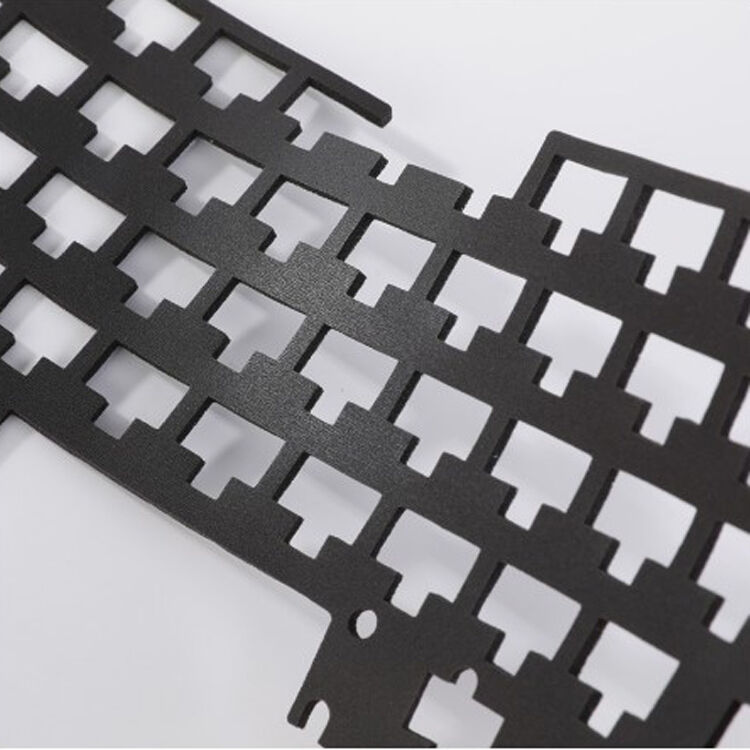
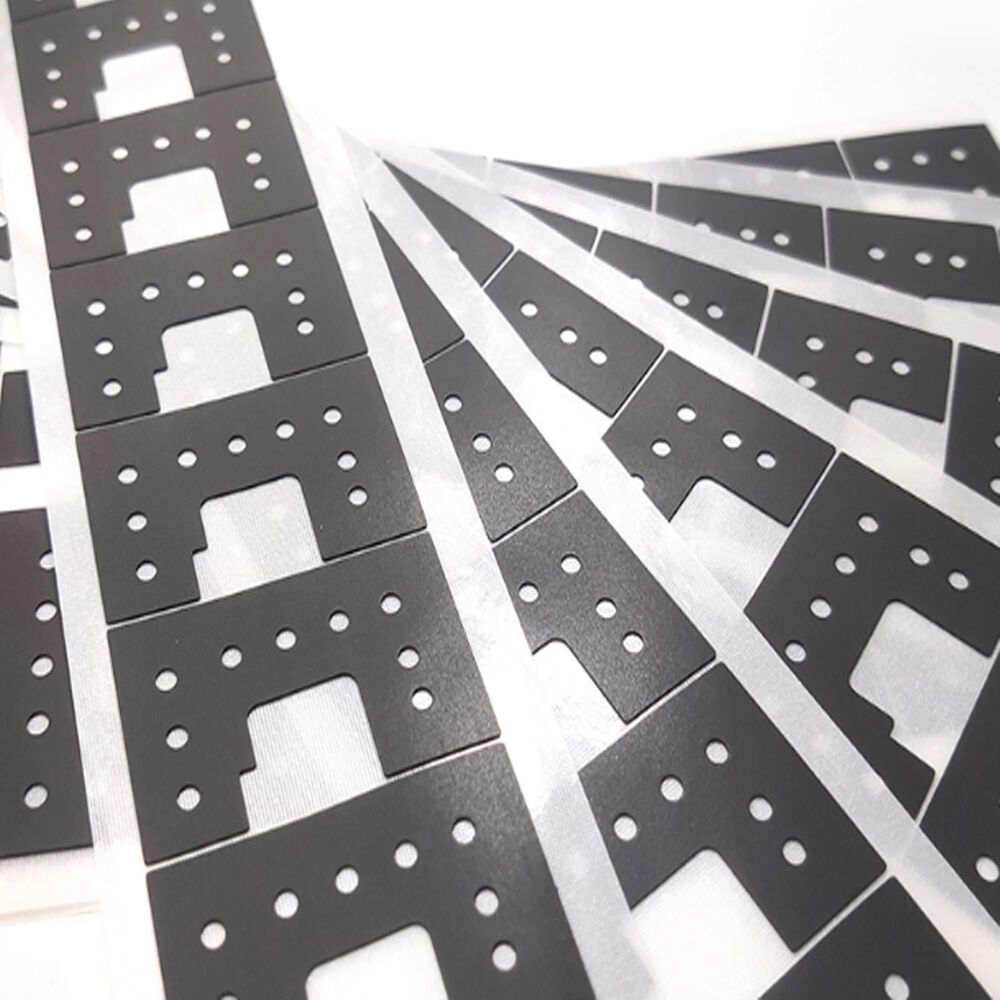
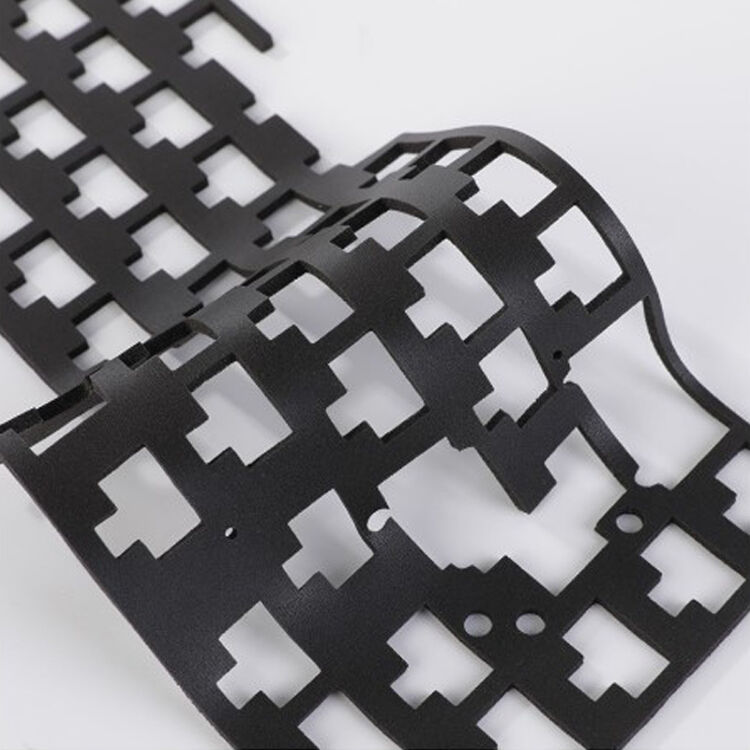
Soft polyurethane foam offers unmatched versatility in manufacturing processes and customization options, enabling engineers and designers to create tailored solutions for virtually any application requirement. The reactive liquid components can be precisely formulated to achieve specific physical properties, including density, firmness, resilience, and special characteristics such as flame retardance or antimicrobial properties. This chemical flexibility allows manufacturers to create foams ranging from ultra-soft comfort layers to firm structural supports, all within the same basic material system. Molding capabilities enable the production of complex three-dimensional shapes that would be impossible or prohibitively expensive with traditional materials. Pour-in-place molding allows for the creation of intricate geometries, including undercuts, hollow sections, and integrated features that eliminate assembly requirements and reduce manufacturing costs. This process flexibility supports everything from simple rectangular blocks to sophisticated automotive seat cores with integrated bolsters and contouring features. Density gradients can be achieved within single foam pieces, creating products with varying firmness zones that provide targeted support and comfort characteristics. This capability is particularly valuable in bedding applications where different body zones require different support levels, and in automotive seating where comfort and safety requirements vary across the seat structure. Lamination processes allow soft polyurethane foam to be bonded with other materials, including fabrics, films, metals, and rigid plastics, creating composite structures with enhanced performance characteristics. Adhesive compatibility ensures strong, durable bonds that withstand environmental stresses and mechanical loads over extended periods. Color customization provides aesthetic options while maintaining all performance characteristics, eliminating the need for separate covering materials in many applications. Surface treatments can modify the foam's exterior properties, adding features such as antimicrobial protection, enhanced flame resistance, or improved adhesion to coverings and substrates. Converting processes including cutting, shaping, convoluting, and perforating allow for precise customization of finished products to meet exact dimensional and performance specifications. Computer-controlled cutting systems ensure repeatability and precision in high-volume production while maintaining flexibility for custom orders and prototypes. The material's compatibility with automated manufacturing processes reduces labor costs while improving consistency and quality control throughout production runs.


 EN
EN