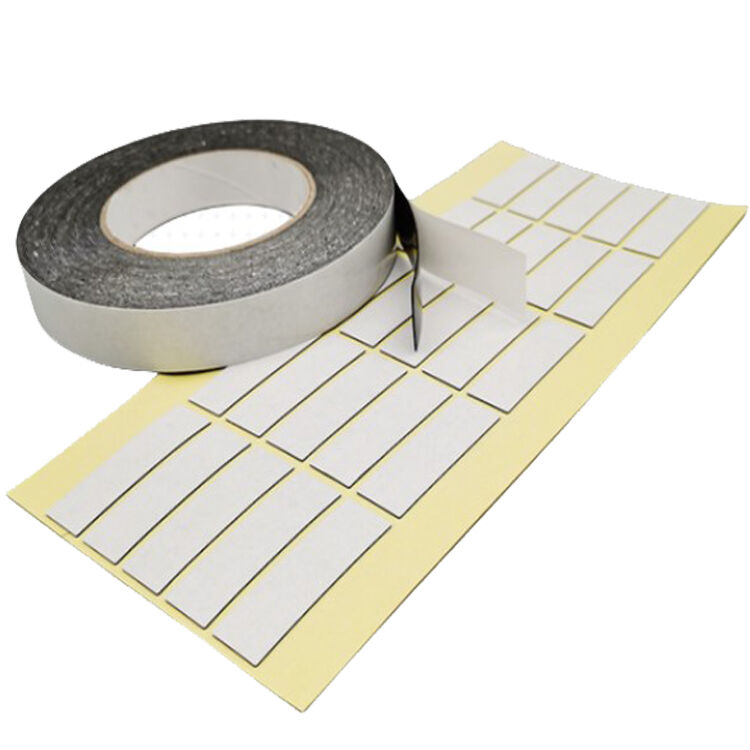
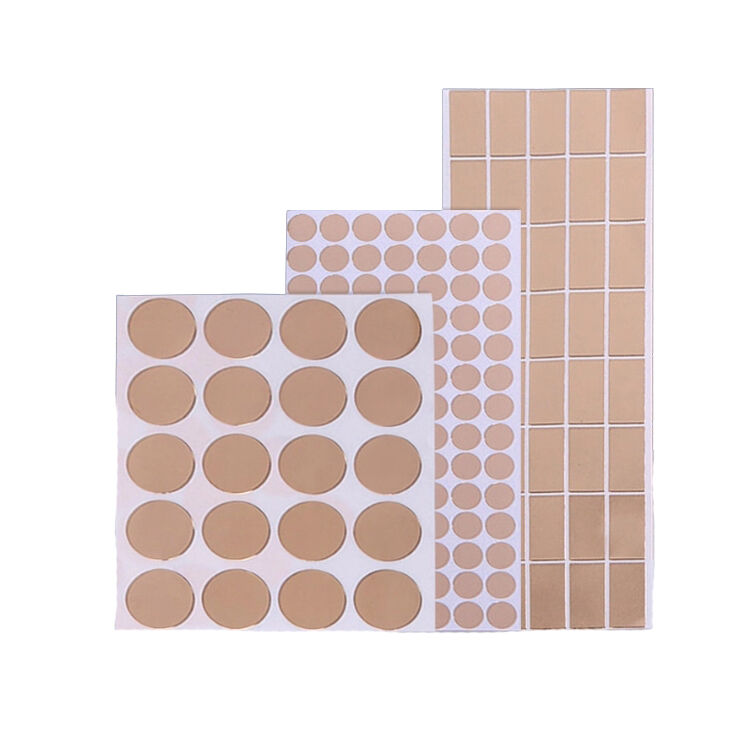
Thermoplastic Polyurethane Foam: Advanced Material Solutions for Superior Performance and Sustainability

All Categories

Get a Free Quote

Our representative will contact you soon.
Email
Name
Company Name
Message
0/1000

thermoplastic polyurethane foam

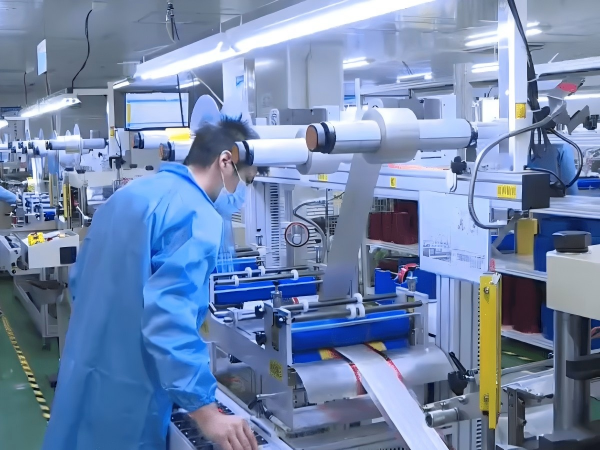
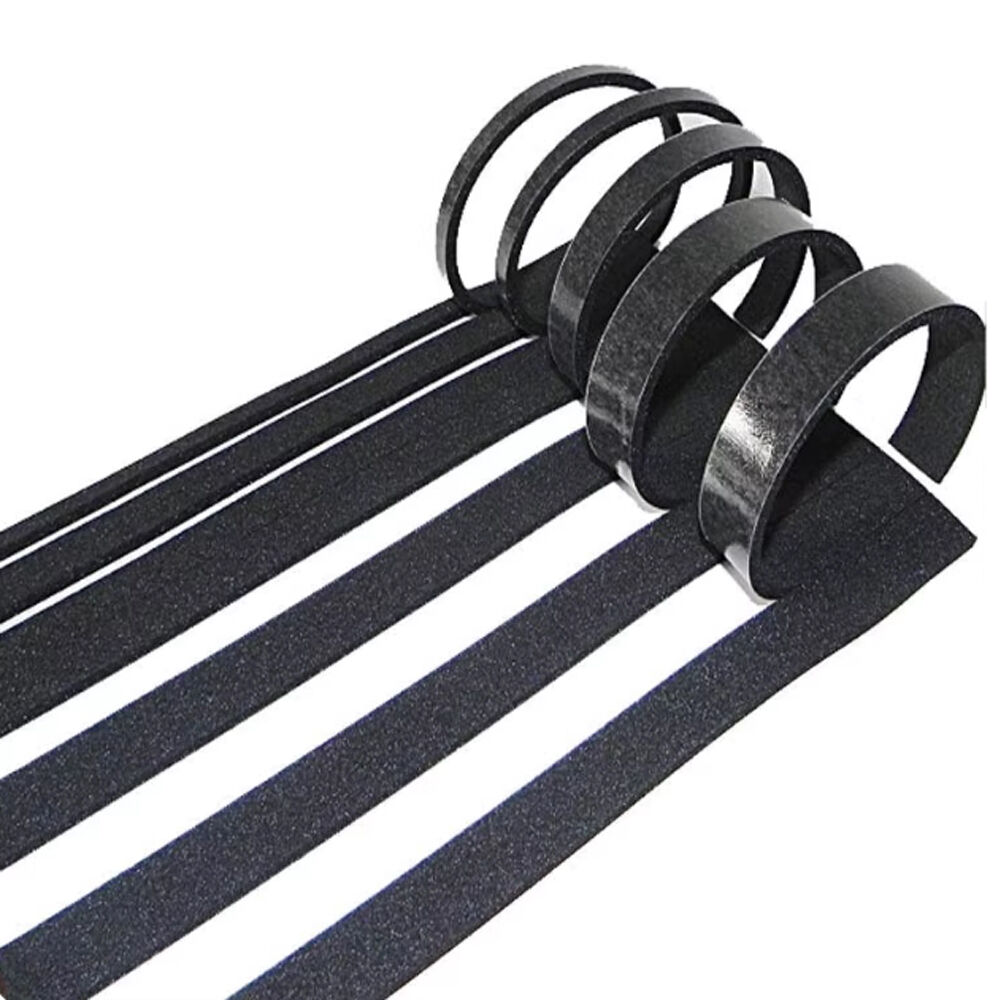
Thermoplastic polyurethane foam represents a revolutionary advancement in flexible foam technology, combining the exceptional properties of polyurethane with thermoplastic characteristics. This innovative material exhibits remarkable versatility through its unique molecular structure, which allows for repeated heating and cooling cycles without compromising its fundamental properties. The primary functions of thermoplastic polyurethane foam encompass energy absorption, cushioning, thermal insulation, and structural support across diverse applications. Its technological features include superior resilience, excellent tear resistance, outstanding chemical stability, and impressive temperature tolerance ranging from extreme cold to elevated heat conditions. The material demonstrates exceptional elasticity, returning to its original shape after compression while maintaining consistent performance over extended periods. Manufacturing processes utilize advanced extrusion and molding techniques, enabling precise control over density, cell structure, and mechanical properties. The foam's closed-cell or open-cell architecture can be customized based on specific application requirements, providing engineers with unprecedented design flexibility. Key applications span automotive interiors, medical devices, sports equipment, industrial gaskets, aerospace components, and consumer electronics. In automotive applications, thermoplastic polyurethane foam serves as door panels, instrument panel cushioning, and seat components, delivering enhanced comfort and safety. Medical applications leverage its biocompatibility for prosthetics, orthotic devices, and surgical equipment padding. The foam's lightweight nature combined with robust mechanical properties makes it ideal for aerospace applications where weight reduction is critical. Consumer electronics benefit from its electromagnetic interference shielding capabilities and impact protection. Industrial applications utilize its chemical resistance for sealing applications in harsh environments. The material's recyclability aligns with sustainability initiatives, as thermoplastic polyurethane foam can be reprocessed multiple times without significant property degradation, making it an environmentally responsible choice for manufacturers seeking sustainable solutions while maintaining superior performance characteristics across demanding applications.

Popular Products

Thermoplastic polyurethane foam delivers exceptional durability that significantly outperforms traditional foam materials, providing customers with long-lasting solutions that reduce replacement costs and maintenance requirements. This remarkable durability stems from the material's inherent resistance to wear, tear, and environmental factors, ensuring consistent performance even under demanding conditions. The foam maintains its structural integrity through thousands of compression cycles, making it perfect for high-use applications where reliability is paramount. Customers benefit from reduced downtime and lower total cost of ownership due to the extended service life of thermoplastic polyurethane foam components. The material's superior chemical resistance protects against oils, solvents, and various industrial chemicals, eliminating the degradation issues commonly experienced with conventional foams. This chemical stability translates directly into cost savings for businesses operating in harsh chemical environments. Temperature versatility represents another significant advantage, as thermoplastic polyurethane foam performs consistently across extreme temperature ranges, from arctic conditions to high-heat industrial environments. This temperature stability eliminates the need for multiple material solutions, simplifying inventory management and reducing procurement costs. The foam's excellent energy absorption capabilities provide superior impact protection, reducing damage to sensitive equipment and enhancing safety for end users. Processing advantages include easy fabrication and joining techniques, allowing manufacturers to create complex shapes and assemblies without specialized equipment or extensive training. The thermoplastic nature enables welding, bonding, and thermoforming processes that create strong, seamless connections between components. Recycling benefits offer customers an environmentally sustainable option that supports corporate sustainability goals while maintaining performance standards. The material can be reprocessed multiple times without losing essential properties, creating a circular economy approach that reduces waste and environmental impact. Customization flexibility allows manufacturers to tailor density, hardness, and cellular structure to meet specific application requirements, ensuring optimal performance for unique customer needs. Weight reduction benefits help customers achieve lighter products without sacrificing strength or functionality, particularly important in automotive and aerospace applications where weight directly impacts fuel efficiency and performance. The foam's consistent quality and predictable behavior simplify design processes and reduce development time, allowing customers to bring products to market faster while maintaining confidence in material performance.

Latest News

Dragon Ascension: The Little Giants, Episode 12 | Zhuohan Materials: Pioneering Cutting-Edge Technologies, Making China's EMC Products Shine Among the World's Best

21

Nov

Dragon Ascension: The Little Giants, Episode 12 | Zhuohan Materials: Pioneering Cutting-Edge Technologies, Making China's EMC Products Shine Among the World's Best

View More
Shenzhen Johan Material Technology Co., Ltd. Has Obtained a Patent for Shielding Cover Structure for Circuit Boards

05

Dec

Shenzhen Johan Material Technology Co., Ltd. Has Obtained a Patent for Shielding Cover Structure for Circuit Boards

View More
Shenzhen New Horizon

21

Nov

Shenzhen New Horizon "Released and Broadcasted on Shenzhen Television - Shenzhen Johan Material Technology Co., Ltd

View More
New Product | Johan High Performance Aluminum Foil Tape, the Best Choice for Electromagnetic Shielding

05

Feb

New Product | Johan High Performance Aluminum Foil Tape, the Best Choice for Electromagnetic Shielding

View More

Get a Free Quote

Our representative will contact you soon.
Email
Name
Company Name
Message
0/1000

thermoplastic polyurethane foam

Exceptional Energy Absorption and Impact Protection

Exceptional Energy Absorption and Impact Protection

Thermoplastic polyurethane foam stands out in the marketplace due to its exceptional energy absorption capabilities, which provide unparalleled impact protection across diverse applications. This remarkable characteristic results from the material's unique cellular structure and viscoelastic properties that efficiently dissipate kinetic energy during impact events. When subjected to sudden forces, the foam compresses progressively, absorbing energy throughout the deformation process rather than transmitting shock loads to protected components or users. This energy absorption mechanism proves invaluable in automotive applications where passenger safety depends on controlled energy dissipation during collisions. The foam's ability to absorb multiple impact cycles without permanent deformation ensures consistent protection over the product's lifetime, unlike traditional materials that may lose effectiveness after initial impacts. In sports equipment applications, thermoplastic polyurethane foam provides athletes with reliable protection that maintains its performance characteristics throughout rigorous use. The material's recovery properties allow it to return to its original shape quickly after impact, ensuring continuous protection during extended activities. Medical applications benefit tremendously from this energy absorption capability, particularly in prosthetics and orthotic devices where patient comfort and protection are paramount. The foam's ability to distribute pressure evenly while absorbing impact energy reduces stress concentrations that could cause discomfort or injury. Industrial applications leverage these properties for equipment protection, where valuable machinery requires safeguarding against accidental impacts or operational vibrations. The predictable energy absorption behavior allows engineers to calculate precise protection levels, ensuring adequate safety margins while optimizing material usage. Testing demonstrates that thermoplastic polyurethane foam maintains consistent energy absorption performance across temperature ranges, ensuring reliable protection in varying environmental conditions. This temperature independence eliminates the need for seasonal adjustments or multiple material solutions, simplifying product design and inventory management. The foam's cellular structure can be engineered to provide specific energy absorption profiles, allowing customization for applications requiring particular impact characteristics. Quality control processes ensure consistent energy absorption properties throughout production runs, providing customers with reliable performance expectations. Long-term testing confirms that thermoplastic polyurethane foam retains its energy absorption capabilities over extended periods, even when subjected to environmental stresses such as UV exposure, temperature cycling, and chemical exposure.
Superior Chemical Resistance and Environmental Stability

Superior Chemical Resistance and Environmental Stability

The superior chemical resistance and environmental stability of thermoplastic polyurethane foam represent critical advantages that distinguish it from conventional foam materials in demanding industrial and commercial applications. This exceptional resistance stems from the polyurethane polymer's inherent chemical structure, which provides robust protection against a wide range of aggressive substances including oils, fuels, solvents, acids, and alkalis commonly encountered in industrial environments. Unlike traditional foam materials that may degrade or lose properties when exposed to chemicals, thermoplastic polyurethane foam maintains its structural integrity and performance characteristics even after prolonged exposure to harsh chemical environments. This stability translates into significant cost savings for customers operating in chemical processing plants, automotive service facilities, marine environments, and industrial manufacturing settings where chemical exposure is inevitable. The foam's resistance to hydrocarbon fuels makes it particularly valuable in automotive and aerospace applications where fuel contact is possible, eliminating the swelling and degradation issues that plague conventional materials. Environmental stability extends beyond chemical resistance to include exceptional performance under varying humidity conditions, where the foam resists moisture absorption that could compromise its mechanical properties or promote microbial growth. UV resistance ensures that thermoplastic polyurethane foam maintains its properties and appearance when exposed to sunlight, making it suitable for outdoor applications without requiring protective coatings or frequent replacements. Temperature cycling resistance allows the material to withstand repeated expansion and contraction cycles without developing cracks or losing elasticity, ensuring long-term reliability in applications experiencing thermal variations. Ozone resistance protects against degradation in environments with high ozone concentrations, such as industrial facilities or urban areas with significant air pollution. The foam's resistance to hydrolysis ensures performance stability in high-humidity environments where conventional materials might break down over time. Microbial resistance prevents bacterial and fungal growth that could compromise hygiene in medical or food processing applications, eliminating the need for antimicrobial treatments that might affect material properties. Salt spray resistance makes thermoplastic polyurethane foam ideal for marine applications where saltwater exposure would rapidly degrade alternative materials. Testing protocols demonstrate consistent performance retention after exposure to various environmental stressors, providing customers with confidence in long-term reliability and reducing maintenance requirements significantly.
Recyclability and Sustainable Manufacturing Benefits

Recyclability and Sustainable Manufacturing Benefits

The recyclability and sustainable manufacturing benefits of thermoplastic polyurethane foam position it as a forward-thinking solution for environmentally conscious manufacturers and consumers seeking to reduce their ecological footprint while maintaining superior performance standards. Unlike thermoset foams that cannot be reprocessed once cured, thermoplastic polyurethane foam can be repeatedly melted, reformed, and molded into new products without significant degradation of its essential properties. This recyclability characteristic creates a circular economy approach where end-of-life products become raw materials for new manufacturing, dramatically reducing waste generation and resource consumption. Manufacturing facilities benefit from this recyclability through reduced material costs, as production waste and defective parts can be reprocessed immediately rather than disposed of as landfill waste. The reprocessing capability enables manufacturers to implement closed-loop production systems where material waste approaches zero, significantly improving manufacturing efficiency and reducing environmental impact. Energy consumption during recycling processes remains relatively low compared to producing virgin materials, further enhancing the sustainability profile of thermoplastic polyurethane foam applications. Life cycle assessments demonstrate substantial environmental benefits when considering the complete product lifecycle, from raw material extraction through end-of-life disposal or recycling. The material's durability extends product lifecycles, reducing replacement frequency and associated environmental costs of manufacturing, transportation, and disposal. Sustainable sourcing options for raw materials include bio-based polyols derived from renewable resources, further improving the environmental profile while maintaining performance characteristics. Waste reduction benefits extend throughout the supply chain, as improved durability reduces packaging requirements and transportation frequency for replacement parts. Manufacturing process improvements enabled by thermoplastic properties include reduced cure times, lower processing temperatures, and simplified tooling requirements, all contributing to reduced energy consumption and manufacturing costs. Quality consistency throughout recycling cycles ensures that recycled content maintains performance standards equivalent to virgin materials, enabling high recycled content ratios without performance compromises. Regulatory compliance benefits help manufacturers meet increasingly stringent environmental regulations while maintaining competitive advantages through improved sustainability profiles. Customer sustainability goals align with thermoplastic polyurethane foam characteristics, enabling end users to achieve corporate environmental objectives while benefiting from superior material performance. Documentation and certification systems support sustainability claims through verified recycling processes and environmental impact measurements, providing transparency for stakeholders and customers seeking sustainable solutions.

Get a Free Quote

Our representative will contact you soon.
Email
Name
Company Name
Message
0/1000