esd conductive foam for device cushioning
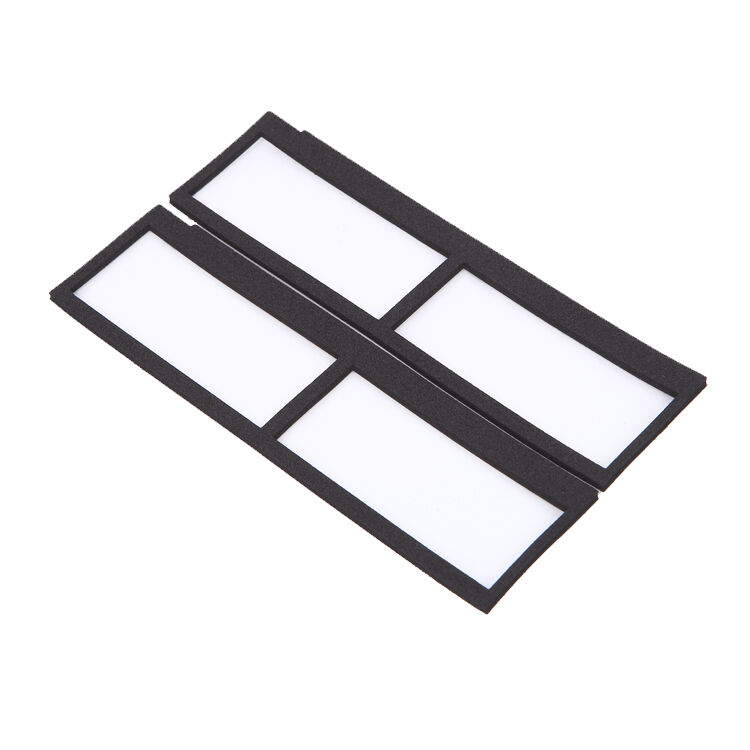
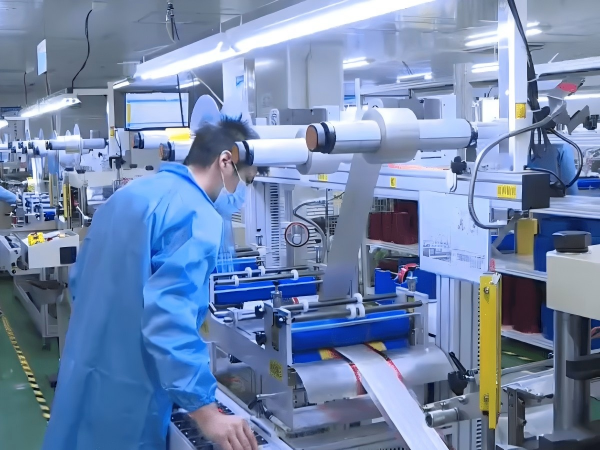
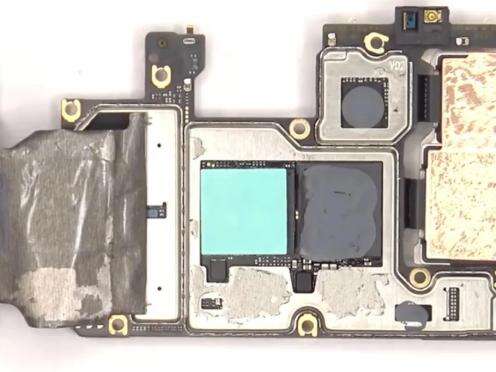
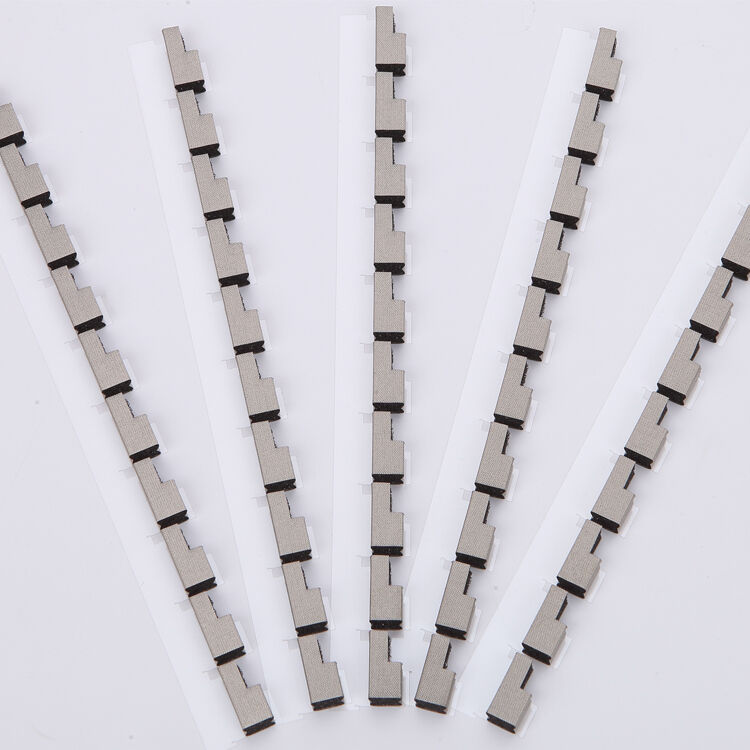
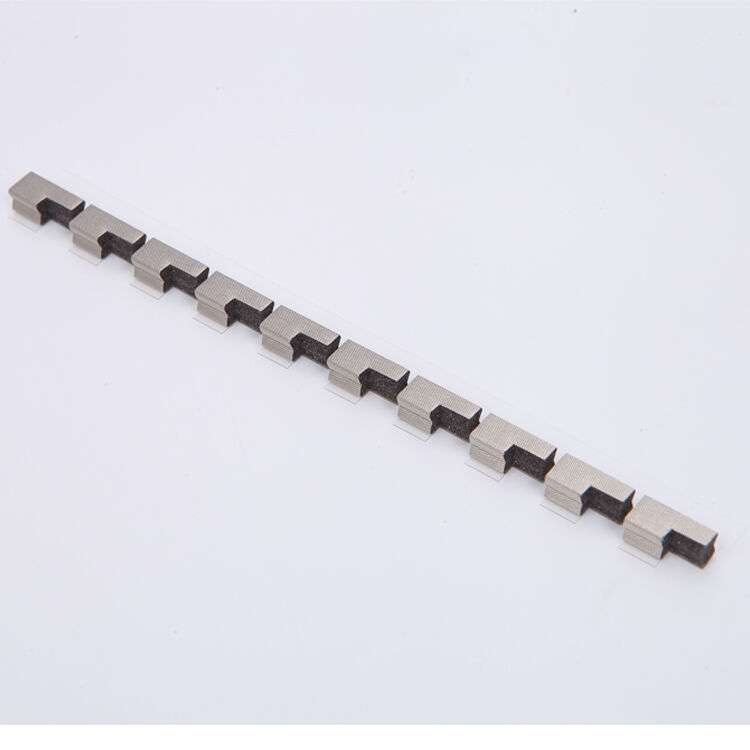
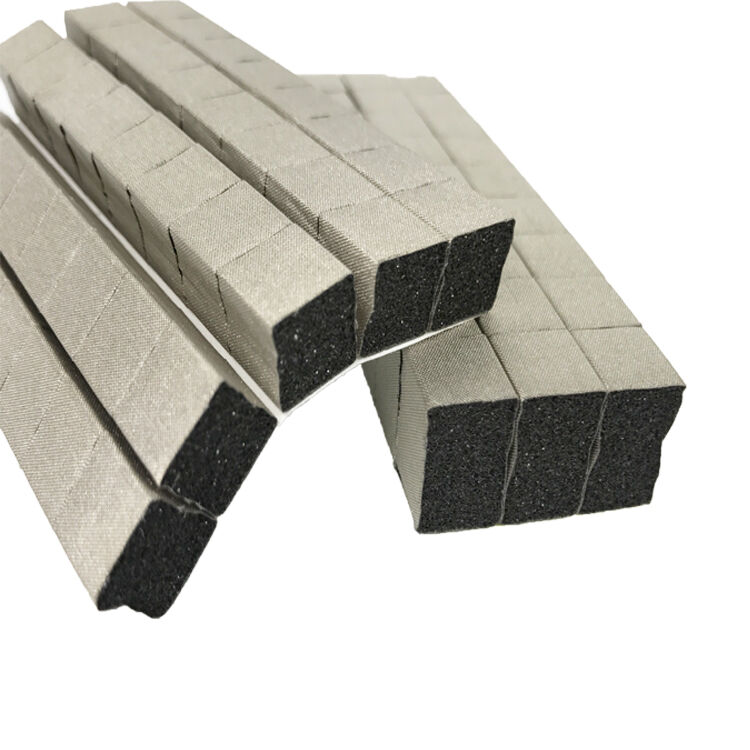
ESD conductive foam for device cushioning represents a specialized protective material designed to safeguard sensitive electronic components during storage, transportation, and handling processes. This innovative foam combines the shock-absorbing properties of traditional cushioning materials with electrostatic discharge protection, creating a dual-purpose solution for electronic device manufacturers and handlers. The primary function of ESD conductive foam for device cushioning centers on preventing static electricity buildup while providing mechanical protection against impacts, vibrations, and environmental hazards. The technological features of this advanced material include carbon-loaded polyurethane or polyethylene construction that maintains consistent electrical conductivity throughout its structure. Surface resistivity typically ranges from 10^3 to 10^6 ohms per square, ensuring effective static charge dissipation without creating dangerous current paths. The foam maintains its conductive properties across varying temperature ranges and humidity conditions, making it reliable for diverse operational environments. Cellular structure engineering provides excellent compression recovery, allowing the foam to return to its original shape after repeated compressions. Applications for ESD conductive foam for device cushioning span multiple industries, including semiconductor manufacturing, telecommunications equipment production, medical device assembly, and aerospace component handling. Electronics manufacturers utilize this material in packaging solutions for circuit boards, processors, memory modules, and other static-sensitive components. The foam serves as drawer liners in ESD-safe storage cabinets, workstation matting for assembly areas, and custom-cut inserts for shipping containers. Quality control laboratories employ ESD conductive foam for device cushioning when testing delicate instruments that require both physical protection and electrostatic safety. The material proves invaluable in cleanroom environments where contamination control and static elimination are paramount. Manufacturing facilities incorporate this foam into automated handling systems, robotic end-effectors, and conveyor belt cushioning to maintain product integrity throughout production workflows.



 EN
EN