emi rfi shielding materials
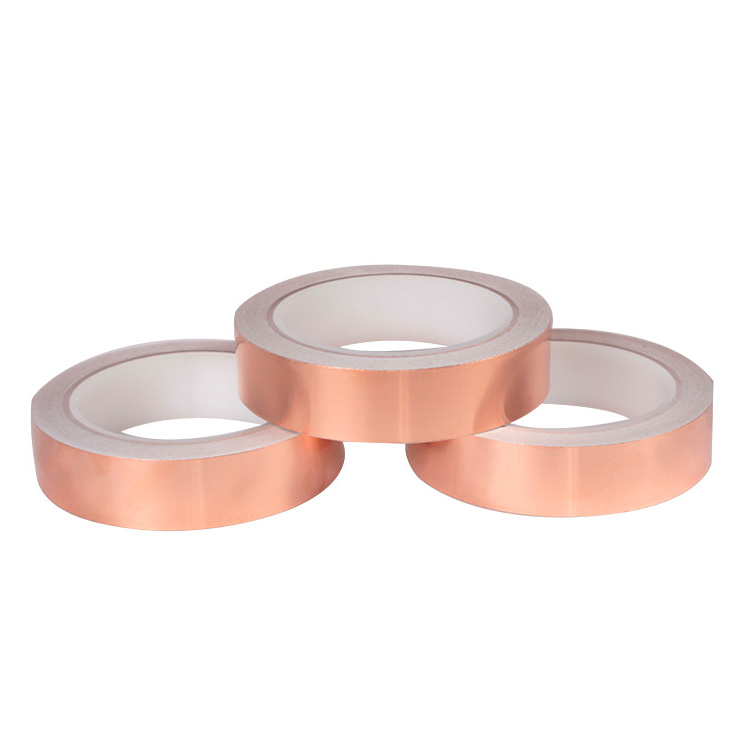
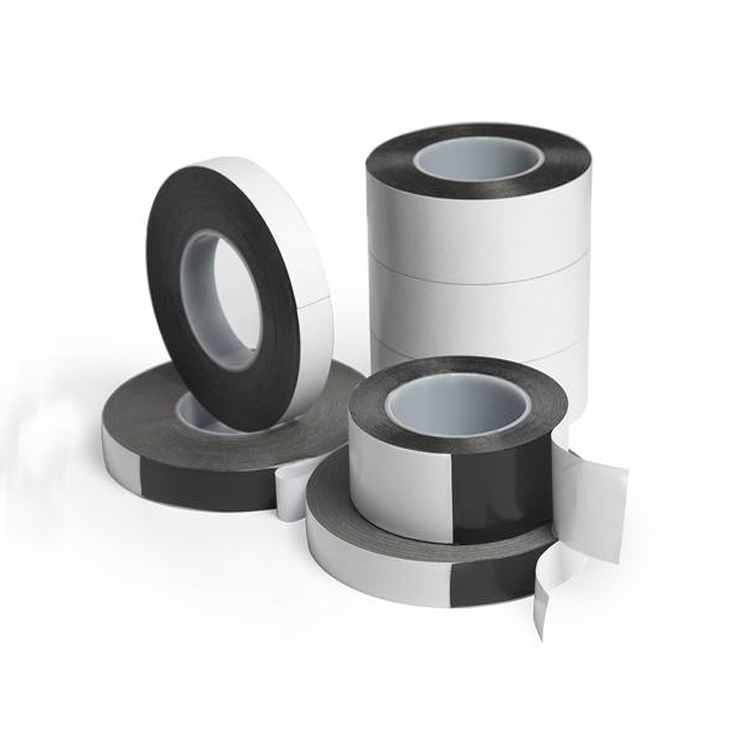
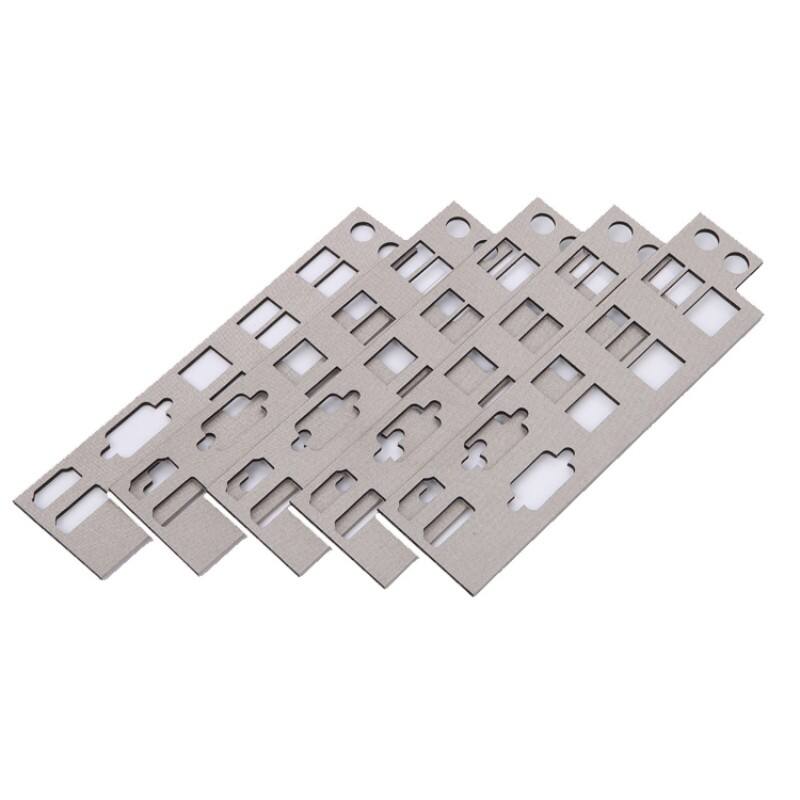
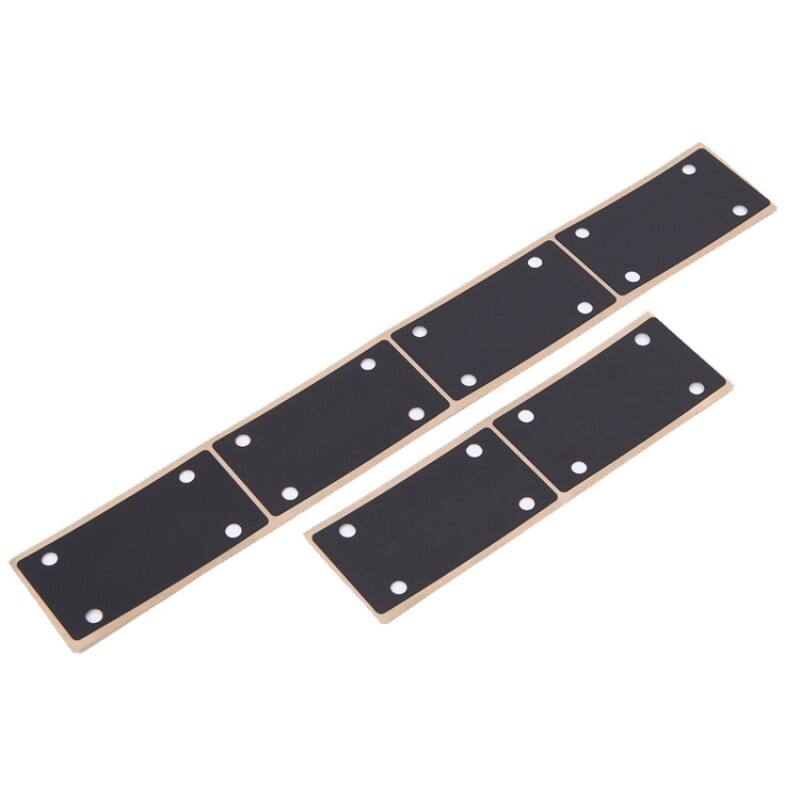
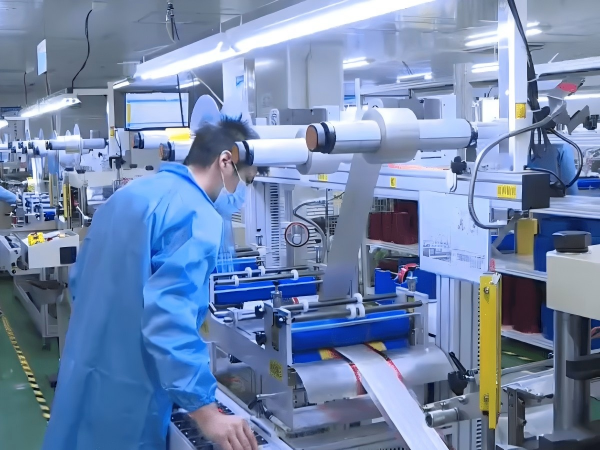
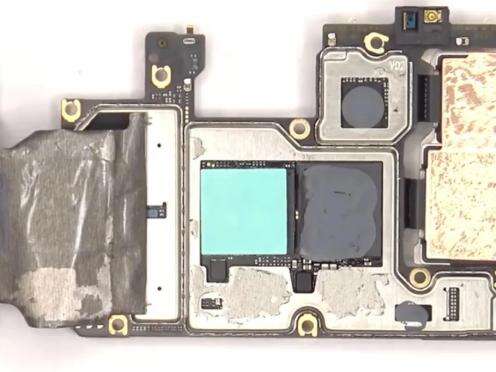
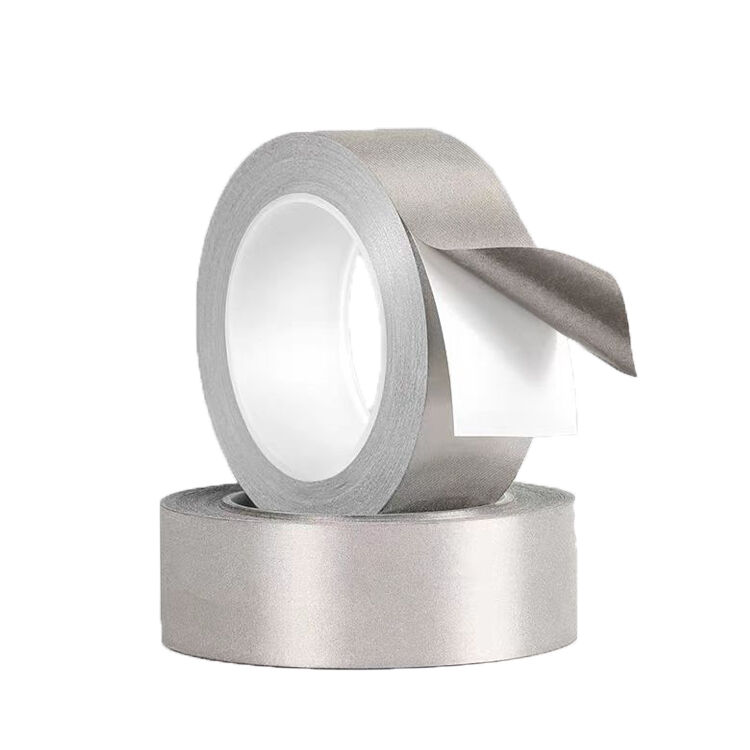
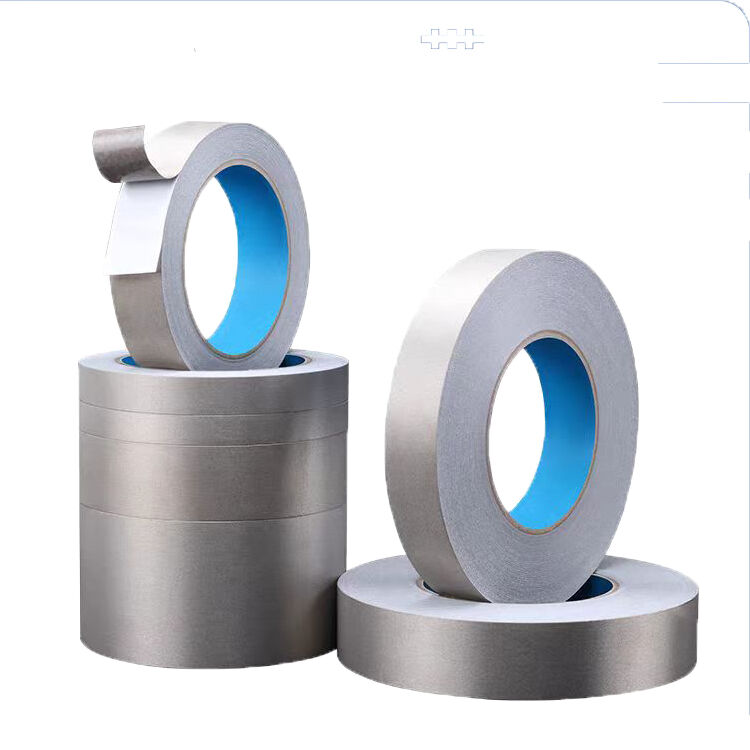
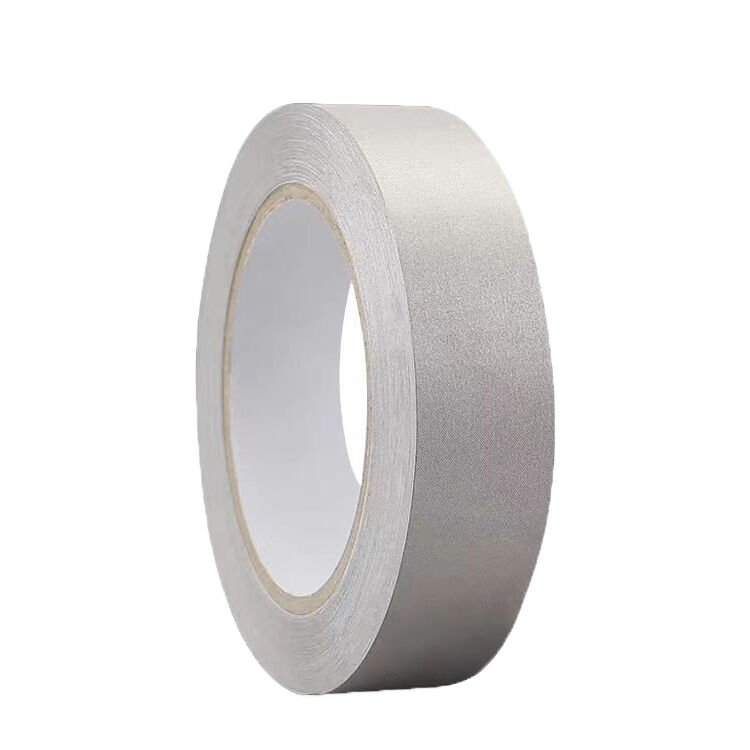
EMI RFI shielding materials represent critical components in modern electronic design, serving as protective barriers against electromagnetic interference and radio frequency interference. These specialized materials prevent unwanted electromagnetic signals from disrupting sensitive electronic equipment while simultaneously containing emissions from electronic devices to comply with regulatory standards. The primary function of EMI RFI shielding materials involves creating conductive or absorptive barriers that either reflect, absorb, or redirect electromagnetic energy away from protected circuits and components. Technologically, these materials utilize various approaches including conductive metals, magnetic absorbers, and composite structures engineered to attenuate specific frequency ranges. Common implementations include copper foils, conductive fabrics, ferrite cores, mu-metal sheets, and specialized polymer composites infused with conductive particles. The effectiveness of EMI RFI shielding materials depends on factors such as material conductivity, permeability, thickness, and proper installation techniques. Applications span across numerous industries including telecommunications, aerospace, automotive electronics, medical devices, consumer electronics, and military systems. In telecommunications infrastructure, these materials protect sensitive receivers and transmitters from interference, ensuring clear signal transmission. Aerospace applications utilize EMI RFI shielding materials to protect navigation systems, communication equipment, and flight control electronics from both internal and external electromagnetic disturbances. Medical device manufacturers rely on these materials to prevent interference with critical monitoring equipment, pacemakers, and diagnostic instruments. Consumer electronics benefit from EMI RFI shielding materials through improved performance, reduced noise, and compliance with electromagnetic compatibility regulations. The automotive industry increasingly depends on these materials as vehicles incorporate more electronic systems for safety, navigation, and entertainment features.



 EN
EN