emi rfi shielding materials manufacturers
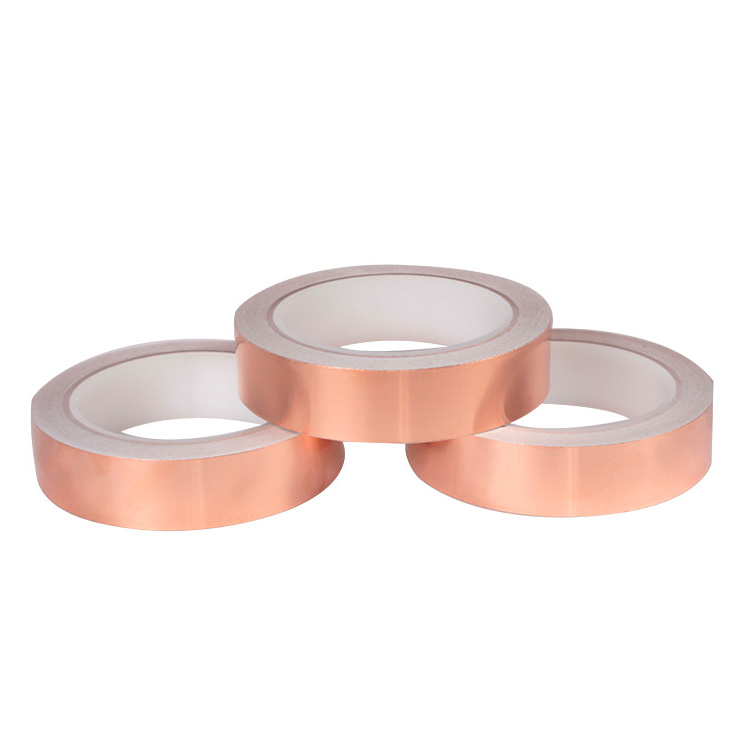
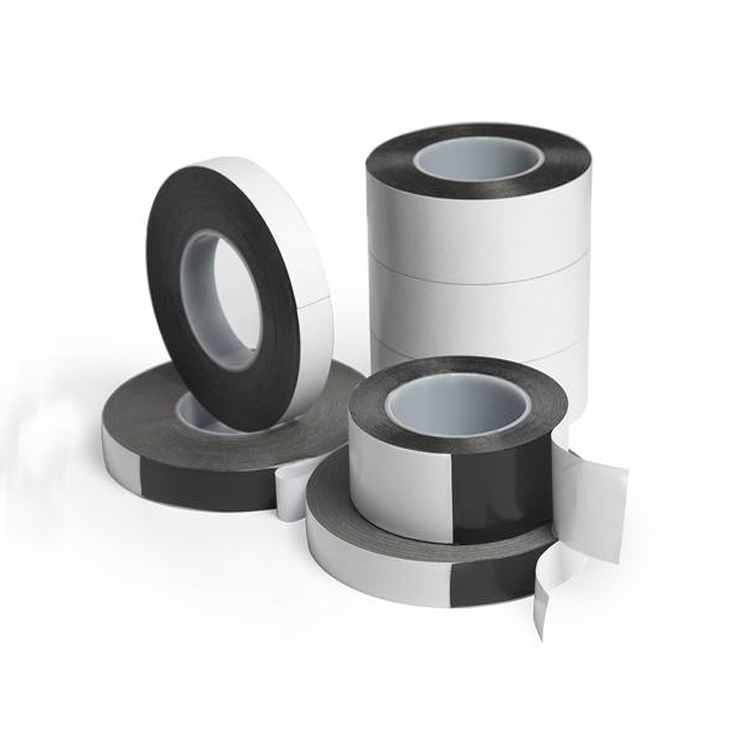
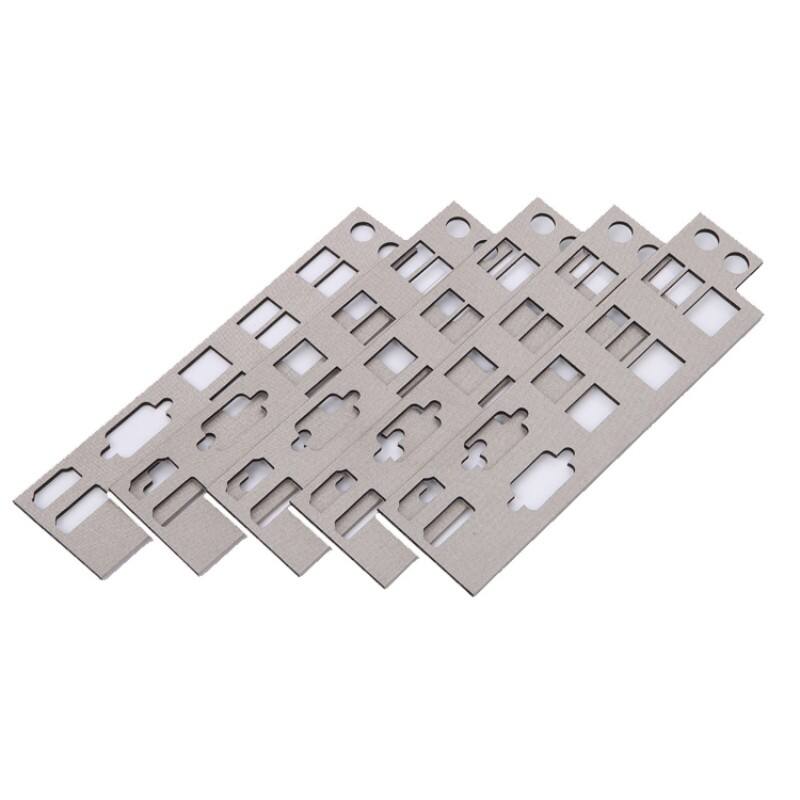
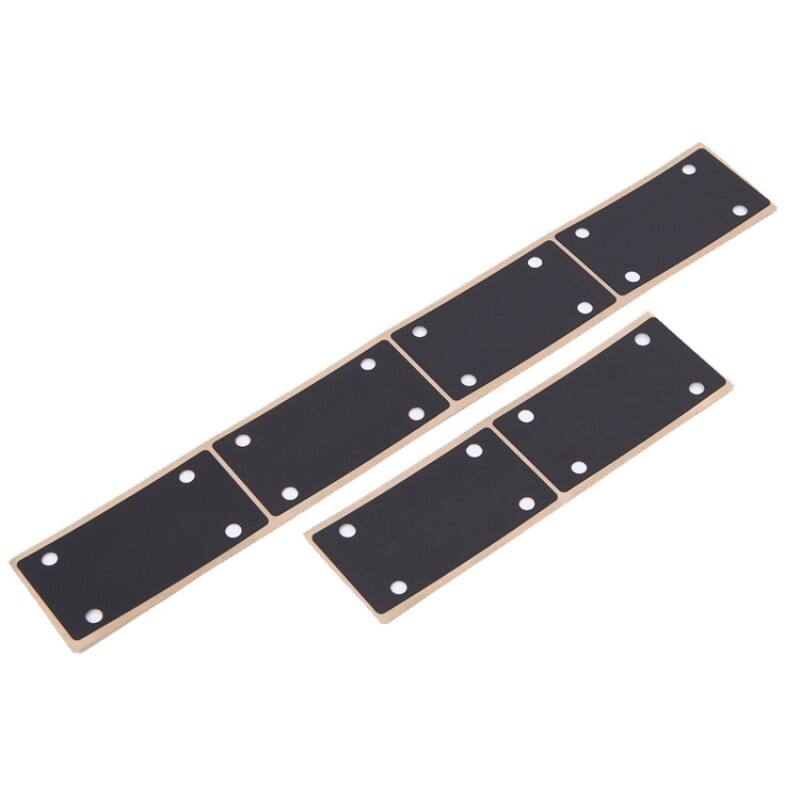
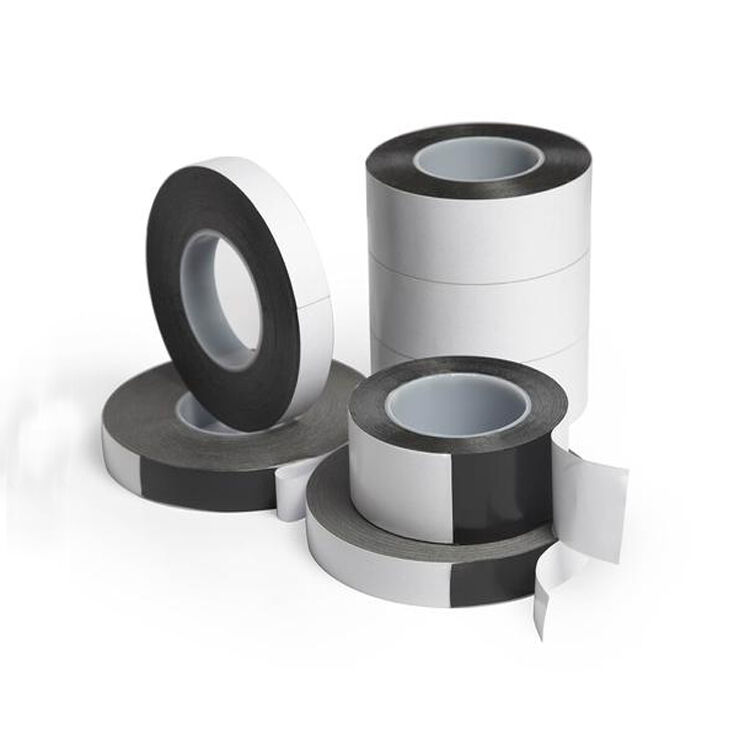
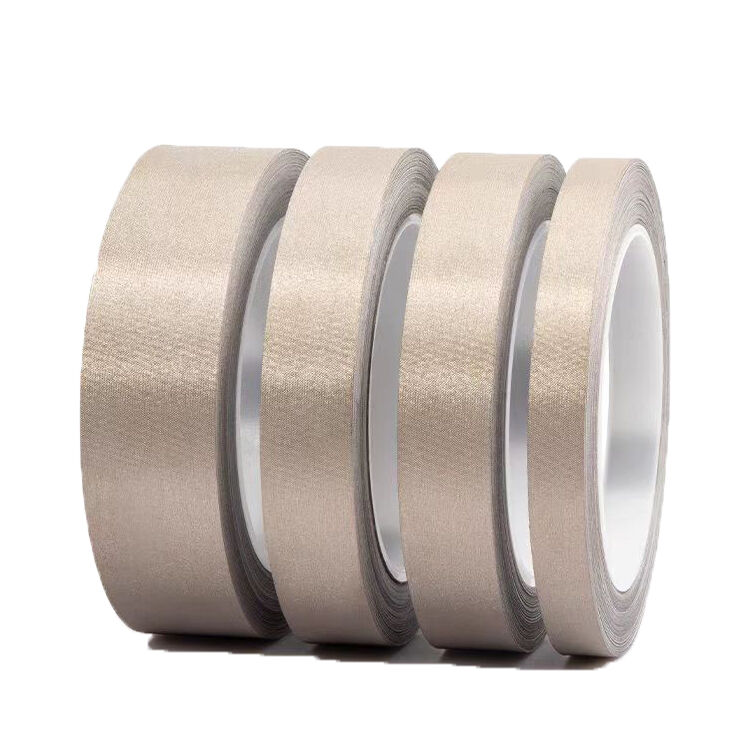
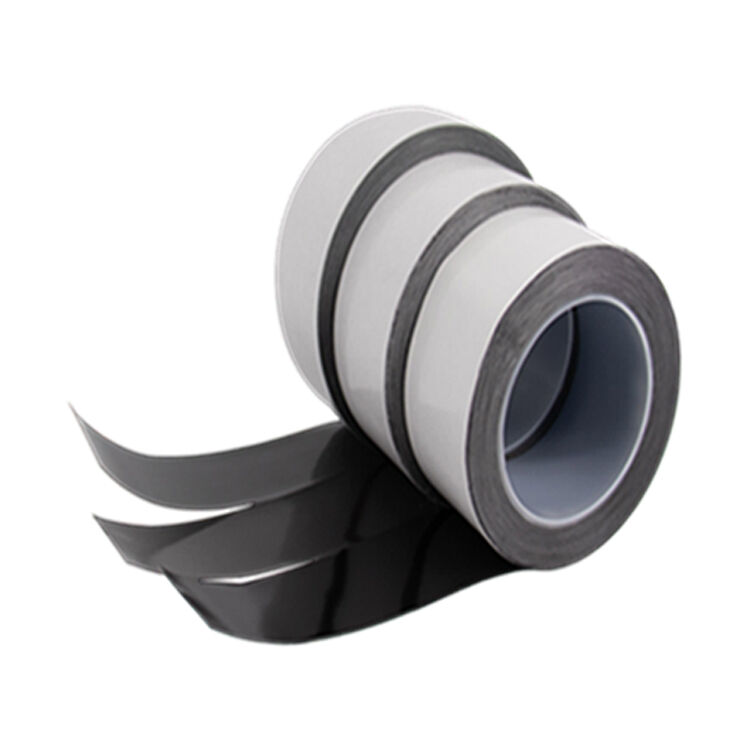
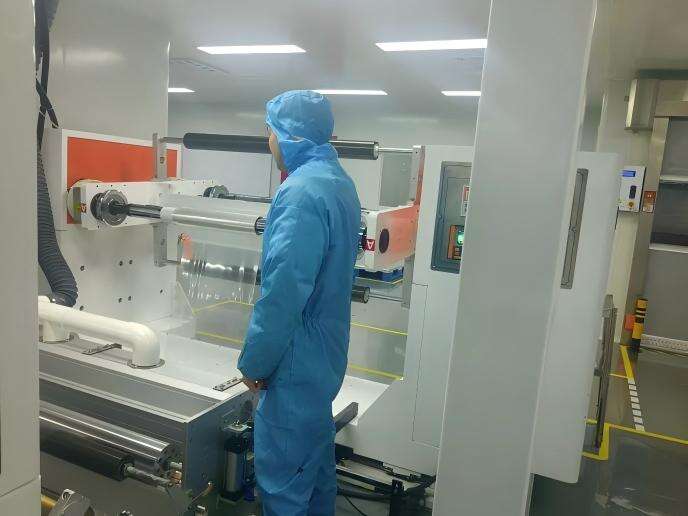
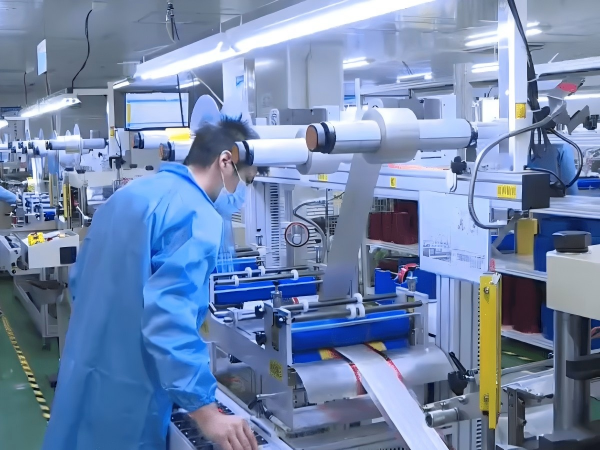
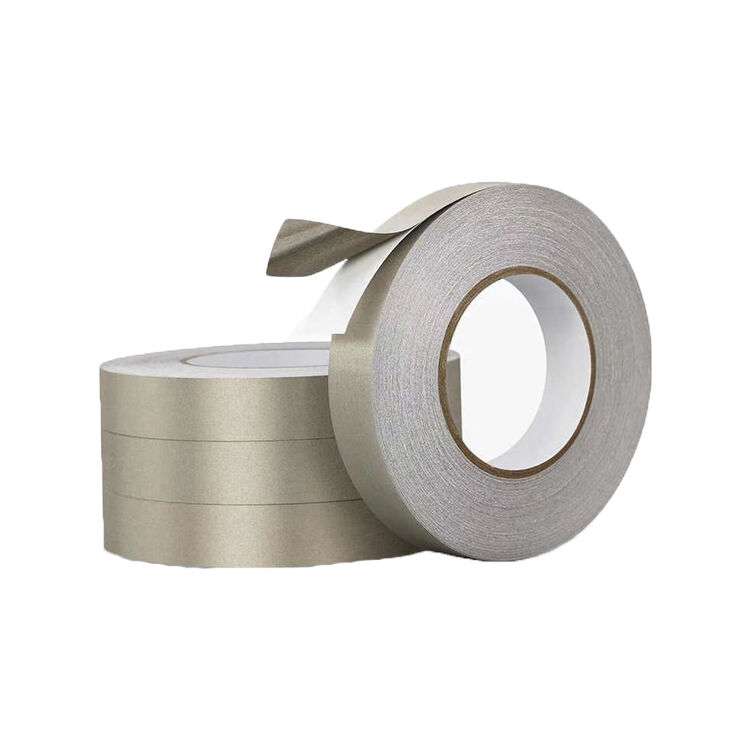
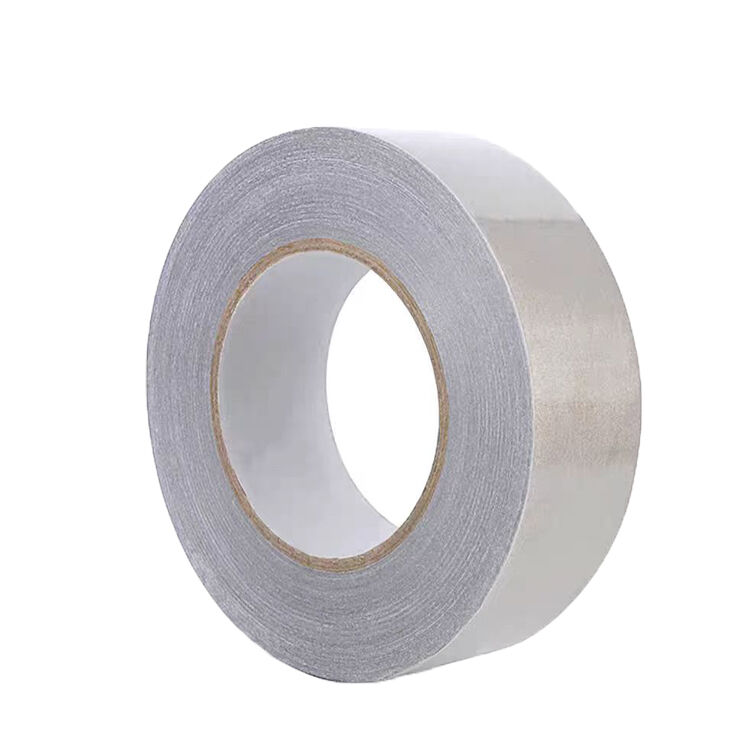
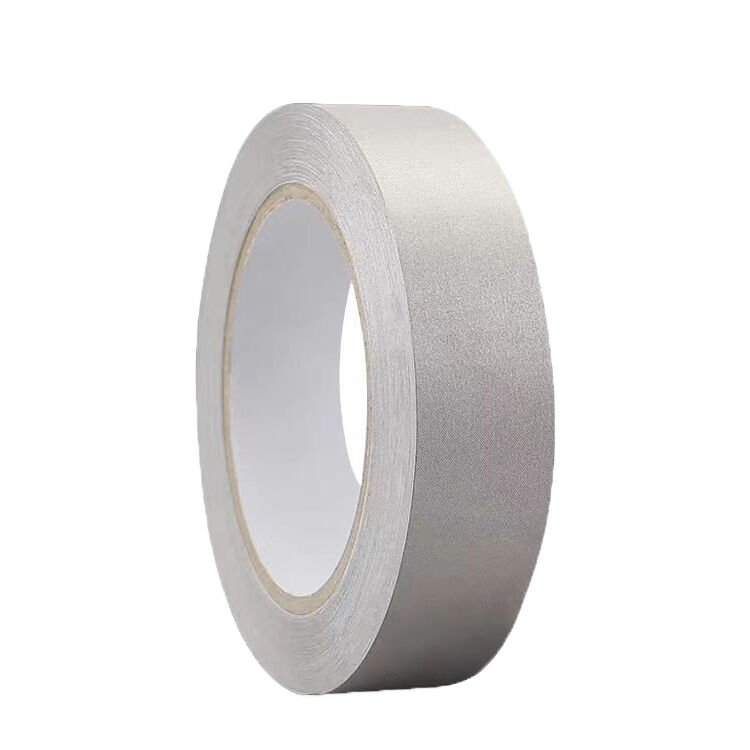
EMI RFI shielding materials manufacturers play a crucial role in today's electronic-driven world by producing specialized materials that protect sensitive electronic devices from electromagnetic interference and radio frequency interference. These manufacturers create innovative solutions that ensure electronic equipment operates reliably in environments filled with electromagnetic pollution. The primary function of these materials involves creating protective barriers that block, absorb, or redirect unwanted electromagnetic energy that could disrupt device performance or cause complete system failures. Leading EMI RFI shielding materials manufacturers utilize advanced technologies including metallized fabrics, conductive foams, ferrite cores, and specialized coatings to create comprehensive protection systems. Their technological expertise encompasses material science, electromagnetic theory, and manufacturing precision to develop products that meet stringent industry standards. These manufacturers serve diverse sectors including aerospace, automotive, medical devices, telecommunications, consumer electronics, and military applications where electromagnetic compatibility remains critical. The materials they produce range from flexible gaskets and tapes to rigid enclosures and complex multi-layered structures. Modern EMI RFI shielding materials manufacturers invest heavily in research and development to create lighter, more effective, and cost-efficient solutions. Their products must withstand various environmental conditions while maintaining consistent shielding effectiveness across broad frequency ranges. Quality EMI RFI shielding materials manufacturers implement rigorous testing protocols to verify their products meet international standards such as MIL-STD, FCC regulations, and CE requirements. These companies often provide customized solutions tailored to specific applications, working closely with engineers to optimize shielding performance while considering factors like weight, space constraints, and thermal management. The manufacturing processes employed by these specialists involve precision engineering, quality control systems, and continuous innovation to address evolving electromagnetic challenges in increasingly complex electronic environments.




 EN
EN