Seamless Integration and Design Flexibility
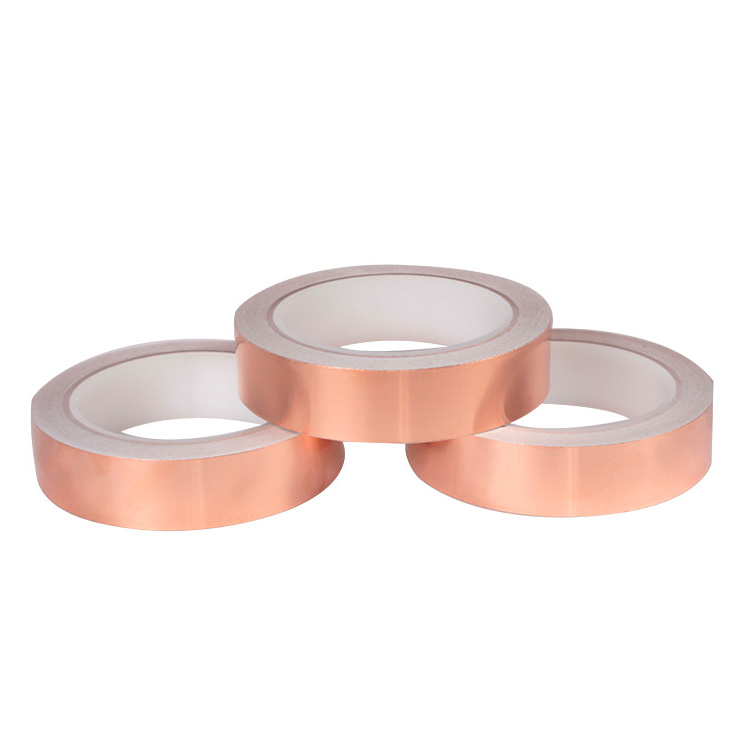
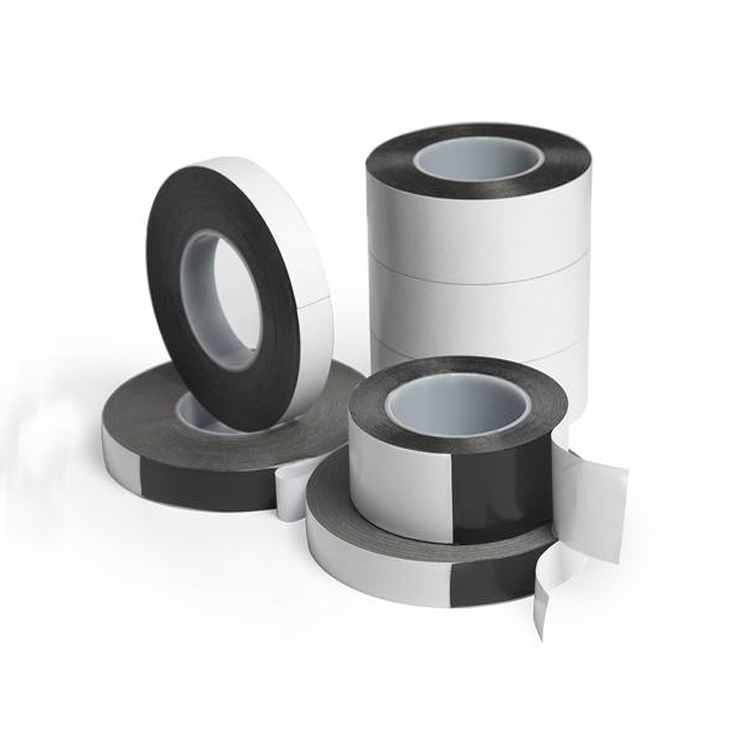
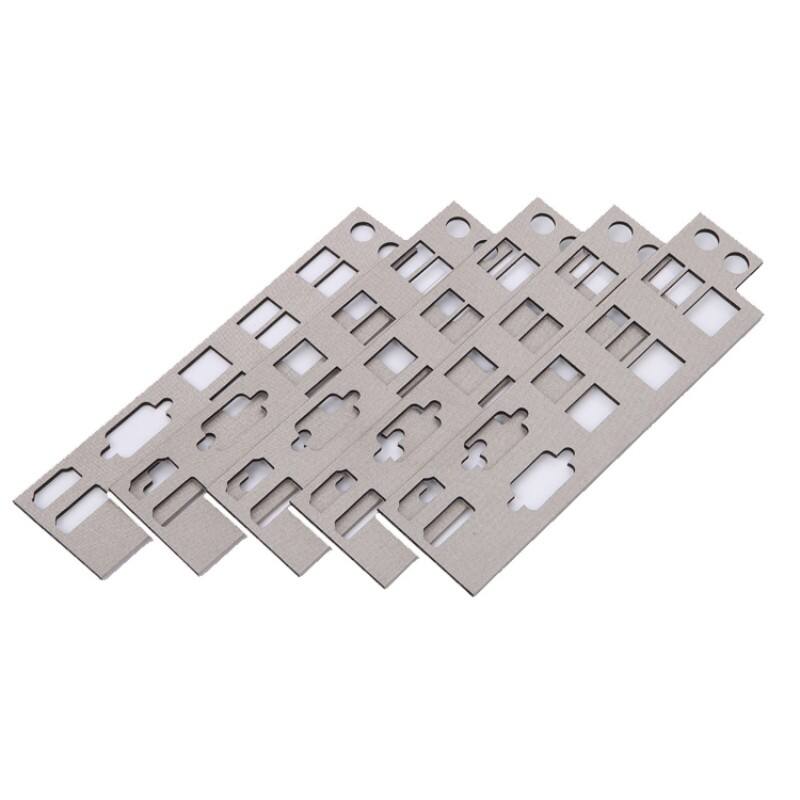
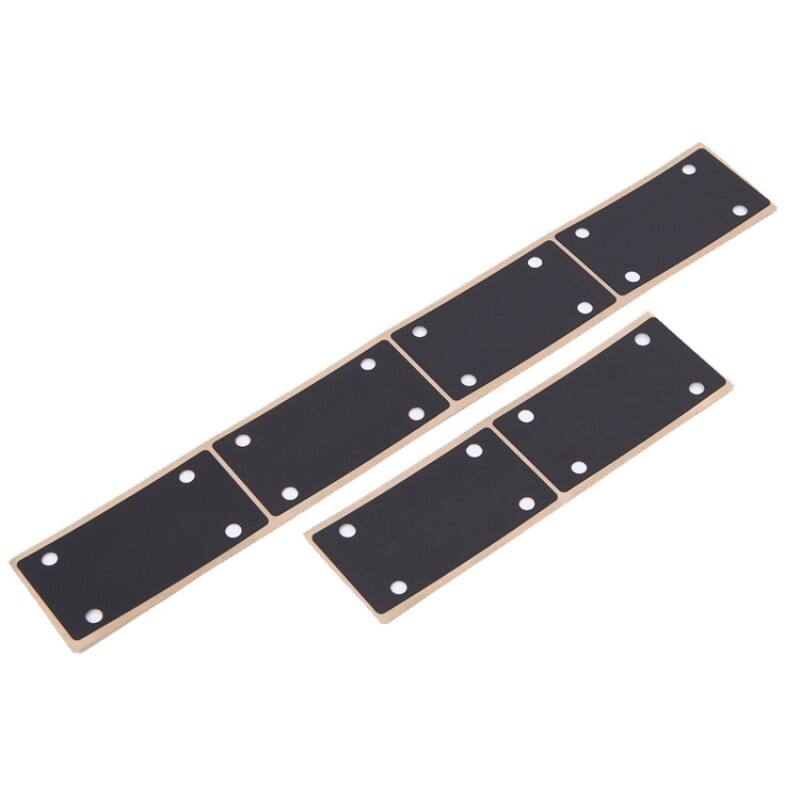
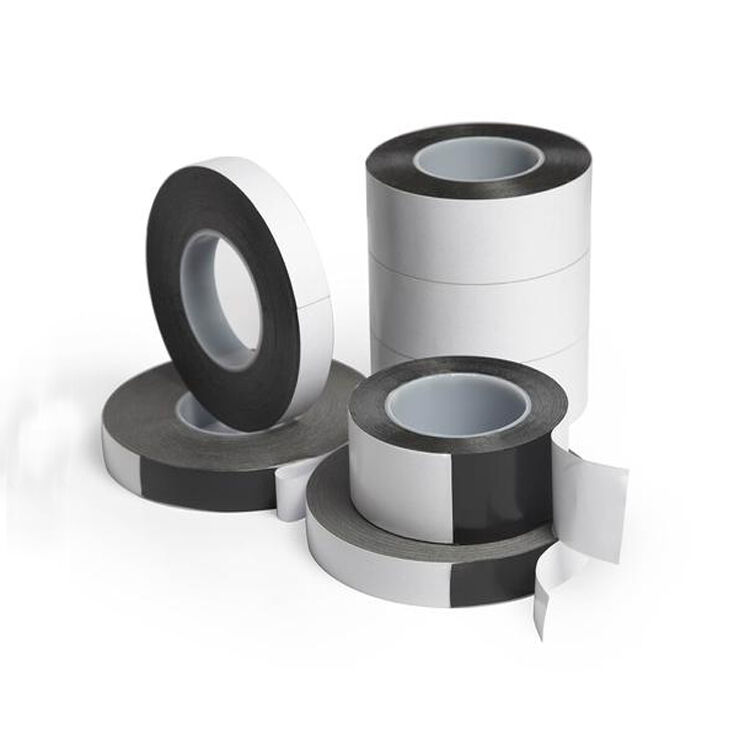
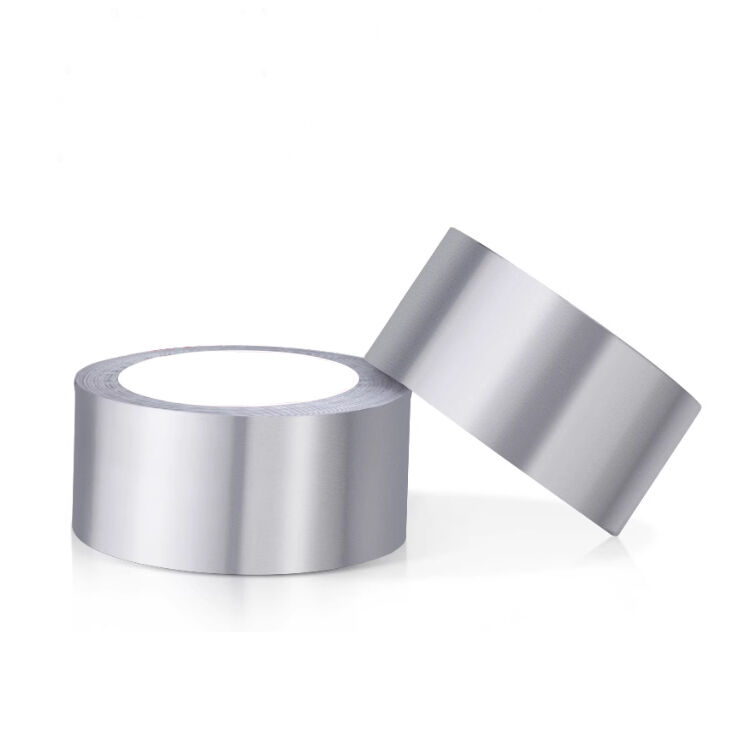
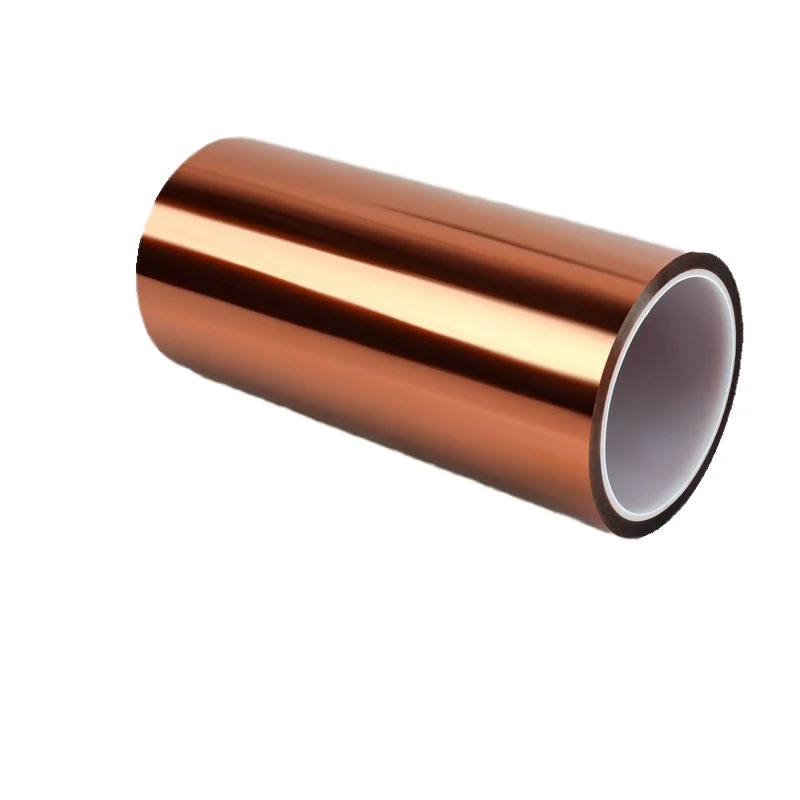
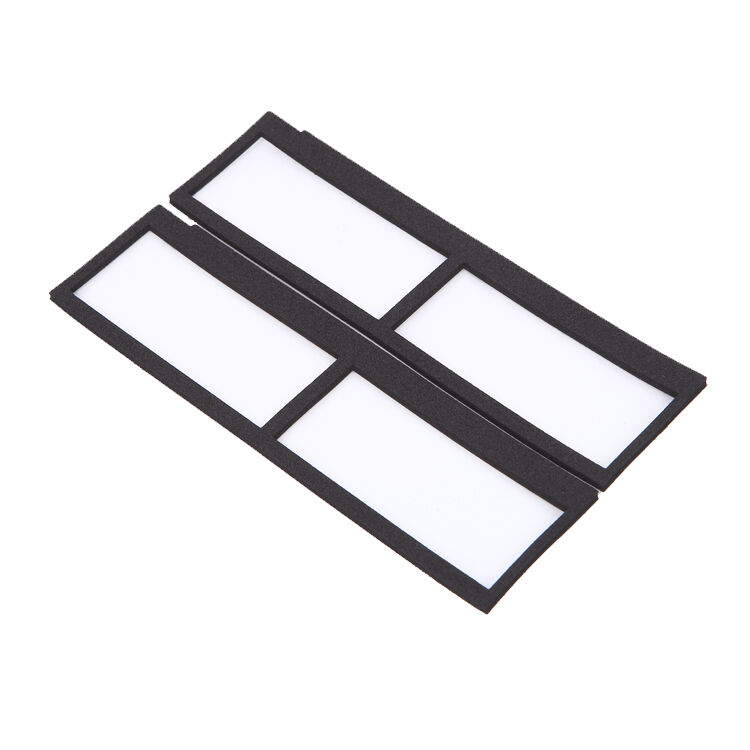
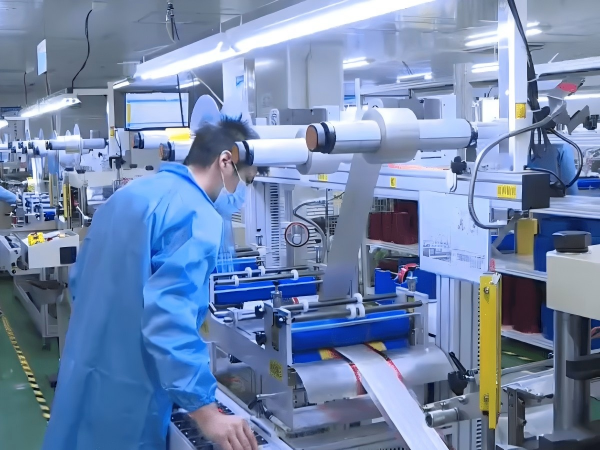
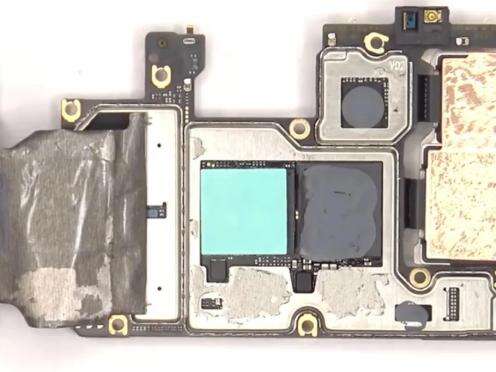
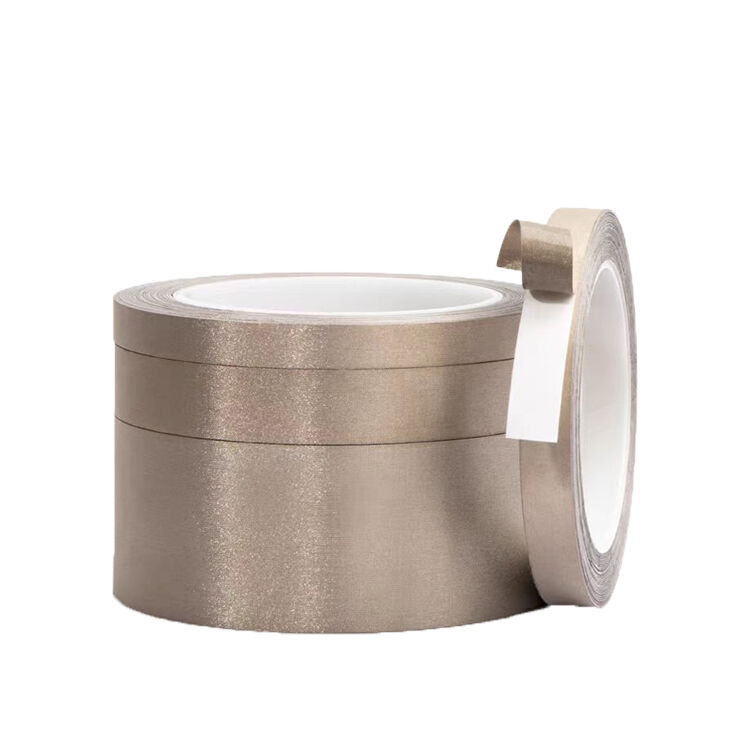
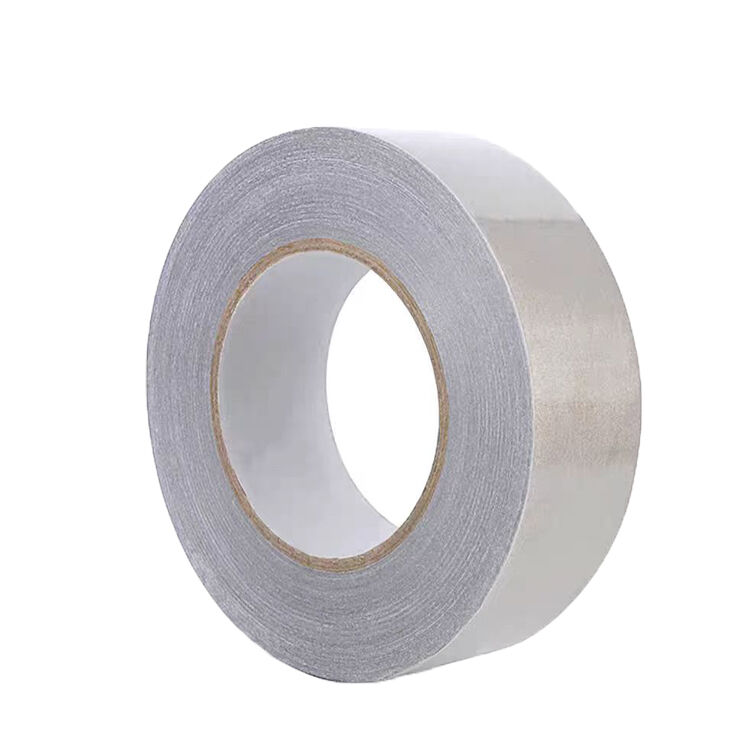
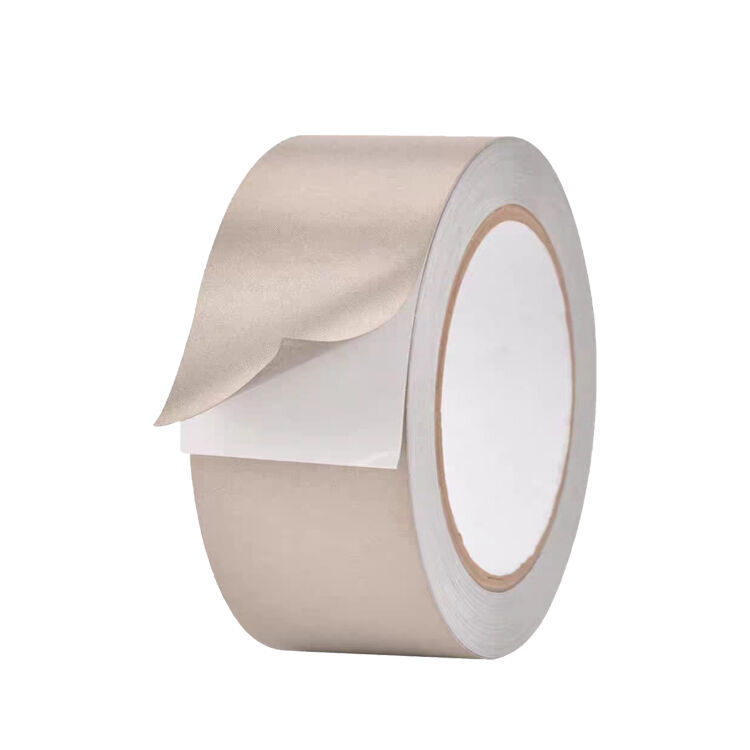
The seamless integration capabilities and exceptional design flexibility of contemporary EMI RFI shielding solutions enable engineers to incorporate effective electromagnetic protection into virtually any electronic design without compromising aesthetics, functionality, or manufacturing efficiency. This versatility stems from continuous innovations in shielding materials, manufacturing processes, and application techniques that accommodate diverse product requirements while maintaining superior electromagnetic performance. Modern EMI RFI shielding materials are available in numerous forms, including flexible films, rigid panels, conductive coatings, and moldable composites that can be shaped to fit complex geometries and integrated into existing manufacturing workflows. Flexible shielding films offer particular advantages for portable devices and curved surfaces, conforming to irregular shapes while maintaining electrical continuity and mechanical integrity. These materials can be die-cut, thermoformed, or applied using automated processes that integrate seamlessly with high-volume production lines. Conductive coating technologies provide another integration option, allowing EMI RFI shielding to be applied directly to plastic housings, circuit boards, or internal components through spraying, brushing, or dipping processes. The design flexibility extends to thickness optimization, where engineers can specify shielding materials with precisely controlled thickness to achieve required electromagnetic performance while minimizing impact on product dimensions and weight. Advanced EMI RFI shielding solutions accommodate various mounting methods, including pressure-sensitive adhesives, mechanical fasteners, and snap-fit designs that simplify installation and reduce assembly time. Integration considerations also encompass thermal management, as modern shielding materials often incorporate thermal interface properties that help dissipate heat from protected components while maintaining electromagnetic isolation. This dual functionality eliminates the need for separate thermal management solutions, simplifying design and reducing component count. The compatibility with automated manufacturing processes represents a significant advantage, as EMI RFI shielding materials can be processed using standard equipment for cutting, forming, and assembly operations. This compatibility reduces implementation costs and accelerates time-to-market for products requiring electromagnetic protection. Environmental resistance capabilities ensure integrated EMI RFI shielding maintains performance under various operating conditions, including temperature extremes, humidity, vibration, and chemical exposure. The design flexibility also supports modular approaches where shielding can be applied selectively to specific components or regions within an electronic system, optimizing cost and performance while addressing particular electromagnetic compatibility challenges.



 EN
EN