Premium Conductive Tape for Electronics - Superior EMI Shielding & Electrical Connectivity Solutions

All Categories

Get a Free Quote

Our representative will contact you soon.
Email
Name
Company Name
Message
0/1000

conductive tape for electronics

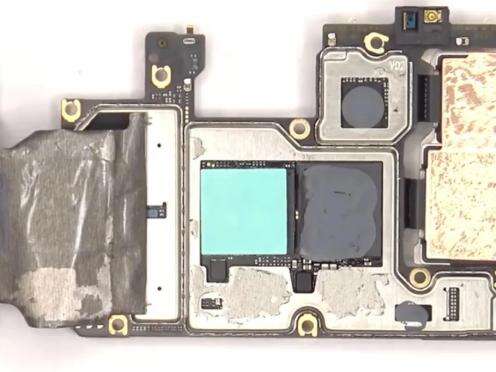
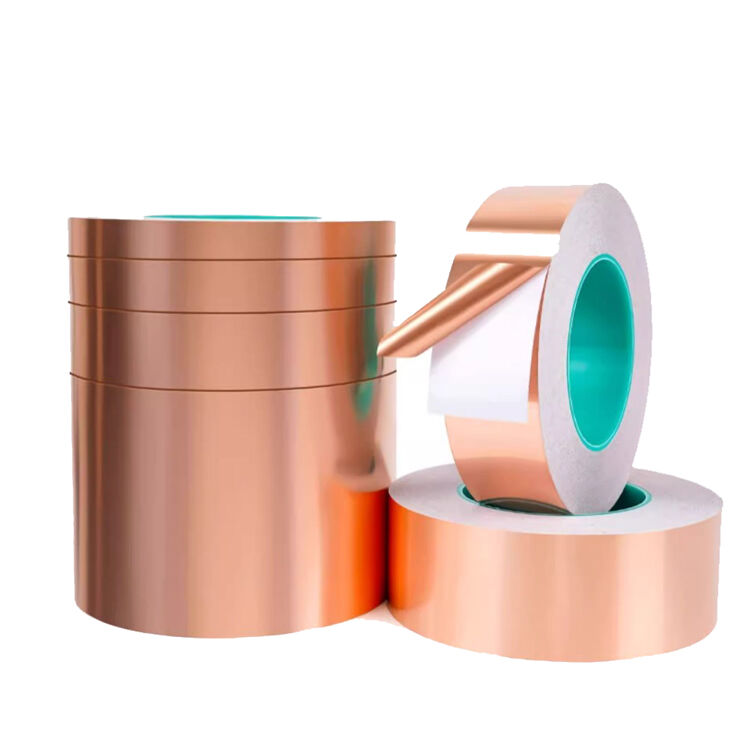
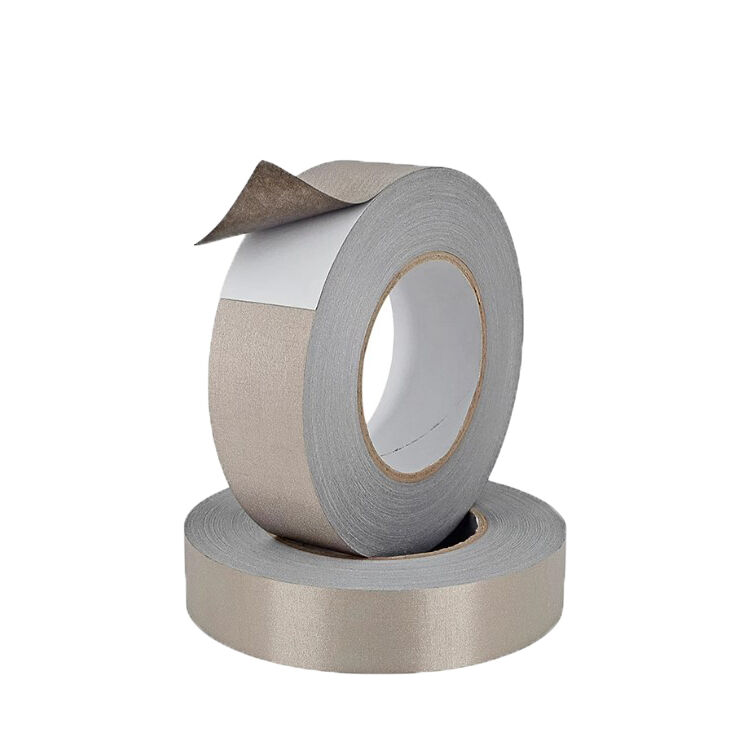
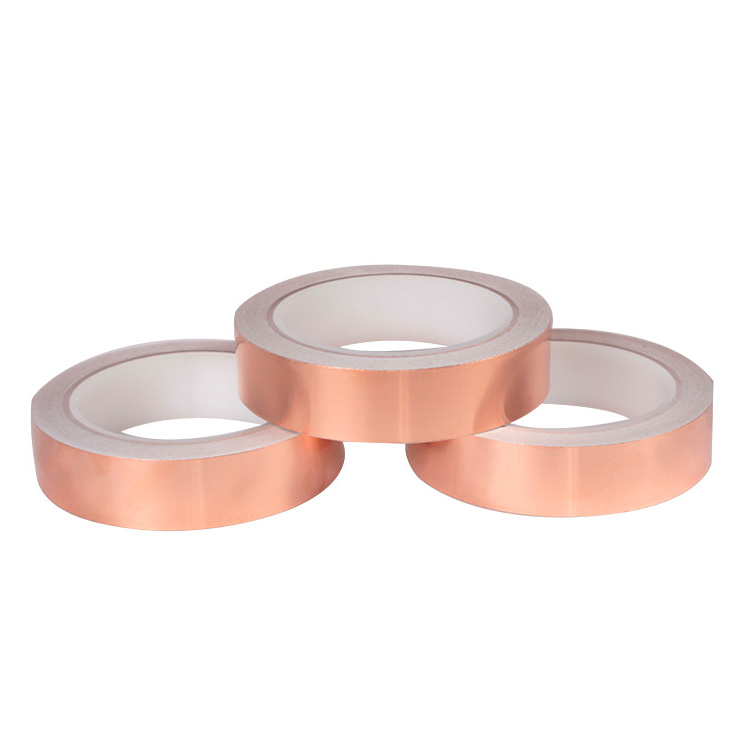
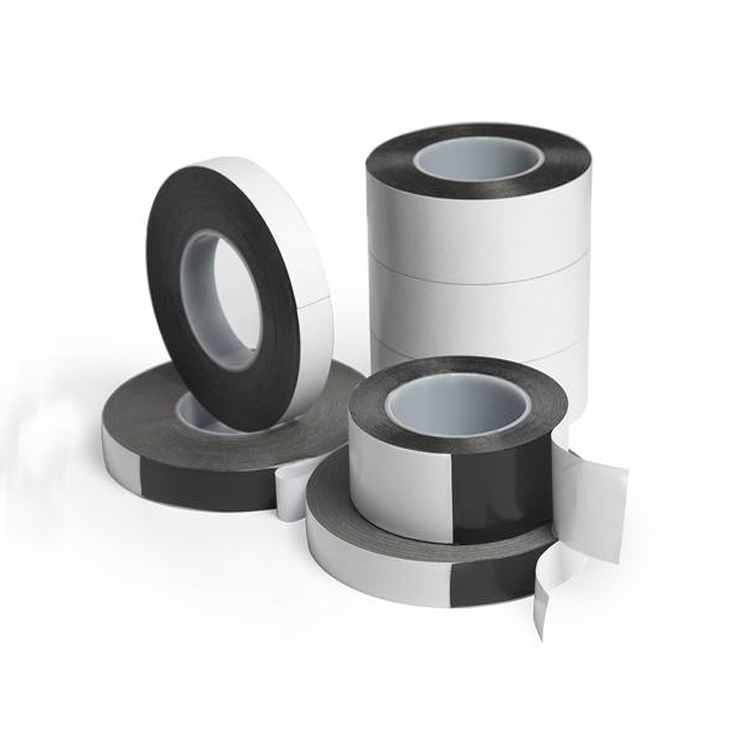
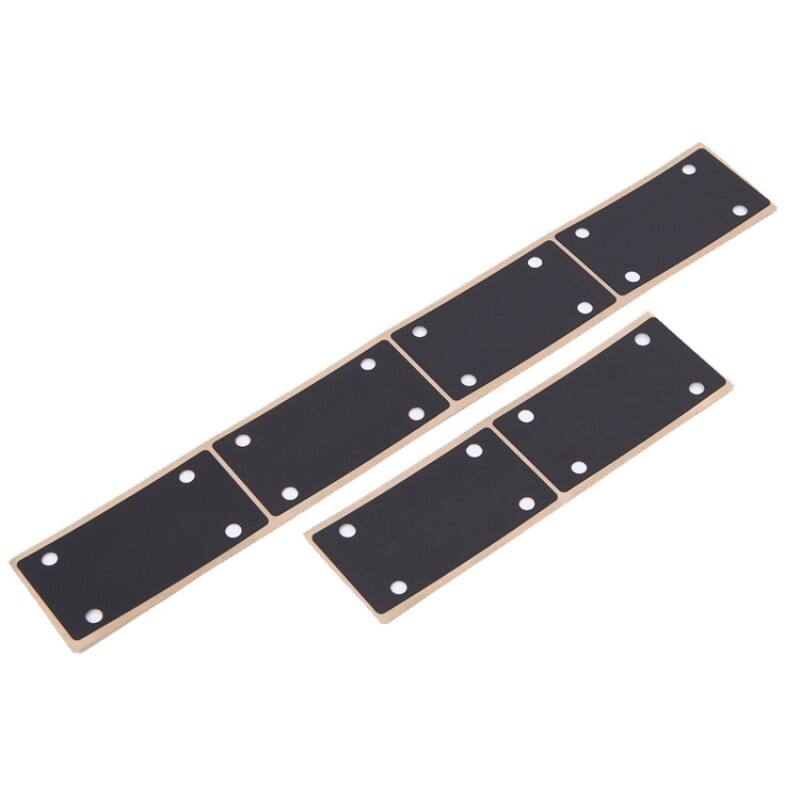
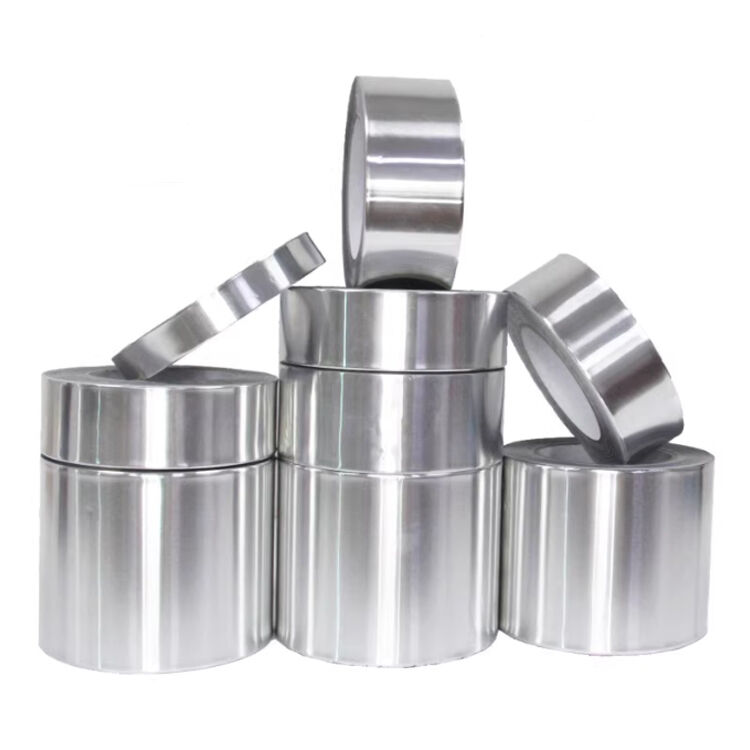
Conductive tape for electronics represents a revolutionary advancement in electrical connectivity solutions, offering engineers and technicians an efficient alternative to traditional soldering methods. This specialized adhesive material combines the convenience of standard tape with superior electrical conductivity properties, making it an indispensable tool in modern electronic applications. The conductive tape for electronics consists of a flexible substrate material, typically polyimide or polyester, coated with conductive adhesive containing metallic particles such as copper, silver, or nickel. This unique composition enables the tape to maintain excellent electrical pathways while providing strong mechanical adhesion to various surfaces. The primary functions of conductive tape for electronics include electromagnetic interference shielding, grounding connections, circuit repairs, and signal transmission pathways. Its technological features encompass low electrical resistance, typically ranging from 0.01 to 0.1 ohms per square, exceptional temperature stability from -40°C to 200°C, and remarkable flexibility that allows conforming to irregular surfaces without compromising conductivity. The tape demonstrates outstanding adhesion strength, ensuring reliable long-term performance in demanding environments. Applications of conductive tape for electronics span across multiple industries, including consumer electronics manufacturing, automotive systems, aerospace components, medical devices, and telecommunications equipment. In smartphone production, manufacturers utilize conductive tape for electronics to create reliable grounding connections and EMI shielding around sensitive components. The aerospace industry relies on this technology for lightweight electrical connections in aircraft systems where weight reduction is critical. Medical device manufacturers appreciate the biocompatibility options available in specialized conductive tape for electronics formulations. The versatility of conductive tape for electronics extends to repair applications, where technicians can quickly restore broken circuit traces without requiring expensive rework processes. This adaptability makes conductive tape for electronics an essential component in both production environments and field service operations.

Popular Products

The conductive tape for electronics delivers numerous practical benefits that make it superior to conventional connection methods in many applications. First and foremost, installation speed represents a significant advantage, as technicians can apply conductive tape for electronics in seconds without requiring specialized equipment or extensive training. This rapid deployment capability reduces labor costs and increases productivity in manufacturing environments. Unlike soldering processes that demand precise temperature control and skilled operators, conductive tape for electronics requires only surface preparation and careful application pressure. The elimination of heat-sensitive concerns makes conductive tape for electronics ideal for delicate components that cannot withstand soldering temperatures. Cost-effectiveness emerges as another compelling benefit, since conductive tape for electronics reduces material expenses by eliminating flux, solder wire, and specialized soldering equipment requirements. Manufacturing facilities report substantial savings in both direct material costs and indirect expenses related to equipment maintenance and operator certification. The versatility of conductive tape for electronics enables use across diverse substrate materials including plastics, ceramics, metals, and flexible circuits, providing design engineers with unprecedented flexibility. Reliability improvements result from the consistent electrical properties of conductive tape for electronics, which maintains stable resistance values throughout its operational lifespan. Environmental resistance characteristics ensure that conductive tape for electronics performs reliably in harsh conditions including humidity, vibration, and temperature cycling. The reversible nature of conductive tape for electronics applications allows for easy modifications and repairs without damaging surrounding components or circuit boards. Quality control benefits include simplified inspection processes, as visual verification ensures proper conductive tape for electronics placement without requiring electrical testing equipment. Space-saving advantages become apparent in compact electronic designs where conductive tape for electronics provides electrical connectivity without adding significant thickness or bulk. The clean application process eliminates concerns about flux residues or thermal damage that commonly occur with traditional soldering methods. Manufacturing flexibility increases as conductive tape for electronics enables rapid prototyping and design iterations without tooling changes or process modifications.

Practical Tips

Dragon Ascension: The Little Giants, Episode 12 | Zhuohan Materials: Pioneering Cutting-Edge Technologies, Making China's EMC Products Shine Among the World's Best

21

Nov

Dragon Ascension: The Little Giants, Episode 12 | Zhuohan Materials: Pioneering Cutting-Edge Technologies, Making China's EMC Products Shine Among the World's Best

View More
Shenzhen Johan Material Technology Co., Ltd. Has Obtained a Patent for Shielding Cover Structure for Circuit Boards

05

Dec

Shenzhen Johan Material Technology Co., Ltd. Has Obtained a Patent for Shielding Cover Structure for Circuit Boards

View More
Shenzhen New Horizon

21

Nov

Shenzhen New Horizon "Released and Broadcasted on Shenzhen Television - Shenzhen Johan Material Technology Co., Ltd

View More
New Product | Johan High Performance Aluminum Foil Tape, the Best Choice for Electromagnetic Shielding

05

Feb

New Product | Johan High Performance Aluminum Foil Tape, the Best Choice for Electromagnetic Shielding

View More

Get a Free Quote

Our representative will contact you soon.
Email
Name
Company Name
Message
0/1000

conductive tape for electronics

Superior EMI Shielding Performance

Superior EMI Shielding Performance

The electromagnetic interference shielding capabilities of conductive tape for electronics represent one of its most valuable features for modern electronic applications. This advanced shielding performance stems from the carefully engineered metallic particle distribution within the adhesive matrix, creating a continuous conductive pathway that effectively blocks electromagnetic radiation across a broad frequency spectrum. Engineers specify conductive tape for electronics when designing products that must comply with stringent EMI regulations, particularly in automotive, medical, and telecommunications industries where electromagnetic compatibility is critical for safe operation. The shielding effectiveness of conductive tape for electronics typically ranges from 60 to 100 decibels across frequencies from 10 MHz to 18 GHz, providing exceptional protection for sensitive circuits and components. This superior performance results from the tape's ability to create seamless enclosures around electronic assemblies, eliminating the gaps and discontinuities that compromise traditional metallic shielding methods. Manufacturing engineers appreciate how conductive tape for electronics simplifies the shielding implementation process, allowing them to add EMI protection during final assembly stages rather than requiring complex mechanical enclosures designed from the project's inception. The flexibility of conductive tape for electronics enables conforming to irregular shapes and tight spaces where rigid shielding solutions cannot fit effectively. This adaptability proves especially valuable in portable electronic devices where space constraints demand innovative shielding approaches. The durability of conductive tape for electronics ensures long-term shielding performance even under mechanical stress, temperature variations, and environmental exposure. Testing demonstrates that properly applied conductive tape for electronics maintains its shielding effectiveness throughout thousands of flexing cycles and extreme temperature ranges. The ease of application allows engineers to implement shielding modifications quickly during design validation phases, enabling rapid optimization of electromagnetic performance without significant cost or schedule impacts. Quality control processes benefit from the visual nature of conductive tape for electronics installation, as inspectors can easily verify proper coverage and adhesion without specialized testing equipment.
Exceptional Temperature and Environmental Durability

Exceptional Temperature and Environmental Durability

The robust environmental performance of conductive tape for electronics sets it apart from alternative connectivity solutions, making it suitable for demanding applications across diverse industries. This exceptional durability results from advanced polymer chemistry and specialized adhesive formulations designed to withstand extreme operating conditions while maintaining consistent electrical properties. The temperature resistance of conductive tape for electronics extends from cryogenic levels as low as -196°C to elevated temperatures reaching 250°C, depending on the specific product formulation selected for each application. This wide temperature range enables use in aerospace applications where components experience dramatic temperature swings during flight operations, as well as automotive systems subjected to engine compartment heat and winter cold conditions. The thermal stability of conductive tape for electronics ensures that electrical resistance remains constant across this temperature spectrum, preventing performance degradation that could compromise system functionality. Humidity resistance represents another critical advantage, as conductive tape for electronics maintains its adhesive strength and electrical properties even in high-moisture environments exceeding 95 percent relative humidity. This moisture resistance proves essential for outdoor electronics installations, marine applications, and industrial equipment operating in challenging environmental conditions. Chemical resistance properties protect conductive tape for electronics from degradation caused by exposure to cleaning solvents, lubricants, and other chemicals commonly encountered in manufacturing and service environments. The mechanical durability of conductive tape for electronics withstands vibration, shock, and flexing stresses that would cause failure in rigid connection methods. Accelerated aging tests demonstrate that conductive tape for electronics maintains its performance characteristics for decades under normal operating conditions, providing reliable long-term service life that reduces maintenance requirements and system downtime. UV stability ensures that conductive tape for electronics exposed to sunlight or artificial UV sources retains its mechanical and electrical properties without degradation. The corrosion resistance of metallic particles within conductive tape for electronics prevents the oxidation and galvanic corrosion issues that can affect traditional metal-to-metal connections in harsh environments.
Versatile Application Methods and Design Flexibility

Versatile Application Methods and Design Flexibility

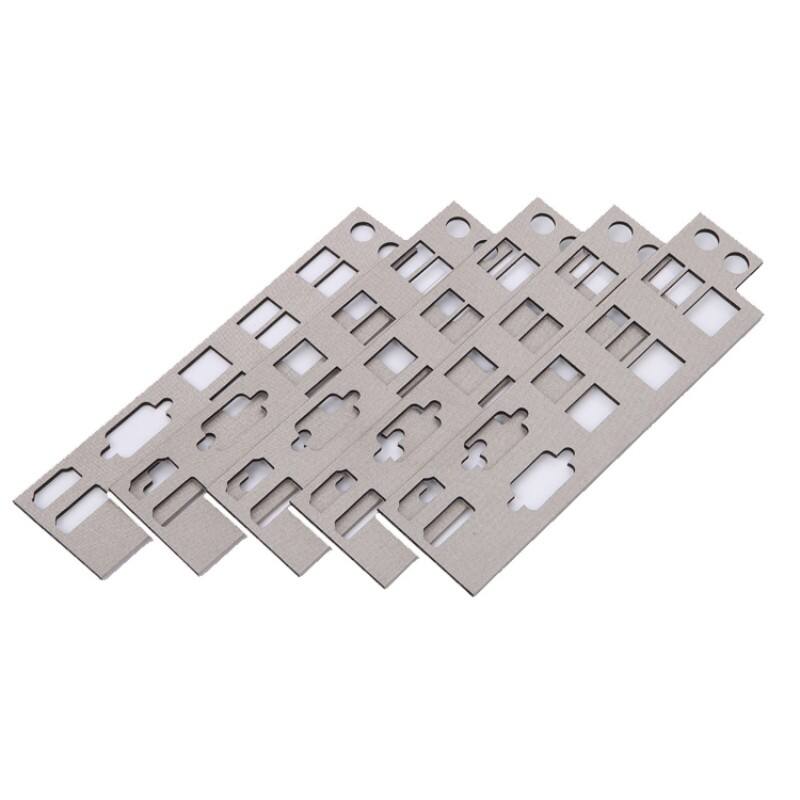
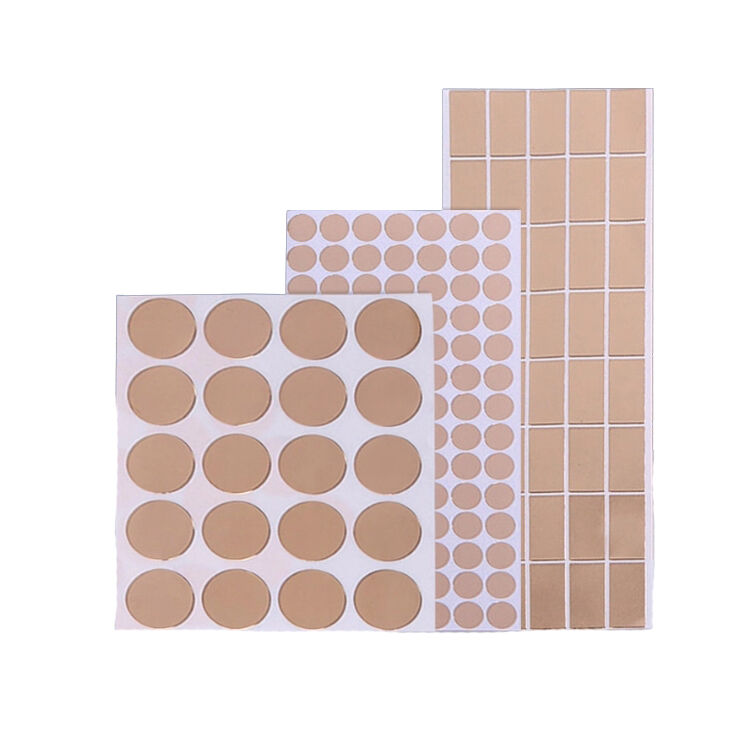
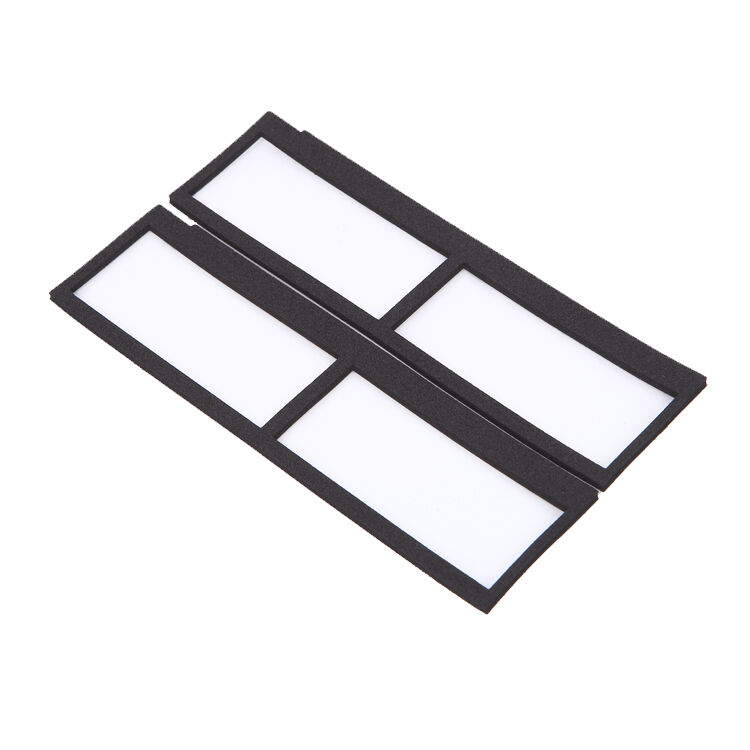
The remarkable versatility of conductive tape for electronics opens up innovative design possibilities that traditional connection methods cannot match, providing engineers with unprecedented flexibility in product development and manufacturing processes. This adaptability stems from the tape's unique combination of mechanical flexibility, electrical performance, and processing convenience that enables implementation across diverse applications and substrates. The conformability of conductive tape for electronics allows it to follow complex three-dimensional contours, creating reliable electrical connections on curved surfaces, flexible circuits, and irregularly shaped components where rigid connection methods would fail. This flexibility proves invaluable in wearable electronics applications where conductive tape for electronics must bend and flex with fabric substrates while maintaining consistent electrical performance. The processing advantages of conductive tape for electronics include compatibility with both manual assembly operations and automated production equipment, enabling seamless integration into existing manufacturing workflows without requiring significant process modifications. Die-cutting capabilities allow manufacturers to create custom shapes and patterns from conductive tape for electronics, enabling precise fit and optimized electrical performance for specific applications. The lamination compatibility of conductive tape for electronics enables integration into multilayer constructions, creating complex electrical assemblies with minimal processing steps. Substrate versatility represents a key strength, as conductive tape for electronics adheres effectively to metals, plastics, ceramics, glass, and flexible materials commonly used in electronic applications. This broad compatibility eliminates the need for surface preparation techniques required by alternative connection methods, reducing processing time and complexity. The removability feature of certain conductive tape for electronics formulations enables temporary connections and prototype applications where permanent attachment is not desired. Rework capabilities allow technicians to remove and reposition conductive tape for electronics during assembly processes, reducing scrap rates and improving manufacturing yield. The scalability of conductive tape for electronics applications ranges from precision connections in microelectronics to large-area shielding in industrial equipment, demonstrating its utility across diverse size requirements. Pattern printing compatibility enables the creation of custom conductive traces using conductive tape for electronics as a base material, supporting innovative circuit design approaches that combine the benefits of printed and applied conductors.

Get a Free Quote

Our representative will contact you soon.
Email
Name
Company Name
Message
0/1000