Versatile Application Methods and Compatibility
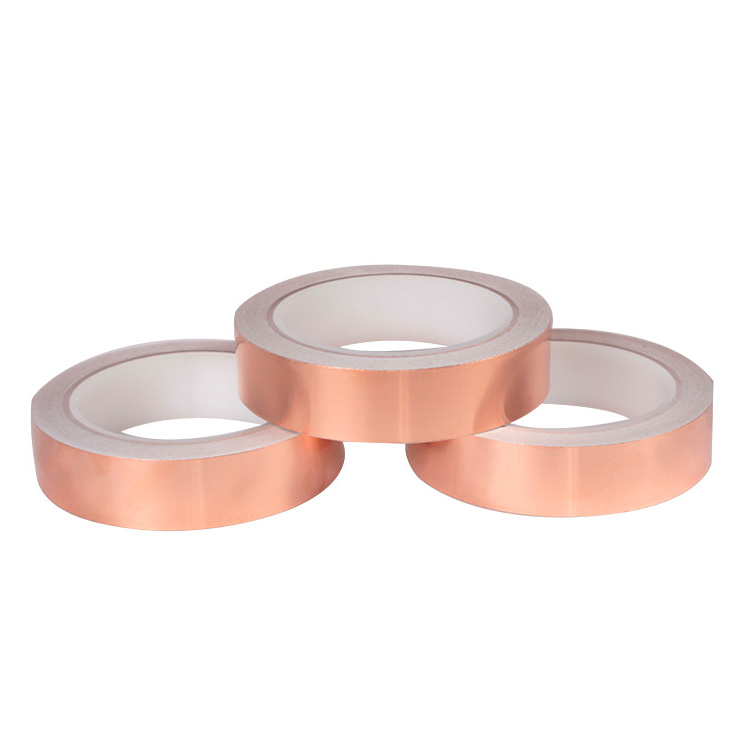
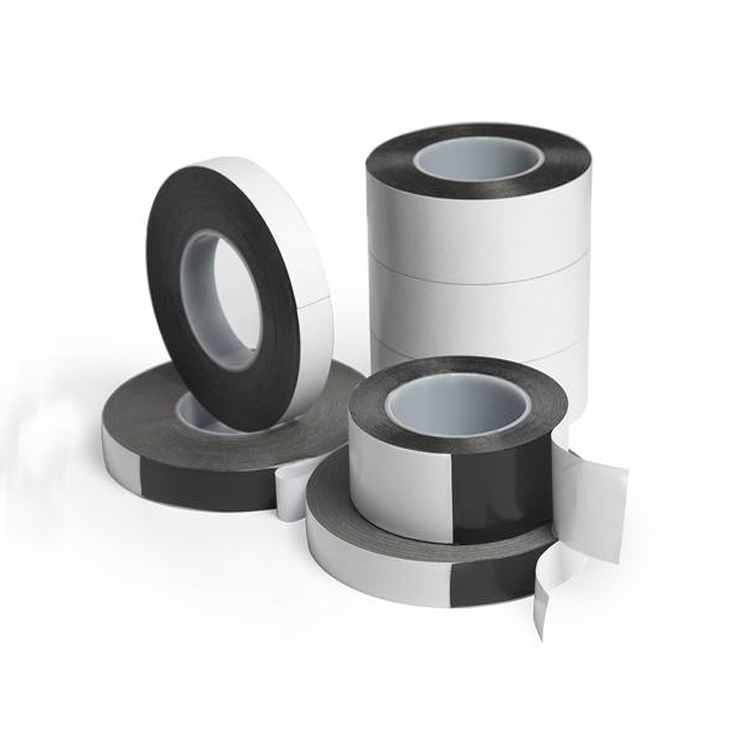
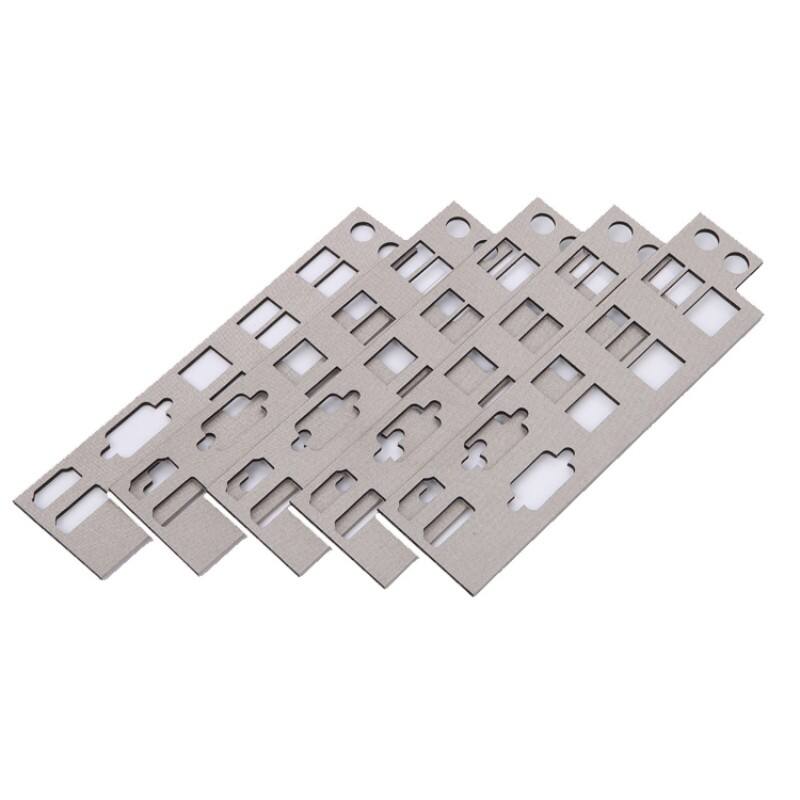
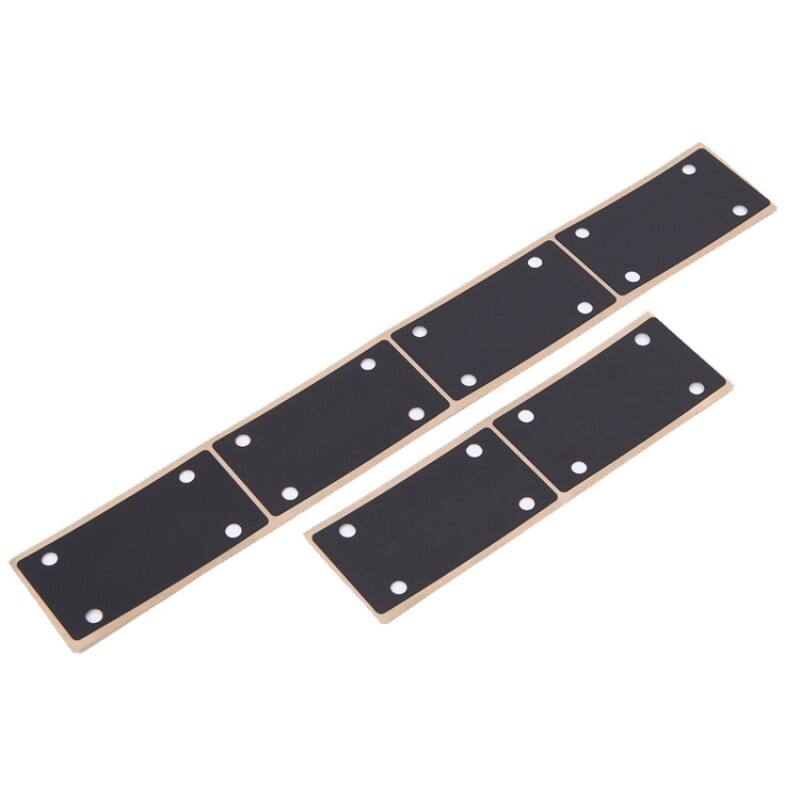
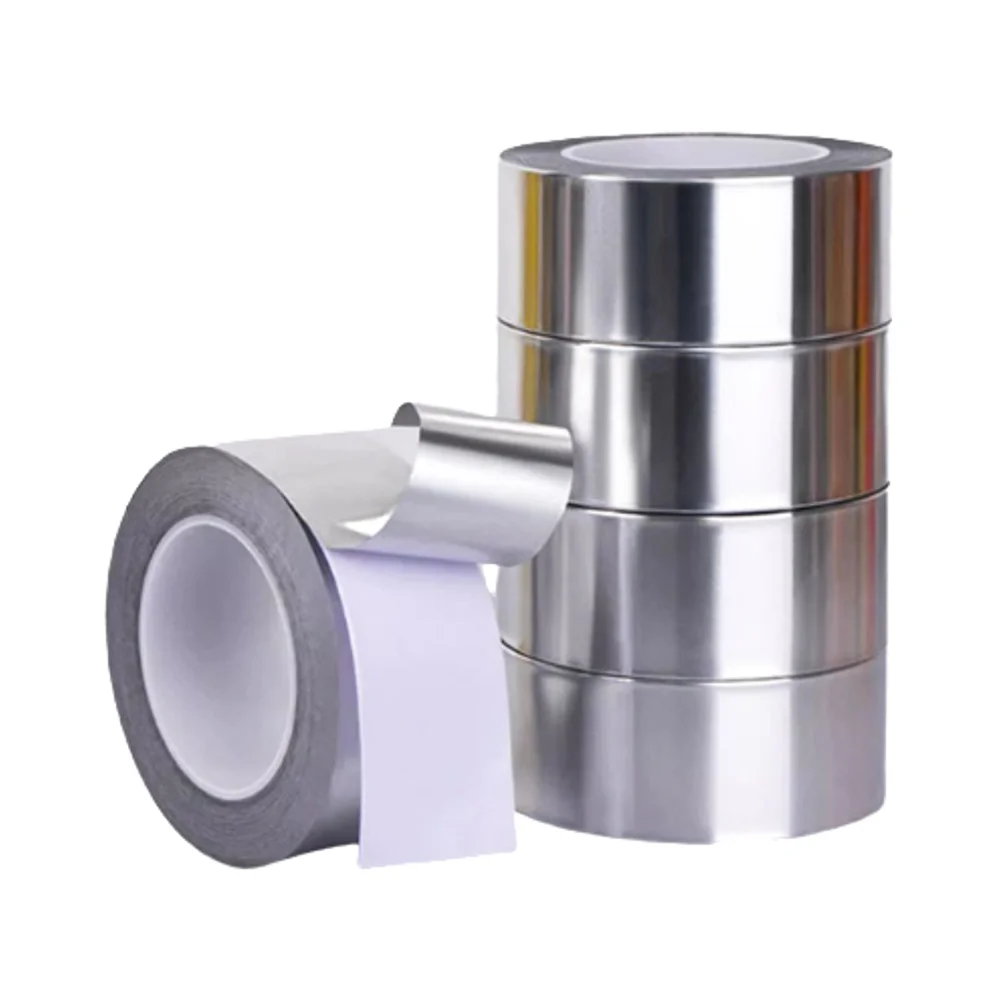
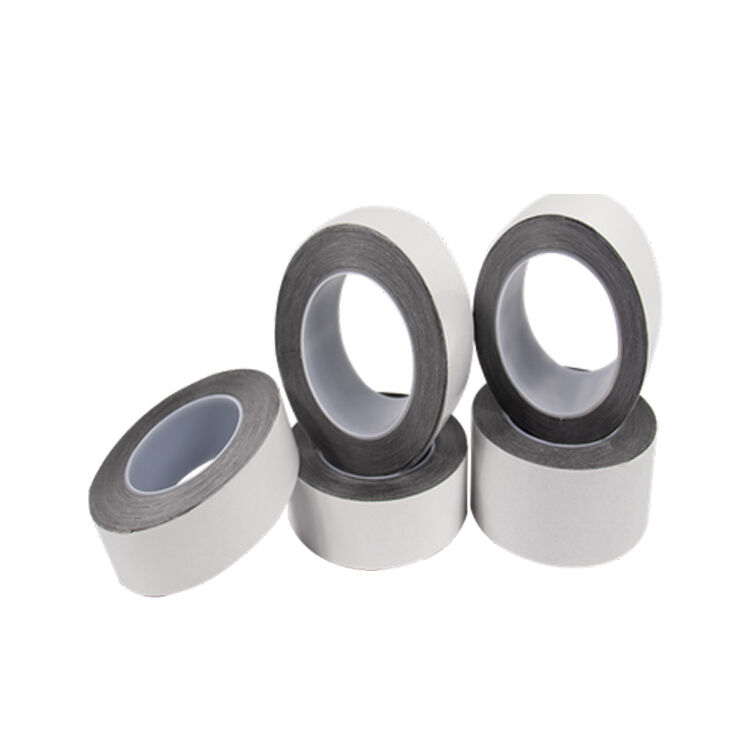
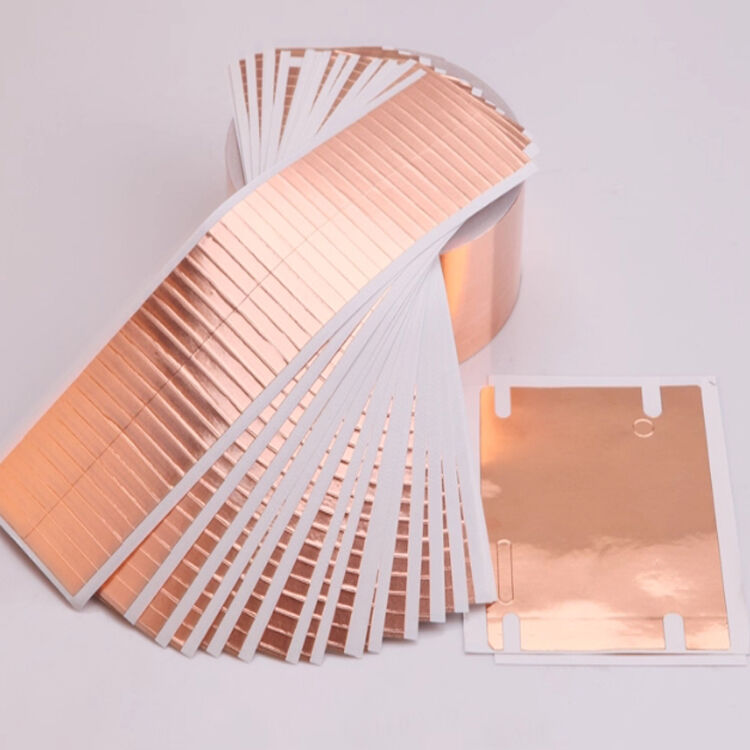
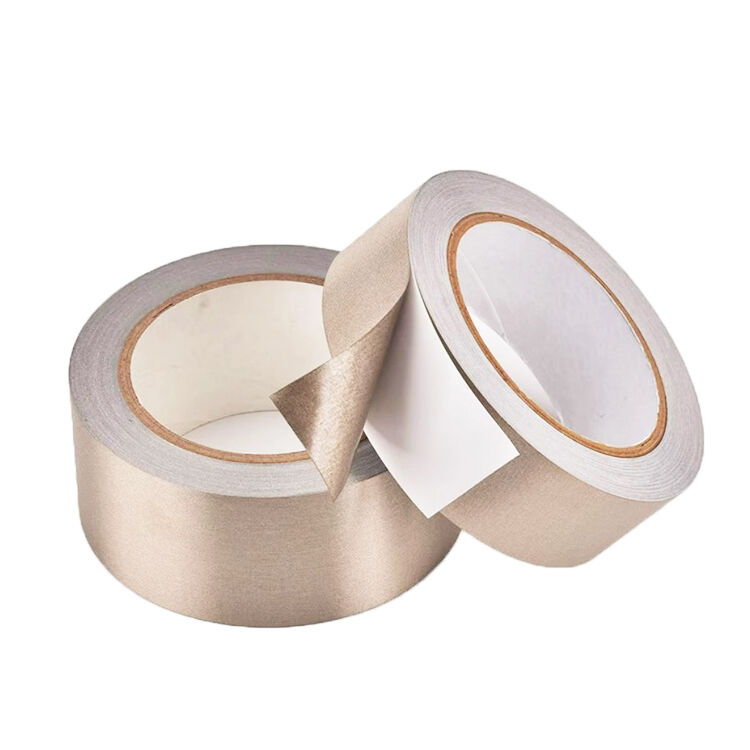
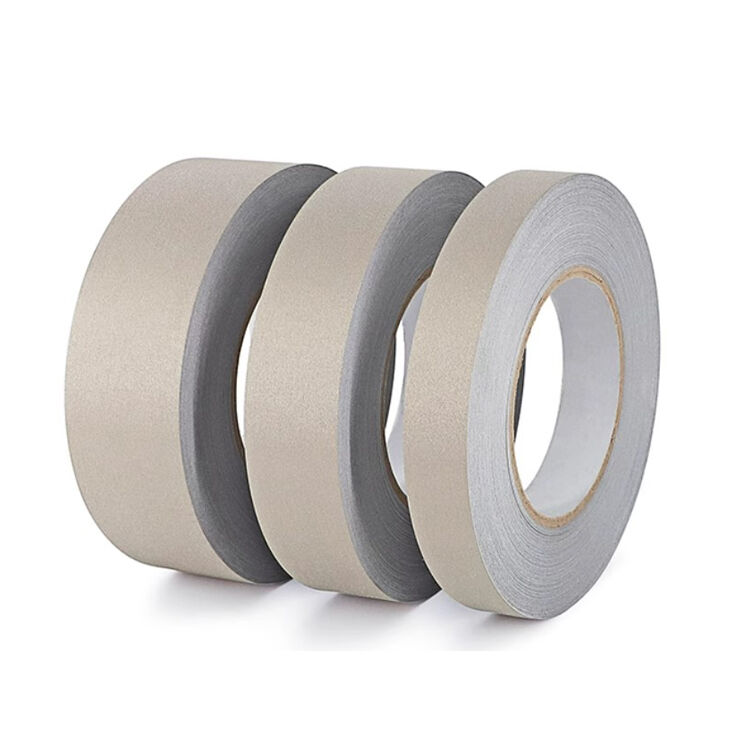
Electrically conductive tape demonstrates remarkable versatility in application methods and substrate compatibility, making it an ideal solution for diverse electrical connection challenges across multiple industries and technical disciplines. The tape's pressure-sensitive adhesive system enables simple application without requiring specialized equipment, heating, or curing processes commonly associated with other electrical connection methods. This ease of use allows field technicians to implement electrical solutions quickly and efficiently, reducing project timelines and labor costs while maintaining professional-grade electrical performance. Substrate compatibility encompasses a wide range of materials commonly encountered in electrical and electronic applications, including metals, plastics, ceramics, and composite materials. The tape adheres effectively to aluminum enclosures, steel chassis, printed circuit board substrates, and polymer housings without requiring surface preparation beyond basic cleaning. This broad compatibility eliminates the need for material-specific connection methods, simplifying inventory management and reducing the complexity of electrical installation procedures. Conformability to irregular surfaces represents a significant advantage over rigid electrical connection components, allowing electrically conductive tape to establish reliable electrical contact on curved, textured, or stepped surfaces. Complex geometries that challenge traditional mounting methods become manageable with tape application, supporting electrical connections in tight spaces and awkward orientations where conventional hardware cannot fit effectively. This geometric flexibility enables innovative design approaches and retrofit solutions that maximize equipment functionality within existing space constraints. Multi-layer application techniques expand the tape's capabilities for specialized electrical requirements, including increased current carrying capacity, enhanced shielding effectiveness, and improved mechanical strength. Engineers can apply multiple layers of electrically conductive tape to achieve performance characteristics tailored to specific application requirements, creating custom solutions without requiring specially manufactured components. This scalability supports both prototype development and production applications where standard components may not meet exact specifications. Integration with existing electrical systems occurs seamlessly through the tape's compatibility with conventional electrical connection methods, including soldering, mechanical fastening, and wire termination systems. Technicians can use electrically conductive tape to bridge gaps between different connection types, create transition zones between incompatible materials, and establish electrical continuity across complex assembly interfaces. This integration capability supports system upgrades and modifications where maintaining compatibility with existing infrastructure is essential for project success and cost control.




 EN
EN