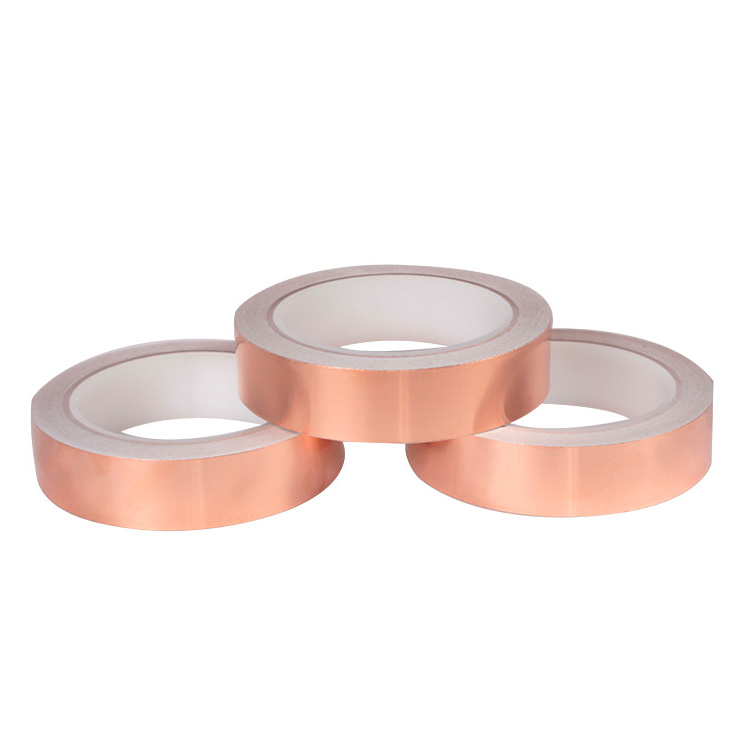
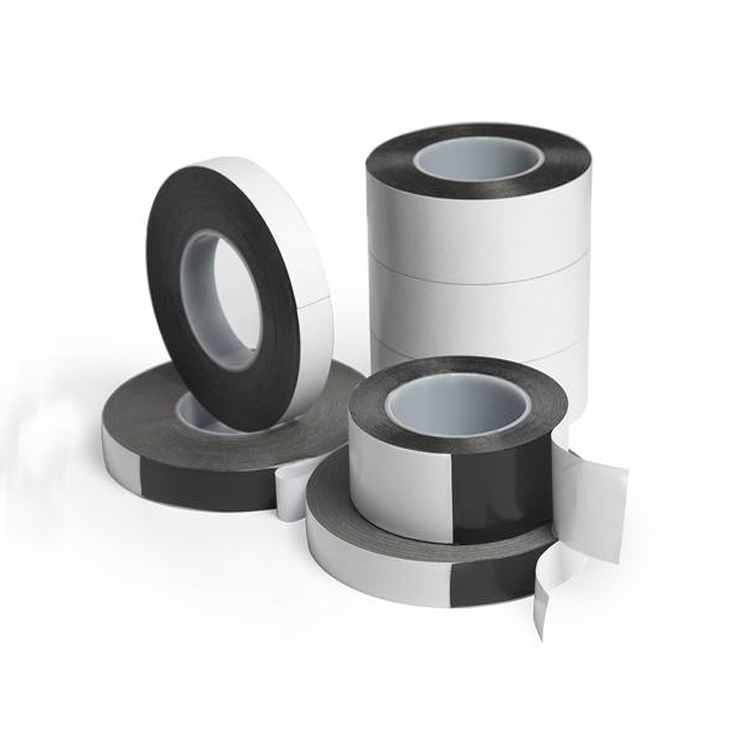
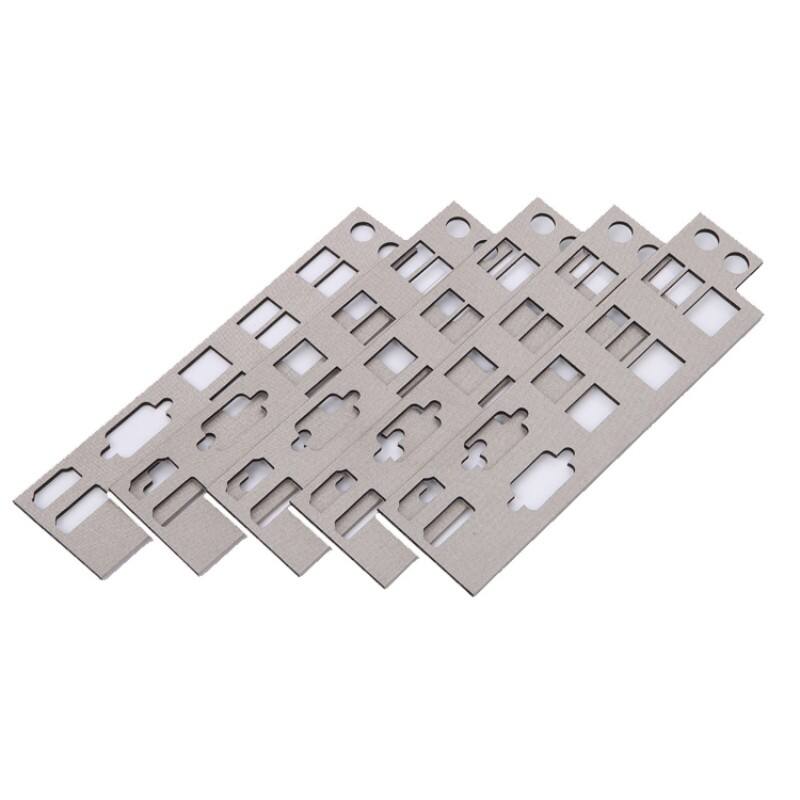
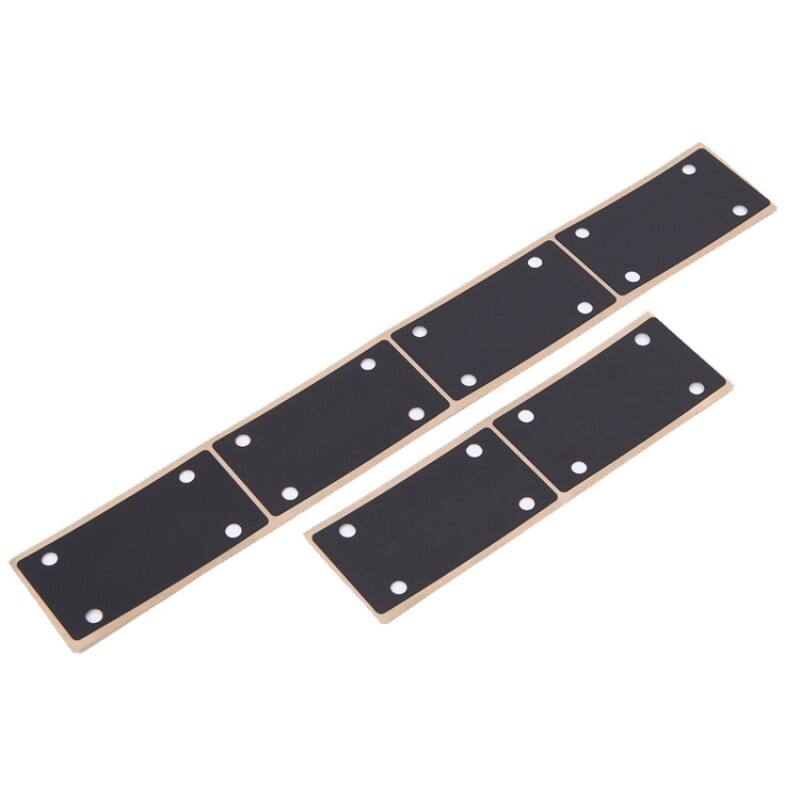
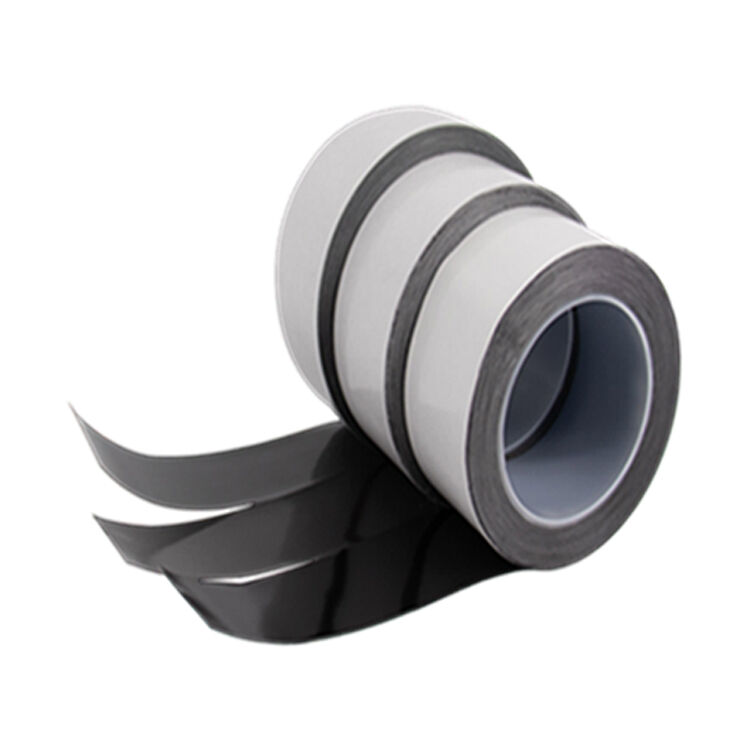
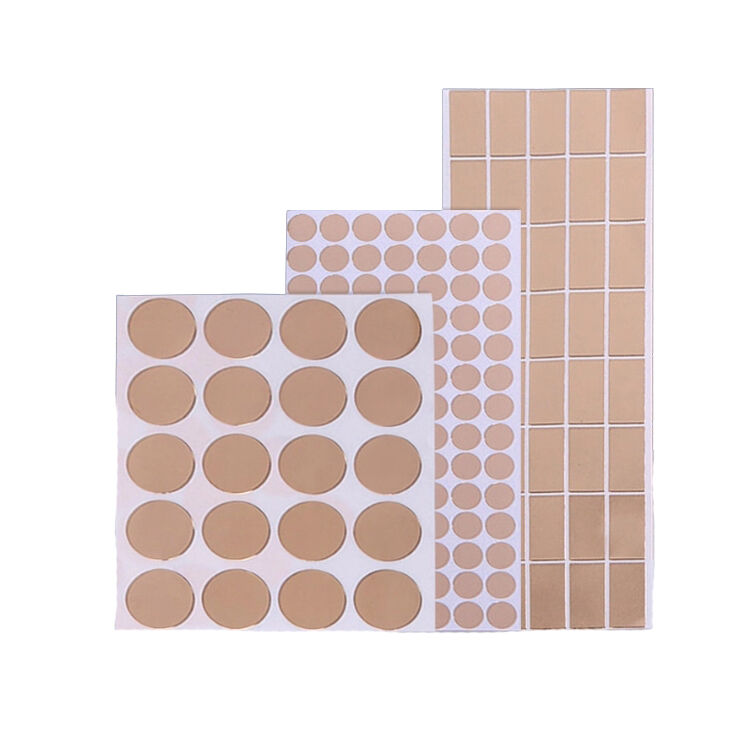
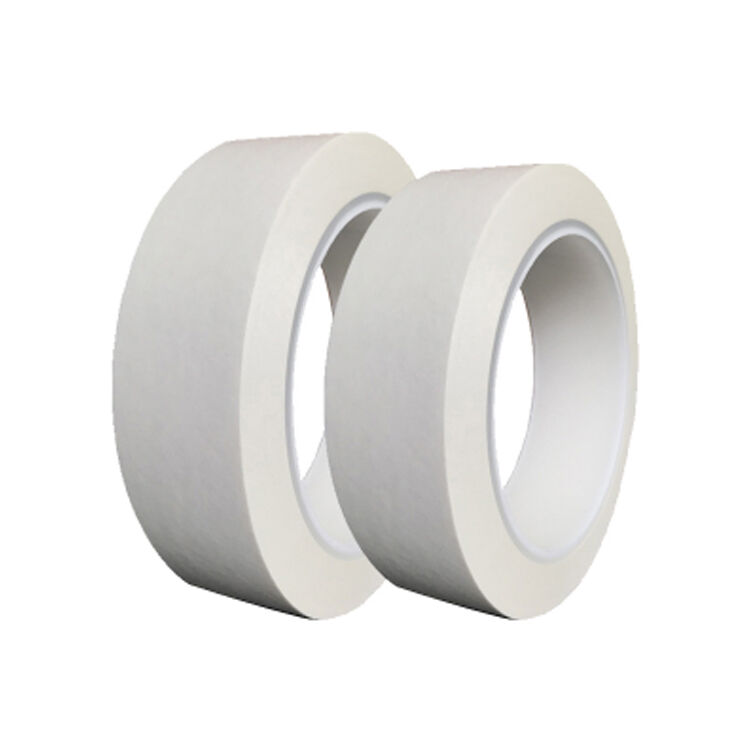
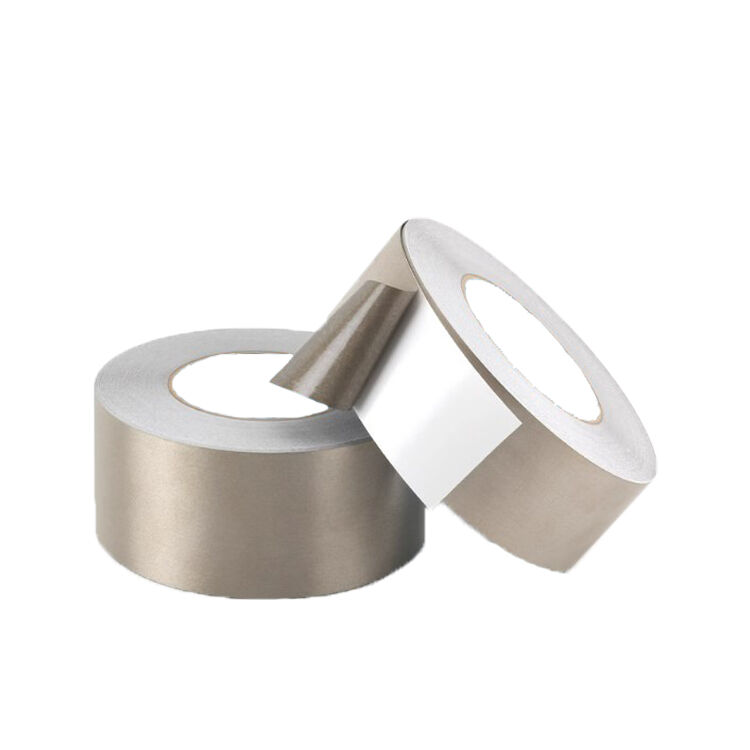
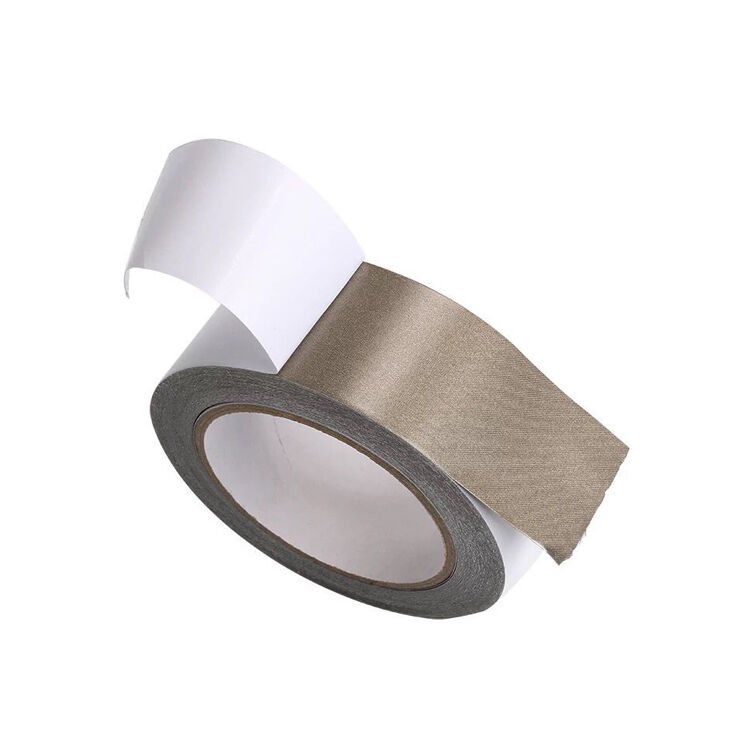
conductive fabric tape roll
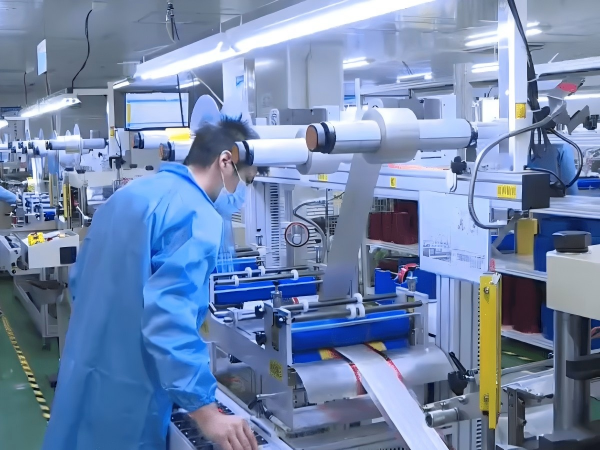
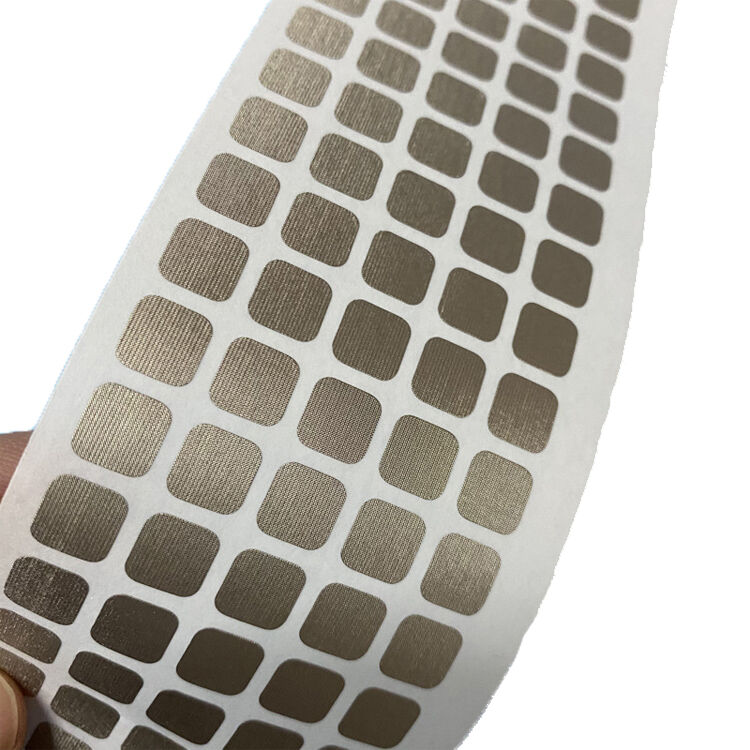
The conductive fabric tape roll represents a revolutionary solution in electromagnetic interference shielding and electronic applications. This specialized tape combines textile flexibility with electrical conductivity, creating a versatile product that bridges the gap between traditional fabric materials and electronic components. The conductive fabric tape roll consists of woven or knitted textiles infused with conductive materials such as silver, copper, or carbon particles, enabling it to carry electrical current while maintaining fabric-like properties. The primary function of this innovative material centers on electromagnetic shielding, where it effectively blocks electromagnetic interference (EMI) and radio frequency interference (RFI) across various frequency ranges. The tape's construction typically features a durable adhesive backing that allows for easy application on multiple surfaces, making installation straightforward for both professional technicians and DIY enthusiasts. Technological features include excellent conductivity levels, typically ranging from less than 1 ohm per square to several ohms per square depending on the specific formulation. The fabric structure provides superior flexibility compared to rigid shielding materials, allowing it to conform to curved surfaces and complex geometries without compromising performance. Temperature resistance varies by product specification, with many formulations operating effectively in environments ranging from -40°C to +85°C. The conductive fabric tape roll finds extensive applications in electronics manufacturing, particularly in smartphone and tablet production where space constraints demand thin, flexible shielding solutions. Aerospace and automotive industries utilize this material for protecting sensitive electronic systems from electromagnetic interference. Medical device manufacturing relies on conductive fabric tape roll for creating Faraday cage effects around critical components. Research laboratories and testing facilities employ these tapes for creating controlled electromagnetic environments. The material also serves in wearable technology development, where traditional rigid shielding would compromise user comfort and device flexibility.




 EN
EN