
 EN
EN


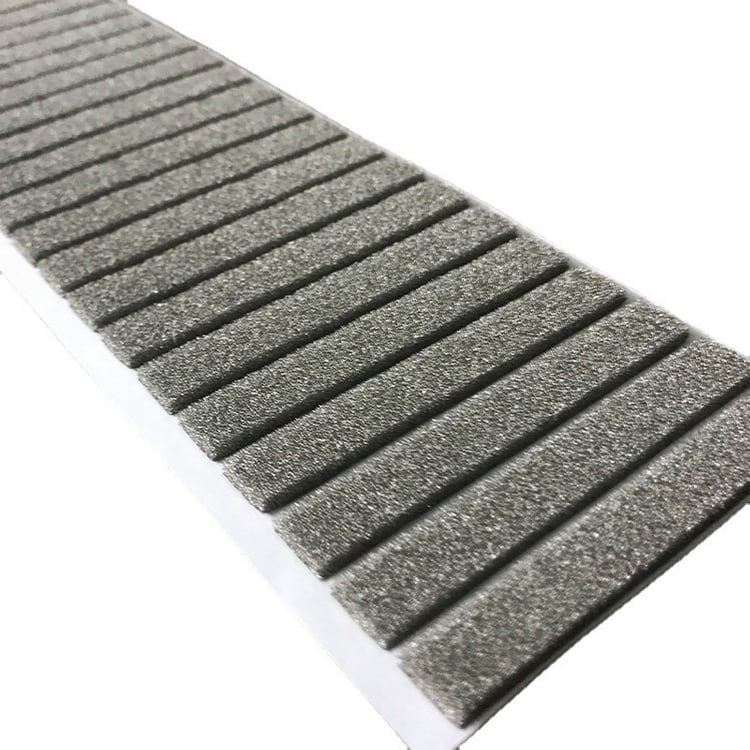
Uneven surfaces present one of the most persistent challenges in electrical grounding applications. Traditional grounding methods often fail when surfaces are textured, corroded, or irregularly shaped, leading to poor electrical contact and compromised system performance. Conductive sponge tape has emerged as the preferred solution for these demanding scenarios because it uniquely combines flexibility, reliable conductivity, and superior conformability to imperfect geometries. Understanding why conductive sponge tape outperforms rigid alternatives requires examining both its material properties and its practical advantages in real-world installations.
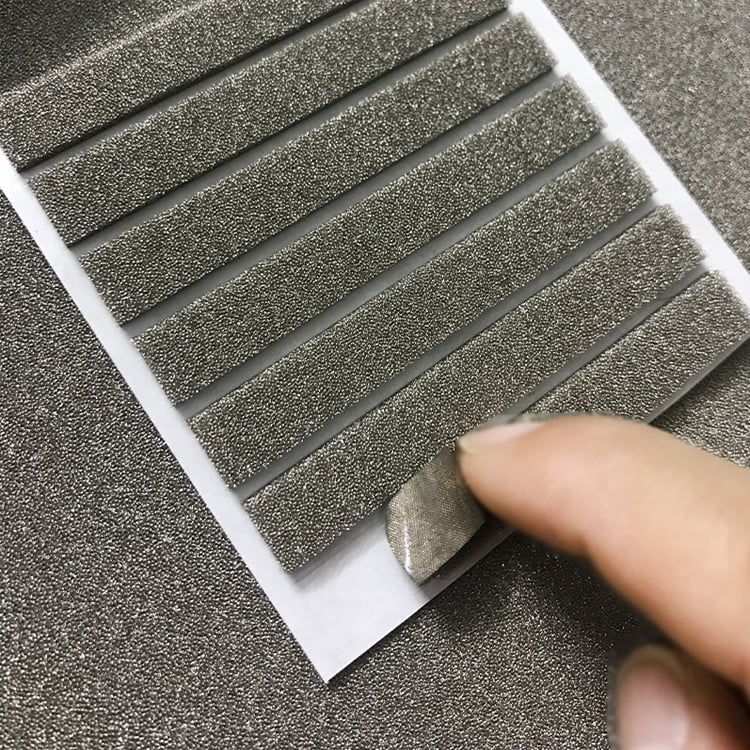
The electronics and industrial sectors increasingly rely on conductive sponge tape because it solves critical grounding failures that occur when metallic surfaces lack flatness or smoothness. Unlike solid conductors that require mechanical pressure and perfect surface contact, conductive sponge tape contains microscopic air pockets within its conductive matrix. These pockets compress and conform to surface irregularities, ensuring uniform electrical contact even across deeply textured or oxidized substrates. This conformability advantage translates directly into reduced electromagnetic interference, improved signal integrity, and enhanced equipment reliability.
Understanding Conductive Sponge Tape Material Composition
Structural Design and Conductivity Matrix
Conductive sponge tape combines elastomeric foam with conductive fillers such as carbon, nickel, or silver particles. The sponge structure creates thousands of contact points that press against uneven surfaces, maximizing electrical pathways even when surface contact is minimal. This distributed contact network distinguishes conductive sponge tape from solid foil or strip solutions, which concentrate pressure on high points and miss valleys or depressions. The adhesive backing on conductive sponge tape is formulated to remain stable across temperature cycling and vibration, preventing delamination that would interrupt grounding continuity in harsh industrial environments.
Performance Across Temperature and Environmental Ranges
Industrial applications demand materials that maintain conductivity and adhesion under extreme conditions. Conductive sponge tape typically operates reliably across temperature ranges from −40°C to +120°C, with specialized formulations extending to higher limits. The elastomeric matrix resists moisture ingress, chemical degradation, and salt spray corrosion, making conductive sponge tape suitable for aerospace, marine, and outdoor electrical enclosures. Unlike bare copper or aluminum tape, which oxidizes and loses conductivity over time, conductive sponge tape incorporates protective coatings and conductive fillers that resist environmental degradation.
Conformability and Contact Quality on Uneven Surfaces
How Sponge Compression Improves Grounding Reliability
The defining strength of conductive sponge tape lies in its ability to compress and fill surface irregularities. When applied to rough, corroded, or textured metalwork, the sponge material flows into grooves, corrosion pits, and surface imperfections, establishing electrical contact across the entire bonded area rather than only at peak points. This comprehensive contact directly reduces electrical resistance and ensures consistent grounding impedance. Traditional rigid grounding straps or foil tape can achieve contact only on the highest surface features, leaving gaps that create high-resistance zones and electromagnetic compatibility problems. Conductive sponge tape eliminates these gaps through its inherent compressibility.
Application Scenarios Where Uneven Surfaces Dominate
Uneven surfaces are ubiquitous in industrial and aerospace contexts. Welded joints, casting surfaces, anodized aluminum, painted structures, and corroded metal panels all present challenges that conductive sponge tape addresses efficiently. Cable trays, equipment racks, and structural frames often feature surface irregularities that standard grounding methods cannot adequately accommodate. Conductive sponge tape solves these challenges without requiring surface preparation, grinding, or chemical stripping, reducing installation time and labor cost. In confined spaces where mechanical grounding clamps cannot physically attach, conductive sponge tape provides a flexible adhesive alternative that maintains consistent conductivity.
EMI Shielding and Electrical Performance Advantages
Reducing Electromagnetic Interference Through Effective Bonding
Effective electromagnetic interference mitigation depends on establishing low-impedance paths between shielded enclosures and ground planes. Poor surface contact breaks these paths and allows EMI energy to radiate or couple into sensitive circuits. Conductive sponge tape maintains electrical continuity even when surface contact would otherwise be marginal, directly improving EMI attenuation across frequency ranges critical for digital and RF applications. The distributed contact network created by conductive sponge tape acts as a multi-path conductor, distributing return currents more effectively than single-point connections. This distributed conductance reduces loop inductance and improves high-frequency performance compared to rigid bond straps.
Signal Integrity and Return Path Consistency
High-speed digital circuits and RF systems require predictable, low-inductance return paths to maintain signal integrity and reduce crosstalk. Conductive sponge tape delivers consistent electrical performance across the bonded area, establishing return paths with uniform impedance characteristics. This consistency prevents impedance discontinuities that would otherwise reflect signal energy and degrade data transmission reliability. Equipment manufacturers in telecommunications, aerospace, and automotive sectors specify conductive sponge tape because it guarantees return path quality even when structural surfaces exhibit significant irregularities or oxidation.
Installation Advantages and Cost Considerations
Ease of Application and Labor Efficiency
Installation speed represents a significant practical advantage of conductive sponge tape. Unlike mechanical grounding clamps, which require drilling, fasteners, and precise alignment, conductive sponge tape simply peels and adheres to any clean surface. The tape requires no special tools, no surface preparation machinery, and no trained technicians with specialized skills. Production assembly environments benefit enormously from this simplicity, as technicians can apply conductive sponge tape quickly and consistently across hundreds of units. The adhesive backing provides immediate tackiness, eliminating the need for curing time or mechanical pressure during installation.
Maintenance and Long-Term Reliability
Once applied, conductive sponge tape requires minimal maintenance because the conductive fillers and protective coatings resist environmental degradation. Vibration and thermal cycling that would loosen mechanical clamps do not affect conductive sponge tape, which remains bonded through superior adhesive formulations. The material does not require periodic re-tightening, cleaning, or inspection to maintain conductivity. Over the operational life of equipment, conductive sponge tape typically delivers lower total cost of ownership than mechanical alternatives because maintenance labor and replacement fasteners are eliminated.
FAQ
Why does conductive sponge tape maintain contact better than rigid grounding straps on uneven surfaces?
Conductive sponge tape contains microscopic air pockets that compress and conform to surface irregularities, creating multiple electrical contact points across the entire bonded area. Rigid grounding straps contact only the highest surface peaks, leaving gaps that increase electrical resistance and create EMI paths. The elastomeric structure of conductive sponge tape ensures uniform pressure distribution across uneven topography, preventing the high-resistance zones that develop with solid metal conductors.
Can conductive sponge tape replace mechanical grounding clamps in high-vibration environments?
Yes, conductive sponge tape performs reliably in high-vibration applications because the adhesive formulation is specifically engineered to resist mechanical stress and thermal cycling. The tape maintains electrical continuity even under sustained vibration because the flexible sponge matrix absorbs vibration energy rather than transmitting it to the adhesive bond. Many aerospace and automotive applications specify conductive sponge tape in place of mechanical fasteners precisely because of this vibration tolerance and reliability advantage.
What environmental conditions affect the performance of conductive sponge tape?
Industrial-grade conductive sponge tape operates reliably from −40°C to +120°C, with specialized formulations extending beyond these ranges. Moisture, salt spray, and chemical exposure do not significantly degrade conductive sponge tape because protective coatings shield the conductive matrix from environmental attack. UV exposure may affect the adhesive over extended outdoor periods, but the underlying conductivity remains stable. Manufacturers provide environmental specification sheets detailing temperature, humidity, and chemical compatibility for specific conductive sponge tape formulations used in demanding applications.
