
 EN
EN


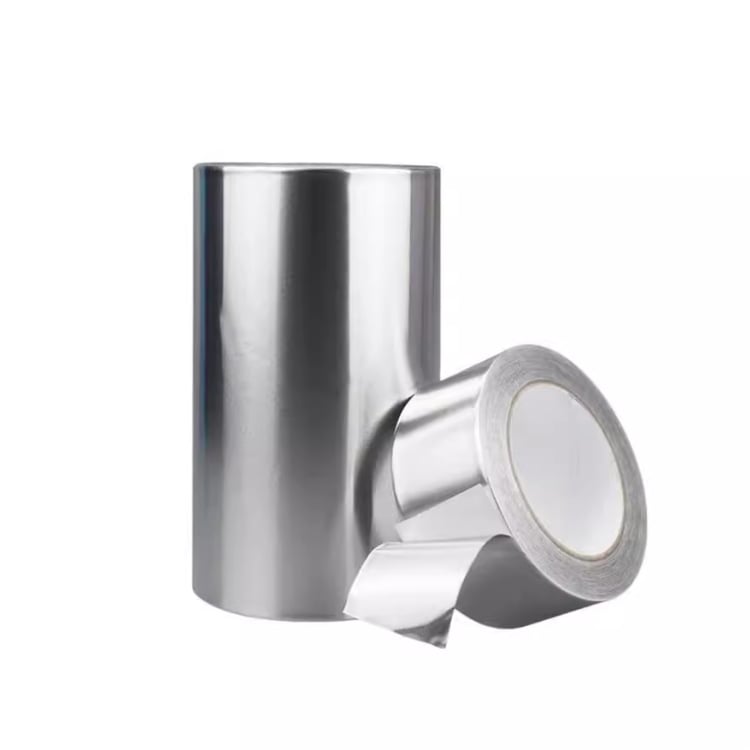
Moisture damage remains one of the costliest challenges in construction, compromising structural integrity and creating long-term maintenance issues that affect building performance. An aluminum foil tape moisture barrier offers a proven solution for preventing water infiltration in walls, roofs, and mechanical systems. Understanding how aluminum foil tape moisture barrier products work and where to deploy them is essential for construction professionals seeking to protect building investments and extend service life.
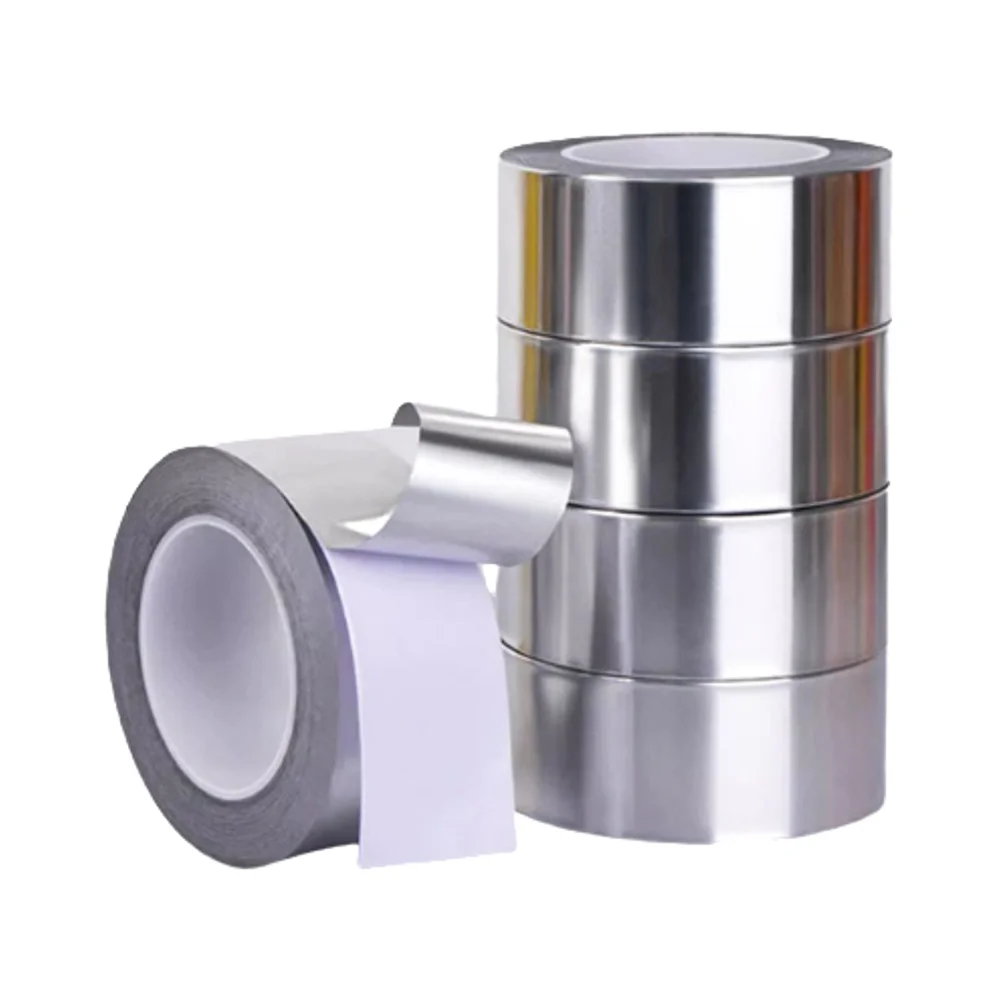
The mechanics of aluminum foil tape moisture barrier systems rely on layered material science and strategic installation practices. When properly applied, an aluminum foil tape moisture barrier creates a continuous seal that blocks water vapor transmission while allowing buildings to breathe at controlled rates. This balance between moisture control and vapor permeability determines whether the aluminum foil tape moisture barrier will perform effectively across seasonal temperature variations and different climate zones.
Material Composition and Barrier Function
Aluminum Substrate and Adhesive Properties
The aluminum foil tape moisture barrier owes its effectiveness to the pure aluminum layer that forms the core component. Aluminum naturally resists corrosion and provides a physical barrier that water cannot penetrate when bonded correctly to substrate surfaces. The adhesive layer in an aluminum foil tape moisture barrier must maintain adhesion even when exposed to temperature cycling, UV radiation, and mechanical stress during construction installation.
Quality aluminum foil tape moisture barrier products use acrylic or rubber-based adhesives that remain tacky across a wide temperature range. This ensures that the aluminum foil tape moisture barrier maintains its seal integrity whether applied during cold morning temperatures or hot afternoon conditions. The adhesive formulation directly impacts how well the aluminum foil tape moisture barrier performs under real construction conditions where temperature fluctuations are inevitable.
Vapor Permeability and Breathing Characteristics
An effective aluminum foil tape moisture barrier must balance two competing demands: blocking liquid water while allowing controlled vapor transmission. The aluminum foil tape moisture barrier prevents wind-driven rain from entering wall cavities while permitting trapped moisture to escape through the assembly. This breathing capability prevents moisture accumulation that could lead to mold growth, wood rot, or structural degradation behind the aluminum foil tape moisture barrier.
The thickness of the aluminum layer in an aluminum foil tape moisture barrier typically ranges from 0.03 to 0.10 millimeters, providing sufficient impermeability without creating an impermeable membrane that traps moisture. This design philosophy recognizes that modern buildings require dynamic moisture management rather than complete vapor blocking. The aluminum foil tape moisture barrier achieves this balance through micro-perforations or engineered backing materials that control the rate of moisture transmission.
Construction Applications and Installation Methods
Thermal Barrier and Pipe Insulation Protection
HVAC systems and refrigeration lines in commercial buildings rely heavily on aluminum foil tape moisture barrier protection to prevent condensation damage. When cold refrigerant lines are exposed to warm ambient air, moisture condenses on unprotected surfaces and destroys insulation materials. The aluminum foil tape moisture barrier wraps around pipe insulation to create a continuous envelope that prevents this condensation process from beginning.
Installation of aluminum foil tape moisture barrier on HVAC systems requires precision to ensure complete coverage at seams and connection points. Technicians overlap each layer of aluminum foil tape moisture barrier by two to three inches and seal all joints with additional adhesive. This overlapping technique ensures that the aluminum foil tape moisture barrier functions as a unified moisture-blocking system rather than isolated protective segments.
Roofing and Wall Assembly Integration
Roof assemblies benefit significantly from aluminum foil tape moisture barrier installation at penetrations, flashings, and seam transitions where water typically enters. The aluminum foil tape moisture barrier adheres directly to metal roof panels and creates waterproof seals around chimneys, vents, and satellite dish mounts. This targeted application of aluminum foil tape moisture barrier addresses the specific locations where roof failures originate.
Wall assemblies incorporate aluminum foil tape moisture barrier as part of the weather-resistive barrier system that protects the structural sheathing beneath. When installed horizontally across wall cavities at specific intervals, the aluminum foil tape moisture barrier directs water that breaches the outer cladding downward to drainage planes rather than allowing it to saturate insulation. The aluminum foil tape moisture barrier works in conjunction with house wrap and other weather barriers to create redundant moisture defense systems.
Performance Benefits and Building Protection
Extended Building Service Life and Structural Preservation
Buildings protected with aluminum foil tape moisture barrier systems experience significantly longer service intervals before major repairs become necessary. Moisture damage that would normally compromise structural members within five to ten years can be prevented entirely through proper aluminum foil tape moisture barrier deployment. This extended durability means that aluminum foil tape moisture barrier installation costs are typically recovered through reduced replacement and remediation expenses.
The financial case for aluminum foil tape moisture barrier protection strengthens over the building's entire lifecycle. Avoiding expensive structural repairs, mold remediation, and insulation replacement justifies the upfront investment in quality aluminum foil tape moisture barrier materials. Building owners and facility managers recognize that aluminum foil tape moisture barrier is preventive maintenance that protects the building's core assets.
Energy Efficiency and Climate Control
Aluminum foil tape moisture barrier systems contribute to improved energy performance by maintaining insulation effectiveness and thermal resistance. Wet insulation provides virtually no thermal resistance and requires complete replacement, representing a major energy penalty. By preventing moisture infiltration with aluminum foil tape moisture barrier protection, buildings maintain consistent R-values that allow HVAC systems to operate efficiently throughout the building's service life.
The reflective properties of aluminum foil tape moisture barrier surfaces also reduce radiant heat transfer in certain applications, providing modest additional energy benefits. In attic spaces and crawl areas, the aluminum foil tape moisture barrier reflects solar radiation that would otherwise heat the insulation and increase cooling loads. These combined thermal benefits demonstrate that aluminum foil tape moisture barrier selection impacts both moisture protection and operational energy costs.
FAQ
How long does aluminum foil tape moisture barrier typically remain effective?
Quality aluminum foil tape moisture barrier products maintain their adhesive integrity and moisture-blocking properties for fifteen to twenty years when properly installed and protected from excessive UV exposure. The aluminum foil tape moisture barrier can last longer in protected interior applications compared to exterior installations exposed to direct sunlight. Regular inspection ensures that the aluminum foil tape moisture barrier continues functioning effectively and allows replacement before adhesive degradation becomes problematic.
Can aluminum foil tape moisture barrier be applied over existing insulation?
Yes, aluminum foil tape moisture barrier can be applied directly over rigid foam insulation, fiberglass batts, and other insulation types in retrofit applications. The key is ensuring clean, dry substrate surfaces so the aluminum foil tape moisture barrier adhesive bonds correctly. Removing dust and debris from the insulation surface ensures that the aluminum foil tape moisture barrier achieves proper contact and adhesion.
What temperature range is suitable for installing aluminum foil tape moisture barrier?
Most aluminum foil tape moisture barrier products perform optimally when applied between 50 and 85 degrees Fahrenheit, though quality formulations work across a broader range. Cold temperatures reduce adhesive flow and can result in poor bonding, while excessive heat may cause the aluminum foil tape moisture barrier backing to wrinkle or shift during installation. Planning installation during moderate weather conditions ensures that the aluminum foil tape moisture barrier achieves maximum performance.
