
 EN
EN


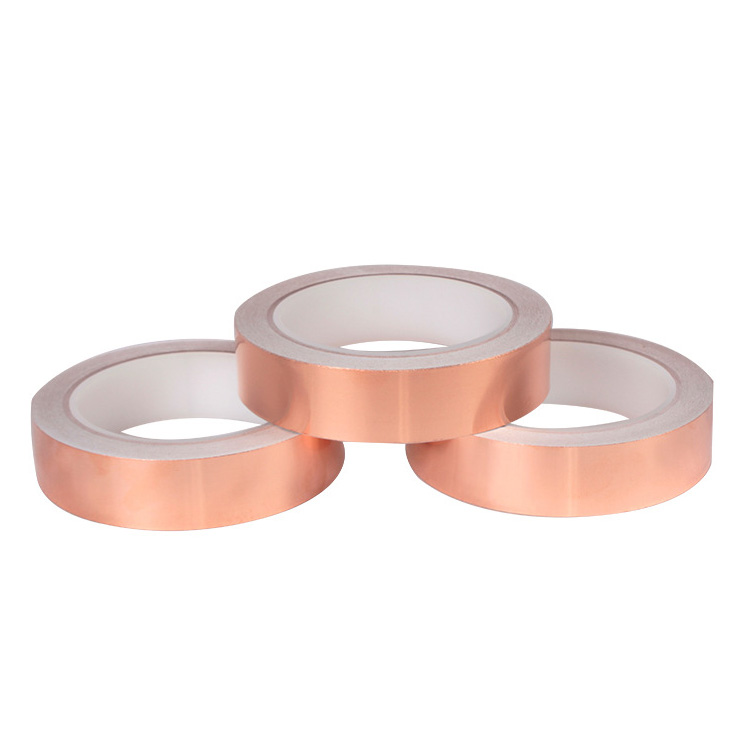
Choosing the correct thickness of conductive sponge tape thickness for housing applications is one of the most critical decisions in electromagnetic shielding design. The wrong thickness can compromise electromagnetic compatibility, reduce seal effectiveness, or create unnecessary manufacturing costs. Understanding how thickness affects performance, compression characteristics, and long-term durability is essential for engineers and procurement professionals working with electronic enclosures.

The conductive sponge tape thickness you select directly influences both shielding effectiveness and mechanical performance. A thickness that is too thin may not provide adequate compression force or maintain contact with housing surfaces over time, while excessive thickness can cause assembly difficulties, seal gaps, or uneven pressure distribution. This guide walks you through the essential factors to consider when determining the optimal conductive sponge tape thickness for your specific housing design.
Understanding Conductive Sponge Tape Thickness and Its Core Functions
How Thickness Impacts Electromagnetic Shielding
The conductive sponge tape thickness directly affects the shielding effectiveness of your housing assembly. When electromagnetic waves encounter the tape, the conductive sponge tape thickness determines how much energy can be absorbed and dissipated before reaching sensitive internal components. Thicker conductive sponge tape provides greater mass for shielding particle interaction, potentially improving attenuation performance across frequency ranges relevant to your application.
However, conductive sponge tape thickness is only one factor in overall shielding performance. The material composition, conductive filler density, and surface contact area matter equally. A thicker tape with poor conductive properties may underperform compared to a properly engineered thinner tape with optimized filler distribution. When specifying conductive sponge tape thickness, always cross-reference it with the material's shielding effectiveness rating rather than assuming thickness alone guarantees performance.
Compression and Surface Contact Requirements
Conductive sponge tape thickness must accommodate the compression requirements of your housing design. Most conductive sponge tape applications involve 25–50% compression when the housing is assembled. The initial conductive sponge tape thickness you choose will compress under clamping pressure, and this compressed state determines whether continuous electrical contact is maintained around the housing perimeter.
If your conductive sponge tape thickness is insufficient, the material may compress completely, losing its sealing and shielding capability. Conversely, if the conductive sponge tape thickness is too generous for your housing tolerances, the tape may not compress enough to establish firm contact with mounting surfaces, creating gaps where EMI can leak through. The ideal conductive sponge tape thickness allows 25–40% compression while maintaining uniform pressure distribution across the entire seal perimeter.
Key Factors for Selecting Conductive Sponge Tape Thickness
Housing Geometry and Tolerance Stack-Up
Your housing design geometry is the primary driver for conductive sponge tape thickness selection. Measure the actual gap or channel depth where the conductive sponge tape will be installed, accounting for tolerance variations across manufacturing batches. The conductive sponge tape thickness must be slightly larger than the nominal gap to ensure compression and pressure, but not so large that it prevents housing closure or creates dimensional conflicts.
Account for tolerance stack-up across all mating surfaces. If the housing cavity has a nominal depth of 3 mm with ±0.2 mm tolerance, your conductive sponge tape thickness selection must accommodate both the 2.8 mm and 3.2 mm extremes. Many engineers select a conductive sponge tape thickness of 3.5–4 mm to ensure adequate compression across the tolerance range while maintaining seal integrity even at the tightest tolerance scenario.
Clamping Force and Pressure Uniformity
The clamping mechanism determines how much compression force can be applied to the conductive sponge tape thickness during assembly. Bolted housings, snap-fit enclosures, and press-fitted assemblies all apply different pressure profiles. If your housing uses bolted fasteners with high clamping torque, you can use thinner conductive sponge tape thickness because the applied force will achieve adequate compression quickly.
Conversely, snap-fit or press-fit designs with limited clamping force may require a thicker conductive sponge tape thickness to achieve the same compression percentage. Some designers intentionally select a slightly thicker conductive sponge tape thickness for snap-fit housings to ensure that even minimal assembly pressure creates sufficient contact. The relationship between clamping force and conductive sponge tape thickness is not linear, so prototype testing is highly recommended to validate performance under your specific assembly conditions.
Environmental Stress and Long-Term Durability
Environmental factors influence how your selected conductive sponge tape thickness will perform over the product lifetime. Temperature cycling, thermal expansion, and mechanical vibration gradually relax foam materials, reducing compression set performance over time. A conductive sponge tape thickness that provides barely adequate compression when new may fail to maintain contact after months of thermal cycling.
To account for long-term stress, many engineers recommend selecting a conductive sponge tape thickness that provides 30–40% compression when new, rather than the minimum necessary thickness. This compression reserve ensures that even after relaxation in field conditions, the conductive sponge tape thickness maintains sufficient contact pressure to preserve shielding effectiveness and environmental sealing. High-reliability applications such as aerospace or automotive typically demand this thicker margin.
Practical Selection Guidelines and Testing Recommendations
Standard Thickness Options and Their Common Applications
Conductive sponge tape thickness typically ranges from 1 mm to 5 mm in standard offerings, with 2 mm, 3 mm, and 4 mm being the most common selections for housing applications. A 2 mm conductive sponge tape thickness suits compact consumer electronics with tight housing profiles and bolted assemblies providing consistent clamping force. This conductive sponge tape thickness is insufficient for variable or low-pressure environments.
A 3 mm conductive sponge tape thickness represents the industry workhorse for general purpose industrial housings, data center enclosures, and telecommunications equipment. This thickness accommodates moderate tolerance variation and provides adequate compression reserve for thermal cycling. When conductive sponge tape thickness reaches 4–5 mm, the application typically involves larger housings, extreme environmental conditions, or designs requiring superior sealing performance over extended service life. Selecting the appropriate conductive sponge tape thickness from these standard options minimizes custom tooling costs and sourcing delays.
Validation Through Prototype Testing
Before committing to production, always validate your selected conductive sponge tape thickness through mechanical and electromagnetic testing. Build prototype housings using your chosen conductive sponge tape thickness and subject them to compression testing to measure actual pressure distribution, contact area, and squeeze-out behavior. Measure shielding effectiveness at relevant frequencies to confirm that your conductive sponge tape thickness selection actually meets performance targets in your specific housing geometry.
Thermal cycling tests help confirm that your selected conductive sponge tape thickness maintains adequate compression after temperature stress. Assemble a sample using your chosen conductive sponge tape thickness, then subject it to repeated thermal cycles matching your expected operating environment. After cycling, re-measure compression and contact pressure to ensure the conductive sponge tape thickness performance remains acceptable. This validation catches thickness selection errors before manufacturing thousands of units with inadequate shielding.
FAQ
What conductive sponge tape thickness should I choose if I'm unsure about my housing tolerances?
If housing tolerances are uncertain or variable, select a conductive sponge tape thickness one size larger than your nominal requirement. For example, if your nominal gap is 3 mm, specify conductive sponge tape thickness of 4 mm to ensure adequate compression even in loose tolerance scenarios. Thicker conductive sponge tape provides compression reserve that accommodates manufacturing variation and protects against shielding failure in the field. This conservative approach costs slightly more upfront but prevents field failures and warranty claims.
Can I use thinner conductive sponge tape thickness to reduce material costs?
Reducing conductive sponge tape thickness to cut material costs often creates hidden expenses through field failures, electromagnetic non-compliance, and customer returns. Undersized conductive sponge tape thickness may pass initial testing but fail under real-world thermal cycling or mechanical stress. The cost savings from thinner material disappear quickly when facing rework, recalls, or electromagnetic interference complaints. Instead, validate that your selected conductive sponge tape thickness actually meets all performance and durability requirements, then optimize material grade or construction to achieve cost reduction without compromising integrity.
How does conductive sponge tape thickness relate to EMI shielding effectiveness?
Conductive sponge tape thickness influences shielding by affecting the path for electromagnetic energy and ensuring continuous contact with housing surfaces. Thicker conductive sponge tape provides greater mass for energy absorption and better tolerance to surface irregularities that might create gaps in thin materials. However, shielding effectiveness depends equally on material composition, conductive particle concentration, and surface contact uniformity. A properly compressed 3 mm conductive sponge tape thickness may outperform a poorly applied 5 mm tape, so always consider compression state and surface preparation alongside conductive sponge tape thickness selection.
