
 EN
EN
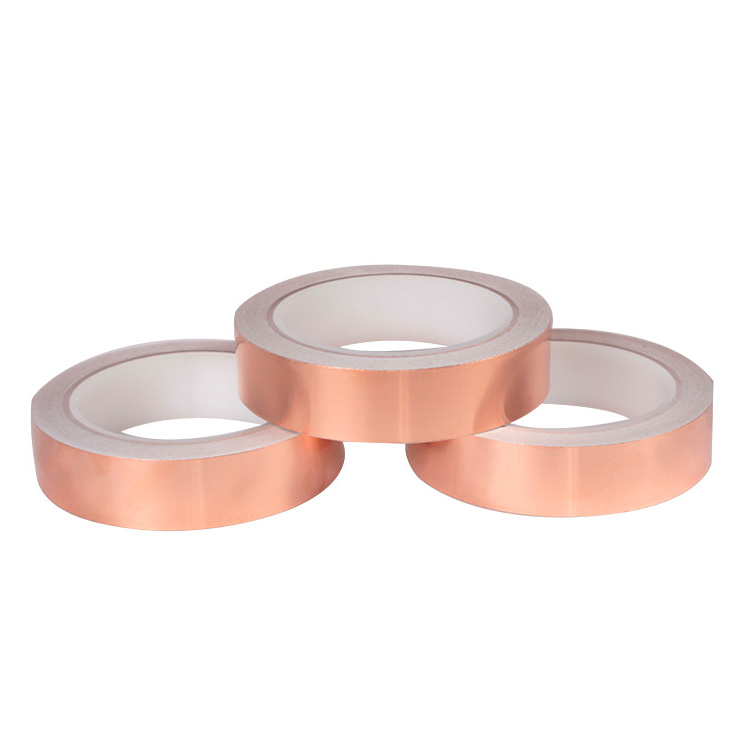
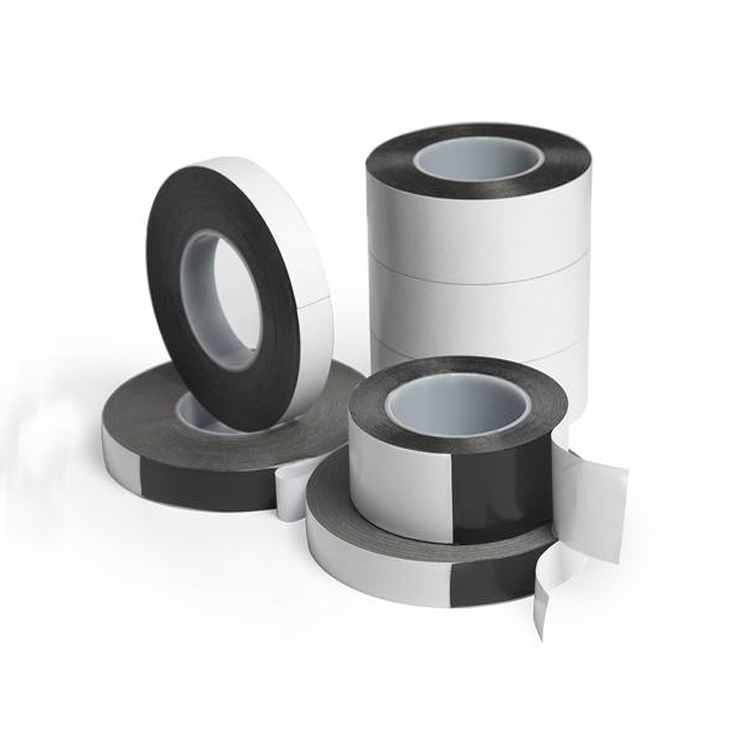
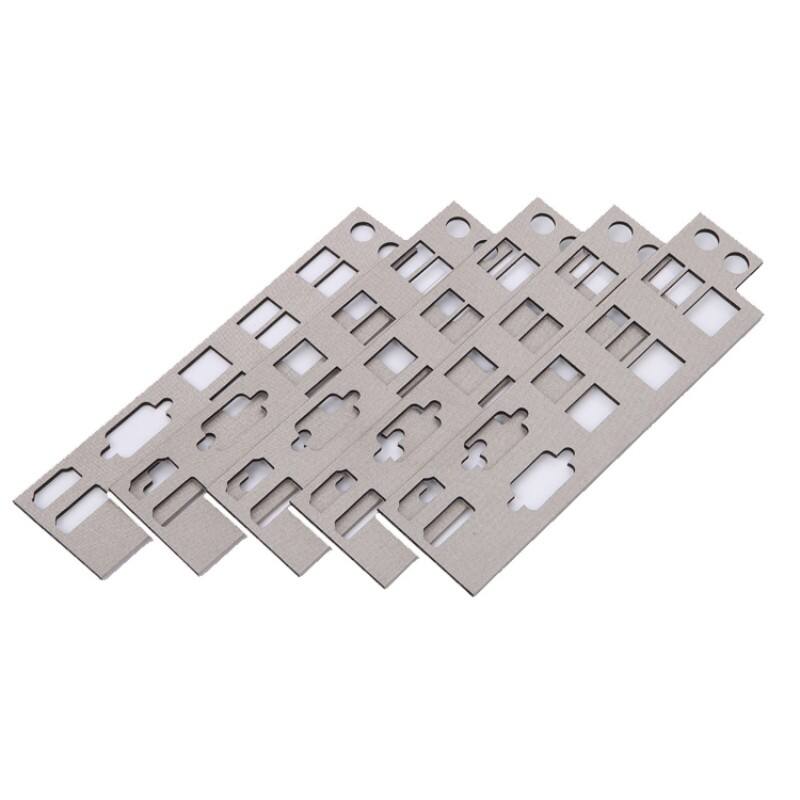
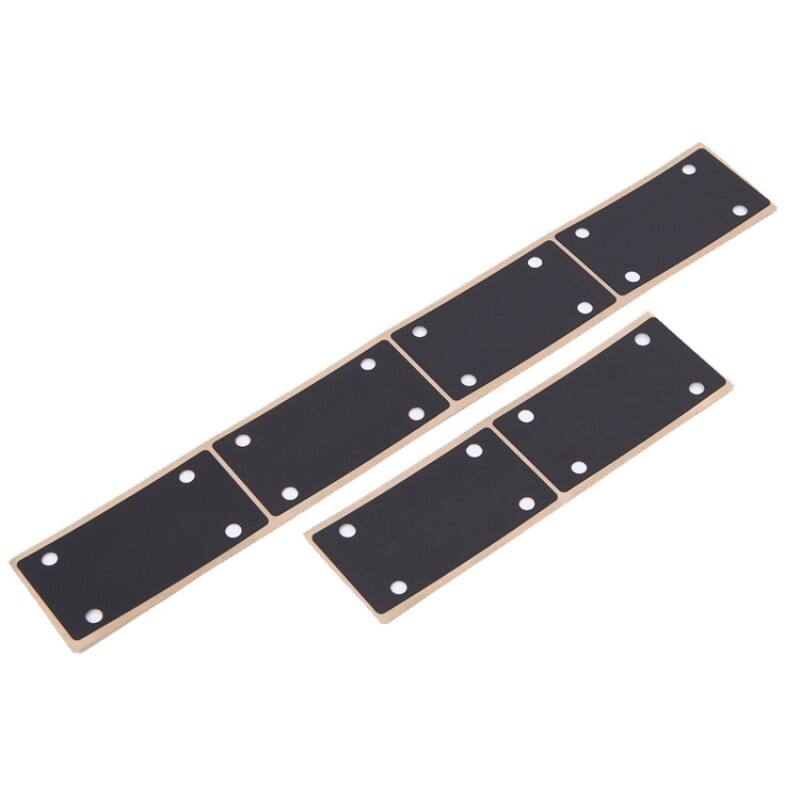
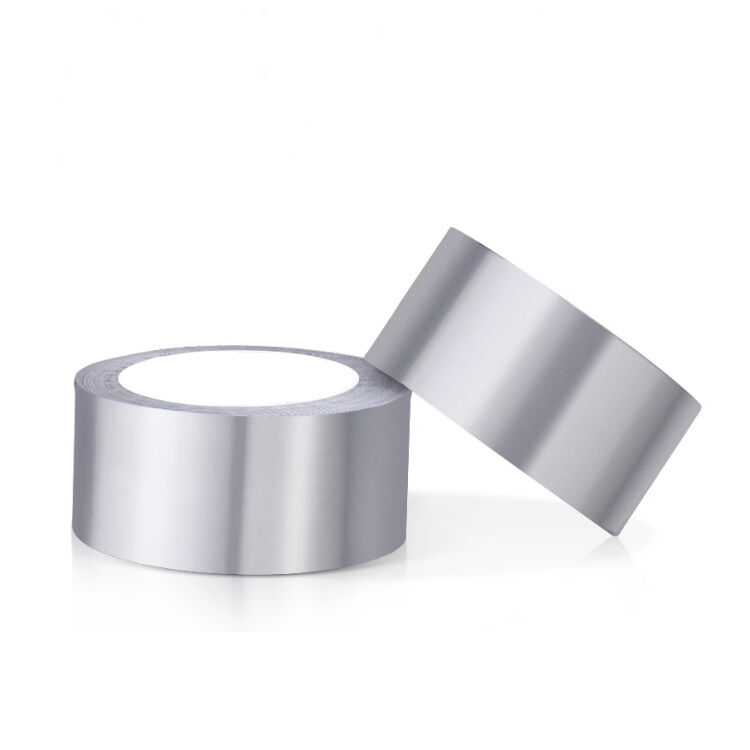
Selecting the right EMI gasket foam for high-frequency shielding applications requires a systematic evaluation of material properties, performance characteristics, and application-specific requirements. High-frequency electromagnetic interference presents unique challenges that demand specialized gasket solutions capable of maintaining effective shielding across broad frequency ranges while providing reliable environmental sealing. Understanding the critical selection criteria ensures optimal performance in demanding electronic applications where signal integrity and electromagnetic compatibility are paramount.
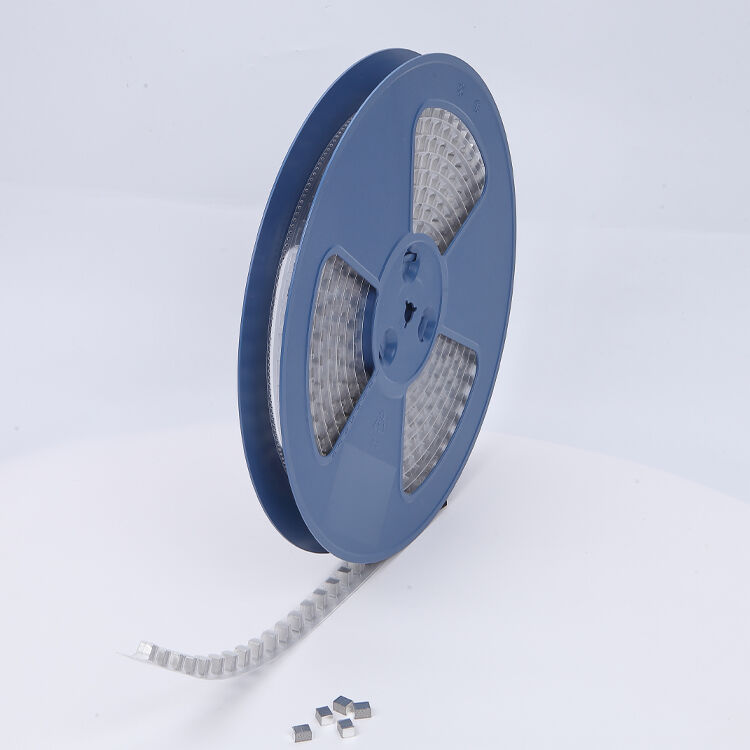
The complexity of high-frequency shielding demands careful consideration of multiple technical factors that influence gasket performance. Modern electronic systems operate across increasingly wide frequency spectrums, requiring EMI gasket foam solutions that maintain consistent shielding effectiveness from low frequencies through gigahertz ranges. The selection process must balance electrical performance requirements with mechanical properties, environmental resistance, and long-term reliability to ensure successful implementation in critical applications.
Understanding High-Frequency Shielding Requirements
Frequency Range Considerations
High-frequency shielding applications typically encompass frequencies from hundreds of megahertz to several gigahertz, presenting distinct challenges compared to lower frequency EMI protection. The effectiveness of EMI gasket foam at these frequencies depends heavily on the material's conductive network structure and the ability to maintain electrical continuity across joint interfaces. As frequency increases, skin depth effects become more pronounced, making surface conductivity and contact resistance critical performance factors.
The wavelength-to-gap ratio relationship becomes increasingly important at high frequencies, where small apertures can significantly compromise shielding effectiveness. EMI gasket foam must provide consistent compression and conformability to eliminate gaps that could act as slot antennas, allowing electromagnetic energy to penetrate enclosures. Understanding the specific frequency ranges of concern in your application helps determine the required shielding effectiveness levels and guides material selection decisions.
Shielding Effectiveness Specifications
Quantifying shielding effectiveness requirements involves analyzing the electromagnetic environment and establishing minimum attenuation levels needed for proper system operation. High-frequency applications often require shielding effectiveness values exceeding 60 dB across broad frequency ranges, demanding EMI gasket foam with proven performance at these levels. The measurement methodology and test conditions used to characterize shielding effectiveness significantly impact reported values and must align with application requirements.
Dynamic range considerations become critical when evaluating shielding effectiveness specifications, as measurement limitations can mask actual performance capabilities. The choice of EMI gasket foam must account for real-world installation conditions, compression levels, and surface finish variations that can affect achieved shielding performance. Establishing realistic performance expectations based on validated test data ensures successful application outcomes.
Critical Material Properties for Selection
Conductive Filler Systems
The conductive filler system forms the foundation of EMI gasket foam performance, directly influencing electrical conductivity, frequency response, and long-term stability. Silver-plated particles offer superior conductivity and oxidation resistance, making them ideal for demanding high-frequency applications where consistent performance is essential. The particle size distribution, loading level, and surface treatment of conductive fillers determine the material's ability to form effective conductive networks under compression.
Nickel-plated fillers provide cost-effective alternatives for many high-frequency shielding applications, offering good conductivity with enhanced durability compared to pure metal systems. The selection between different filler systems requires careful evaluation of performance requirements, environmental conditions, and cost constraints. Understanding how filler characteristics translate to application performance guides optimal material selection for specific high-frequency shielding requirements.
Base Polymer Selection
The base polymer matrix significantly impacts the mechanical properties, environmental resistance, and processing characteristics of EMI gasket foam materials. Silicone polymers excel in high-temperature applications and provide excellent compression set resistance, making them suitable for applications requiring long-term sealing integrity. The inherent flexibility and recovery properties of silicone-based EMI gasket foam ensure consistent electrical contact under dynamic loading conditions.
Polyurethane-based systems offer enhanced tear resistance and durability in applications subject to frequent handling or mechanical stress. The polymer selection must balance electrical performance requirements with mechanical property needs, considering factors such as compression force requirements, deflection ranges, and environmental exposure conditions. Matching polymer characteristics to application demands ensures optimal long-term performance of the EMI gasket foam solution.
Performance Evaluation Criteria
Electrical Contact Resistance
Contact resistance measurements provide critical insights into the electrical performance of EMI gasket foam under various compression conditions. Low contact resistance ensures effective current flow and minimizes reflection losses that can compromise shielding effectiveness at high frequencies. The relationship between compression force and contact resistance helps optimize gasket design and installation procedures for maximum performance.
Surface impedance characteristics become increasingly important at high frequencies where current distribution patterns affect overall shielding performance. EMI gasket foam materials must maintain low surface resistance across the operating frequency range while providing consistent electrical contact under varying compression levels. Understanding the impedance behavior helps predict real-world performance and guides selection decisions for critical applications.
Compression and Recovery Properties
The compression characteristics of EMI gasket foam directly influence both electrical and mechanical performance in high-frequency shielding applications. Optimal compression levels ensure effective electrical contact while avoiding over-compression that can damage the material or create stress concentration points. The force-deflection relationship must accommodate manufacturing tolerances and assembly variations while maintaining consistent performance.
Recovery properties determine the gasket's ability to maintain sealing effectiveness through multiple compression cycles and long-term exposure conditions. EMI gasket foam with excellent recovery characteristics provides consistent performance over extended service life, reducing maintenance requirements and ensuring reliable operation. Evaluating compression set resistance and recovery rates helps predict long-term application performance and guides material selection decisions.
Environmental and Application Factors
Temperature Performance Requirements
Temperature extremes can significantly impact the performance and reliability of EMI gasket foam in high-frequency applications. Operating temperature ranges must consider both the continuous exposure conditions and potential thermal cycling effects on material properties. High-temperature exposure can affect conductive filler distribution and polymer matrix properties, potentially compromising electrical performance over time.
Low-temperature brittleness becomes a concern in applications subject to extreme cold conditions, where EMI gasket foam must maintain flexibility and electrical contact integrity. The glass transition temperature of the base polymer system determines the useful low-temperature operating range and guides material selection for extreme environment applications. Understanding temperature effects on both electrical and mechanical properties ensures reliable performance across the specified operating range.
Chemical Compatibility and Durability
Chemical exposure can degrade EMI gasket foam performance through polymer degradation, filler migration, or loss of adhesive properties. Identifying potential chemical exposures in the application environment helps guide material selection and compatibility evaluation. Fluid resistance requirements must consider both direct contact and vapor exposure scenarios that could affect long-term performance.
UV exposure and ozone resistance become important factors in applications involving outdoor exposure or high-intensity lighting conditions. EMI gasket foam materials must resist degradation from environmental stressors while maintaining consistent electrical and mechanical properties throughout the service life. Comprehensive environmental testing helps validate material selection and ensures reliable long-term performance in demanding applications.
Installation and Design Considerations
Gasket Geometry and Sizing
Proper gasket geometry selection ensures optimal compression levels and electrical contact across the sealing interface. The relationship between gasket thickness, compression ratio, and contact area directly influences shielding effectiveness and sealing performance. EMI gasket foam geometry must accommodate manufacturing tolerances while providing consistent compression across the entire sealing surface.
Cross-sectional shape considerations include round, rectangular, and custom profiles designed for specific applications. The geometry selection affects compression characteristics, installation ease, and long-term sealing reliability. Understanding how gasket geometry influences performance helps optimize design parameters for maximum effectiveness in high-frequency shielding applications.
Surface Preparation and Installation Methods
Surface preparation requirements significantly impact the achieved performance of EMI gasket foam installations. Proper cleaning procedures remove contaminants that could interfere with electrical contact or adhesive bonding. Surface roughness specifications must balance the need for intimate contact with practical manufacturing tolerances and surface finish capabilities.
Installation methods including adhesive bonding, mechanical retention, and compression fitting each present unique advantages and limitations. The selected installation approach must ensure consistent gasket positioning and compression while accommodating assembly procedures and maintenance requirements. Proper installation techniques maximize the shielding effectiveness and reliability of EMI gasket foam solutions in high-frequency applications.
FAQ
What frequency range is considered high-frequency for EMI gasket foam applications?
High-frequency EMI gasket foam applications typically involve frequencies from 100 MHz to several GHz, though the exact definition varies by industry and application requirements. At these frequencies, traditional low-frequency shielding approaches may become less effective due to skin depth effects and impedance considerations that require specialized material properties and design approaches.
How does compression level affect the shielding effectiveness of EMI gasket foam?
Compression level directly impacts electrical contact resistance and shielding effectiveness, with optimal performance typically achieved at 25-50% compression. Under-compression can result in poor electrical contact and reduced shielding, while over-compression may damage the gasket material or create stress points that compromise long-term performance and sealing integrity.
Can EMI gasket foam maintain performance in outdoor high-frequency applications?
Properly selected EMI gasket foam can maintain performance in outdoor applications when formulated with UV-resistant polymers and appropriate environmental protection. However, outdoor exposure requires careful evaluation of temperature cycling, moisture ingress, and chemical exposure effects that may impact both electrical performance and mechanical properties over extended service periods.
What testing standards should be used to evaluate EMI gasket foam for high-frequency applications?
IEEE 299 and ASTM D4935 provide standardized test methods for evaluating shielding effectiveness, though application-specific testing may be required to validate performance under actual operating conditions. The selected test methodology should match the frequency range, material configuration, and compression conditions expected in the final application to ensure meaningful results.
Table of Contents
- Understanding High-Frequency Shielding Requirements
- Critical Material Properties for Selection
- Performance Evaluation Criteria
- Environmental and Application Factors
- Installation and Design Considerations
-
FAQ
- What frequency range is considered high-frequency for EMI gasket foam applications?
- How does compression level affect the shielding effectiveness of EMI gasket foam?
- Can EMI gasket foam maintain performance in outdoor high-frequency applications?
- What testing standards should be used to evaluate EMI gasket foam for high-frequency applications?
