
 EN
EN
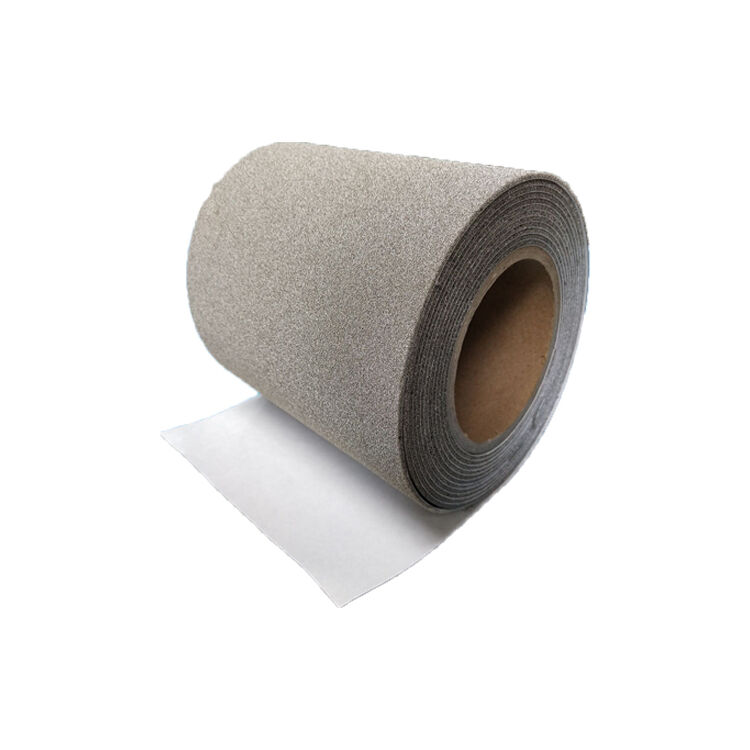
Outdoor LED lighting systems face a constant battle against environmental elements that can compromise their performance and longevity. Rain, humidity, temperature fluctuations, and airborne contaminants create challenging conditions that demand sophisticated protection mechanisms. The integration of a waterproof breathable membrane within LED enclosures represents a critical engineering solution that addresses multiple environmental challenges simultaneously, ensuring reliable operation and extended service life for outdoor lighting installations.
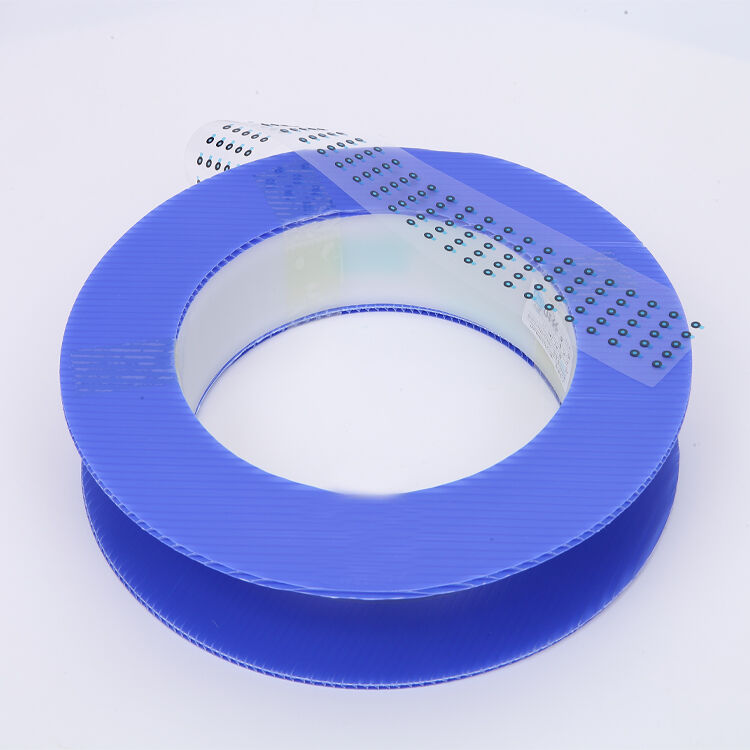
Understanding why a waterproof breathable membrane is essential requires examining the unique operational demands of outdoor LED systems. These lighting solutions generate internal heat during operation while simultaneously experiencing external temperature variations throughout day and night cycles. Without proper membrane protection, this thermal cycling creates pressure differentials that can force moisture into sensitive electronic components, leading to corrosion, short circuits, and premature failure of expensive LED systems.
Moisture Protection and Ingress Prevention
Primary Water Barrier Function
The fundamental role of a waterproof breathable membrane in outdoor LED enclosures centers on preventing liquid water penetration while maintaining critical vapor permeability. This dual functionality addresses the primary threat to LED longevity: moisture-induced damage to electronic components. The membrane acts as a molecular-level filter, blocking water droplets that measure thousands of times larger than water vapor molecules, ensuring complete protection against rain, snow, and direct water exposure.
Advanced waterproof breathable membrane technologies utilize microporous structures that create physical barriers against liquid water while allowing water vapor to pass through freely. This selective permeability prevents the accumulation of liquid moisture within the enclosure, which could otherwise cause catastrophic damage to LED drivers, circuit boards, and semiconductor components. The membrane's hydrophobic surface treatment further enhances water repellency, ensuring consistent protection even under prolonged exposure to harsh weather conditions.
Humidity Management and Condensation Control
Beyond preventing direct water ingress, a waterproof breathable membrane plays a crucial role in managing internal humidity levels within LED enclosures. Outdoor lighting systems experience significant temperature fluctuations that can cause internal condensation formation when warm, humid air contacts cooler internal surfaces. This condensation poses an equally serious threat to LED performance as external water intrusion, potentially causing corrosion of electrical connections and degradation of optical components.
The breathable nature of the membrane allows internal water vapor to escape naturally, preventing humidity buildup that leads to condensation formation. This vapor transmission capability maintains optimal internal atmospheric conditions, ensuring that LED components operate within their designed humidity specifications. Proper humidity control through membrane breathability extends component life significantly and maintains consistent light output quality over extended operational periods.
Pressure Equalization and Thermal Management
Preventing Seal Failure Through Pressure Relief
Temperature-induced pressure variations represent a significant challenge for outdoor LED enclosure integrity. As internal temperatures rise during operation and fall during cooling periods, the enclosed air volume expands and contracts accordingly. Without adequate pressure relief mechanisms, these pressure differentials can compromise gaskets, seals, and enclosure joints, creating potential entry points for moisture and contaminants.
A waterproof breathable membrane provides essential pressure equalization by allowing air movement while maintaining the enclosure's protective barrier. This pressure relief function prevents mechanical stress on sealing systems, ensuring long-term enclosure integrity. The membrane's ability to accommodate air volume changes without compromising water resistance makes it indispensable for maintaining reliable environmental protection throughout the LED system's operational life.
Heat Dissipation Enhancement
Effective thermal management is crucial for LED performance and longevity, as excessive heat degrades LED efficiency and accelerates component aging. While the primary heat dissipation occurs through designed thermal pathways, a waterproof breathable membrane contributes to overall thermal management by facilitating controlled air exchange. This air movement helps remove heat-laden air from the enclosure interior, supporting the overall cooling strategy.
The membrane's contribution to thermal management becomes particularly important in compact LED fixtures where space constraints limit traditional cooling methods. By enabling natural convection processes while maintaining environmental protection, the waterproof breathable membrane helps maintain optimal operating temperatures, ensuring consistent LED performance and maximizing system reliability.
Contamination Prevention and Air Quality Control
Particle Filtration and Environmental Protection
Outdoor environments expose LED enclosures to various airborne contaminants including dust, pollen, industrial pollutants, and salt spray in coastal areas. These particles can accumulate on LED surfaces, reducing light output efficiency and potentially causing long-term damage to optical and electronic components. A waterproof breathable membrane incorporates filtration capabilities that prevent particle ingress while maintaining necessary air exchange.
The microporous structure of quality waterproof breathable membrane materials effectively filters out particles larger than the membrane's pore size, typically blocking contaminants while allowing clean air circulation. This filtration capability maintains internal air quality, preventing the accumulation of corrosive or abrasive particles that could compromise LED performance over time. The protective function extends beyond moisture control to encompass comprehensive environmental protection.
Chemical Resistance and Pollutant Barrier
Modern outdoor environments often contain chemical pollutants that can accelerate LED component degradation through corrosive reactions or material compatibility issues. Industrial areas, urban environments, and coastal locations present unique chemical challenges that standard sealing methods may not adequately address. A specialized waterproof breathable membrane provides an additional barrier against harmful chemical exposure while maintaining essential vapor permeability.
The chemical resistance properties of advanced membrane materials protect LED components from exposure to acids, bases, solvents, and other reactive compounds commonly found in outdoor atmospheres. This protection is particularly crucial for LED drivers and electronic circuits, which are sensitive to chemical exposure. The membrane's selective permeability ensures that harmful chemicals are blocked while beneficial air exchange continues unimpeded.
Long-term Reliability and Maintenance Benefits
Extended Service Life and Performance Consistency
The integration of a waterproof breathable membrane directly correlates with extended LED system service life through multiple protection mechanisms. By preventing moisture ingress, controlling internal humidity, managing pressure variations, and filtering contaminants, the membrane addresses the primary failure modes that affect outdoor LED installations. This comprehensive protection translates into significantly reduced failure rates and more predictable performance over extended operational periods.
LED systems protected by quality waterproof breathable membrane technology typically demonstrate superior lumen maintenance characteristics, retaining higher percentages of initial light output over their operational life. This performance consistency results from the membrane's ability to maintain optimal internal conditions that support stable LED operation. The protection extends to all system components, including drivers, optics, and control electronics, ensuring comprehensive system reliability.
Reduced Maintenance Requirements and Operational Costs
Implementing waterproof breathable membrane protection significantly reduces maintenance requirements for outdoor LED installations. The membrane's protective functions minimize the frequency of component replacements, cleaning requirements, and system repairs typically associated with environmental exposure. This reduction in maintenance needs translates directly into lower operational costs and improved system availability.
The economic benefits of membrane protection extend beyond direct maintenance cost savings to include reduced system downtime, lower replacement part inventories, and decreased service call frequencies. These operational advantages make waterproof breathable membrane integration a cost-effective investment that provides both immediate protection and long-term economic benefits for outdoor LED installations.
FAQ
How does a waterproof breathable membrane differ from traditional sealing methods?
Unlike traditional rigid sealing methods that create completely closed systems, a waterproof breathable membrane provides selective permeability that blocks liquid water while allowing water vapor and air to pass through. This selective barrier function prevents the pressure buildup and condensation issues that commonly affect sealed enclosures, while maintaining superior water resistance compared to conventional sealing approaches.
What happens to LED performance without proper membrane protection?
LED systems without adequate waterproof breathable membrane protection typically experience accelerated degradation due to moisture ingress, condensation formation, and pressure-induced seal failures. This results in reduced light output, color shifting, increased failure rates, and significantly shortened operational life. The absence of proper membrane protection can reduce LED system life by 50% or more in challenging outdoor environments.
Can waterproof breathable membranes be retrofitted to existing LED installations?
Retrofitting existing LED installations with waterproof breathable membrane protection is possible but requires careful evaluation of the existing enclosure design and sealing systems. The retrofit process typically involves integrating membrane vents or panels into the existing enclosure structure while ensuring compatibility with the original design specifications. Professional assessment is recommended to ensure proper integration and maintained environmental protection ratings.
How long do waterproof breathable membranes maintain their effectiveness in outdoor applications?
Quality waterproof breathable membrane materials designed for outdoor applications typically maintain their protective properties for 10-15 years or more under normal environmental conditions. The membrane's longevity depends on factors including UV exposure, temperature extremes, chemical exposure, and mechanical stress. Regular inspection and replacement according to manufacturer recommendations ensures continued protection throughout the LED system's operational life.
Table of Contents
- Moisture Protection and Ingress Prevention
- Pressure Equalization and Thermal Management
- Contamination Prevention and Air Quality Control
- Long-term Reliability and Maintenance Benefits
-
FAQ
- How does a waterproof breathable membrane differ from traditional sealing methods?
- What happens to LED performance without proper membrane protection?
- Can waterproof breathable membranes be retrofitted to existing LED installations?
- How long do waterproof breathable membranes maintain their effectiveness in outdoor applications?
