
 EN
EN
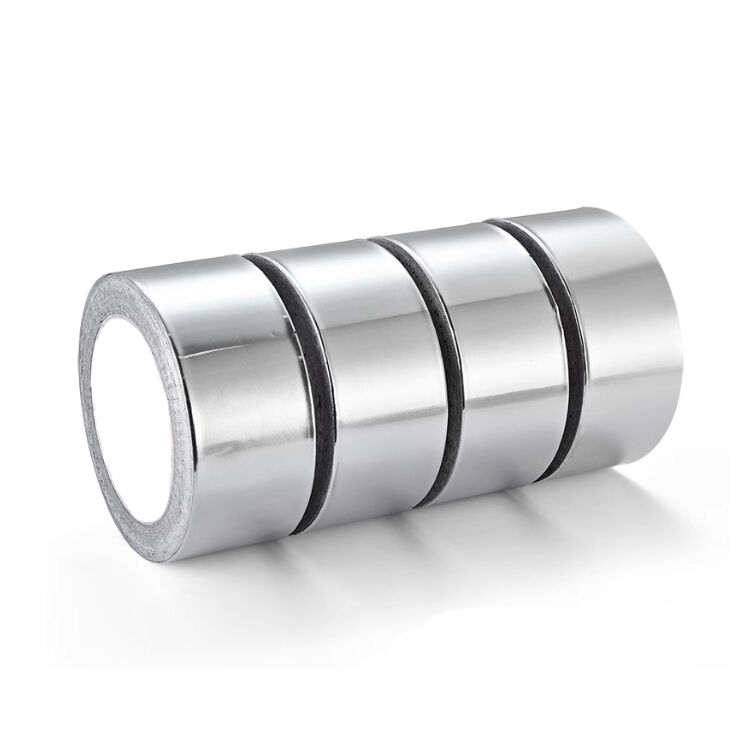
In today's electronics manufacturing landscape, protecting static-sensitive components has become a critical factor determining product reliability and manufacturing success. As electronic devices become increasingly sophisticated and miniaturized, their vulnerability to electrostatic discharge (ESD) damage continues to grow, making proper protection methods essential for maintaining quality and preventing costly failures. The question of why conductive foam has emerged as the industry standard for safeguarding these delicate components reveals a complex interplay of material science, practical application requirements, and economic considerations.
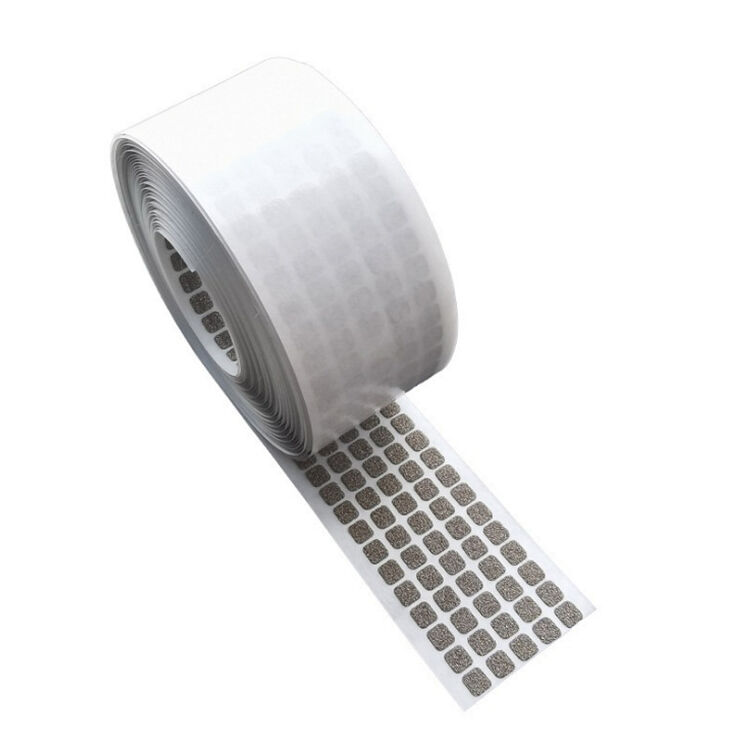
The widespread adoption of conductive foam as the preferred protection method stems from its unique ability to address multiple protection challenges simultaneously while maintaining cost-effectiveness and ease of implementation. Unlike alternative protection methods that may excel in one area while falling short in others, conductive foam delivers a comprehensive solution that meets the diverse demands of modern electronics manufacturing, storage, and transportation environments. This standardization has occurred because conductive foam consistently demonstrates superior performance across the critical factors that determine effective ESD protection in real-world applications.
Understanding the Science Behind Conductive Foam Protection
Electrostatic Discharge Fundamentals and Component Vulnerability
Electrostatic discharge represents one of the most persistent threats to electronic components, with damage occurring at voltage levels often imperceptible to human senses. Modern semiconductor devices, particularly those manufactured using advanced process technologies, exhibit sensitivity thresholds as low as 10-100 volts, while typical human activities can generate static charges exceeding 15,000 volts. This dramatic disparity between damage thresholds and environmental charge generation explains why specialized protection materials like conductive foam have become indispensable in electronics handling and storage applications.
The vulnerability of static-sensitive components extends beyond simple voltage considerations to include factors such as charge accumulation rate, discharge duration, and current pathway resistance. Components with smaller geometries and lower operating voltages demonstrate increased susceptibility to ESD events, requiring protection methods that can effectively manage charge dissipation while maintaining mechanical protection. Conductive foam addresses these requirements by providing controlled conductivity that allows gradual charge equalization rather than sudden discharge events that could damage sensitive junctions.
Material Properties That Enable Effective Protection
The effectiveness of conductive foam stems from its carefully engineered material properties that balance electrical conductivity with mechanical protection characteristics. The foam matrix typically incorporates conductive additives such as carbon black or metallic particles that create controlled electrical pathways throughout the material structure. This distributed conductivity ensures that static charges can dissipate gradually and safely, preventing the rapid discharge events that cause component damage while maintaining sufficient resistance to avoid short-circuiting sensitive circuits.
Surface resistivity measurements for quality conductive foam typically fall within the range of 10^4 to 10^6 ohms per square, providing the optimal balance between charge dissipation capability and circuit protection. This resistance range allows static charges to bleed off safely over time periods measured in seconds rather than microseconds, preventing the sudden current spikes associated with ESD damage. The foam's cellular structure contributes additional benefits by providing cushioning against mechanical shock while maintaining consistent electrical properties across varying environmental conditions.
Practical Advantages in Manufacturing and Storage Environments
Versatility Across Diverse Application Requirements
Manufacturing environments demand protection solutions that can accommodate diverse component geometries, handling procedures, and storage requirements without compromising efficiency or increasing complexity. Conductive foam excels in these applications because it can be easily fabricated into custom shapes, densities, and thicknesses to match specific component protection needs. This adaptability allows manufacturers to standardize on conductive foam across multiple product lines while maintaining optimal protection for components ranging from large circuit boards to tiny surface-mount devices.
The compressible nature of conductive foam provides secure retention for components of varying sizes within the same packaging system, eliminating the need for multiple protection materials or complex securing mechanisms. This versatility extends to temperature and humidity variations commonly encountered in manufacturing and storage environments, where conductive foam maintains consistent performance characteristics across operating ranges that would compromise other protection methods. The material's resistance to contamination and ease of cleaning further enhance its suitability for cleanroom and controlled environment applications.
Economic Benefits and Implementation Efficiency
Cost considerations play a crucial role in the widespread adoption of conductive foam, as the material delivers comprehensive protection capabilities at a fraction of the cost associated with alternative methods such as specialized packaging systems or active charge neutralization equipment. The simplicity of conductive foam implementation reduces training requirements, handling complexity, and potential error sources that could compromise component protection. Manufacturing facilities can implement conductive foam protection without significant infrastructure changes or specialized handling equipment, making it accessible to operations of all sizes.
Long-term economic advantages include the material's durability and reusability in many applications, reducing ongoing protection costs while maintaining consistent performance over extended periods. Conductive foam's resistance to degradation from repeated compression cycles and environmental exposure ensures reliable protection throughout the component lifecycle, from initial manufacturing through final assembly. This durability, combined with the material's ability to protect multiple component types simultaneously, creates significant cost advantages compared to component-specific protection methods.
Performance Superiority in Real-World Conditions
Consistent Protection Across Environmental Variables
Real-world operating conditions present numerous challenges that can compromise the effectiveness of static protection materials, including temperature fluctuations, humidity variations, and mechanical stress from handling and transportation. Conductive foam demonstrates exceptional stability across these environmental variables, maintaining its critical electrical properties while providing reliable mechanical protection regardless of ambient conditions. This consistency eliminates the need for conditional protection protocols or environment-specific material selections that complicate manufacturing and logistics operations.
Temperature cycling, which can cause dimensional changes and electrical property shifts in some materials, has minimal impact on properly formulated conductive foam. The material's cellular structure accommodates thermal expansion and contraction without compromising electrical pathways or mechanical integrity. Similarly, humidity variations that might affect surface conductivity in other materials are managed effectively by the distributed conductive network within conductive foam, ensuring reliable performance across the full range of storage and handling environments encountered in electronics manufacturing.
Reliability in Critical Protection Scenarios
The most demanding test of any static protection material occurs during critical handling operations where component exposure to ESD events could result in immediate failure or latent damage affecting long-term reliability. Conductive foam consistently demonstrates superior performance in these scenarios because it provides both active charge dissipation and physical isolation from potential charge sources. The material's ability to maintain electrical contact with component surfaces while preventing mechanical damage ensures comprehensive protection during the most vulnerable phases of component handling.
Field testing across diverse manufacturing environments has validated conductive foam's reliability in preventing both catastrophic failures and subtle degradation that might not be immediately apparent but could compromise long-term component performance. This proven track record has established conductive foam as the benchmark against which other protection methods are evaluated, contributing to its status as the industry standard for static-sensitive component protection. The material's consistent performance across different component technologies and manufacturing processes provides the reliability foundation necessary for quality-critical electronics production.
Integration with Modern Manufacturing Workflows
Compatibility with Automated Handling Systems
Modern electronics manufacturing increasingly relies on automated handling and processing systems that must maintain static protection throughout high-speed operations involving precise component placement and manipulation. Conductive foam integrates seamlessly with these automated systems because it provides consistent electrical properties and predictable mechanical behavior that automated equipment can reliably manage. The material's compressibility allows automated systems to achieve secure component retention without the precise force control required for rigid protection materials, simplifying system design and reducing maintenance requirements.
Robotic handling systems benefit from conductive foam's ability to maintain static protection during rapid movement and positioning operations that could generate significant static charges through air movement and mechanical friction. The material's distributed conductivity ensures that any charges generated during automated handling are safely dissipated before they can accumulate to dangerous levels. This protection capability extends to high-frequency operations where repeated component manipulation could otherwise create cumulative charge buildup that might overwhelm less effective protection methods.
Standardization Benefits Across Supply Chain Operations
Supply chain efficiency in electronics manufacturing depends heavily on standardized protection methods that can be implemented consistently across multiple facilities, suppliers, and distribution networks. Conductive foam's status as an industry standard facilitates this standardization by providing a common protection platform that suppliers and manufacturers can implement without extensive coordination or specialized training. This standardization reduces complexity in multi-source component procurement and enables flexible manufacturing strategies that might involve component processing across different facilities.
Quality assurance programs benefit significantly from conductive foam standardization because protection effectiveness can be validated using established test protocols and acceptance criteria that apply universally across different suppliers and manufacturing locations. This consistency eliminates variability in protection quality that could compromise component reliability or require extensive incoming inspection procedures. The widespread familiarity with conductive foam properties and handling requirements among electronics manufacturing personnel further reduces implementation risks and training costs associated with protection system deployment.
FAQ
What makes conductive foam more effective than anti-static bags for component protection?
Conductive foam provides superior protection compared to anti-static bags because it offers both active charge dissipation and mechanical protection simultaneously. While anti-static bags create a protective barrier around components, they can still allow charge accumulation on internal surfaces and provide limited protection against mechanical damage during handling. Conductive foam maintains direct electrical contact with component surfaces, ensuring immediate charge dissipation while cushioning against physical shock and vibration that could damage delicate components.
How long does conductive foam maintain its protective properties during storage?
High-quality conductive foam maintains its protective properties for several years when stored properly, with minimal degradation in electrical conductivity or mechanical performance. The material's cellular structure and conductive additive distribution remain stable under normal storage conditions, ensuring consistent protection throughout extended storage periods. Regular testing can verify continued effectiveness, but properly manufactured conductive foam typically exceeds the storage duration of the components it protects without requiring replacement.
Can conductive foam be safely reused for protecting different types of components?
Conductive foam can be safely reused for protecting different component types provided it maintains its structural integrity and cleanliness standards required for the application. The material should be inspected for compression set, contamination, or damage that could compromise its protective capabilities before reuse. Cleaning procedures appropriate for the specific foam formulation can restore surface cleanliness while preserving electrical properties, making reuse both economical and environmentally responsible for many applications.
What are the key specifications to verify when selecting conductive foam for critical applications?
Critical specification parameters for conductive foam selection include surface resistivity within the appropriate range for the application, compression characteristics that provide adequate cushioning without permanent deformation, and cleanliness levels compatible with the manufacturing environment. Additional considerations include temperature stability across the expected operating range, chemical compatibility with component materials and cleaning solvents, and compliance with industry standards such as EIA-541 for electrostatic discharge protection materials.
Table of Contents
- Understanding the Science Behind Conductive Foam Protection
- Practical Advantages in Manufacturing and Storage Environments
- Performance Superiority in Real-World Conditions
- Integration with Modern Manufacturing Workflows
-
FAQ
- What makes conductive foam more effective than anti-static bags for component protection?
- How long does conductive foam maintain its protective properties during storage?
- Can conductive foam be safely reused for protecting different types of components?
- What are the key specifications to verify when selecting conductive foam for critical applications?
