
 EN
EN
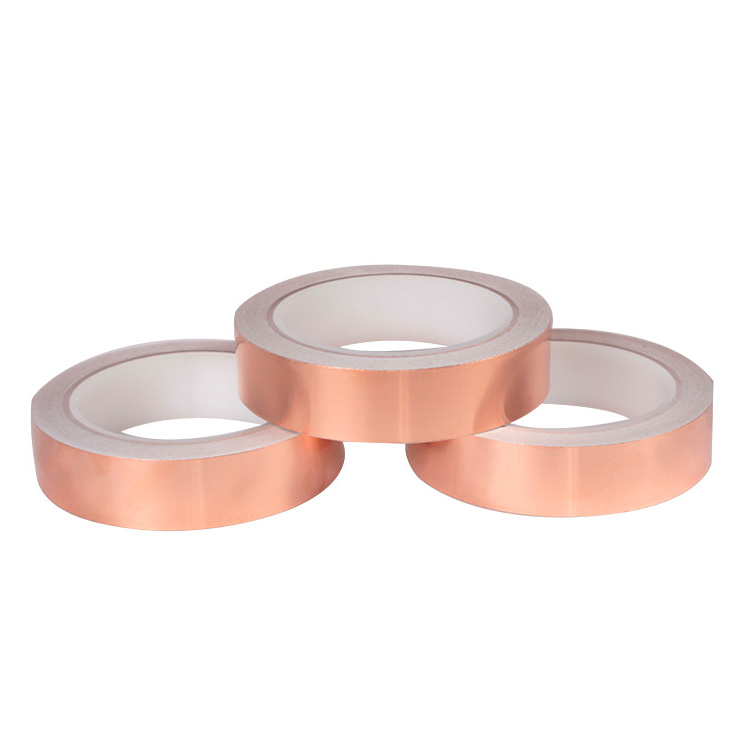
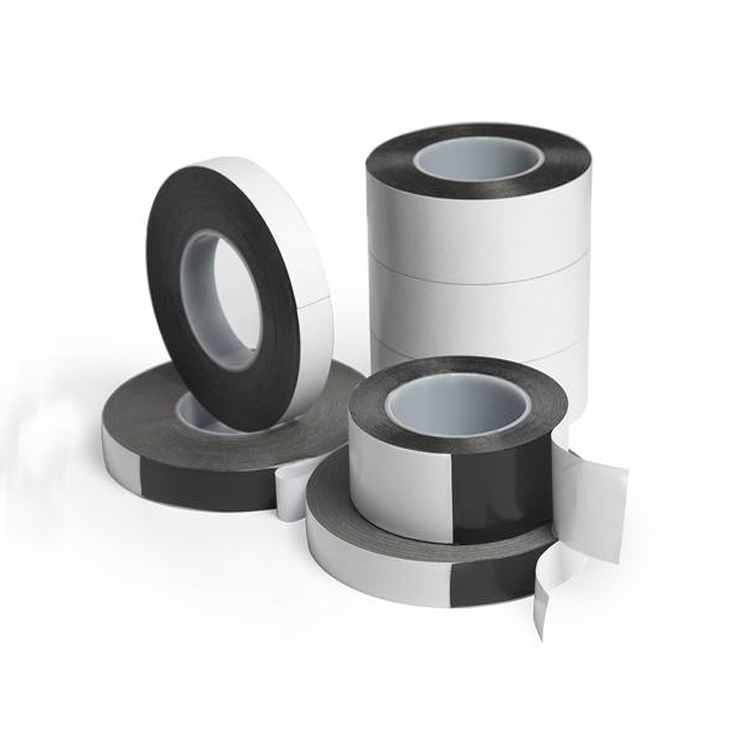
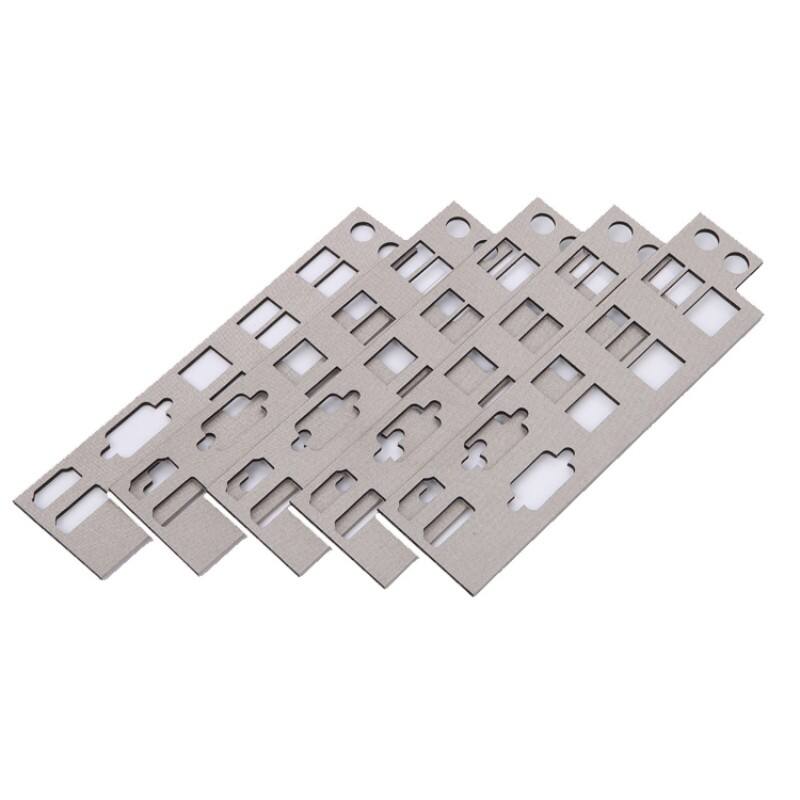
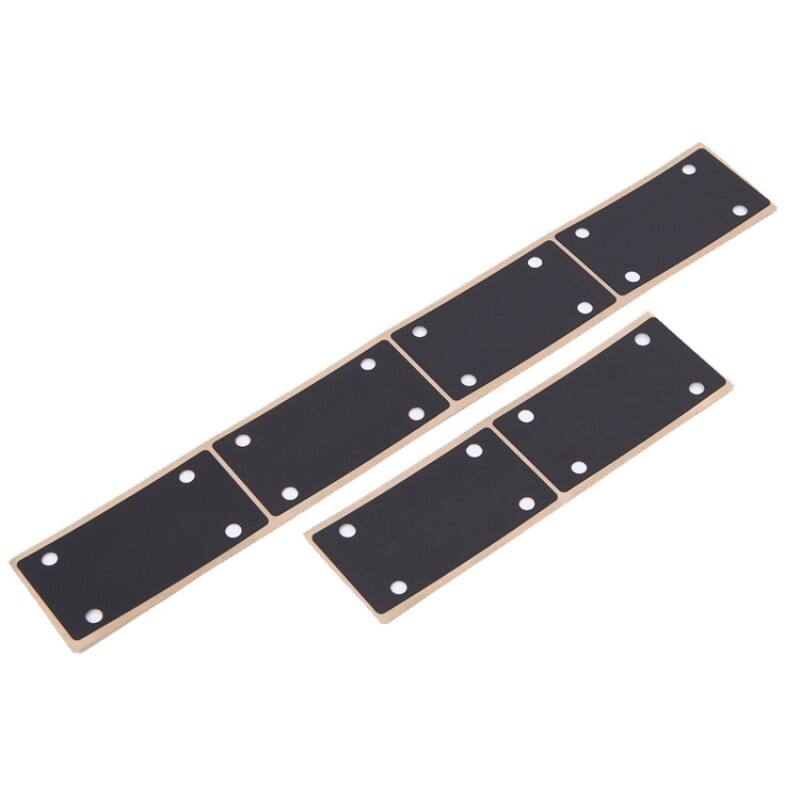
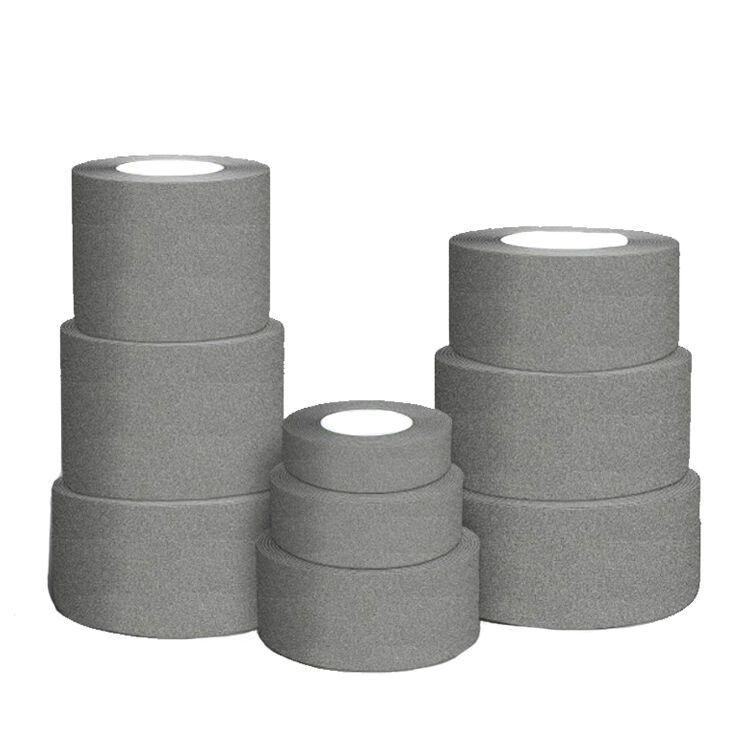
Crosstalk interference poses one of the most persistent challenges in modern electronic circuit design, particularly as circuit density increases and operating frequencies climb higher. When unwanted signals from one circuit path interfere with adjacent pathways, the resulting crosstalk can degrade signal integrity, introduce noise, and compromise overall system performance. Understanding how EMI shielding tape addresses this fundamental issue requires examining both the electromagnetic mechanisms behind crosstalk and the specific protective properties that make shielding tape an effective countermeasure in complex circuit environments.
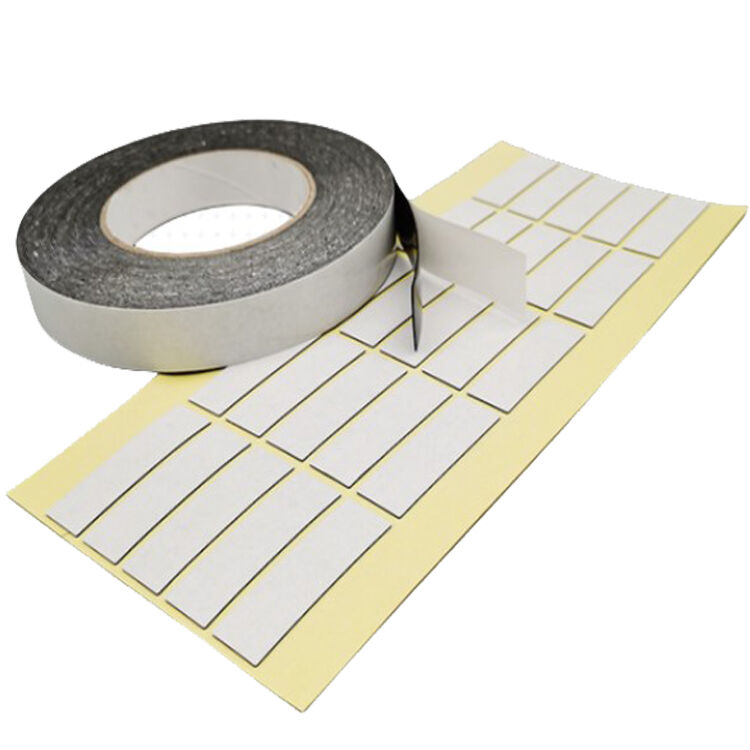
The effectiveness of EMI shielding tape in reducing crosstalk stems from its ability to create controlled electromagnetic barriers that prevent unwanted signal coupling between circuit elements. Unlike passive isolation methods that rely solely on physical separation, EMI shielding tape actively intercepts and redirects electromagnetic energy through conductive pathways, establishing a protective envelope around sensitive circuit sections. This active electromagnetic management becomes particularly critical in high-density circuit boards where traditional spacing limitations make physical isolation impractical, and where multiple signal paths must coexist within confined spaces without mutual interference.
Electromagnetic Coupling Mechanisms and Crosstalk Formation
Capacitive Coupling in High-Frequency Circuits
Capacitive coupling represents the primary mechanism through which crosstalk develops between adjacent circuit traces, particularly at higher frequencies where even small parasitic capacitances can create significant interference pathways. When voltage signals change rapidly on one trace, the resulting electric field extends into surrounding space and can induce corresponding voltage changes on nearby conductors through capacitive coupling effects. EMI shielding tape interrupts this coupling mechanism by providing a grounded conductive barrier that intercepts the electric field lines before they can reach adjacent circuit elements.
The effectiveness of EMI shielding tape against capacitive coupling depends heavily on its positioning and grounding configuration within the circuit layout. Properly installed shielding tape creates a Faraday cage effect around the source trace, containing the electric field within the shielded region and preventing it from extending to neighboring circuits. This containment becomes particularly important in multilayer circuit boards where traces on different layers can experience significant capacitive coupling through the substrate material, and where EMI shielding tape can provide layer-to-layer isolation that complements traditional ground plane strategies.
The frequency response characteristics of EMI shielding tape play a crucial role in determining its effectiveness against capacitive coupling across different operating ranges. High-quality shielding tape maintains consistent performance from DC through microwave frequencies, ensuring that both fundamental signal components and higher-order harmonics receive adequate protection. This broad-spectrum performance becomes essential in complex circuits that handle multiple frequency bands simultaneously, where crosstalk prevention must address interference across the entire spectral range rather than focusing on specific frequency windows.
Inductive Coupling and Magnetic Field Containment
Inductive coupling creates another significant source of crosstalk when current-carrying conductors generate magnetic fields that induce voltages in nearby circuit loops. Unlike capacitive coupling, which primarily affects voltage-based signals, inductive coupling directly impacts current flow patterns and can create ground loop problems that propagate throughout the circuit system. EMI shielding tape addresses inductive coupling through its magnetic shielding properties, which depend on both the material composition and the thickness of the conductive layer.
The magnetic shielding effectiveness of EMI shielding tape relies on eddy current formation within the conductive layer, which creates opposing magnetic fields that cancel the original interference. This mechanism works most effectively when the shielding tape completely surrounds the interference source, creating a closed magnetic circuit that provides maximum flux containment. In practical applications, this often requires careful attention to seam overlap and connection details to ensure continuous conductive paths that maintain shielding integrity across the entire protected region.
Temperature stability becomes a critical factor in maintaining consistent magnetic shielding performance, particularly in circuits that experience significant thermal cycling during operation. High-quality EMI shielding tape maintains its conductive properties across wide temperature ranges, ensuring that magnetic shielding effectiveness remains stable even under demanding environmental conditions. This thermal stability becomes particularly important in automotive and industrial applications where circuits must operate reliably across extreme temperature variations while maintaining consistent crosstalk protection.
Physical Barrier Implementation and Signal Isolation
Trace Separation and Geometric Isolation
The geometric placement of EMI shielding tape creates physical barriers that fundamentally alter the electromagnetic field distribution around circuit traces, effectively increasing the electrical isolation distance beyond what physical spacing alone can achieve. When properly positioned between potential interference sources and sensitive circuits, shielding tape creates a controlled impedance environment that redirects electromagnetic energy along predictable paths rather than allowing random coupling between circuit elements. This geometric control becomes particularly valuable in compact circuit designs where physical constraints limit the available spacing between critical signal paths.
The three-dimensional nature of electromagnetic field propagation requires careful consideration of shielding tape placement in all spatial dimensions, not just the immediate vicinity of circuit traces. Vertical separation between circuit layers can benefit significantly from strategic EMI shielding tape placement, particularly in multilayer boards where interlayer crosstalk can create complex interference patterns that are difficult to predict and control through layout optimization alone. The tape's conformable nature allows it to follow complex geometric contours while maintaining consistent electromagnetic barrier properties throughout the protected region.
Edge effects and field fringing represent common challenges in achieving complete electromagnetic isolation, particularly at the boundaries of shielded regions where field lines can wrap around the edges of finite shielding structures. EMI shielding tape addresses these challenges through proper overlap techniques and grounding strategies that ensure continuous electromagnetic containment even at region boundaries. The adhesive backing of quality shielding tape facilitates reliable mechanical attachment that maintains consistent electromagnetic contact even under vibration and thermal stress conditions.
Impedance Control and Signal Integrity Enhancement
Beyond simple electromagnetic isolation, EMI shielding tape contributes to overall signal integrity by providing controlled impedance environments that help maintain consistent signal transmission characteristics. When placed in proximity to high-speed digital traces, shielding tape can act as a reference conductor that helps stabilize the characteristic impedance of the transmission line, reducing impedance discontinuities that can cause signal reflections and timing variations. This impedance control function becomes particularly important in differential pair routing where slight asymmetries can degrade signal quality and increase susceptibility to crosstalk interference.
The dielectric properties of EMI shielding tape substrate materials influence the overall impedance environment around protected circuits, requiring careful consideration of both the conductive layer properties and the underlying support structure. Modern EMI shielding tape designs optimize both the electromagnetic shielding performance and the dielectric characteristics to provide comprehensive signal integrity enhancement rather than addressing only the immediate electromagnetic interference concerns. This holistic approach ensures that crosstalk reduction measures do not inadvertently create other signal integrity problems such as impedance mismatches or excessive signal attenuation.
Ground reference stability represents another critical aspect of signal integrity that benefits from proper EMI shielding tape implementation. By providing additional ground reference points and reducing ground impedance variations, strategically placed shielding tape can help stabilize the voltage reference levels that determine signal threshold detection accuracy. This ground reference enhancement becomes particularly valuable in mixed-signal circuits where analog and digital sections must coexist without mutual interference, and where stable reference voltages are essential for maintaining overall system performance.
Frequency-Dependent Shielding Performance
Low-Frequency Magnetic Field Attenuation
At lower frequencies, typically below several megahertz, magnetic field shielding becomes the dominant mechanism for crosstalk prevention, and EMI shielding tape performance depends primarily on the material properties and thickness of the conductive layer. Magnetic shielding effectiveness at these frequencies follows predictable relationships based on skin depth calculations, where thicker conductive layers provide enhanced attenuation of magnetic field components. The permeability characteristics of the shielding material also influence low-frequency magnetic field attenuation, with higher permeability materials providing enhanced magnetic flux guidance and containment.
The frequency transition region where magnetic shielding mechanisms begin to dominate over electric field shielding represents a critical design consideration for EMI shielding tape selection and placement. Different circuit applications may emphasize different frequency ranges, requiring careful matching of shielding tape characteristics to the specific frequency spectrum of concern. Power supply circuits, for example, typically generate interference components across a wide frequency range starting from the fundamental switching frequency and extending through multiple harmonics, requiring EMI shielding tape solutions that provide consistent performance across this extended spectrum.
Ground plane interaction effects become particularly important at lower frequencies where the wavelength of electromagnetic energy approaches or exceeds the physical dimensions of the shielding structure. EMI shielding tape must integrate effectively with existing ground plane structures to ensure that magnetic field shielding remains effective even when the physical size of the shielded region becomes electrically small compared to the operating wavelength. This integration often requires careful attention to grounding techniques and connection methods that maintain low-impedance paths between the shielding tape and the main circuit ground reference.
High-Frequency Electric Field Containment
As operating frequencies increase into the radio frequency range, electric field shielding mechanisms become increasingly dominant, and EMI shielding tape effectiveness depends more heavily on surface conductivity and continuity rather than bulk material properties. At these higher frequencies, even relatively thin conductive layers can provide excellent electric field shielding provided that the surface resistance remains sufficiently low and that conductive continuity is maintained across the entire shielded surface. The skin effect phenomenon concentrates current flow near the conductor surface, making surface preparation and connection quality critical factors in maintaining high-frequency shielding effectiveness.
Resonance effects within shielding structures can create unexpected performance variations at specific frequencies, particularly when the physical dimensions of the shielded enclosure approach fractional wavelengths of the operating frequency. EMI shielding tape applications must consider these potential resonance issues and incorporate design techniques that minimize resonant enhancement of electromagnetic fields within the shielded region. This often involves careful attention to the aspect ratios of shielded volumes and the use of resistive loading techniques that dampen resonant oscillations.
The transition from near-field to far-field electromagnetic propagation characteristics affects EMI shielding tape performance in ways that depend strongly on the distance between the interference source and the shielding barrier. In the near-field region, where most circuit-level crosstalk problems occur, the impedance relationship between electric and magnetic field components differs significantly from free-space propagation, requiring shielding solutions that address both field components effectively. EMI shielding tape designs must account for these near-field effects to ensure consistent crosstalk reduction across all relevant frequency ranges and geometric configurations.
Installation Techniques and Effectiveness Optimization
Surface Preparation and Adhesion Quality
The electromagnetic effectiveness of EMI shielding tape depends critically on achieving consistent, low-resistance contact with the underlying circuit surfaces, making surface preparation a fundamental requirement for optimal performance. Contamination from flux residues, oxidation layers, or organic films can create high-resistance interfaces that significantly degrade shielding effectiveness, particularly at higher frequencies where even small resistance increases can compromise performance. Proper surface preparation typically involves solvent cleaning followed by light abrasion to remove oxide layers and create a clean, conductive surface for tape adhesion.
The mechanical pressure applied during EMI shielding tape installation affects both the initial contact resistance and the long-term reliability of the electromagnetic barrier. Insufficient pressure can result in air gaps or poor conformance to surface irregularities, creating electromagnetic leakage paths that compromise crosstalk reduction effectiveness. Conversely, excessive pressure can damage the conductive layer or create stress concentrations that lead to premature failure under thermal cycling or mechanical vibration conditions.
Environmental factors such as humidity, temperature, and chemical exposure during installation can significantly impact the quality of the bond between EMI shielding tape and circuit surfaces. High humidity conditions can promote oxidation or create moisture films that interfere with proper adhesion, while temperature extremes can affect both the flow characteristics of the adhesive and the conformability of the tape substrate. Professional installation techniques account for these environmental factors through appropriate timing, environmental controls, and verification procedures that ensure consistent performance across varying conditions.
Overlap and Continuity Management
Electromagnetic continuity across tape joints and overlaps represents one of the most critical aspects of EMI shielding tape installation, as discontinuities at these interfaces can create significant electromagnetic leakage paths that compromise overall shielding effectiveness. Proper overlap techniques require sufficient mechanical overlap distance combined with adequate contact pressure to ensure low-resistance electrical continuity across the joint interface. The overlap region must maintain consistent conductive contact even under mechanical stress or thermal expansion conditions that might otherwise cause separation or resistance increases.
Corner treatment and three-dimensional transitions present particular challenges for maintaining electromagnetic continuity, especially in applications where EMI shielding tape must follow complex geometric contours or transition between different surface orientations. Specialized folding and overlapping techniques help ensure that electromagnetic barriers remain intact even at these challenging transition points. The conformable nature of quality EMI shielding tape facilitates these complex installations while maintaining consistent electromagnetic properties throughout the protected region.
Verification of electromagnetic continuity requires measurement techniques that can detect high-resistance joints or discontinuities that might not be apparent through visual inspection alone. Resistance measurements across joints and overlaps help ensure that the installed EMI shielding tape provides the expected electromagnetic barrier properties. These verification procedures become particularly important in critical applications where crosstalk reduction performance must meet stringent specifications and where installation quality directly impacts system-level electromagnetic compatibility.
FAQ
How much crosstalk reduction can EMI shielding tape typically provide in high-density circuit boards?
EMI shielding tape typically provides 20-40 dB of crosstalk reduction in high-density circuit applications, depending on the frequency range, tape quality, and installation technique. At frequencies below 100 MHz, well-installed shielding tape commonly achieves 30-50 dB attenuation, while performance at gigahertz frequencies typically ranges from 20-35 dB. The actual reduction depends heavily on proper grounding, complete coverage, and maintaining electromagnetic continuity across all joints and overlaps.
What factors determine the optimal width and placement of EMI shielding tape for crosstalk prevention?
The optimal width should extend at least 2-3 times the trace width on each side of the protected circuit, with wider coverage providing better performance up to practical installation limits. Placement should create complete electromagnetic barriers between interference sources and sensitive circuits, typically positioned as close as possible to the source while maintaining adequate clearance for component placement and thermal management. The tape should extend beyond the physical length of the protected traces to prevent field fringing effects at the ends.
Can EMI shielding tape effectively reduce crosstalk between different layers in multilayer PCBs?
Yes, EMI shielding tape can significantly reduce interlayer crosstalk when properly integrated with the multilayer PCB stack-up design. The tape works most effectively when placed on outer layers with proper grounding connections that tie into the internal ground planes. For maximum effectiveness, the shielding tape should create continuous electromagnetic barriers that complement existing ground plane structures rather than creating isolated shields that might generate their own electromagnetic compatibility issues.
How does temperature cycling affect the long-term crosstalk reduction performance of EMI shielding tape?
High-quality EMI shielding tape maintains consistent crosstalk reduction performance across temperature ranges from -40°C to +125°C, with minimal degradation over hundreds of thermal cycles. The adhesive system and conductive layer must both maintain their properties under thermal stress to preserve electromagnetic continuity. Poor-quality tapes may experience adhesive failure, conductive layer cracking, or dimensional changes that create electromagnetic discontinuities and significantly reduce crosstalk protection effectiveness over time.
Table of Contents
- Electromagnetic Coupling Mechanisms and Crosstalk Formation
- Physical Barrier Implementation and Signal Isolation
- Frequency-Dependent Shielding Performance
- Installation Techniques and Effectiveness Optimization
-
FAQ
- How much crosstalk reduction can EMI shielding tape typically provide in high-density circuit boards?
- What factors determine the optimal width and placement of EMI shielding tape for crosstalk prevention?
- Can EMI shielding tape effectively reduce crosstalk between different layers in multilayer PCBs?
- How does temperature cycling affect the long-term crosstalk reduction performance of EMI shielding tape?
