waterproof breathable membrane
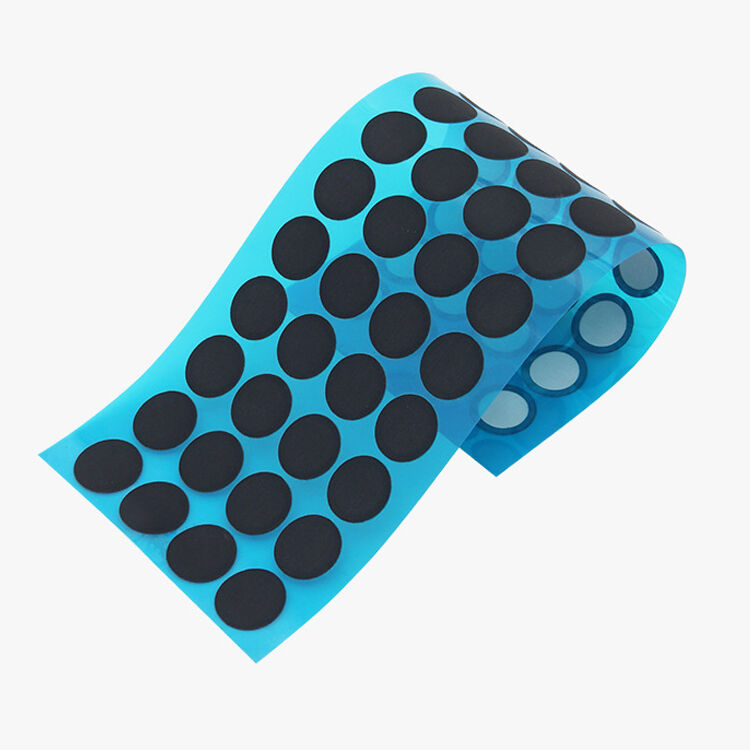
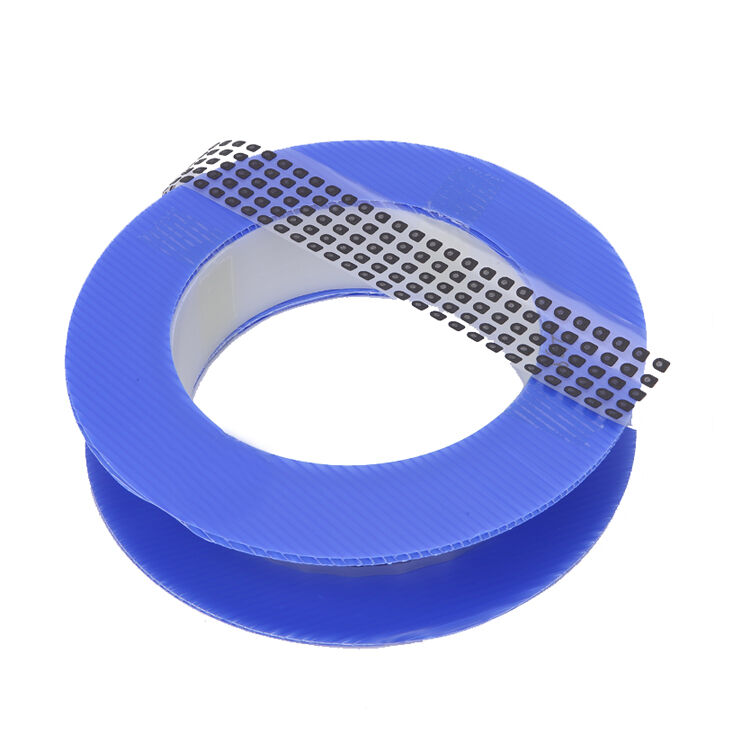
A waterproof breathable membrane represents a revolutionary advancement in material science, combining seemingly contradictory properties to create a protective barrier that blocks liquid water while allowing water vapor to pass through. This innovative technology has transformed numerous industries by providing essential protection against moisture ingress while maintaining comfortable breathability for users. The waterproof breathable membrane functions through microscopic pores that are smaller than water droplets but larger than water vapor molecules, creating selective permeability that offers the best of both worlds. The primary function of these membranes centers on moisture management, preventing external water from penetrating through the material while simultaneously allowing internal moisture vapor to escape. This dual functionality proves crucial in applications where maintaining dryness and comfort is paramount. Technologically, these membranes utilize advanced polymer chemistry and precise manufacturing processes to achieve their unique characteristics. The most common materials include polytetrafluoroethylene (PTFE), polyurethane, and specialized copolymers engineered for optimal performance. The pore structure within the waterproof breathable membrane is carefully controlled during production, typically featuring billions of microscopic pores per square inch. These pores measure approximately 0.1 to 0.2 microns in diameter, which is roughly 20,000 times smaller than a water droplet but 700 times larger than a water vapor molecule. Applications for waterproof breathable membranes span diverse industries including outdoor apparel, footwear, medical textiles, building construction, and protective equipment. In clothing applications, these membranes are laminated or bonded to fabric layers to create garments that keep wearers dry during rain while preventing overheating from trapped perspiration. Construction applications utilize larger-scale membranes for building envelope protection, creating barriers that prevent water infiltration while allowing buildings to breathe naturally and avoid moisture-related problems such as mold growth and structural damage.



 EN
EN