newest waterproof breathable membrane
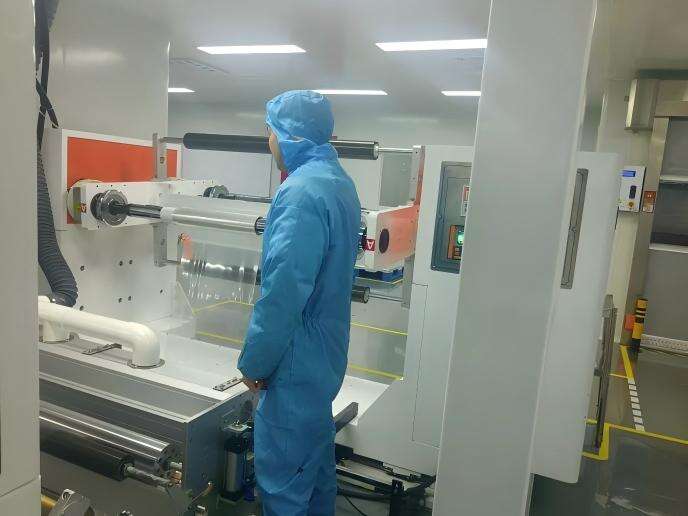
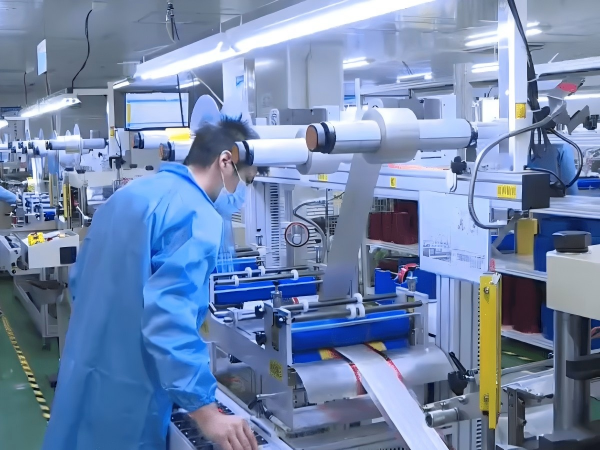
The newest waterproof breathable membrane represents a groundbreaking advancement in textile technology, combining superior moisture protection with exceptional breathability performance. This innovative membrane utilizes cutting-edge microporous structure engineering to create billions of microscopic pores that are significantly smaller than water droplets yet larger than water vapor molecules. The newest waterproof breathable membrane delivers outstanding hydrostatic pressure resistance exceeding 20,000mm while maintaining moisture vapor transmission rates above 15,000g/m²/24hr. The membrane incorporates advanced polymer chemistry featuring fluorine-free construction that eliminates environmental concerns while enhancing durability. Its multi-layered architecture includes a protective outer coating, functional microporous core, and adhesive backing system optimized for various fabric substrates. The newest waterproof breathable membrane demonstrates remarkable flexibility across temperature ranges from -40°C to +80°C without compromising performance characteristics. Manufacturing processes utilize precision casting techniques ensuring consistent pore distribution and membrane thickness uniformity. Applications span outdoor recreation gear including jackets, pants, gloves, and footwear where weather protection remains critical. Industrial applications encompass protective workwear, medical textiles, and military equipment requiring reliable barrier properties. The newest waterproof breathable membrane excels in sporting goods manufacturing, particularly for skiing, mountaineering, and cycling apparel where comfort and protection intersect. Automotive applications include convertible tops, seat covers, and interior components benefiting from moisture management capabilities. Construction industry utilizes this membrane for building wraps, roofing underlayments, and weatherization materials. The newest waterproof breathable membrane offers enhanced UV stability preventing degradation from prolonged sun exposure. Chemical resistance properties protect against common solvents, oils, and cleaning agents encountered in various environments. Quality control measures include standardized testing protocols ensuring consistent performance across production batches.




 EN
EN