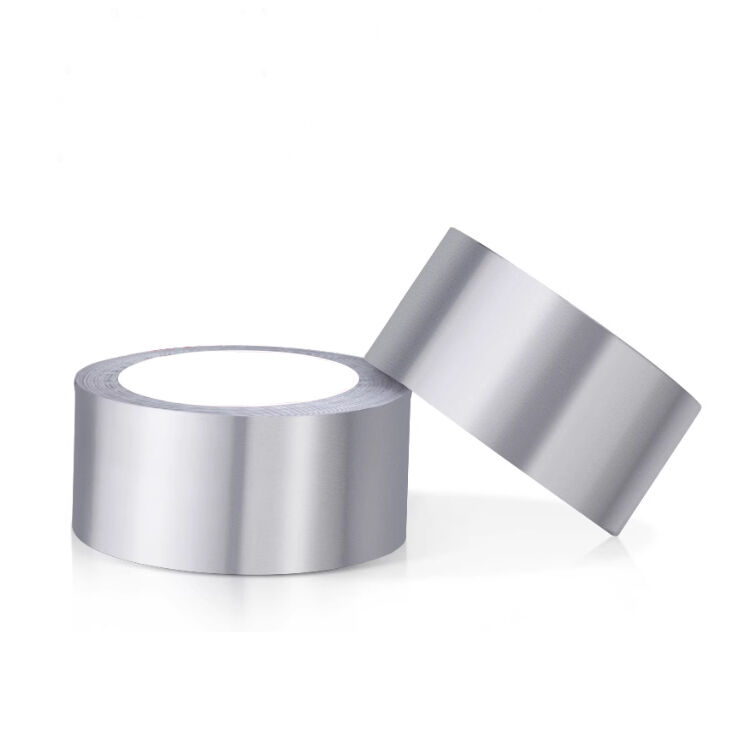
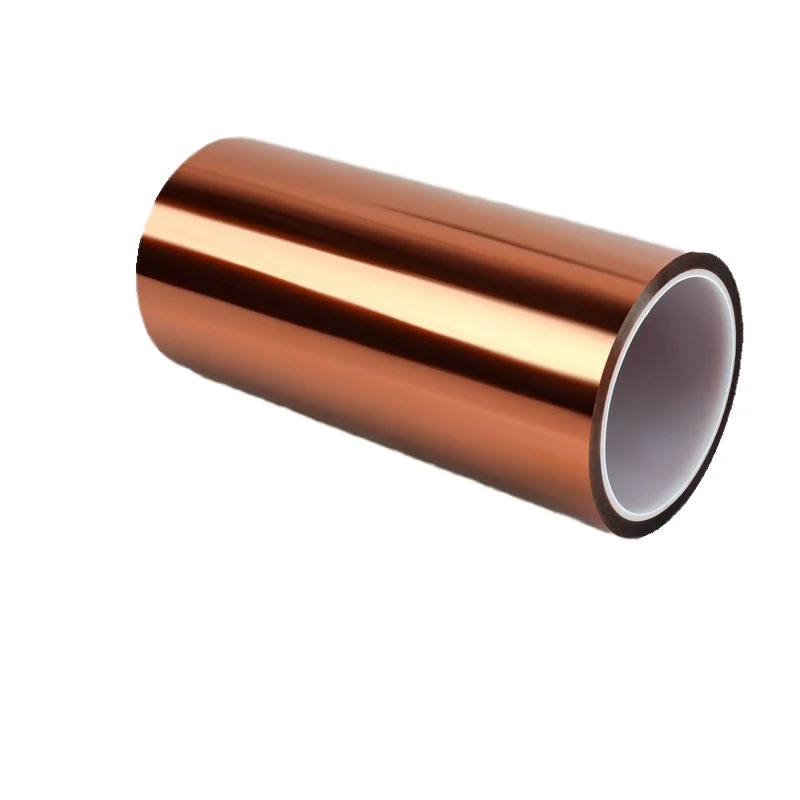
rfi shielding materials
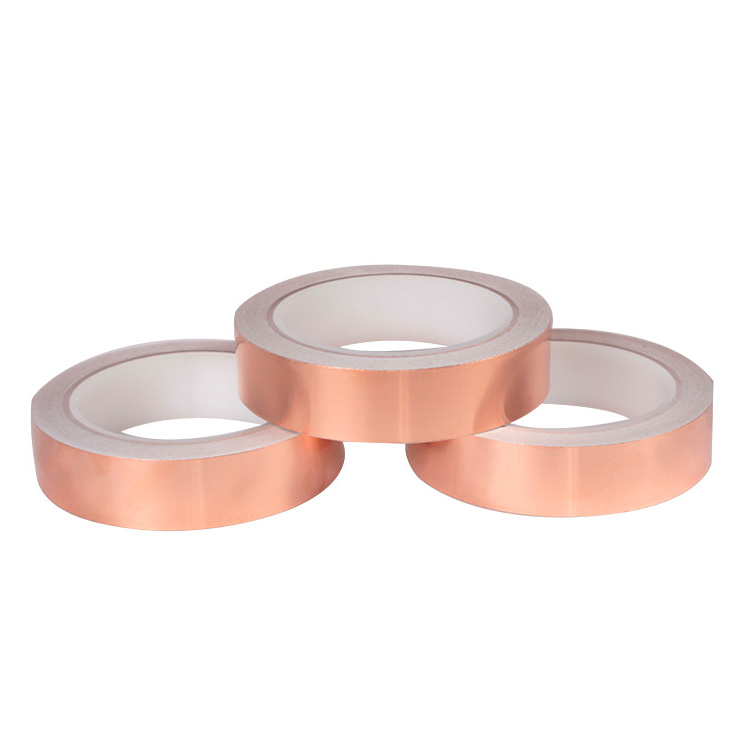
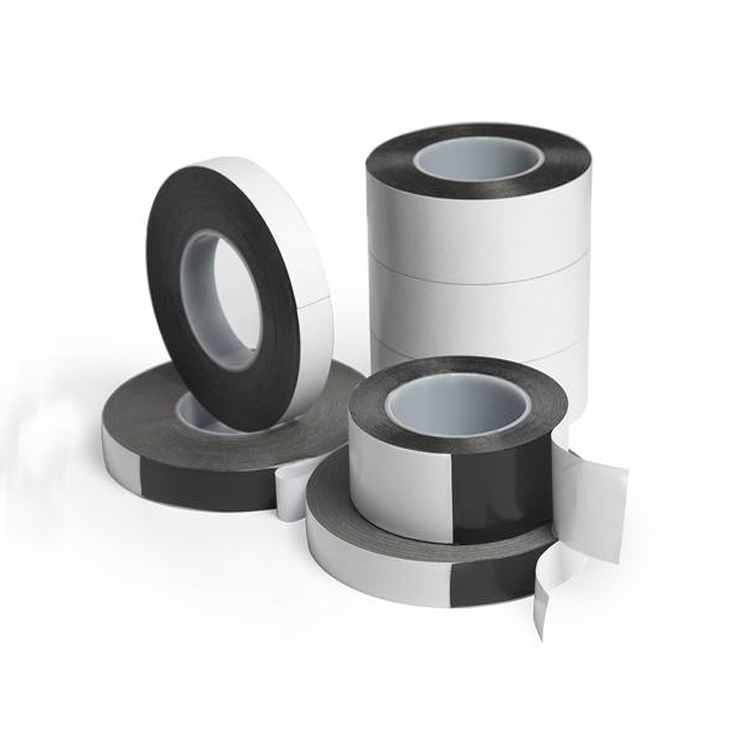
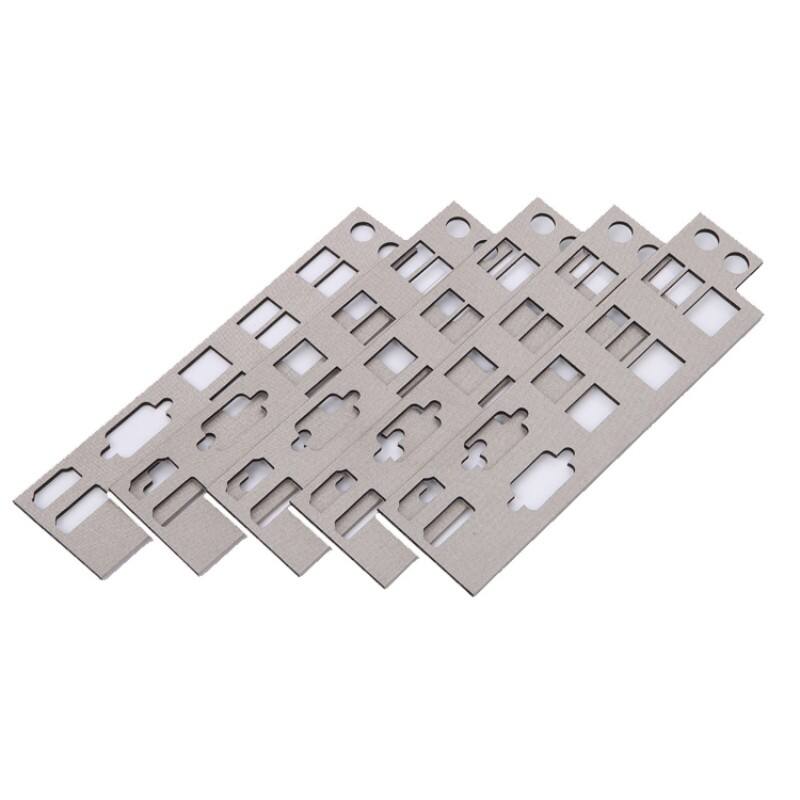
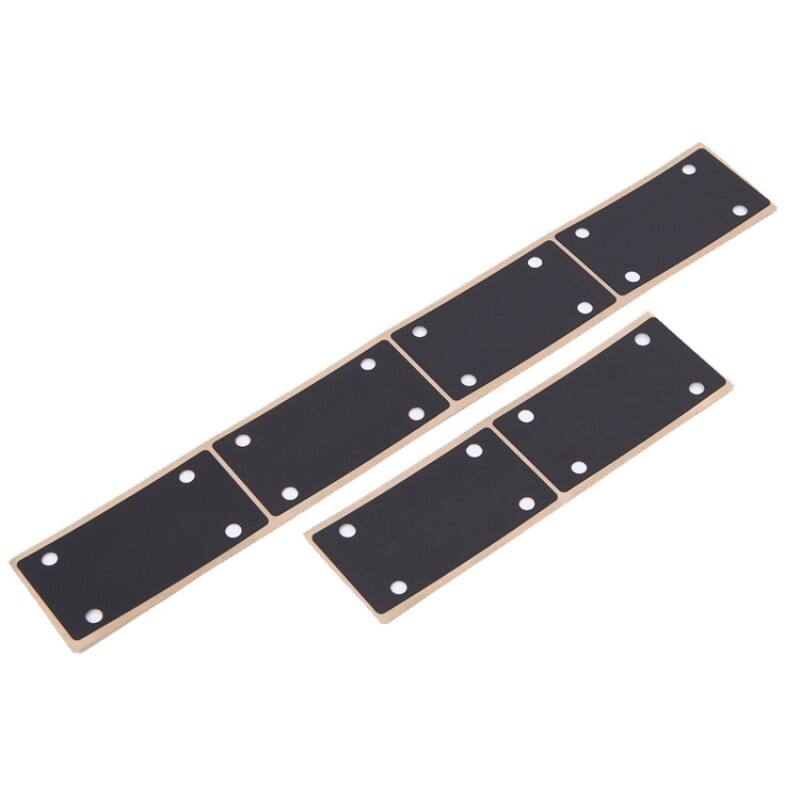
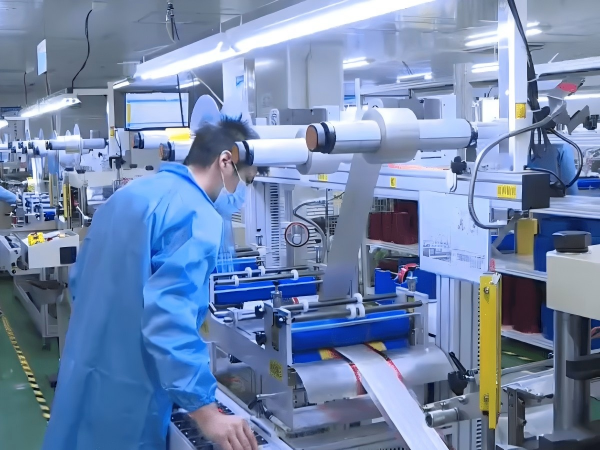
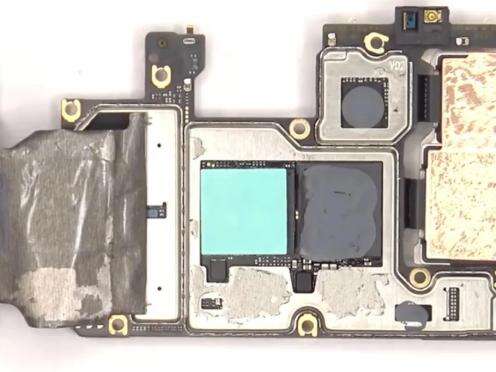
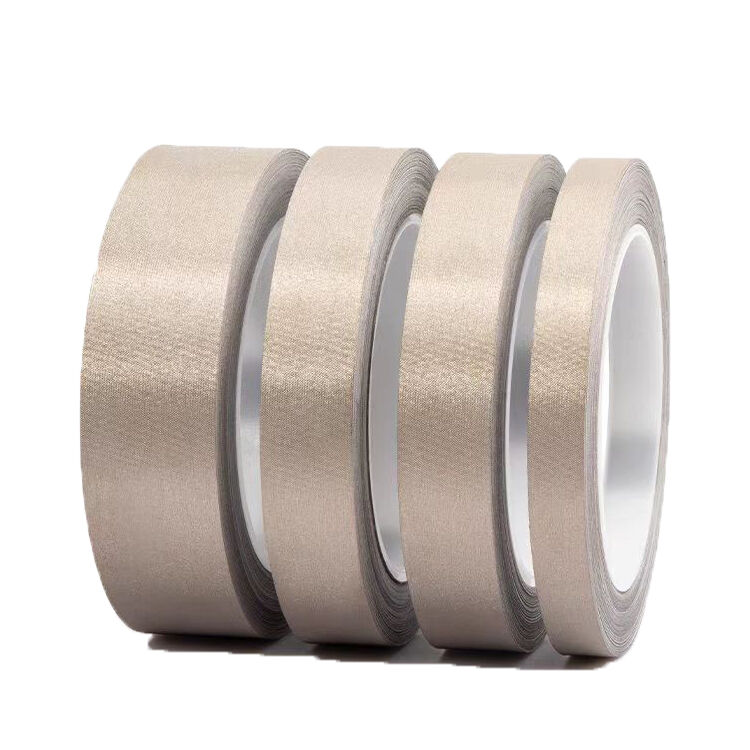
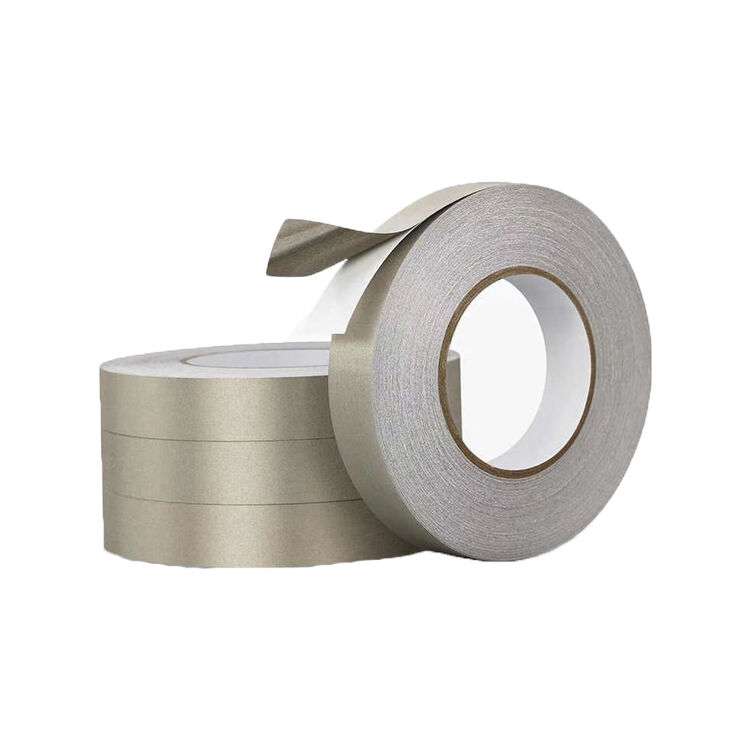
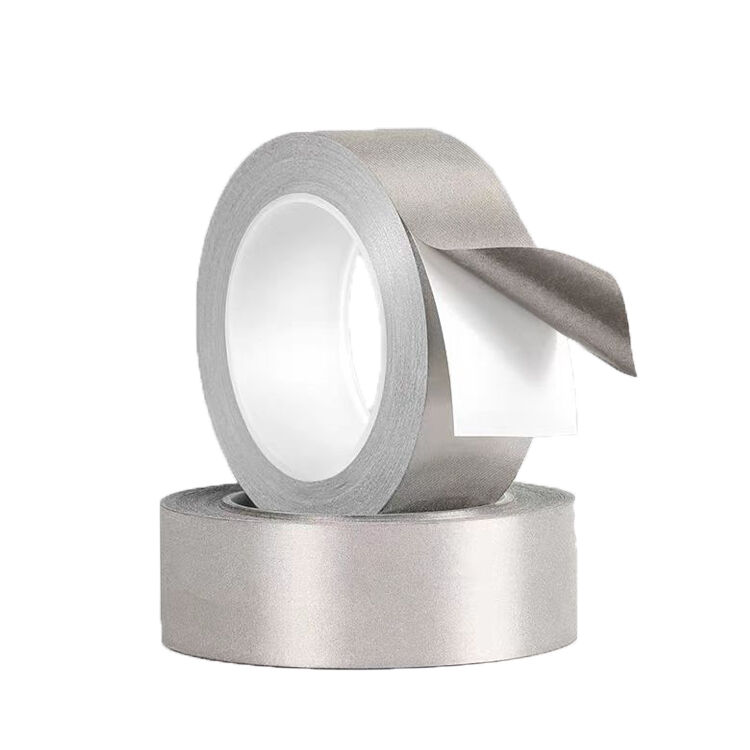
RFI shielding materials represent a critical component in modern electronics and telecommunications, designed to prevent radio frequency interference from disrupting sensitive electronic equipment. These specialized materials create protective barriers that block unwanted electromagnetic signals while maintaining the proper operation of electronic devices. RFI shielding materials work by reflecting, absorbing, or redirecting electromagnetic waves away from sensitive circuits and components, ensuring optimal performance in environments where multiple electronic systems operate simultaneously. The primary function of these materials revolves around electromagnetic compatibility, protecting devices from external interference while preventing internal systems from generating disruptive signals that could affect neighboring equipment. Modern RFI shielding materials incorporate advanced metallurgical processes and innovative composite structures that deliver superior attenuation properties across wide frequency ranges. These materials typically feature conductive metals such as copper, aluminum, or specialized alloys that provide excellent electrical conductivity and magnetic permeability. The technological features of contemporary RFI shielding materials include flexibility, durability, and customizable thickness options that accommodate diverse application requirements. Advanced manufacturing techniques enable these materials to maintain consistent shielding effectiveness while remaining lightweight and cost-effective for mass production applications. Applications for RFI shielding materials span numerous industries, including aerospace, automotive, medical devices, consumer electronics, telecommunications infrastructure, and military systems. In aerospace applications, these materials protect critical navigation and communication systems from interference that could compromise flight safety. Automotive manufacturers integrate RFI shielding materials into electric vehicle battery systems and advanced driver assistance technologies to ensure reliable operation. Medical device manufacturers rely on these materials to protect sensitive diagnostic equipment and implantable devices from electromagnetic interference that could affect patient safety and treatment outcomes.




 EN
EN