Versatile Applications and Easy Installation
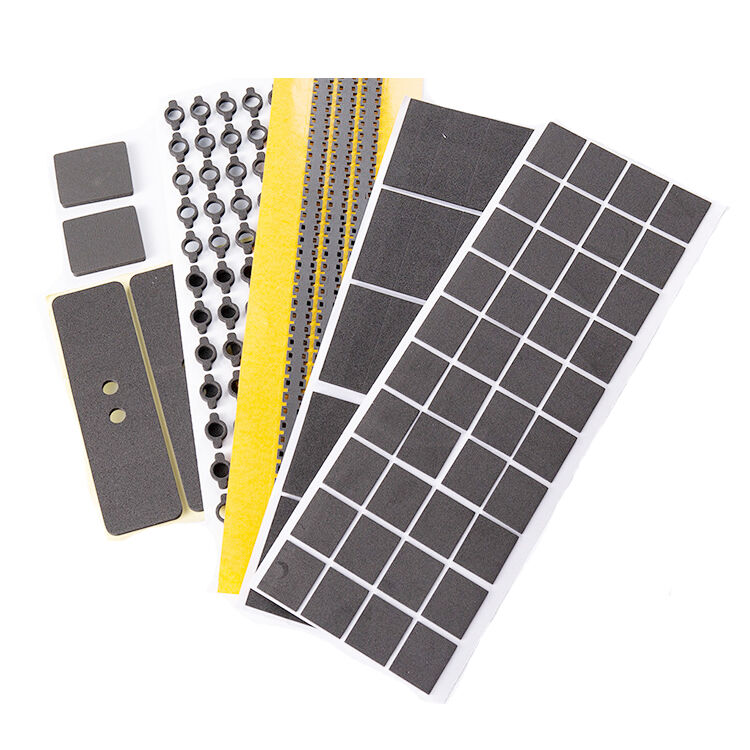
The versatile applications and easy installation characteristics of polyurethane foam in stock make it the preferred choice for professionals seeking efficient, reliable solutions across diverse industries and project requirements. This adaptability stems from the material's unique combination of properties that allow it to excel in thermal insulation, structural support, vibration dampening, and sealing applications within a single product platform. Installation simplicity reduces project complexity and labor costs while ensuring optimal performance regardless of application complexity or environmental conditions. The foam's compatibility with various substrates eliminates the need for specialized primers or adhesion promoters in most applications, streamlining installation procedures and reducing material costs. Cutting and shaping capabilities using standard tools allow for precise fitting around obstacles, irregular surfaces, and complex geometries that would challenge other insulation systems. Polyurethane foam in stock bonds effectively to metal, wood, concrete, and plastic surfaces, creating integrated systems that eliminate air gaps and thermal bridges. The material's self-sealing properties automatically fill minor irregularities and surface imperfections, ensuring complete coverage without additional sealing compounds. Installation flexibility allows for application in confined spaces, overhead positions, and irregular cavities where other materials would be difficult or impossible to install properly. Processing advantages include the ability to cut, route, and shape the foam after installation, enabling field modifications and customization without compromising material properties. The foam's lightweight characteristics reduce handling requirements and allow for single-person installation in many applications, improving productivity and reducing labor costs. Rapid installation procedures minimize project disruption and allow for faster completion schedules, particularly important in commercial and industrial renovations. Quality installation results from the material's forgiving nature, which accommodates minor installation variations while maintaining performance standards. The foam's stability during installation prevents shifting or settling that could create performance gaps in completed systems. Compatibility with various finishing materials allows for seamless integration into architectural and industrial designs without compromising aesthetic or functional requirements. Training requirements are minimal due to the straightforward installation procedures, reducing specialized labor costs and expanding the pool of qualified installers.



 EN
EN