polyurethane foam factory
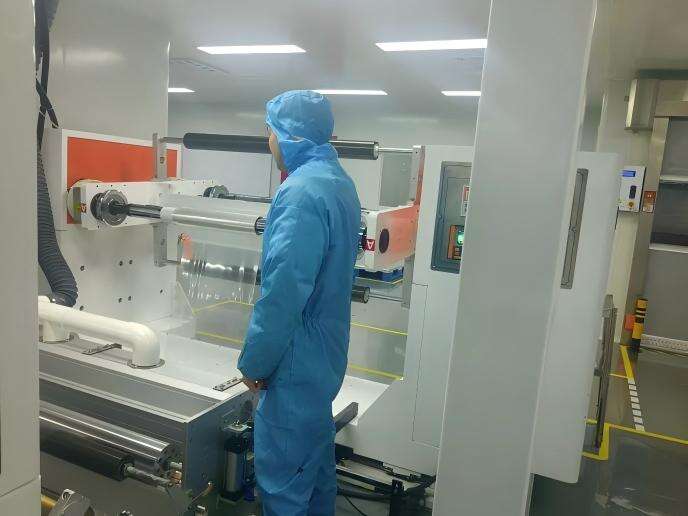
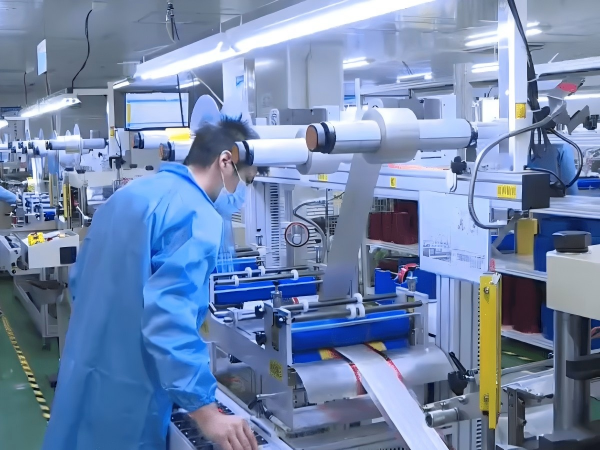
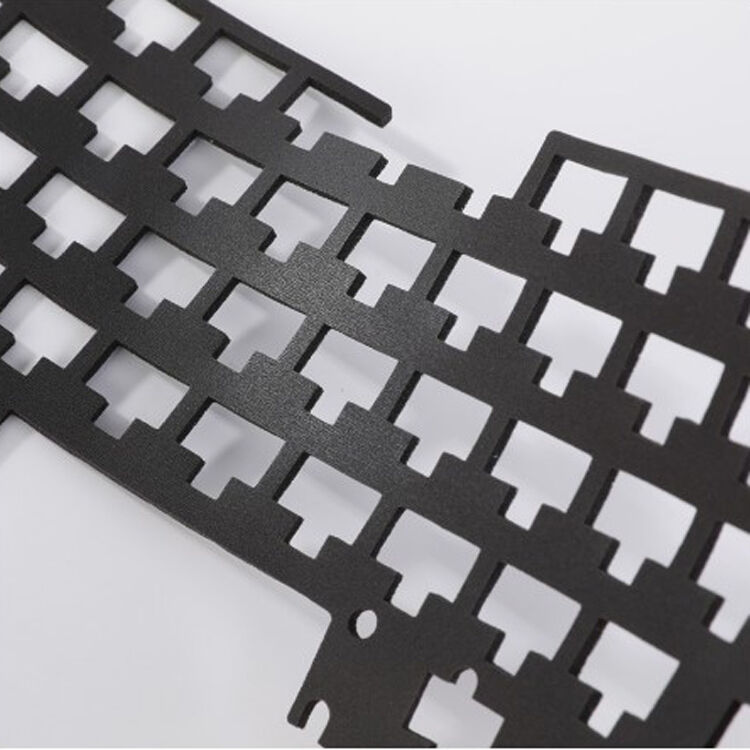
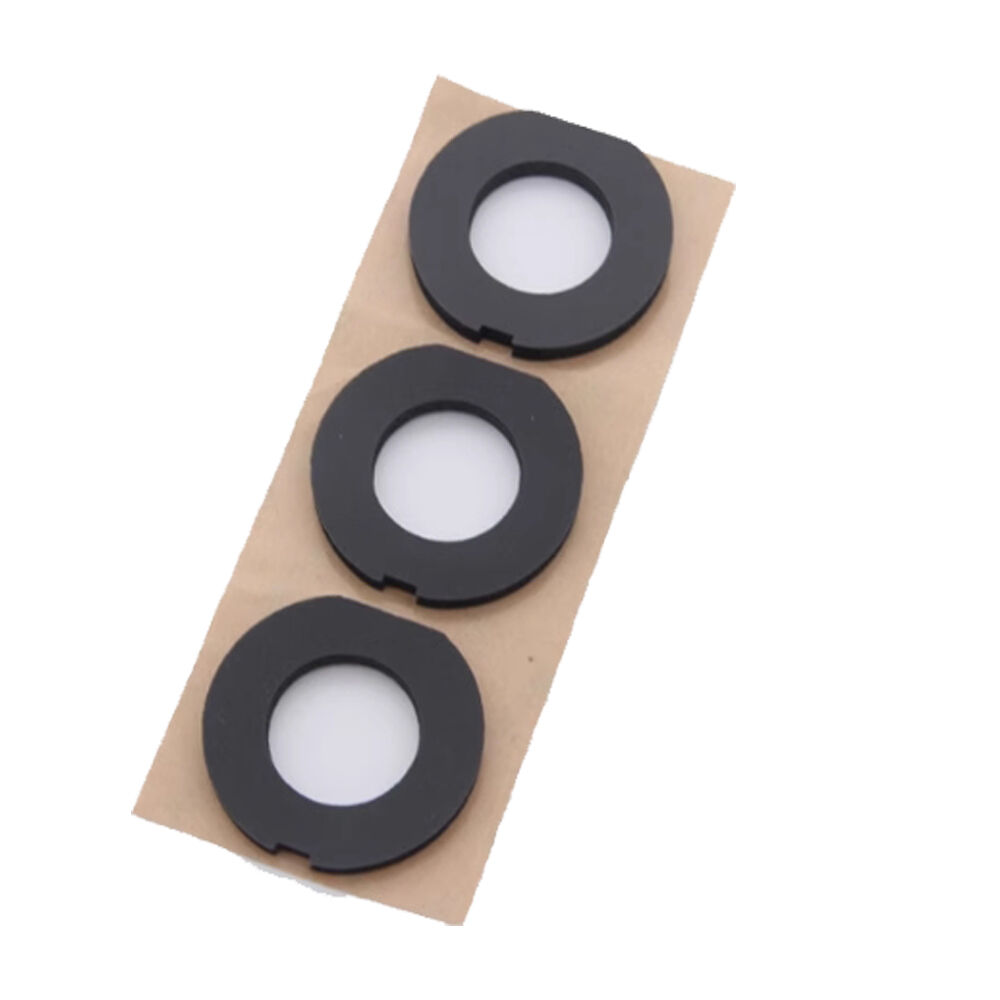
A polyurethane foam factory represents a sophisticated manufacturing facility designed to produce high-quality polyurethane foam products through advanced chemical processes and precision engineering. These specialized manufacturing plants combine raw materials including polyols, isocyanates, catalysts, and blowing agents to create versatile foam materials with diverse properties and applications. The primary function of a polyurethane foam factory involves the controlled reaction of these components under specific temperature and pressure conditions to generate foam with predetermined characteristics such as density, flexibility, and cellular structure. Modern polyurethane foam factory operations utilize automated mixing systems, continuous production lines, and computerized monitoring equipment to ensure consistent product quality and optimal manufacturing efficiency. The technological infrastructure within a polyurethane foam factory includes high-precision metering units that accurately dispense chemical components, specialized mixing heads that thoroughly blend materials, and controlled conveyor systems that transport products through curing processes. Temperature regulation systems maintain optimal reaction conditions while quality control laboratories conduct real-time testing to verify foam specifications. The polyurethane foam factory serves multiple industries by producing flexible foam for furniture cushioning, rigid foam for insulation applications, and specialty foams for automotive components, packaging materials, and construction projects. Environmental control systems within the polyurethane foam factory manage emissions and waste products while ensuring worker safety through proper ventilation and chemical handling protocols. The production capabilities of a polyurethane foam factory can be customized to manufacture foam with varying densities, from lightweight packaging foam to high-density structural materials. Advanced polyurethane foam factory facilities incorporate energy-efficient technologies, recycling systems for waste materials, and digital monitoring platforms that optimize production parameters in real-time, making them essential components of modern manufacturing ecosystems.



 EN
EN