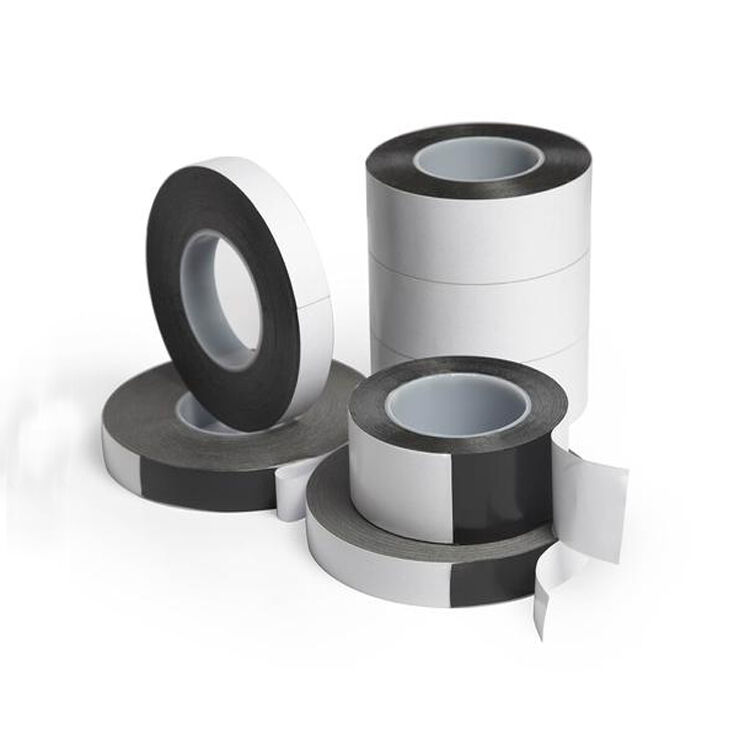
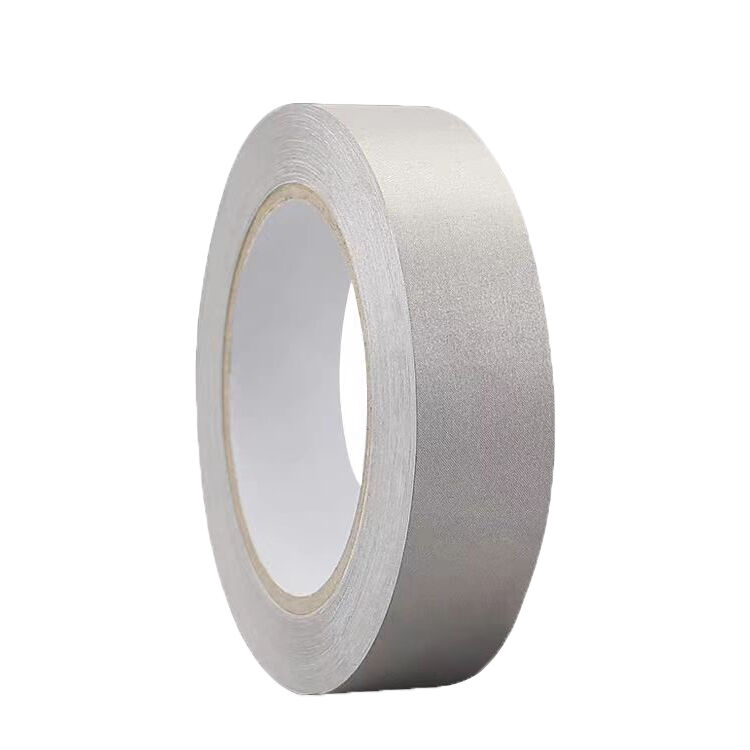
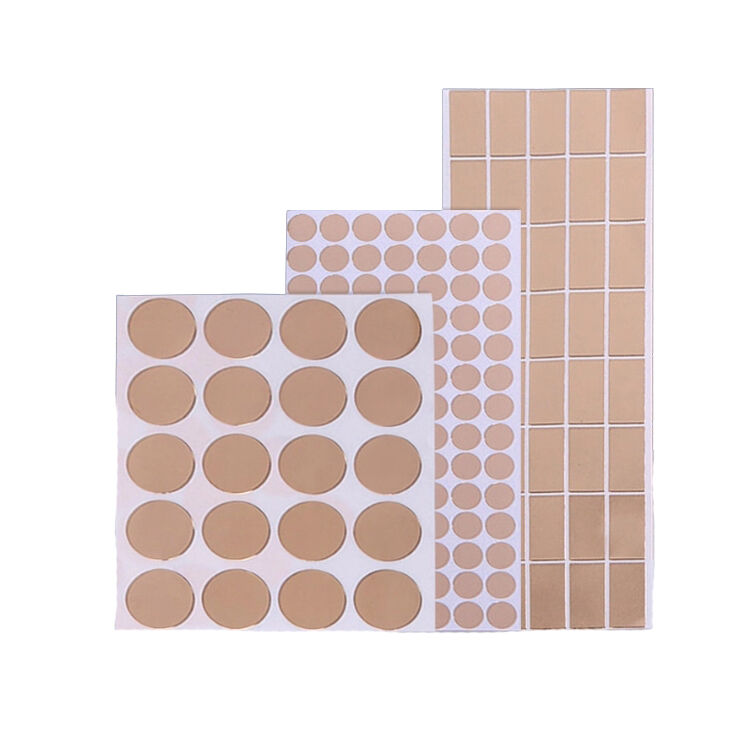
emi conductive fabric tape
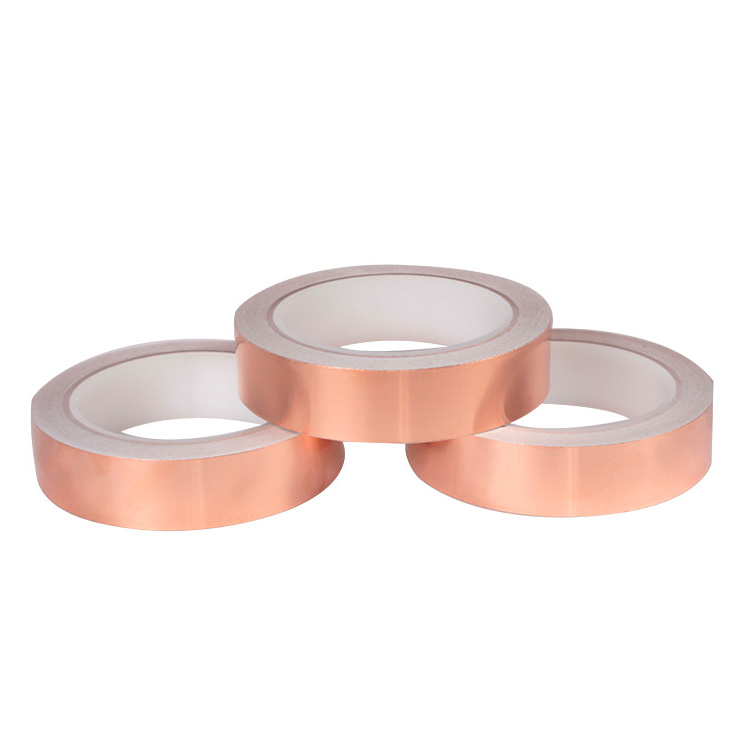
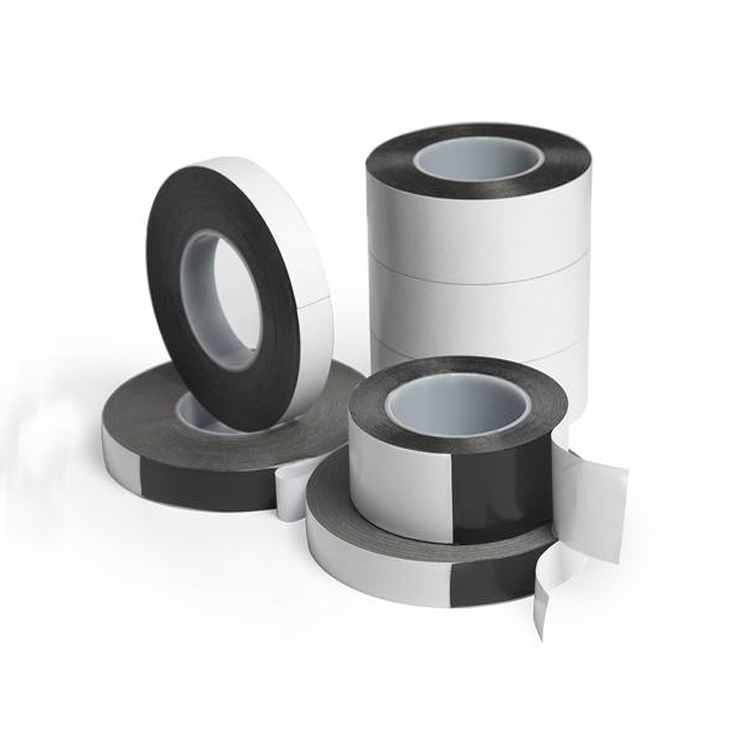
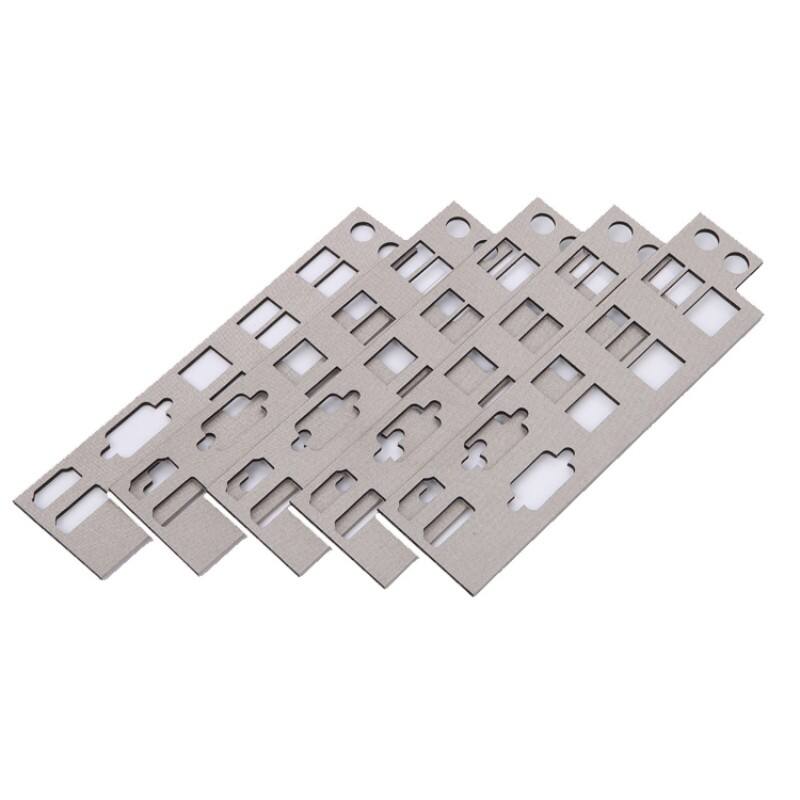
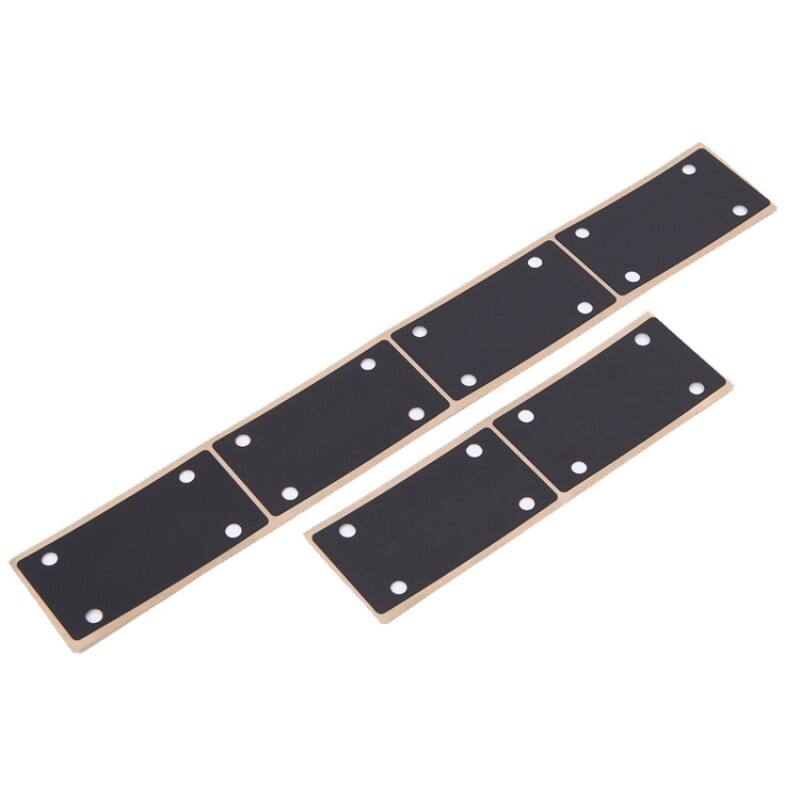
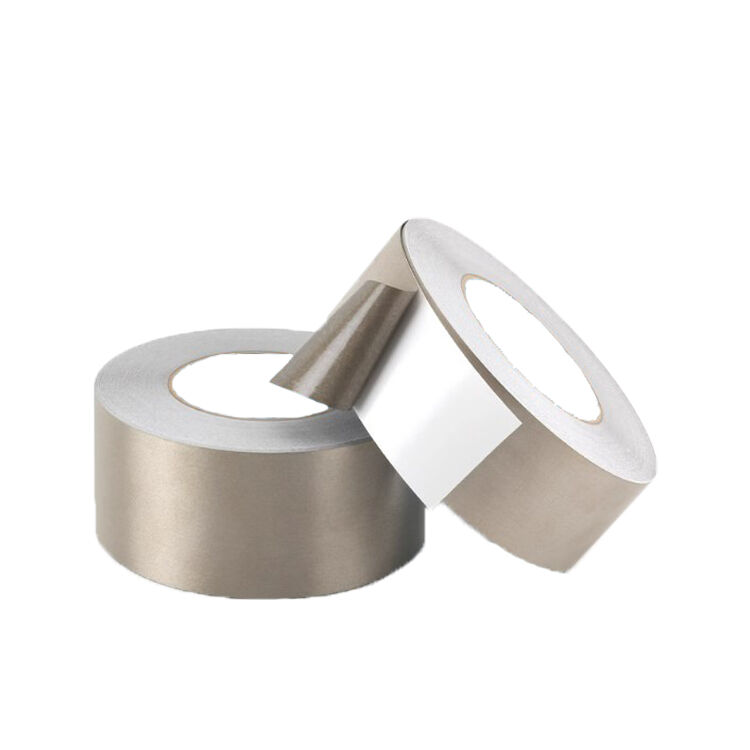
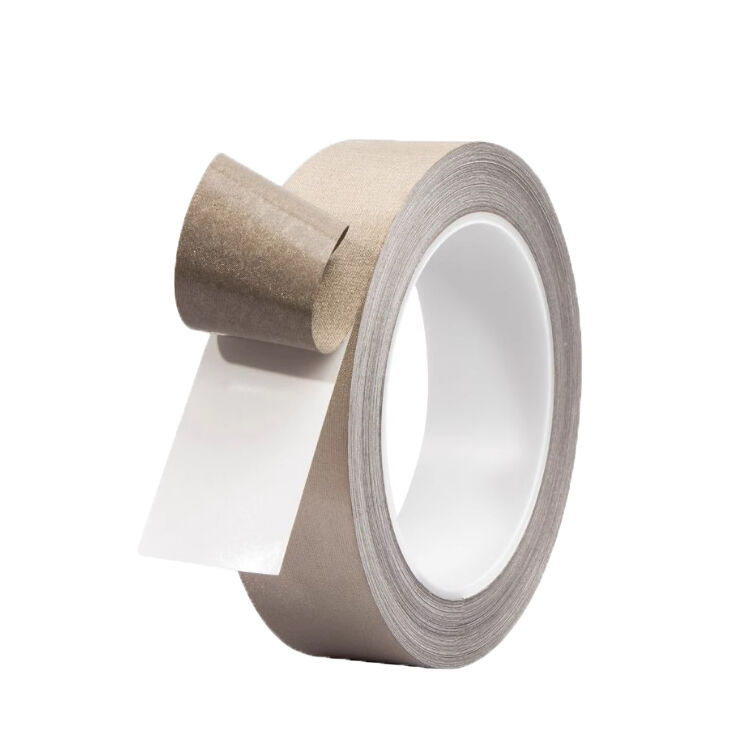
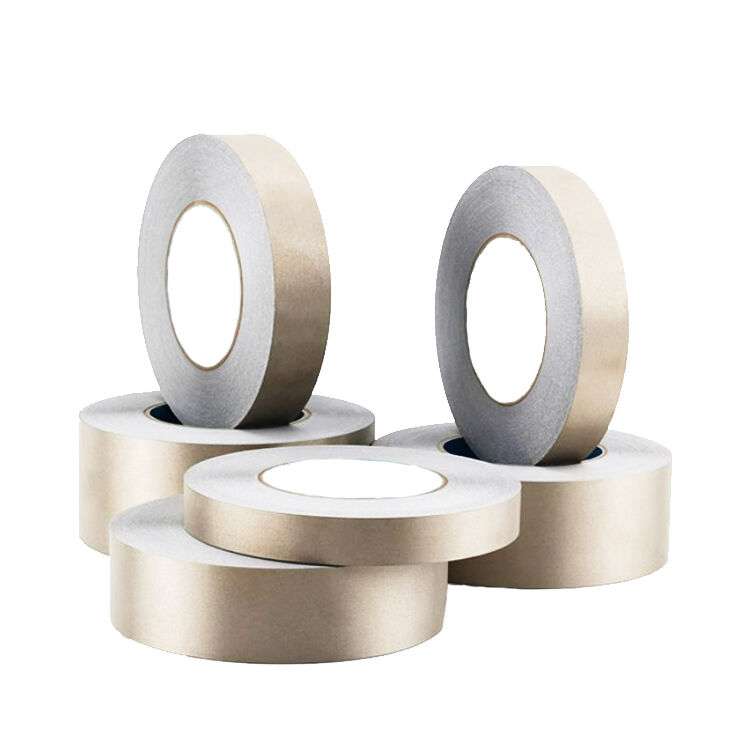
EMI conductive fabric tape represents a cutting-edge solution for electromagnetic interference shielding in modern electronic applications. This specialized tape combines conductive materials with fabric substrates to create an effective barrier against electromagnetic radiation while maintaining flexibility and ease of installation. The emi conductive fabric tape utilizes advanced metallization techniques, typically incorporating copper, silver, or nickel-coated fibers woven into a durable textile base. This construction method ensures optimal conductivity across the entire surface area while preserving the tape's mechanical properties. The adhesive backing system features pressure-sensitive compounds that provide reliable bonding to various surfaces including metals, plastics, and composites. Manufacturing processes involve precise control of conductive particle distribution within the fabric matrix, ensuring consistent electrical performance throughout the product's lifespan. The emi conductive fabric tape demonstrates exceptional conformability, allowing it to follow complex contours and irregular surfaces without compromising shielding effectiveness. Temperature resistance characteristics enable operation across wide environmental ranges, typically from negative forty to positive one hundred twenty degrees Celsius. Moisture resistance properties protect the conductive elements from degradation in humid conditions. The tape's thickness profile remains minimal while delivering maximum shielding performance, making it ideal for space-constrained applications. Quality control measures include conductivity testing, adhesion strength verification, and environmental exposure assessments. Applications span across telecommunications equipment, medical devices, automotive electronics, aerospace systems, and consumer electronics. The emi conductive fabric tape provides reliable EMI suppression for frequencies ranging from kilohertz to gigahertz levels. Installation procedures require minimal preparation, involving surface cleaning and proper positioning techniques. Storage conditions should maintain controlled temperature and humidity levels to preserve adhesive integrity and conductive properties until application.





 EN
EN